Fufeng County

Things to do in Fufeng County

Search attractions or local attractions & tours
Search

Explore top experiences

Top 10 attractions in Fufeng County
View all Attractions
Famen Temple Museum

Famen Temple Museum

4.6
4.2/5
35 reviews

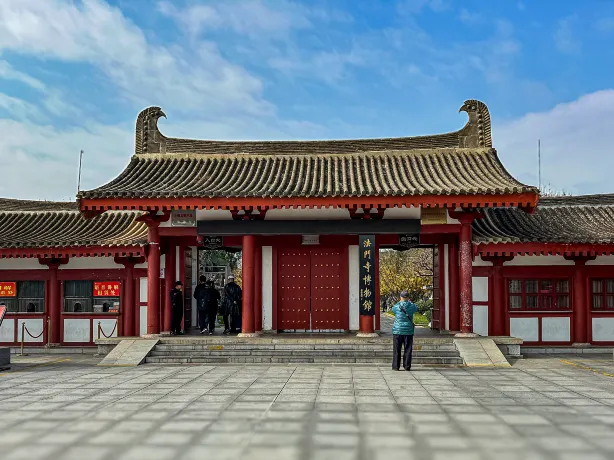
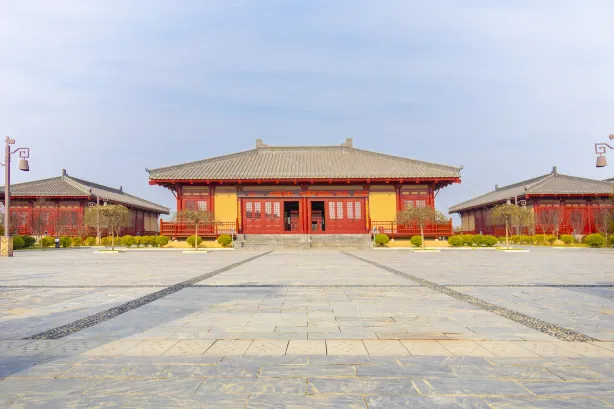
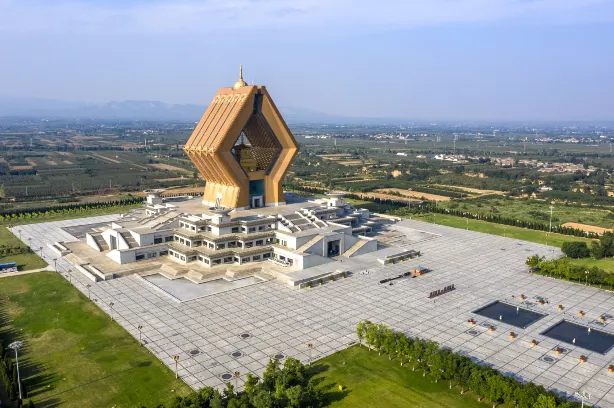
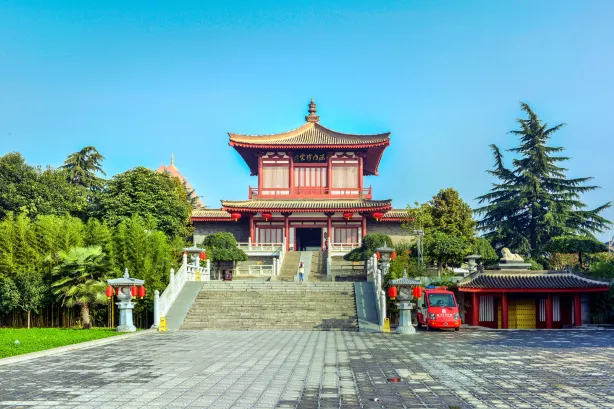
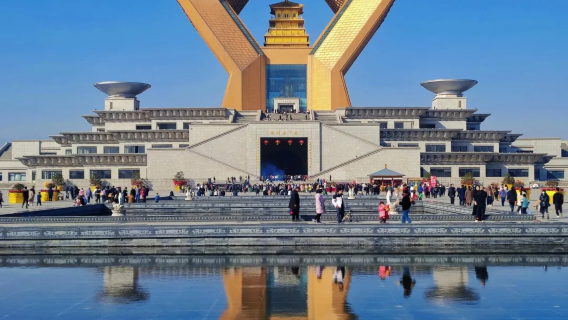
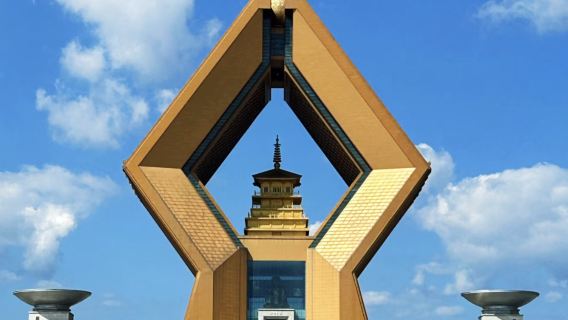
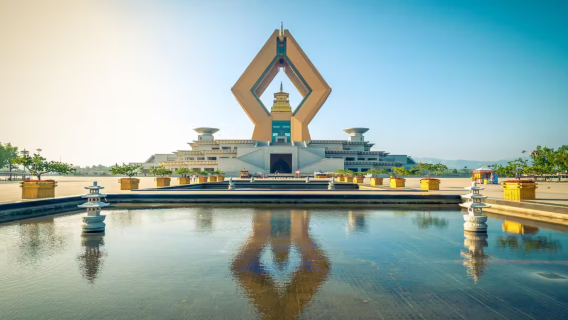
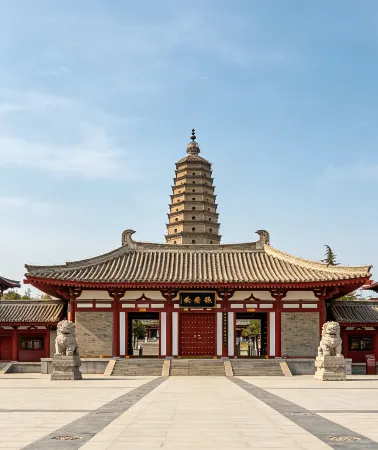
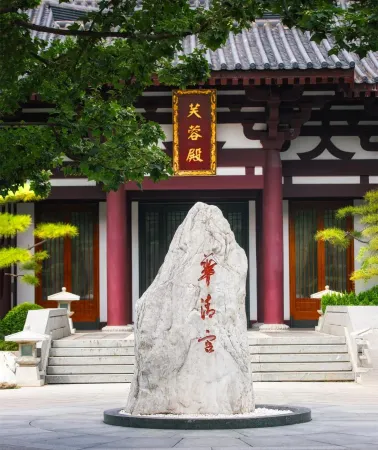
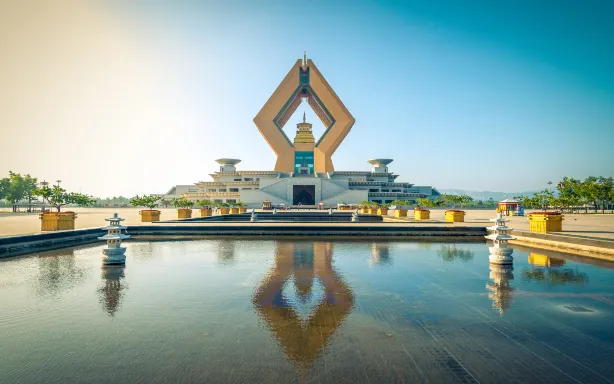
Famensi MuseumLocated in Famen Town, Fufeng County, Baoji City, Shaanxi Province, China, this specialized museum focuses on the collection, preservation, research, and exhibition of cultural relics unearthed from the underground palace. Core Features: 1. Underground Palace Treasures: The museum showcases over 1,000 precious artifacts from the 1987 archaeological discovery of the Tang Dynasty underground palace at Famen Temple, including Buddhist finger relics, gold and silverware, glassware, silk textiles, and porcelain. Among these, 121 items are classified as Grade One National Cultural Relics. Signature exhibits:Gilded silver statue of a Bodhisattva,Octagonal Precious Casket,Mystic celadon,Tang Dynasty silkand other artifacts, showcasing the grand royal Buddhist relic offerings and exquisite craftsmanship of the Tang Dynasty. 2. Buddhist culture: Famen Temple is revered as a Buddhist sacred site for enshrining the finger bone relic of Sakyamuni Buddha. The museum systematically presents the culture of Buddhist relics, Buddhist art from the Tang Dynasty, and religious exchanges along the Silk Road through artifacts, illustrations, and multimedia displays. The permanent exhibition "Treasures from the Famen Temple Underground Palace" is divided into thematic sections including "Recreating the Underground Palace," "Relic Worship," and "Artifacts of the Tang Dynasty." 3. Architecture and layout: The museum is connected to the Famen Temple attraction, blending Tang Dynasty architectural style with modern design. Its main exhibition hall resembles clasped hands, symbolizing reverence for Buddhist teachings. The museum features cultural relic exhibition halls, academic lecture halls, and creative cultural zones, surrounded by cultural plazas and the Buddha's Light Avenue scenic view.

Fufeng County · 6.9km from downtown
The Mount Taibai National Forest Park
No. 7 of Fall Viewing Attractions in Shaanxi

The Mount Taibai National Forest Park

7.1
4.5/5
3.9k reviews

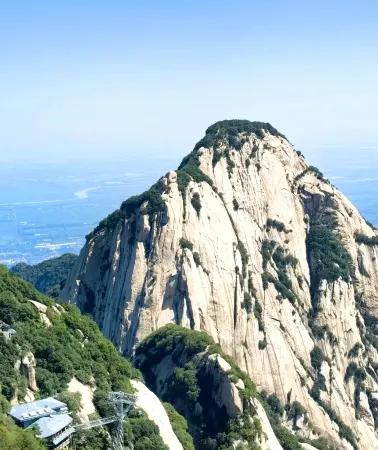
The Mount Taibai National Forest Park is located on the northern slope of Mount Taibai, the main peak of the Qinling Mountains. Within the park, Baxian Terrace stands at an elevation of over 3,700 m, towering above all other peaks in the Qinling range. The dramatic vertical drop creates distinct layers of vegetation and climate zones as altitude increases—while the plains below swelter in midsummer heat, higher elevations bring a penetrating chill. In ancient times, the frigid summit retained snow even in June, earning "Taibai snow in June" a place among the eight scenic views of Guanzhong. Though snow in June is now rare, the alpine region still preserves Quaternary glacial relics such as cirque lakes and stone seas, offering a rare view of high-altitude landforms. Most 1-day tours turn back at "Sky circle earth square," which sits at an elevation of over 3,500 m on the main ridge of the Qinling Mountains—the watershed dividing China's north and south. Streams north of the ridge flow into the Yellow river, while those south feed the Yangtze river. On clear days, you can overlook rolling seas of clouds. The true summit ascent to Baxian Terrace begins here. A standard hiking itinerary to the peak takes approx. two days, starting from Sky circle earth square, passing Xiaowengong Temple and Dawengong Temple to reach the alpine cirque lake Daye Hai, then making the final push to the summit, with an overnight stay at Xiaowengong Temple. The Mount Taibai National Forest Park's remote areas feature complex terrain and wildlife including large predators. Whether traveling by vehicle, cable car, or on foot, always stay on developed routes and avoid venturing off main paths. The first day of the seventh lunar month is the traditional temple fair of The Mount Taibai National Forest Park, when crowds of visitors flock to the mountain, creating a lively atmosphere and offering a great opportunity to experience mountain folk customs.

Mei County · 36.9km from Fufeng County
Qianling Mausoleum
No. 1 of Best Things to Do in Xianyang

Qianling Mausoleum

7
4.6/5
4.1k reviews

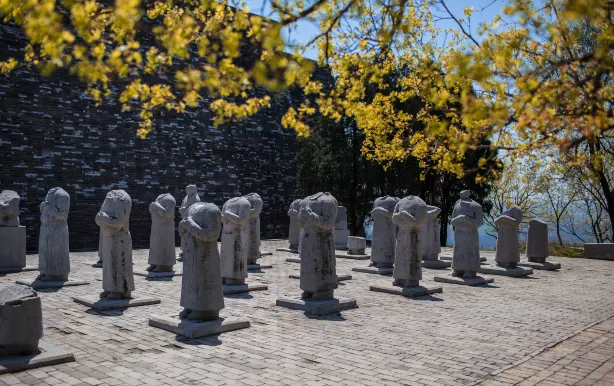
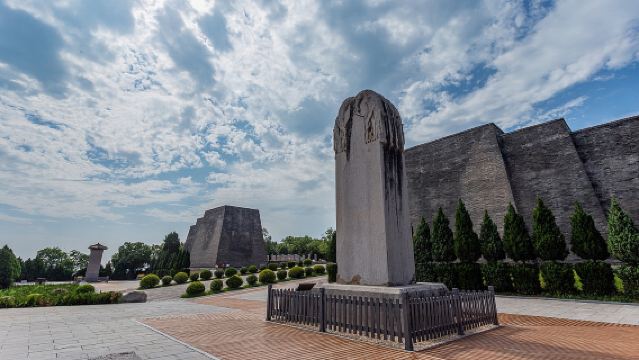
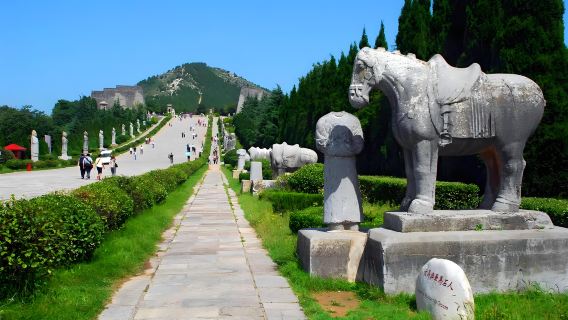
Qianling Mausoleum is the joint tomb of Emperor Gaozong of Tang, Li Zhi, and Wu Zetian. It is also the only joint tomb in Chinese history for a husband-and-wife imperial couple—the Great Tang Emperor Li Zhi and China's only female emperor, Wu Zetian, are buried together beneath the main peak of Mount Liang. The mausoleum was built following the layout of the Tang Dynasty capital, Chang'an, with gates on all four sides: the Zhuque Gate to the south, the Xuanwu Gate to the north, the Qinglong Gate to the east, and the Baihu Gate to the west. While the surface structures are largely gone, the large stone carving groups on both sides of the Sacred Way remain well-preserved and are still the core area for experiencing the grandeur of a Tang Dynasty imperial mausoleum. The Sacred Way is the focus of the visit. Proceeding north from the southern end, stone carvings are arranged in sequence on both sides, including ornamental columns, winged horses, Zhuque, stone ostriches, war horses with grooms, and Wengzhong, all of which are massive in scale and exquisitely carved. Standing on the east side of the Sacred Way is the Qianling Mausoleum - Uncharactered Stele. The stele is covered in coiled dragon patterns and bears no inscription. Regarding why Wu Zetian erected this stele without an inscription, there have long been several theories: that her achievements and virtues were so great they required no words, that she knew her sins were too heavy to write down, or that she left her merits and faults for future generations to judge. Opposite the stele on the west side is the Shushengji Stele, a monument erected to commemorate the achievements of Emperor Gaozong of Tang. Outside the Zhuque Gate, on both sides of the Sacred Way, are 61 statues of foreign envoys. These life-sized statues are dressed in various ethnic costumes, with hands clasped in front in a respectful posture. Their backs are inscribed with the names of their countries and individuals, representing the leaders and envoys of various nations who submitted to the Tang Dynasty at that time. These stone statues are now all headless, and the reason for this remains a subject of much debate. Beyond the main tomb, the mausoleum area contains several companion tombs. The main ones that have been excavated include the Tomb of Princess Yongtai, the Tomb of Prince Yide, and the Tomb of Crown Prince Zhanghuai. The Qianling Museum is located within the grounds of the Tomb of Princess Yongtai and exhibits unearthed artifacts such as Tang Sancai (tri-colored glazed pottery), painted figurines, and murals, among which the "Court Ladies" mural is particularly exquisite. The murals in the Tomb of Crown Prince Zhanghuai feature rich subject matter, including scenes such as the famous polo match, and some precious murals have been moved to the museum for preservation. Strolling along the wide and straight Sacred Way, with stone figures and horses standing in solemn formation on both sides, and the main peak of Mount Liang towering in the distance—beneath the mountain lies the joint underground palace that has remained unexcavated for a thousand years. This sense of unknown mystery is exactly what makes Qianling Mausoleum uniquely charming compared to other imperial mausoleums.

Qian County · 36.3km from Fufeng County
Emperor Qinshihuang's Mausoleum Site Museum
2027 Global 100 - Best Things to Do

Emperor Qinshihuang's Mausoleum Site Museum

10
4.7/5
152.2k reviews

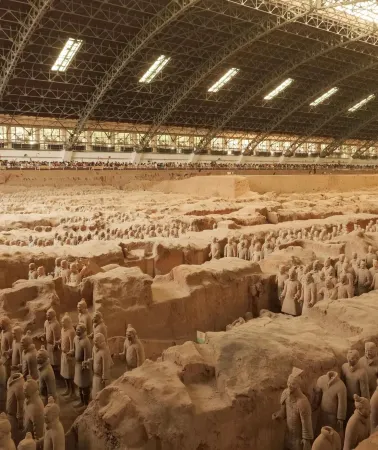
Emperor Qinshihuang's Mausoleum Site Museum is a large site museum built on the site of the Terracotta Army pits, which are located approx. 1.5 km east of the mound of Emperor Qinshihuang's Mausoleum. In March 1974, farmers from Xiyang Village accidentally unearthed fragments of terracotta figures while digging a well, and archaeological exploration confirmed Pit 1; in 1976, Pits 2 and 3 were successively discovered to the north of Pit 1. This army, which had slumbered for over 2,000 years, was thus brought back to light, and the discovery of the Terracotta Army has been hailed as "one of the great discoveries in the history of 20th-century archaeology." Pit 1 is the main military formation among the three pits, stretching over 200 m from east to west, with an estimated 6,000 pottery figurines and horses buried inside. Standing at the edge and looking down, armored warrior figurines, war chariots, and pottery horses are arrayed eastward in battle formation. A closer look at each figure reveals different facial shapes, hairstyles, beards, and even hand gestures. The figurines were originally painted all over, but most of the paint has peeled off and discolored due to fire and long burial. Pit 2 is L-shaped, with crossbowmen, cavalry, and charioteers arranged in a mixed formation; the vividly expressive kneeling archer was unearthed here. Pit 3 is small in scale, and scholars believe the ceremonial guard figurines and war chariots unearthed there indicate it served as the command center—known in ancient times as a "military tent"—directing the formations in Pits 1 and 2. The bronze swords, pi halberds, spears, crossbow triggers, and large quantities of arrowheads unearthed from the pits—many still sharp after more than 2,000 years—demonstrate the sophistication of Qin dynasty metallurgy. The Emperor Qinshihuang's Mausoleum Site Museum and the Qin Shi Huang Mausoleum at the foot of Mount Li were originally one integrated whole. After Qin Shi Huang ascended the throne at the age of 13, he began constructing the mausoleum, conscripting hundreds of thousands of laborers over a period spanning more than 30 years; the terracotta army, which replaced human sacrifice with figurines, served as the underground guard for this imperial mausoleum. To avoid the crowds during your visit, you might want to see Pit 3 and Pit 2 first, and then take your time to experience the awe-inspiring scene of Pit 1 last. After viewing the terracotta pits, you can also take the attraction's shuttle bus to Lishan Garden, where Emperor Qinshihuang's mausoleum is located; the Acrobats Pit, the Civil Officials Pit, and the Bronze Chariots and Horses Museum are all within the garden. The two painted bronze chariots and horses, cast at half the scale of real chariots, are exquisitely crafted with brilliantly gleaming gold and silver fittings, and are well worth a special trip to see.

China · Xi'an

Experiences you can't miss in Fufeng County

Featured Day tours in Fufeng County

View all Day tours
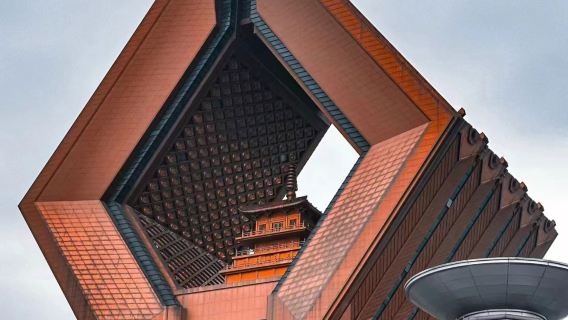
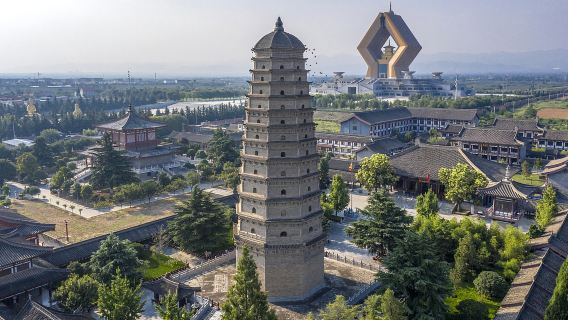
Xi'an Famen Temple + Qianling Mausoleum + Maoling Mausoleum One-Day Tour (Including Entrance Fees) - Family Group Tour
󱌍
4.9/5
· 20 reviews· 65 booked
Duration: 12 hrs
English
Instant confirmation
Book now for tomorrow
79 travellers saved
FromJPY 32,267
[Optional 8-person premium small group tour] Famen Temple + Qianling Mausoleum 1-day tour | admission ticket + round-trip transportation + wireless headset
󱌍
4.9/5
· 409 reviews· 434 booked
Duration: 10.8 hrs
English
Free cancellation
Instant confirmation
99.3% of travelers recommend
FromJPY 49,368
Xi'an | Famen Cultural Scenic Spot + Qianling Mausoleum + Maoling Museum 1-day tour | private tour 5-14 seats
󱌍
4.8/5
· 14 reviews
Duration: 8.3 hrs
English
Free cancellation
Instant confirmation
Book now for tomorrow
FromJPY 15,224
Xian Qianling Mausoleum & Famen Temple Private Day Tour: Meet the Only Empress Wuzetian
󱌍
Duration: 7.5 hrs
English
Free cancellation
Instant confirmation
Book now for tomorrow
FromJPY 14,344
Famen Temple+Taibai Mountain Day Tour From Xi'an
󱌍
Duration: 5 hrs
English
Free cancellation
FromJPY 39,316
One-day tour from Xi'an to Famen Temple + Qianling Mausoleum
󱌍
Duration: 8.5 hrs
English
Free cancellation
Book now for tomorrow
FromJPY 26,247
Famen Temple+Bronze Ware Museum Day Tour From Xi'an
󱌍
Duration: 4.5 hrs
English
Free cancellation
FromJPY 32,538

Featured Food & drink in Fufeng County

View all Food & drink
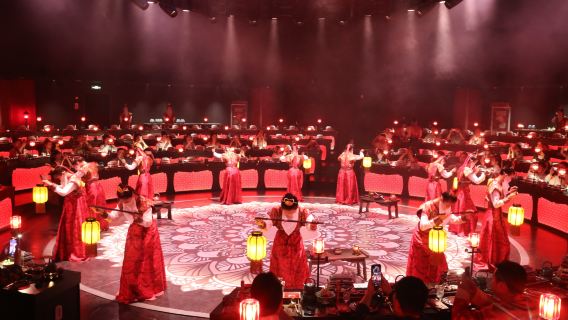
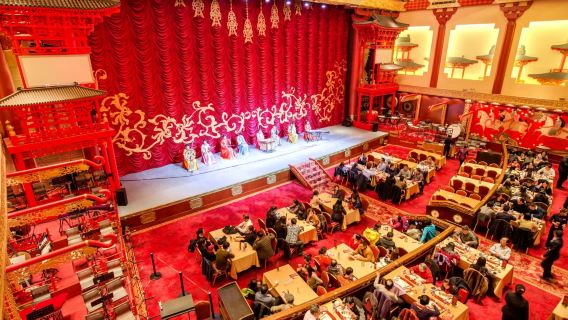
[Empress Wu's grand feast] Xi'an Datang Empress Wu's grand feast [Panoramic immersive ancient palace dining show]
󱌍
4.7/5
· 80 reviews· 1.7k booked
Duration: 1.5 hrs
English
Free cancellation
Book now for today
28 consecutive positive reviews
FromJPY 6,085
Daming Palace Banquet: A Journey Back to the Golden Age of Tang - Immersive Tang Culture Dining Show with Optional Hanfu Costume and Makeup
󱌍
4.6/5
· 30 reviews· 619 booked
Duration: 2 hrs
English
Free cancellation
Instant confirmation
Book now for today
10% off
Limited-time sale
FromJPY 6,323JPY 7,026
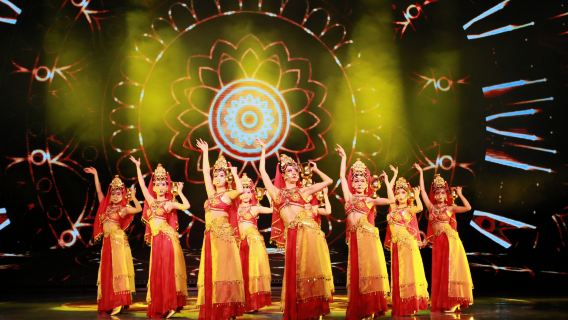
"The Tang Palace Experience: Dine with Dynasty Music & Dance"
󱌍
4.4/5
· 20 reviews· 365 booked
Duration: 2–3 hrs
English
Instant confirmation
Book now for today
FromJPY 6,395
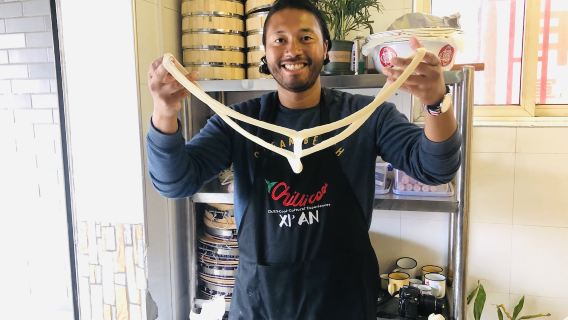
Half-day Xi'an Biang Biang Noodles Cooking Class with Spice Market Visit - Xi'an - Eatwith
Trip.Select
󱌍
5.0/5
· 28 reviews· 146 booked
Duration: 3 hrs
English
Free cancellation
Instant confirmation
Book now for tomorrow
28 consecutive positive reviews
34% off
Limited-time sale
FromJPY 7,874JPY 11,931
Savory Secrets of Xi'an Food: Night Walking Tour at Muslim Quarter & Sajinqiao Food
Trip.Select
󱌍
4.9/5
· 16 reviews· 130 booked
Duration: 4.5 hrs
English
Free cancellation
Instant confirmation
FromJPY 6,761
Dinner and Show of Tang Dynasty Palace in Xian Since 1988
Trip.Select
󱌍
4.2/5
· 27 reviews· 512 booked
Duration: 2–3 hrs
English
Free cancellation
Instant confirmation
Book now for today
FromJPY 6,395
Xi'an Daming Palace Banquet: Enjoy food while watching performances | Embark on an immersive culinary journey through ancient Chinese dynasties
Trip.Select
󱌍
5.0/5
· 3 reviews· 79 booked
Duration: 2 hrs
English
Free cancellation
Instant confirmation
Book now for tomorrow
FromJPY 9,258
Tang Dynasty show : Empress of the Great Tang Court Dumpling Feast / Royal Banquet
󱌍
44 booked
Duration: 2–30 hrs
English
Free cancellation
Instant confirmation
Book now for today
10% off
Limited-time sale
FromJPY 5,755JPY 6,395

More things to do

Private Tours in Fufeng County

View More Private Tours in Fufeng County
Fufeng County Today's weatherFoggy 0-12℃
Fufeng County weather for the next 2 days11/25: 1-18℃, 11/26: 2-20℃

Free things to do in Fufeng County
What travellers say about Fufeng County

user-avatar
Anonymous user9 November 2026
4.0
Famen Temple is definitely worth a visit. I was amazed by the creative designs and exquisite craftsmanship of our ancestors. It's worth appreciating carefully. Each piece of art carries a profound sense of history and story.

Famen Cultural Scenic Spot

user-avatar
中西南北东20 November 2025
4.0
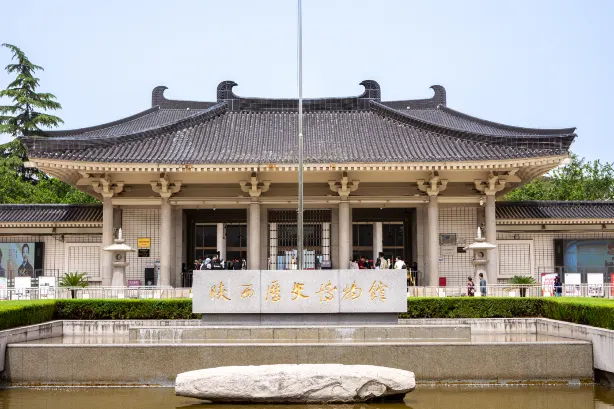
Famen Temple Museum, a national first-class museum, is located in the Famen Temple Cultural Park, 10 kilometers north of Fufeng County, Baoji City, Shaanxi Province. It is 110 kilometers east of Xi'an and 90 kilometers west of Baoji City, covering an area of ​​48,779 square meters, with a building area of ​​13,768 square meters and an exhibition area of ​​4,000 square meters. It is a social science-oriented religious site museum. Completed in 1987, the museum's collection originates from artifacts unearthed from the underground palace of Famen Temple. The collection includes gold and silver artifacts, glassware, and porcelain. As of the end of 2019, the museum held 9,439 pieces/sets of artifacts, including 225 pieces/sets of precious cultural relics. Unfortunately, the Buddha's finger relic is not on display here; the reason will not be discussed here.

Famen Temple Museum

user-avatar
水漫三楼17 June 2026
5.0
The Baoji Zhouyuan Museum is a specialized museum located in Zhaochen Village and Jingdang Village, Famen Town, at the border of Fufeng County and Qishan County, Shaanxi Province. This area was the living and settlement area of ​​the pre-Zhou people. Built in 1987 based on the archaeological excavation of the Zhouyuan site, it was rated as a national second-class museum in 2018. The museum, based on the core area of ​​the Zhouyuan site, exhibits over 10,000 artifacts, including the foundations of Western Zhou ancestral temples and palaces, as well as bronzes, oracle bones, and jade artifacts. Among them, the bronze vessels such as the Zhe Gong and Shi Qiang Pan are renowned for their long inscriptions and large scale. Zhouyuan, located in western Guanzhong Plain, about 100 kilometers from Xi'an, encompasses most of present-day Fengxiang, Qishan, Fufeng, and Wugong counties. Historical records indicate that the ancestor of the Zhou people, Gugong Danfu, led his people to settle in the area south of present-day Qishan, known as "Zhou." The Zhou state was named after this location. The land here is fertile, with abundant rainfall and a mild climate. Before King Wen of Zhou, it was the center of Zhou people's activities. The world-renowned Zhouyuan Site is located within a 20-square-kilometer area at the border of Qishan and Fufeng counties. Archaeological surveys have uncovered the ancestral temples, tombs, treasuries, and documents (bronze inscriptions and oracle bone inscriptions) of the Zhou royal family. The northwestern part is the palace and ancestral temple area (present-day Fengchu Village in Qishan County and Zhaochen Village in Fufeng County). The southeastern part was the residential area of ​​the Zhou people, as well as a workshop area for smelting bronze, firing pottery, and carving bone artifacts (present-day Qizhen, Zhuangbai, Qijia, and Yuntang Village in Huangdui Township, Fufeng County). The southwestern part is the burial area (present-day Hejia Village and Li Village in Jingdang Township, Qishan County). Zhouyuan is known as the "Hometown of Bronze Ware," with an unparalleled history and quantity of unearthed bronze artifacts. Bronze artifacts have been unearthed here since the third year of the Shenjue era of Emperor Xuan of Han (58 BC), with numerous significant discoveries. Zhouyuan is a veritable underground treasure trove of cultural relics. In 1982, the State Council listed it as a second batch of national key cultural relics protection units.

Zhouyuan Museum

user-avatar
M2c***n725 September 2025
5.0
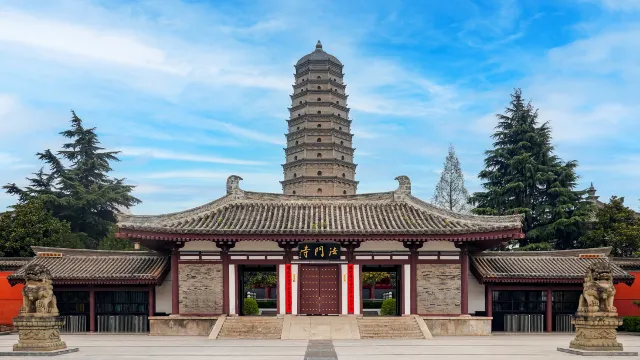
Special Features of the Famen Temple Stupa [Scenic Spots] 1. Enshrining the world's only Buddha's finger relic. This is the most central and unparalleled feature of the Famen Temple Stupa. · Supreme Sacred Relic: According to research, the Buddha's finger relic (a section of the middle finger bone relic) unearthed from the underground palace of Famen Temple is the authentic relic of Sakyamuni Buddha, the most sacred relic in Buddhism. · Unique in the World: This is the only Buddha's finger relic in the world that has been excavated, clearly documented, and verified by inscriptions. Its status far surpasses the replicas (imitations) or commemorative relics found in other temples. 2. Unique Architecture: A Blend of Modern and Traditional Architectural Style The stupa's architecture is unique, breaking with traditional Buddhist stupa form. · Profound Meaning: The stupa's shape resembles two hands clasped together, hence the name "He Shi Relic Stupa." This design symbolizes devout worship and peace, boasting a magnificent and unique form, a strong sense of modernity, and symbolic significance. · Massive Scale: Standing 148 meters tall, equivalent to a 50-story building, the pagoda is imposing and one of the tallest Buddhist pagodas in the world. · Multifunctionality: More than just a religious structure, it serves as a comprehensive venue for cultural relic viewing, Buddhist practice, cultural exchange, and tourism. The pagoda houses a main hall enshrining the relics, a lecture hall, and a museum. 3. Inseparability from the Tang Dynasty Underground Palace: The pagoda's uniqueness is inseparable from the millennia-old Tang Dynasty underground palace beneath it. · Significant Archaeological Discovery: In 1987, during the cleaning of the Ming Dynasty pagoda's foundation, the undiscovered, millennia-sealed Tang Dynasty underground palace was unexpectedly discovered. This is a significant discovery in Chinese archaeology, characterized by its complete structure and exceptionally high quality. Unearthed artifacts astounded the world: The underground palace not only unearthed the Buddha's finger relic, but also thousands of rare treasures from the Tang Dynasty imperial family, including gold and silver artifacts, glassware, silk fabrics, and secret-color porcelain. These artifacts are of unparalleled exquisiteness, reflecting the highest level of Tang Dynasty craftsmanship and attesting to Famen Temple's lofty status as an imperial monastery. "The Ninth Wonder of the World": This discovery has earned Famen Temple and its Buddha's finger relic the title of "The Ninth Wonder of the World," revered both domestically and internationally. 4. Unique Worship Method: One True Relic, Three Shadows Famen Temple's worship of the Buddha's finger relic is also unique. One True Relic, Three Shadows: A total of four Buddha's finger relics were discovered in the underground palace. One is a "spiritual bone," the authentic Buddha bone relic; the other three are "shadow bones," Tang Dynasty imitations made of jade and other materials to protect the original relic. · Reflection of Buddhist Philosophy: This "shadow bone" system embodies the Buddhist principle of "cultivating the true through the false." Shadow bones are also sacred objects devoutly worshipped by Buddhists. While real body relics are extremely precious and rarely displayed, shadow bones are primarily used to satisfy the need for worship by believers. 5. An Important Center for Buddhist Activities Due to its sacred status, the Famen Temple Relic Pagoda has become a global center for Buddhist pilgrimage and cultural exchange. · Major Dharma Assembly: On major Buddhist festivals (such as Buddha's Birthday), grand Dharma ceremonies are held here to welcome the Buddha's finger relic for public viewing, attracting countless Buddhists from home and abroad.

Famen Temple

user-avatar
110***6813 April 2025
4.0
The core attraction of Famen Temple Scenic Area is also the place where the finger bone relics of Sakyamuni's real body are found. It is said to be the finger bone relics of Sakyamuni's real body. Note: The finger bone relics are only open from 10:00 to 16:00 on the first and fifteenth day of the lunar month and weekends and holidays The stupa itself takes 30 minutes, and the surrounding area takes about two hours

Namaste Dagoba

user-avatar
广州中奖小锦鲤14 July 2022
4.0
There are also various kinds of precious Buddhist instruments, and you can also see various boxes of relics here. It is really a very exquisite relic pagoda. Through the explanation, you can also learn more about the treasures of Famen Temple.

Famen Temple - Great Tang Treasures Exhibition

user-avatar
丶懵懂先生23 November 2026
5.0
Mount Taibai truly lives up to its reputation as the main peak of the Qinling Mountains, experiencing all four seasons in a single day and straddling north and south in a single step. The cable car soars through the clouds to the point where heaven and earth meet, where the sea of ​​clouds surges and the forest is lush and green. After descending the mountain, soak in the hot springs at Tangyu to wash away the fatigue of the climb. The mountain scenery and health and wellness are equally suitable.

The Mount Taibai National Forest Park

user-avatar
kiu先生28 October 2026
5.0
The scenic area is large and clean, with a refreshing atmosphere. The children were very happy, and the visit was very comfortable. The staff were very welcoming, and the routes were well-designed, making it incredibly convenient! I will definitely come again next time.

Qianling Mausoleum

user-avatar
Anonymous user6 April 2026
5.0
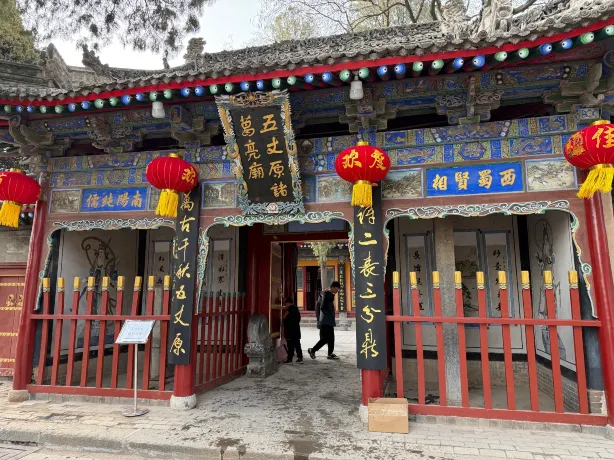
Wuzhangyuan in Qishan was the final resting place of Zhuge Liang's life. In the autumn of 234 AD, Zhuge Liang, the Prime Minister of Shu Han, led his army on a northern expedition, stationing his troops here to confront Sima Yi across the Wei River. Ultimately, he "died before achieving his goal," forever freezing the last moments of his life on this loess plateau. The Zhuge Liang Temple at Wuzhangyuan was first built in the Yuan Dynasty, and most of the existing buildings are from the Qing Dynasty. Its most unique layout is that the entire structure faces north, backed by the majestic Qinling Mountains and facing the surging Wei River, symbolizing Zhuge Liang's unfulfilled ambition to "pacify the Central Plains."

Wuzhangyuan Zhuge Liang Temple

user-avatar
M35***1823 November 2026
5.0
This time, I chose the in-depth explanation of the Terracotta Warriors by Xuan Niao expert, and the experience exceeded my expectations! The guide, Xiang Rong, was exceptionally professional and meticulous, explaining the archaeological details in detail and providing a thorough explanation of the history and craftsmanship of the Terracotta Warriors. He patiently answered all my questions. He even helped me find good photo spots and avoid crowds, showing great thoughtfulness and consideration. The entire experience was relaxed and comfortable, making it a truly worthwhile trip.

Emperor Qinshihuang's Mausoleum Site Museum

Trip Moments in Fufeng County

Popular cities near Fufeng County

Frequently asked questions

You can give [Empress Wu's grand feast] Xi'an Datang Empress Wu's grand feast [Panoramic immersive ancient palace dining show] and Daming Palace Banquet: A Journey Back to the Golden Age of Tang - Immersive Tang Culture Dining Show with Optional Hanfu Costume and Makeup a try. Before you go, please check their opening hours and menus online. Reservations are recommended, especially during peak hours.

When choosing a tour, start with how much time you have and the kind of experience you're looking for. Trending options right now include Xi'an Famen Temple + Qianling Mausoleum + Maoling Mausoleum One-Day Tour (Including Entrance Fees) - Family Group Tour, [Optional 8-person premium small group tour] Famen Temple + Qianling Mausoleum 1-day tour | admission ticket + round-trip transportation + wireless headset, and Xi'an | Famen Cultural Scenic Spot + Qianling Mausoleum + Maoling Museum 1-day tour | private tour 5-14 seats. Check the real-time availability and itinerary before you book.

As of 25 November 2026, the reference price for day tours and activities in Fufeng County is around JPY 7,999 – JPY 49,368. Rates vary by duration, group size, transport, tickets, meals, and any special admission requirements. Before you book, please confirm the billing currency and whether the price is quoted per person or per group.

Get help anytime, anywhere within 30 secondsContact customer support

Change and cancellation policies vary by attractions and tours. Please check the product details page for more information.

Ticket prices may vary between weekdays and weekends, as well as during peak and off-peak seasons. When booking with Trip.com, you can also use Trip Coins to get extra savings. For more tips on booking discounted tickets, please visit Trip.com for the latest information.