
1 / 7

Mentioned in this post
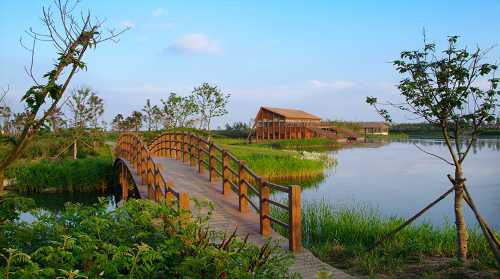
4.2/52343 reviews | Natural scenery
Shanghai
-10%
THB 224.05
THB 201.65
Details
Show more
Popular Trip Moments
🏮🚣No need to go all the way to Suzhou! Qibao Ancient Town is directly accessible by subway, and the stunning night view of this water town is breathtaking! 🚣🏮 | One Michelin star, Shanghai Renhe Restaurant is an absolute must-try! | You absolutely MUST go to the Bund in Shanghai! | The autumn colors of Qingxi Countryside Park | Colorful Lane next to Shanghai LEGOLAND|Christmas Ice and Snow Season Atmosphere is Full | Waldorf Astoria Hotel~ | 12.3 Lu Xun Park Autumn Progress 100% (with photo spots) | Shanghai | Ye Family Garden | Discovered! A hidden gem in the magic city district where you can have an entire ginkgo tree all to yourself! | Shanghai - Tianzhu Mountain Hiking 1.5-Day Guide West Entry East Exit Route | 11 Must-Visit Photo Spots at Shanghai Bund! No Backtracking | Watching Zootopia and encountering the most photogenic cinema in Fuzhou | One-Day Tour of Shanghai Botanical Garden | Dishui Lake Guide (Including Fireworks, Parking, Routes, and Location Maps) | Hotel snapshot of an Instagram-style sofa corner | The maple leaves in Shanghai are already next level! Includes photo spot routes | Modern style hotel must-stay list | A Dream of Old Shanghai | Shanghai International Hotel | The ginkgo trees on Jumen Road are turning yellow as of December 5th!! | Coming to Taizhou and becoming a washed coffee bean | Who understands! The autumn emo was healed by this autumn red mist | Yushan Square Pagoda Garden|800-Year-Old Ginkgo|Best Viewing Period | The best photo spots in Shanghai are all free Christmas stripes new pop-up | 12.2 Yuyuan Garden Light Show Live: A Thousand-Year-Old Jiangnan Dream in One Glance | Beautiful Photo Locations in Shanghai (Part 2) | Shanghai Lu Xun Park|Autumn Exclusive! A Stunning Date with Red Leaves and Warm Sunshine | Hidden in Jinshan! The slow pace of life in Shanyang Countryside is perfect for staying in | December 4th live shot! The ginkgo trees at Baoguo Temple in Qingpu, full of Zen atmosphere! | Checking in at the healing time of the ancient pagoda at Xilin Zen Temple in Shanghai on 25.12.08
Recommended Attractions at Popular Destinations
Popular Attractions in Bangkok | Popular Attractions in Manila | Popular Attractions in Tokyo | Popular Attractions in Taipei | Popular Attractions in Hong Kong | Popular Attractions in Seoul | Popular Attractions in Kuala Lumpur | Popular Attractions in Los Angeles | Popular Attractions in Shanghai | Popular Attractions in New York | Popular Attractions in Shenzhen | Popular Attractions in Osaka | Popular Attractions in Singapore | Popular Attractions in London | Popular Attractions in Guangzhou | Popular Attractions in San Francisco | Popular Attractions in Beijing | Popular Attractions in Macau | Popular Attractions in Bali | Popular Attractions in Jakarta | Popular Attractions in Paris | Popular Attractions in Ho Chi Minh City | Popular Attractions in Istanbul | Popular Attractions in Phuket | Popular Attractions in Chicago | Popular Attractions in Seattle | Popular Attractions in Toronto | Popular Attractions in Orlando | Popular Attractions in Cebu | Popular Attractions in Chiang Mai
Popular Attractions
The Shi Kefa Museum | Dalianwan Fort | Yangzhou Shuangbo Museum | Hengshan Mountain College | Zhanqiao Park | Maoshan Mountain Scenic Area | Nanshan Scenic Area | Zhongshan Park | Quyuanfenghe (Breeze-Rustled Lotus In Quyuan Garden) | Nine Creeks in the Misty Forest | Window of the World | Xiaomeisha Resort | Riyue Bay | Nanyan Bay | Poh San Teng Temple | Venice Beach Cable Park | Casa Grande Military Reservoir | Masjid Noor | Porta do Vento | Abiko Park | St Jude Thaddeus Roman Catholic Church | Wat Chamae | Bhole Baba Mandir | Queen Mother Pond | The Place to Which Confucius Climbed to Command a Broad View | Nantian Gate | Azure Cloud Temple | Duanqiao Canxue
Popular Restaurants in Shanghai
Summer Palace | The Kitchen Table | YI LONG COURT | Jin Xuan Chinese Restaurant | LE COMPTOIR DE PIERRE GAGNAIRE | Mr & Mrs Bund by Paul Pairet | STONESAL | DA VITTORIO SHANGHAI | Jean Georges | Elements | Da Ivo | LUNETTE BY AMANDA | Taian Table | Mei LongZhen Restaurant (Main Branch) | Calypso Restaurant & Lounge | Regent Shanghai on The Bund · JIN LIN | PHÉNIX | 南苑·铁板烧 | 8½ Otto e Mezzo BOMBANA Shanghai | Scena di Angelo | T’ANG COURT | The MEAT (Kerry Hotel Pudong) | Las Tapas(SiNan GongGuan) | Tsuru | JinRi Niu Shi | MOOSE RESTAURANT & BAR | Westfield Villa | Zhuang Shi LongXing Xiao LongXia MianGuan (WaiTan) | Flair Rooftop Restaurant & Bar | Maison Lameloise SHANGHAI
Popular Ranked Lists
Popular Best Things to Do in Zhijiang | Popular Premium Hotels in Suffolk Park | Top 10 Best Things to Do in Zhuzhou | Popular Premium Hotels in Pokolbin | Popular Best Things to Do in Yangjiang | Top 20 Must-Visit Restaurants in Siem Reap | Popular Premium Hotels in Shan | Popular Best Things to Do in Heyuan | Top 50 Must-Visit Restaurants in Nan'ao | Top 20 Best Things to Do in Christchurch | Top 50 Must-Visit Restaurants in Cebu | Top 50 Must-Visit Restaurants in Liuzhou | Popular Premium Hotels in Mito | Top 20 Best Things to Do in Nice | Top 50 Must-Visit Restaurants in Changzhou | Top 10 Best Things to Do in Nagasaki | Popular Premium Hotels in Chechen Republic | Top 10 Best Things to Do in Kamakura | Top 10 Luxury Hotels near Palmerston North | Top 20 Must-Visit Restaurants in Qingyuan | Top 50 Must-Visit Restaurants in Perth | Top 50 Must-Visit Restaurants in Queenstown | Top 50 Must-Visit Restaurants in Jakarta | Popular Best Things to Do in Fushun | Popular Best Things to Do in Xinhua | Top 50 Must-Visit Restaurants in Shangri-La | Top 50 Must-Visit Restaurants in Yantai | Popular Best Things to Do in Xinyang | Popular Premium Hotels in Taunggyi | Top 50 Luxury Hotels near New Haven
About
Payment methods
Our partners
Copyright © 2025 Trip.com Travel Singapore Pte. Ltd. All rights reserved
Site Operator: Trip.com Travel Singapore Pte. Ltd.
Site Operator: Trip.com Travel Singapore Pte. Ltd.