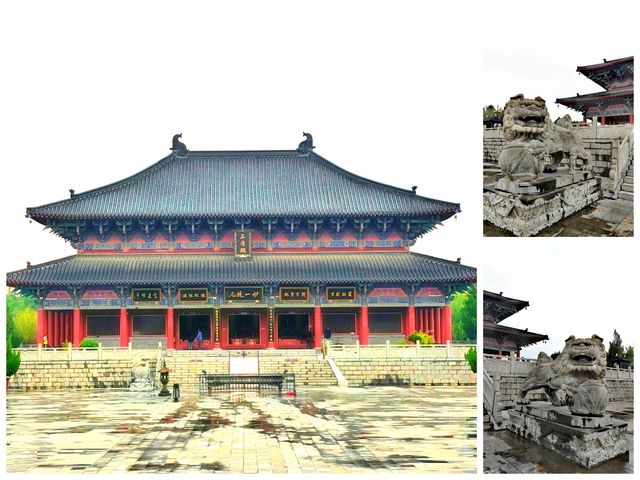
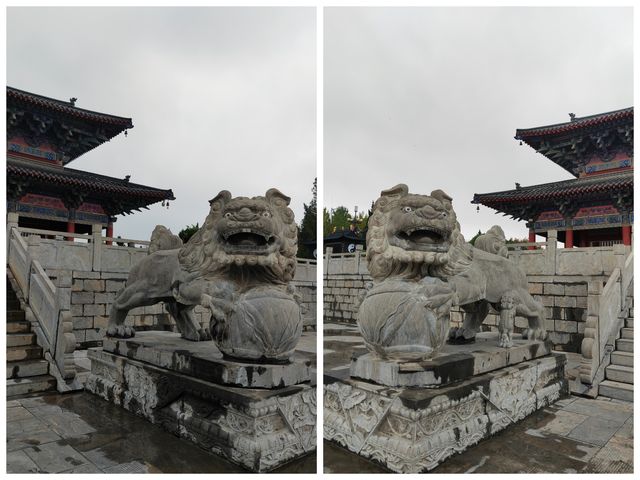
1 / 6
Mentioned in this post
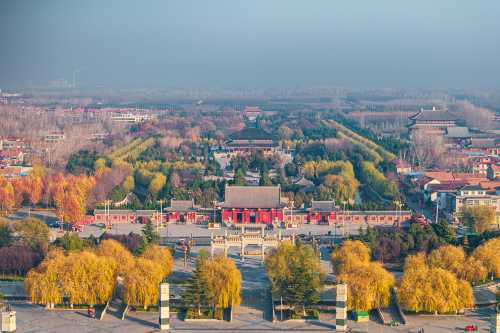
4.3/5392 reviews | Historic buildings
Luyi

-83%
SGD 10.98
SGD 1.83
Details
Show more
Popular Trip Moments
Exploring the Hometown of Laozi|Luyi Taiqing Palace, a Millennium-Engraved Taoist Epic | This hotel in Luyi is full of a sense of technology! | Asia's Largest Table Mountain Wawu Mountain Sea of Clouds Complete Guide – Stunning Even Without Snow | Unveiling the "Cultural Treasure" of Central China — Zhoukou! This guide lets you have an amazing time in one go | New hotspot! Experience a time-travel blockbuster at the Luyi Hotel | This time we discovered a treasure-level Chinese-style hotel | Five Days and Four Nights Travel Guide for Zhoukou City | Two-Day Travel Guide for Zhoukou | Free check-in at Laoshan Shenqing Palace! A millennium of heritage + top autumn red leaves | Henan Province Zhoukou City Travel Guide | 3-Day Tour in Zhoukou | Classic Combo of Taihao Mausoleum and Guan Di Temple・Suitable for All Groups | 3-Day Tour in Zhoukou | Classic Combo of Taihao Mausoleum and Guan Di Temple・Suitable for All Groups | Luyi Moshan Qingya Guochao Hotel is so beautiful! | Three days and two nights in Zhoukou in July! An insanely powerful divine-level guide is here | The Pearl of Eastern Henan · Charming Zhoukou | Where 3000 Years of History Meets Natural Wonders! | Henan Zhoukou | April-May Off-Season is Truly Wonderful with Few Tourists and Beautiful Scenery | Encountering Luoyang: A Poetic Stay at Moshang Qingya Hotel | Yongan Temple | Guohe Provincial Wetland Park | Laozi Cultural Museum | Taiqing Palace. National Key Cultural Relics Protection Unit | Warm up this winter! Enjoy tea by the fire and a traditional Chinese cultural experience | National Key Cultural Relics Protection Unit - Luyi Taiqing Palace Ruins!!! | Zhoukou Luyi | Feel the shock of history in the hometown of Laozi!!! | "Laozi's Hometown, Mingdao Palace: Experience the Wisdom of Taoism" | Visit Taiqing Palace and experience the charm of Taoist culture and the profound charm of Laozi culture. | Henan Zhoukou Luyi Laozi's Hometown | Experience Taoist Culture. | The Laojun Platform revealed its divine presence, as the Japanese soldiers' shells fired one dud after another | Luoyi, Zhoukou, Henan - Taiqing Palace
Recommended Attractions at Popular Destinations
Popular Attractions in Bangkok | Popular Attractions in Manila | Popular Attractions in Tokyo | Popular Attractions in Taipei | Popular Attractions in Hong Kong | Popular Attractions in Seoul | Popular Attractions in Kuala Lumpur | Popular Attractions in Los Angeles | Popular Attractions in Shanghai | Popular Attractions in New York | Popular Attractions in Shenzhen | Popular Attractions in Osaka | Popular Attractions in Singapore | Popular Attractions in London | Popular Attractions in Guangzhou | Popular Attractions in San Francisco | Popular Attractions in Beijing | Popular Attractions in Macau | Popular Attractions in Bali | Popular Attractions in Jakarta | Popular Attractions in Paris | Popular Attractions in Ho Chi Minh City | Popular Attractions in Istanbul | Popular Attractions in Phuket | Popular Attractions in Chicago | Popular Attractions in Seattle | Popular Attractions in Toronto | Popular Attractions in Orlando | Popular Attractions in Cebu | Popular Attractions in Chiang Mai
Popular Attractions
Nantian Gate | Azure Cloud Temple | Pu Zhao Temple | Eighteen Twistings | Leifeng Tower | Nanping Evening Bell | Viewing Fish at Flower Harbor | Daguan Peak | Sky Candle Peak | Heilong Pool | Fanziya | Lingyin Temple | Qiantang River | Houshi Dock | Doumu Palace | Leiqiong Global Geopark | Dr. Sun Yat Sen Memorial House in Macau | A-Ma Temple | Kun Iam Temple | Wuyi Palace | Paradise Ranch | Bismarck Tower in Szczecin | Sevier Park | Hanuman Mandir | Altenbeah Mosque | Böda hembygdsförening | Louis Trichardt Town Masjid مسجد | Salida laguna bioluminiscente | Ilsesee | Schloss Eisfeld
Popular Restaurants in Luyi
维也纳国际酒店(鹿邑客运西站店)·多功能餐厅 | 笪记粥屋(健康街店) | ZHI PIN SHANG SHANG TU DOU FEN | MO LI CAN TING | Fushengyuan Cake (xiguan) | 小龙坎火锅(鹿邑谷阳路店) | 袁记串串香(鸣鹿路店) | N多寿司(鹿邑店) | XIN YANG XIAO GUAN ZI | REN MIN GONG SHE DA SHI TANG | CAI LAO DA JI JI LIE GU YANG LU DIAN | 一家亲鲜虾坊(鹿邑店) | 偶吧紫菜包饭(文化路店) | 红跑车时尚烘焙(紫气大道店) | 前进烩面馆(卫真路店) | 麦立美(试量镇店) | 提拉米酥(河南鹿邑店) | 福圣园蛋糕(新四小店) | 蜜之源臻品馆(老一高店) | 重庆石锅鱼(仙台路店) | 蜜之源(鸣鹿路店) | 蜜之源(真源大道店) | YU YANG XIAN | Maixiangcun | 齐祺渔锅(鹿邑店) | 家家乐超市(鹿辛南路店) | LAO YU WENG KAO QUAN YU | FU JIAN SHA XIAN XIAO CHI | CHONG QING JI GONG BAO | 和平烙馍村(鹿邑店)
Popular Ranked Lists
Popular Premium Hotels in Matsumoto | Top 50 Must-Visit Restaurants in Chaozhou | Top 50 Must-Visit Restaurants in Dalat | Top 10 Best Things to Do in Siem Reap | Popular Best Things to Do in Yuyao | Top 50 Must-Visit Restaurants in Singapore | Popular Luxury Hotels in Jozankei Onsen | Popular Best Things to Do in Renhua | Popular Best Things to Do in Taoyuan | Top 50 Luxury Hotels near Khlong Thom | Top 20 Best Things to Do in Reykjavik | Top 10 Luxury Hotels in Riviera Maya | Top 50 Must-Visit Restaurants in Sydney | Top 50 Must-Visit Restaurants in Munich | Top 50 Must-Visit Restaurants in Bruges | Top 50 Must-Visit Restaurants in Kyoto | Top 50 Must-Visit Restaurants in Santorini | Popular Luxury Hotels in Lotschental | Popular Premium Hotels in Torreon | Top 50 Must-Visit Restaurants in Kuala Lumpur | Popular Premium Hotels in Celal Bayar Mahallesi | Popular Premium Hotels in Lazio Coast | Popular Premium Hotels in Calanques National Park | Top 50 Best Things to Do in Kyoto | Top 10 Local Restaurants in Lushan Global Geopark | Popular Premium Hotels in Langzhong Ancient Town | Top 50 Best Things to Do in Osaka | Popular Premium Hotels in Ningming | Top 50 Best Things to Do in Venice | Popular Premium Hotels in Kumano
About
Payment methods
Our partners
Copyright © 2025 Trip.com Travel Singapore Pte. Ltd. All rights reserved
Site Operator: Trip.com Travel Singapore Pte. Ltd.
Site Operator: Trip.com Travel Singapore Pte. Ltd.