Photos
Istanbul
View Local Experiences on Map


Trip.Best: Istanbul
View More




Istanbul Travel Guide
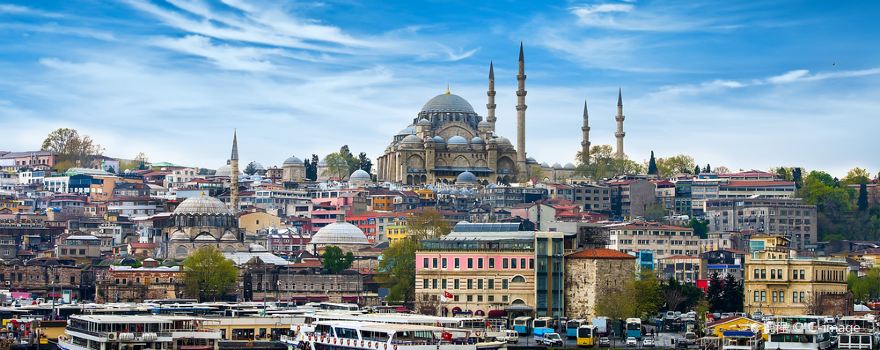
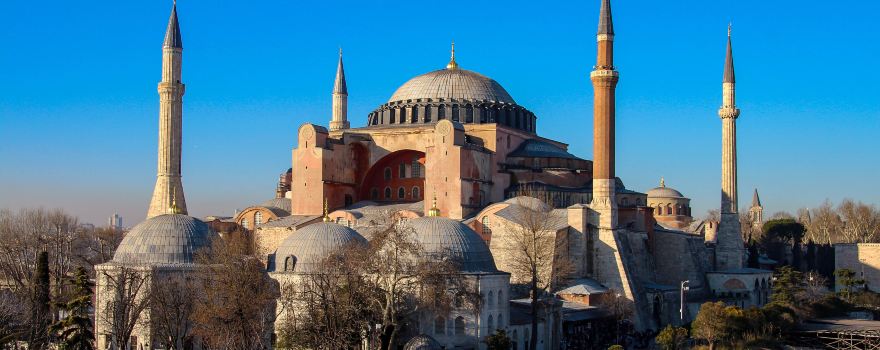
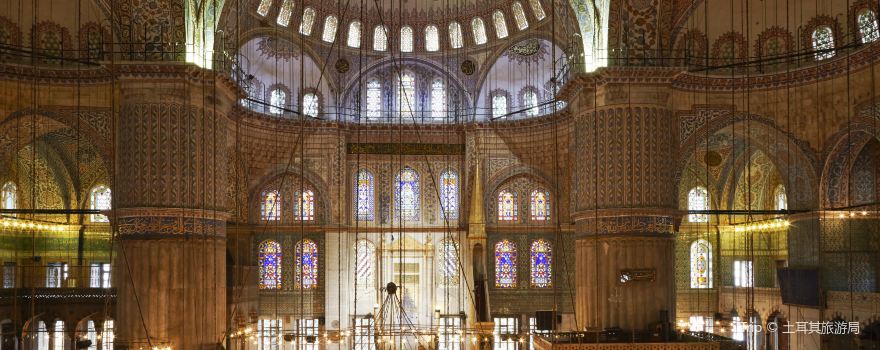
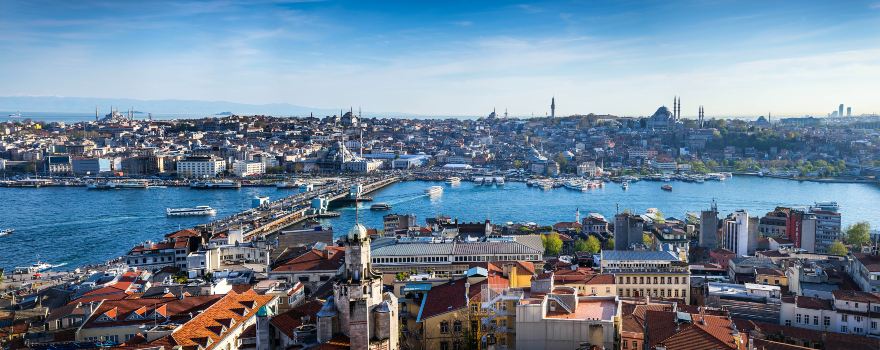
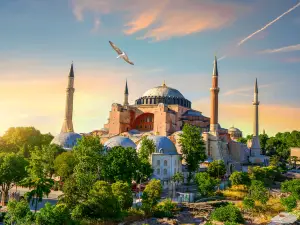
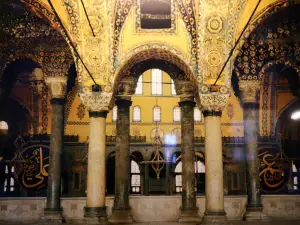
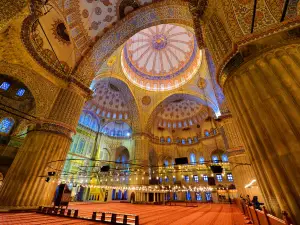
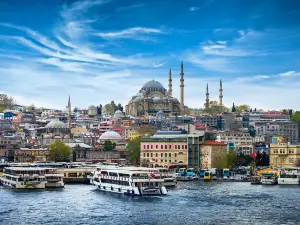
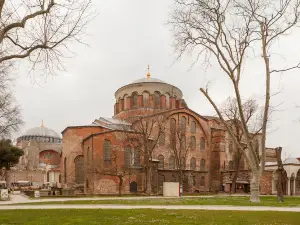
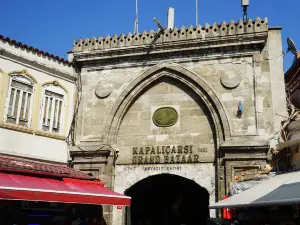
As a city that cradles both Asian and European cultures, Istanbul has innumerable stories to count. Sitting at the throat of the Bosphorus Strait, this city is at the confluence of eastern and western culture. Previously, three ancient empires—the Romans, Byzantines, and Ottomans—made this their capital city, previously known as Constantinople and Byzantium. An abundance of ancient relics and structures each culture left behind have been preserved. In the old Sultanahmet District you can see magnificent Blue Mosque and, in the same visit, go to the nearby Hagia Sophia—a Greek Orthodox church that became a mosque and is now a museum)—and the Ottoman-era Topkapı Palace. The century-old Grand Bazaar is a spectacle not to be missed. The goods inside are dazzling to behold and it is a good place to buy souvenirs.
Show Less
- Useful Info
- Transport
- Best Time to Visit
- Unique Experiences
- Clear 19 - 28℃

Istanbul Travel Guide
Destination Overview
Useful Information
Other
Destination Introduction
As a city that cradles both Asian and European cultures, Istanbul has innumerable stories to count. Sitting at the throat of the Bosphorus Strait, this city is at the confluence of eastern and western culture. Previously, three ancient empires—the Romans, Byzantines, and Ottomans—made this their capital city, previously known as Constantinople and Byzantium. An abundance of ancient relics and structures each culture left behind have been preserved. In the old Sultanahmet District you can see magnificent Blue Mosque and, in the same visit, go to the nearby Hagia Sophia—a Greek Orthodox church that became a mosque and is now a museum)—and the Ottoman-era Topkapı Palace. The century-old Grand Bazaar is a spectacle not to be missed. The goods inside are dazzling to behold and it is a good place to buy souvenirs.
Show Less
Unique Experiences
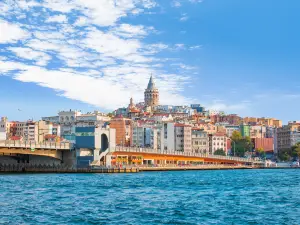
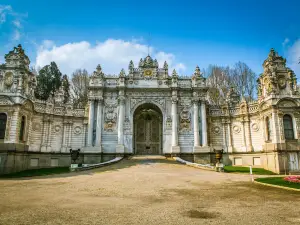
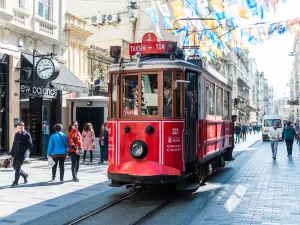
Cruise along the Bosporus Straits and you will have the mystical experience of having Europe on your left and Asia on your right. Treasure hunting at the ancient Islamic minarets, enjoying the sights of antiquated trams passing by, and visit the Dolmabahce sultan palace to witness the splendor and glory of the Ottoman Empire of old. Landmarks not to be missed are the Hagia Sophia Ayasofya (Church of Divine Wisdom) built during the 6th century and Sultanahmet Mosque, one of the most magnificent buildings in Turkey. In the afternoon, you could chill out at a cafe and savor Turkish Red Tea and Turkish Coffee Divination. In bustling and yet ancient Istanbul, every inch of land seems like a historical poem and you will love it if you are there.
Show Less
Transport
Flights: Istanbul is located between the European and Asian continents and as such its airport is important as a transit terminal and many countries have direct flights to it. Currently, Istanbul has 3 international airports; Ataturk International Airport which caters to the flights from Europe; Sabe Koz Thain airport for Latin America and Asian flights, and Istanbul Ataturk Airport for cargo freight.
Show Less
Best Time to Visit
Istanbul has a Mediterranean climate with its hot and dry summer, and warm and rainy winter. From April to October is the peak tourist season of which the spring in April and May and autumn from September to October are warm and comfortable and there is big day and night temperature difference. When taking a cruise though the Bosporus Straits, do take note to put on extra clothing as the sea breeze could get rather chilly. The weather turns hot from June to August and it is the best timing to hit the beach. Winter in Istanbul is from November to March and bringing warmer clothing along is advisable.
Show Less
Useful Info
Language
Turkish
Time Zone
UTC +3
Peak Season
April- October
Currency
Turkish Lira
Emergency Phone Numbers
Police:155,Fire:110,Ambulance:112
Weather
℃ | ℉
Today
31 May, 2024
19
°
Clear
19-28℃
1 Jun, 2024

Clear
31℃/20℃
2 Jun, 2024
Clear
31℃/20℃
3 Jun, 2024
Clear
32℃/20℃
4 Jun, 2024
Mostly clear
33℃/21℃
5 Jun, 2024

Intermittent clouds
28℃/20℃
31 May, 2024 IstanbulWeather:Clear.Northeasterly wind:0–10 km/hour.Humidity:40%.Sunrise/Sunset:05:34/20:30
IstanbulDriving:Suitable.Running:Good
Show Less
Experience Istanbul
What to Do
Looking for things to do in Istanbul? We provide up-to-date info on everything from must-see scenic spots to local hangouts.
View More
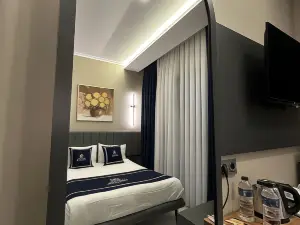
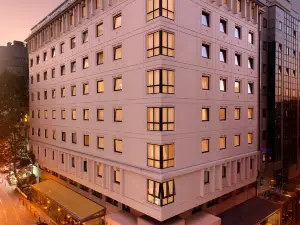
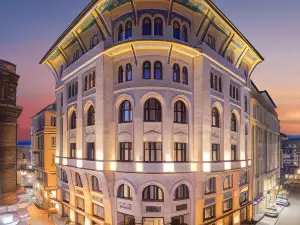
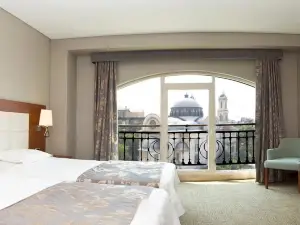
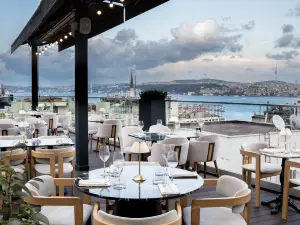
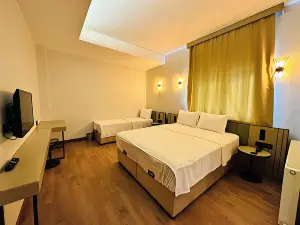
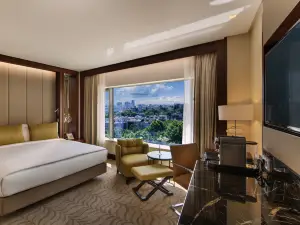
Where to Stay
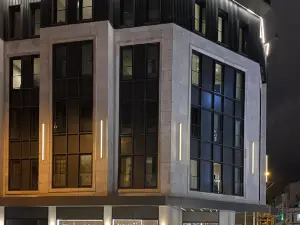
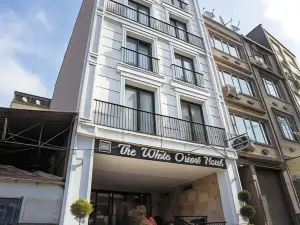
Discover the most popular places to stay in Istanbul, complete with recommendations from fellow travelers and special hotel offers
View More


What to Eat
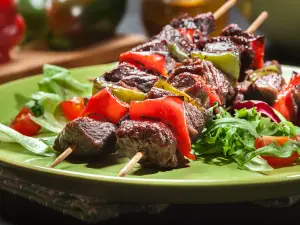
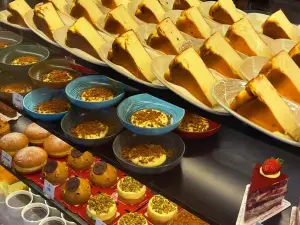
Want to eat like a local? Don't miss out on these top Istanbul dishes and foodie spots.
View More

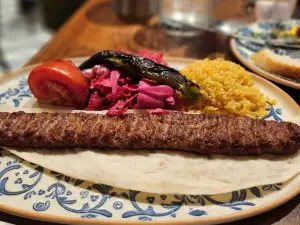
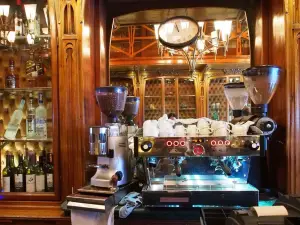
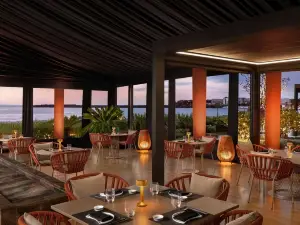
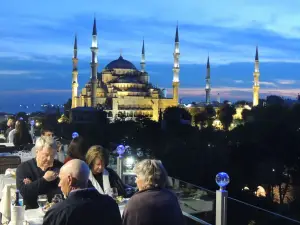
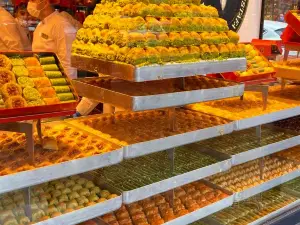
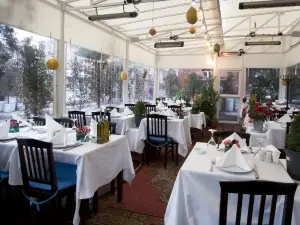
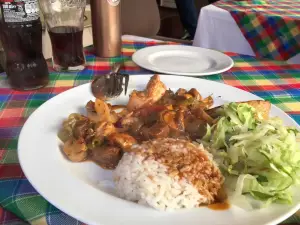
Tarihi Sultanahmet Koftecisi Selim Usta
4.4/549 Reviews
Avg. NZD20/person
"Western-style"
"Famous Restaurants"
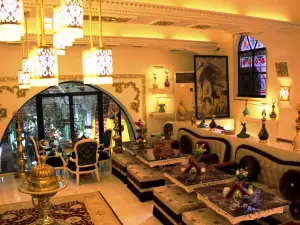

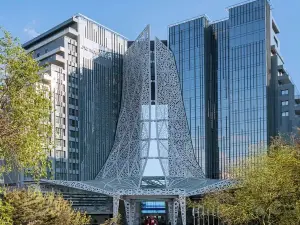
Discover the Real Istanbul With a Local Expert
Post
#Recommended
#istanbul
#turkey
#mytripvlog
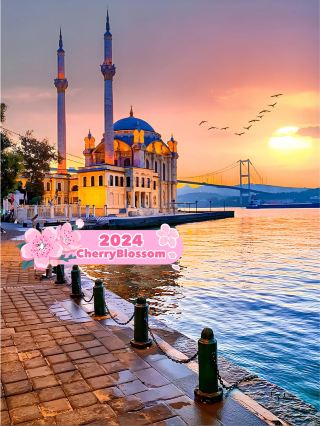
cherryblossom2024
Istanbul Truly Romantic 🌸🇹🇷

Hazi K
9
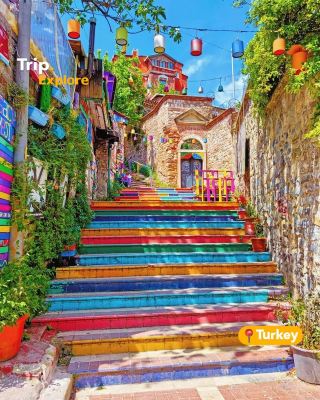
Get to know Balat

VisitEurope
85
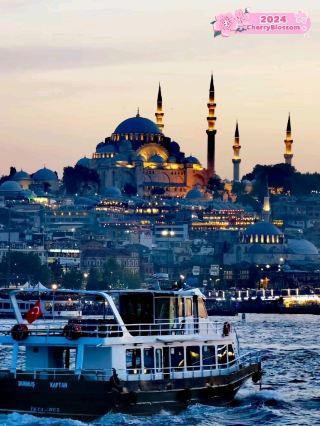
cherryblossom2024
Unforgettable Experience in Turkey 🇹🇷

Sadia_N
5
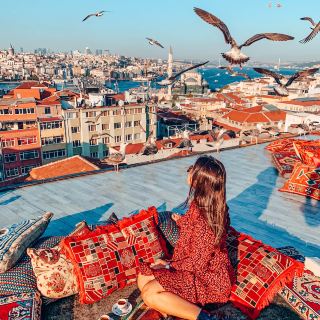
sunset
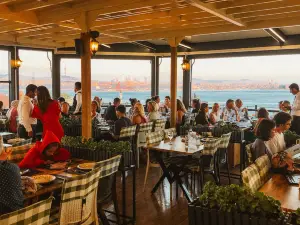
Best rooftop in Istanbul

TakeMyHeartEverywhere
15
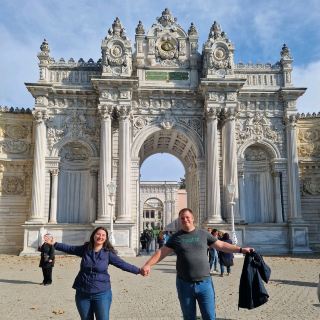
valentinescape
Love is in the air ... in Istanbul

Checkinaway (@checkinawayblog)
1
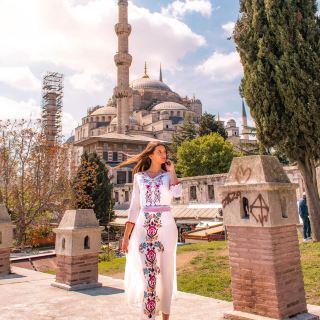
turkey
8 places to visit in Istanbul 🇹🇷

Voyagefox_
17
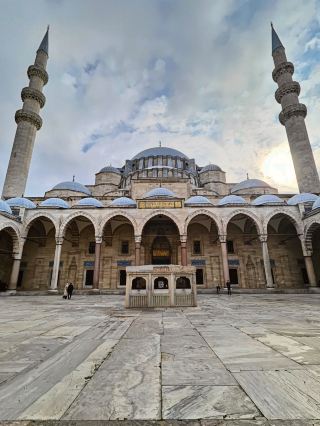
Süleymaniye Mosque from Inside and from Outside

v.torio
7
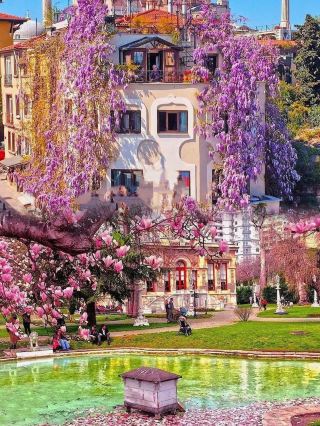
Turkey-Istanbul

AdventurousSoul
16
View More
More Ways to Enjoy Istanbul
Top 20 Premium Hotels in Istanbul
View More
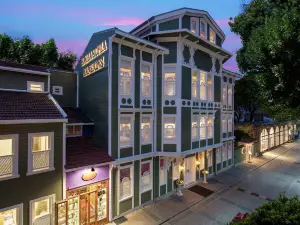
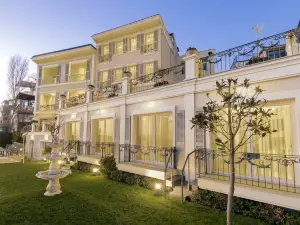
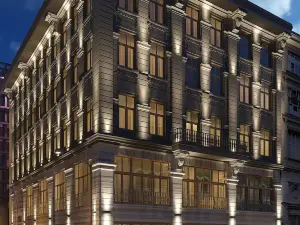


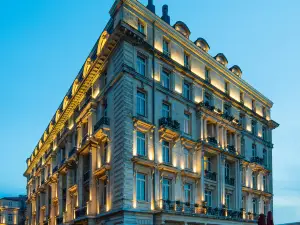
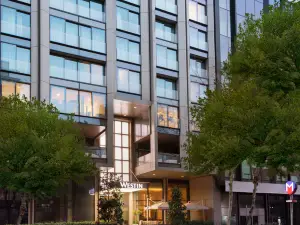



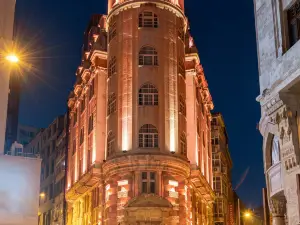
Top 20 4-star Select Hotels in Istanbul
View More
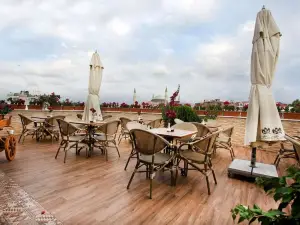
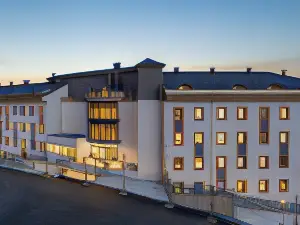
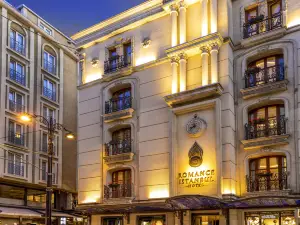
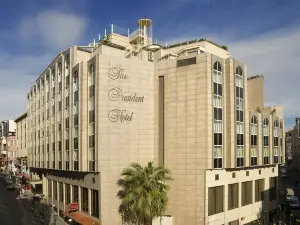
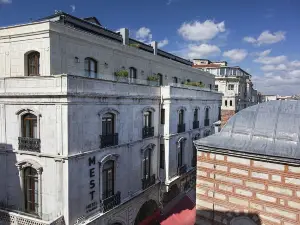
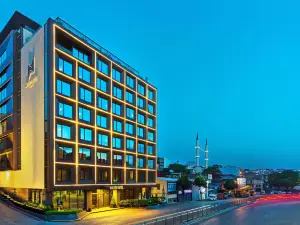
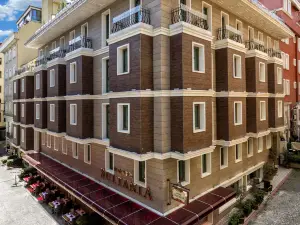
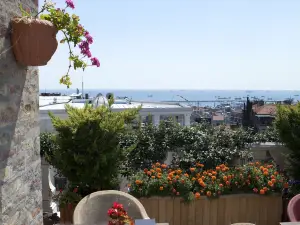
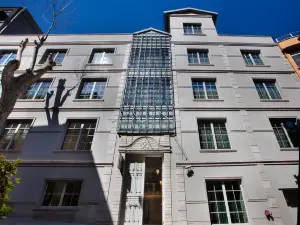
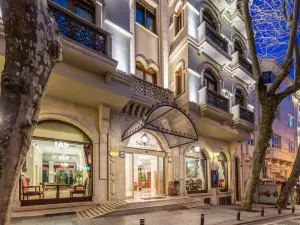
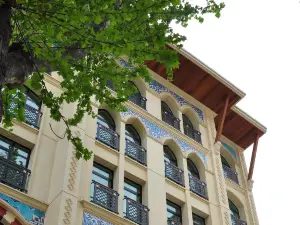
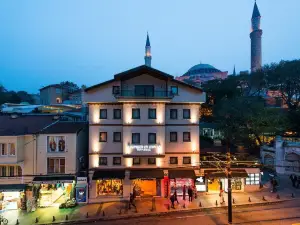
Popular Premium Hotels Near Istanbul
View More
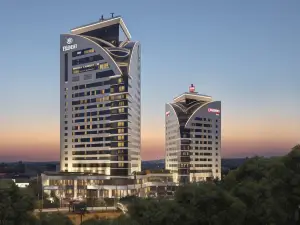

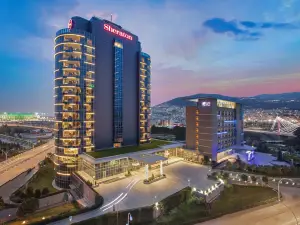
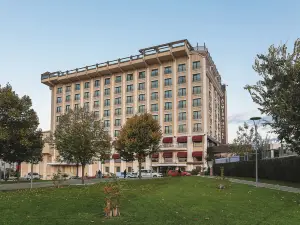
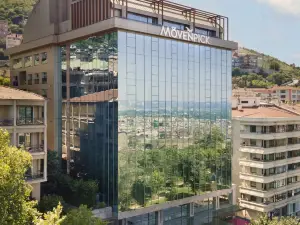
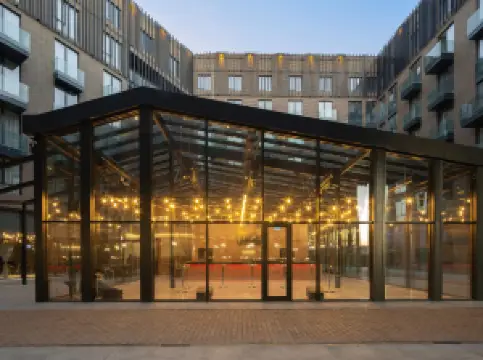




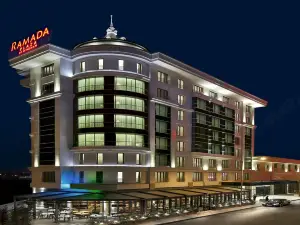

Popular 4-star Select Hotels Near Istanbul
View More


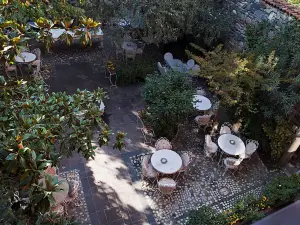
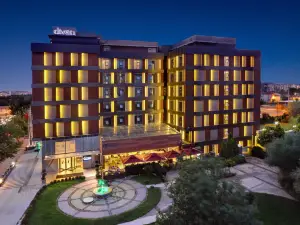
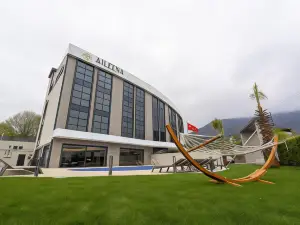
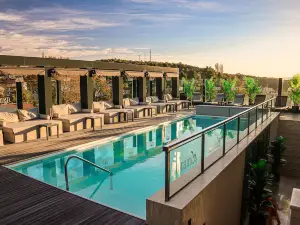



Other Recommended Cities
Antalya
Izmir
Ankara

Pamukkale
Popular Types of Attractions in Istanbul
Parks | City Parks | Botanical Gardens | Zoos | Exhibition Centers | Museums | Art Galleries | Art Museums | Architecture & Landmarks | Gardens | Monuments | Historical Architectures | Nature | Forests | Beaches | Nature Reserves | Fitness | Stadiums | Soccer Fields | Tennis Courts | Religious Sites | Churches and Cathedrals | Mosques | Other Places of Worship | Historic Sites | Historical Sites | Castles | Cemeteries | Popular Spots | Lifestyle
Popular Attractions in Istanbul
Mevlana Cami | PTT Museum | Kamondo Stairs | Serpent Column | Pertevniyal Valide Sultan Mosque | Eyüp Sultan Mosque | Borusan Contemporary | Eyup | Beyoglu Uc Horan Armenian Church | Yeniköy synagogue | Pinar Mosque | Nisanci Mehmet Pasa Cami | Bostancı Amusement Park | Gozdag Estate Park | Bosphorus | Artium Sanat Evi | Rainbow Stairs | Casa Del Arte | Pabetland Sanat Galerisi | City Museum | Red Art İstanbul | Kemerdere Halısaha | Süleymaniye Salis Medresesi | Bahçelievler Belediyesi Piknik alanı | Serenad Galata Butik | SANCAK TEPE OSMANGAZİ MOSQUE | Vadistanbul Mosque | Ocean Club Fitness & Spa | İBB Şehir Tiyatroları Musahipzade Celâl Sahnesi | Gonca Parkı
Popular Ranked Lists
Popular Luxury Hotels Near Ninh Nhat | Popular Premium Hotels in Ayers Cliff | Top 11 Fine Dining in Istanbul | Popular Family-friendly Attractions Near Julu | Popular Family-friendly Attractions Near Jinggangshan | Top 7 Bars in Cancun | Popular Family-friendly Attractions Near Qiu County | Popular Family-friendly Attractions Near Manzhouli | Top 10 Jiangzhe Cuisine Restaurants in Anji | Popular Luxury Hotels Near South Boston | Popular Family-friendly Attractions Near Liangcheng | Popular Family-friendly Attractions Near Baixiang | Popular Luxury Hotels Near Anjuna | Popular Premium Hotels Near Lincoln | Top 4 Fine Dining in Hefei | Popular Family-friendly Attractions Near Yonghe | Popular Fine Dining in New York | Popular Family-friendly Attractions Near Shilou | Top 9 Fine Dining in Budapest | Popular Family-friendly Attractions Near Zhanjiang | Popular Family-friendly Attractions Near Yingshan | Popular Luxury Hotels Near Kalutara | Top 6 Fine Dining in Zhuhai | Top 14 Fine Dining in Nagoya | Top 15 Fine Dining in Venice | Popular Family-friendly Attractions Near Shenzhou | Popular Family-friendly Attractions Near Fenglin County | Popular Family-friendly Attractions Near Linxia Prefecture | Popular Family-friendly Attractions Near Tongren
Popular Restaurants in Istanbul
Guney Restaurant | Akira Back | Mandabatmaz | Saray Muhallebicisi | 360 Istanbul | Scalini Restaurant | Ceres | Atölye Restaurant | Hafız Mustafa | Havuzlu Restaurant | Balikci Sabahattin | Mikla Restaurant | Adora Restaurant | Seven Hills Restaurant | Nusr-Et Maçka Palas | Nobu Istanbul | Tarihi Sultanahmet Koftecisi Selim Usta | Ocakbasi | Nusr-Et Steakhouse Etiler | Cigdem Pastanesi | Cipriani Istanbul | Pano Wine House | Antakya Restaurant | Pierre Loti Kahvehanesi | Erzincanli Ali Baba | Nicole | Ziya Baba Turk Mutfagi | Beyti | Sultanahmet Fish House, Istanbul Restaurant, Dining | Zubeyir Ocakbasi
Recommended Attractions at Popular Destinations
Bangkok attraction near me | Manila attraction near me | Tokyo attraction near me | Hong Kong attraction near me | Seoul attraction near me | Taipei attraction near me | Los Angeles attraction near me | New York attraction near me | Shanghai attraction near me | Kuala Lumpur attraction near me | Shenzhen attraction near me | Osaka attraction near me | London attraction near me | Singapore attraction near me | Guangzhou attraction near me | San Francisco attraction near me | Beijing attraction near me | Macau attraction near me | Bali attraction near me | Paris attraction near me | Ho Chi Minh City attraction near me | Jakarta attraction near me | Orlando attraction near me | Phuket attraction near me | Chicago attraction near me | Toronto attraction near me | Istanbul attraction near me | Cebu attraction near me | Seattle attraction near me | Dallas attraction near me
Popular Trip Moments
Istanbul's Ultimate Photo Spots Guide. | Cruising the Bosphorus Strait | A Stay in the Heart of Istanbul 🕌🇹🇷 | Romantic Turkey, the Basilica Cistern is still worth a visit | Practical Post: Istanbul Airport Complete Guide (Entry, Currency Exchange, Transportation) | "A City That Will Steal Your Heart" | Keep this nanny-level Turkish travel guide and you won't get lost anywhere | Istanbul's largest gourmet market | Be a 'color enthusiast' in Balat, Istanbul | Glimpses of Rainbow Street | 🌟🕌 Exploring Turkey: A Journey Through History and Beauty 🎈🌍 | anadolu hisari castle | Off-the-beaten-path Free Museum Route in Istanbul | Istanbul—The Basilica Cistern | Topkapi Palace (Museum) - The Topkapi Palace | Tower of Enchantment: Unveiling Istanbul's Hidden Gem | Sultans' Sanctuary: Topkapi Palace | Istanbul citywalk | Arnavutkoy | Istanbul citywalk | Taksim Square | Blue Mosque Istanbul | HOW TO SEE DOLMABAHCE PALACE IN TURKIYE🇹🇷 | 🌟 Unforgettable Stays in Istanbul: Top Hotels to Book! 🏨✈️ | Hagia Sophia in Turkey | 🌟 Istanbul's Top Luxe Stays: A Curated Collection 🌟 | 🌟 Istanbul's Top Stays: Vintage Vibes & Breathtaking Views 🌙✨ | Istanbul Truly Romantic 🌸🇹🇷 | Istanbul: Where History and Modernity Meet 🕌 | The Bosphorus Bridge in Istanbul, Turkey | Emirgan Tulip Gardens | HOW TO SEE “ HAGIA SOPHIA ”
Popular Travel Types
More Things To Do in Istanbul
Eurail Global Train Tickets[Instant discount/Official agent/No ticketing fee/Travel in 33 European countries/E-ticket/No limit on the Frequency of rides] | Europe 33 eSIM|Unlimited 4G/5G High Speed Data | Global (147 Countries) eSIM Day Pass/Data Package (QR Code) | Turkey eSim 3/7/15/30 days (sent via email) by Xplori | One-day tour of Hagia Sophia in Istanbul, Turkey [Chartered Vehicle Self-guided Tour| Can accept urgent orders within the city/across the city | Can choose Chinese/English drivers] | Istanbul Bosphorus Dinner Cruise | One-day tour of the Bosphorus Strait in Istanbul, Turkey [sea cruise ferry sightseeing | check in the Internet celebrity landmarks | experience the luxury double-decker yacht | optional charter] | One-day Bosporus Tour from Istanbul, Türkiye [Cruise Tour 93859] | Bosphorus Dinner & Show Cruise (All Inclusive) | Istanbul Bosphorus Boat Tour and Golden Horn Cruise Day or Sunset | Istanbul: Princes' Islands Day Trip from Istanbul, Car Tour + Lunch | Bosphorus Dinner Cruise in Istanbul with Belly Dancing and Hotel Transfer | SEA LIFE Istanbul: Entry Ticket | Day Cruise on the Bosphorus Strait in Istanbul, Turkey [Bosphorus Dinner Cruise] | Bosphorus Sunset Cruise on Luxury Yacht | 2-Day Cappadocia Tour with Optional Hot Air Balloon Ride | Bosphorus Sunset Sightseeing Yacht Cruise with Refreshments | Pub Crawl Istanbul / Rooftop Parties & Party Bus | Private Edirne Day Trip from Istanbul | Private Transfers Between Istanbul Sabiha Gokcen Ap - Istanbul EU Side Southwest | Pearl's of Turkey - 8 Days | Highlights & Hidden Gems With Locals: Best of Istanbul Private Tour | 7-Days Private Wine Tasting Tour in Turkey | Istanbul Private Transfer - Airports, Cruise Ports and Hotels | One-day tour to the Old Town of Istanbul, Turkey [Group tour, boutique small group, Chinese/English tour guide, different routes available, hotel pick-up] | ANGLE - Istanbul With a Local Photographer | Istanbul Highlights Half-Day Tour | Istanbul Small Group Tour For New City | Must See in Istanbul: Private Full-Day Experience & Local Lunch | Guided Istanbul Tour: Bosphorus Cruise with Dolmabahce Palace Ticket
About
Payment Methods
Our Partners
Copyright © 2024 Trip.com Travel Singapore Pte. Ltd. All rights reserved
Site Operator: Trip.com Travel Singapore Pte. Ltd.
Site Operator: Trip.com Travel Singapore Pte. Ltd.