Shuozhou

Things to do in Shuozhou

Search attractions or local attractions & tours
Search

Explore top experiences

Top 10 attractions in Shuozhou

View all Attractions
Yingxian Wooden Pagoda
No. 3 of Best Things to Do in Shanxi

Yingxian Wooden Pagoda

8.6
4.8/5
26.1k reviews

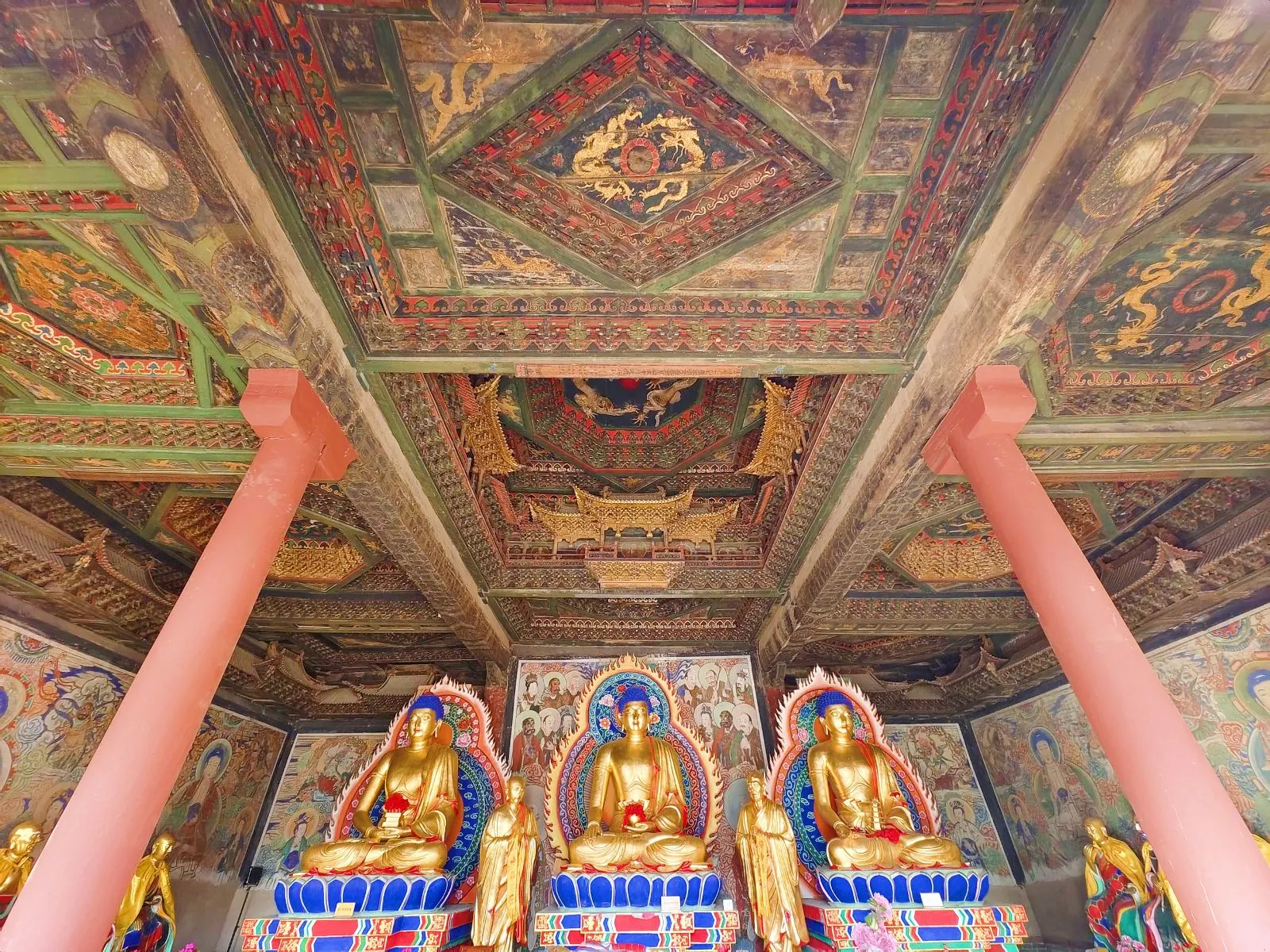
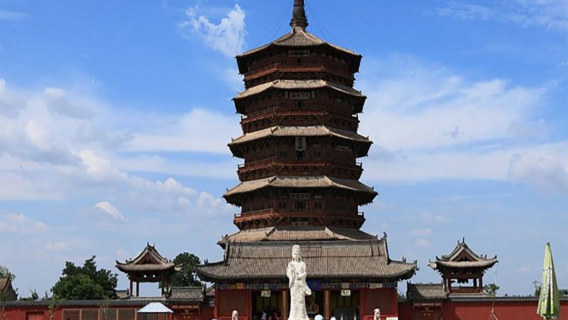
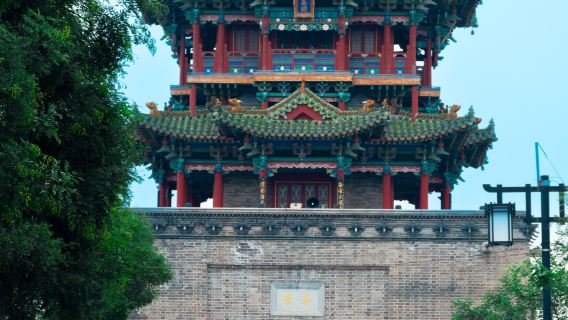
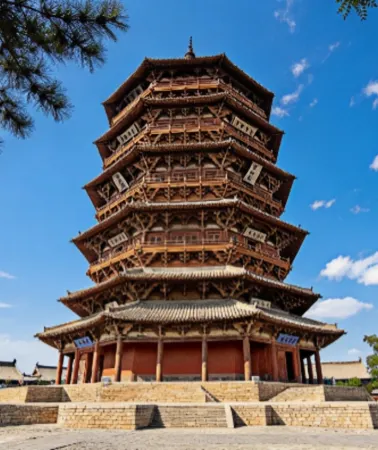
Yingxian Wooden Pagoda is centered on the Sakyamuni Pagoda of Fogong Temple. This pure wooden pavilion-style pagoda was first built in the second year of Qingning of the Liao Dynasty (1056) and later expanded and completed during the Mingchang period of the Jin Dynasty. It is the oldest surviving wooden pagoda in China. The pagoda has five visible stories, with concealed stories inserted between them, making nine stories in total, and stands about 67 m tall. Apart from the stone platform base on the first story, the main body of the pagoda is built entirely of wood, connected using traditional mortise-and-tenon craftsmanship, and the whole pagoda uses more than 50 types of bracket sets, demonstrating exquisite structural design. For more than nine hundred years, the pagoda has withstood many major earthquakes and modern artillery bombardment and still stands today. Due to the need for cultural relic protection, visitors may only visit the first floor inside the pagoda. There is a door on each of the north and south sides of the first floor. In the center of the inner chamber is a seated statue of Shakyamuni about 10 m tall, with a dignified face and a solemn expression. Looking up, you can see the exquisite coffered ceiling at the top. On the walls of the inner chamber are painted six Buddha images of Tathagata, and on the walls on both sides of the doorway are painted Liao Dynasty-style murals featuring Vajra, disciples, and offering figures, with bright colors and lifelike figures. Multiple plaques from various dynasties hang under the eaves of each story of the wooden pagoda, two of which were written by Ming emperors and are particularly striking. Under the south eaves of the fifth story hangs the plaque "Supreme Divine Craftsmanship," written by Zhu Di, Emperor Chengzu of Ming, when he climbed the pagoda during a northern military campaign in the Yongle era; under the south eaves of the fourth story hangs the plaque "Wonder of the World," written by Zhu Houzhao, Emperor Wuzong of Ming, when he ascended the pagoda to feast and reward his ministers after the Yingzhou victory in the Zhengde era. These plaques are not only calligraphic treasures but also record the intersection of the wooden pagoda with historical figures, together with the architecture itself forming a distinctive cultural view of the attraction.

Ying County · 1.7km from downtown
Save €0.27From €6.57
Guangwu Great Wall
No. 1 of Fall Viewing Attractions in Shuozhou

Guangwu Great Wall

4.5
4.8/5
40 reviews

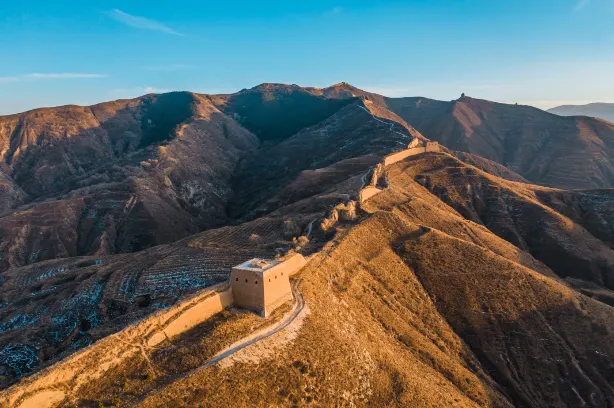
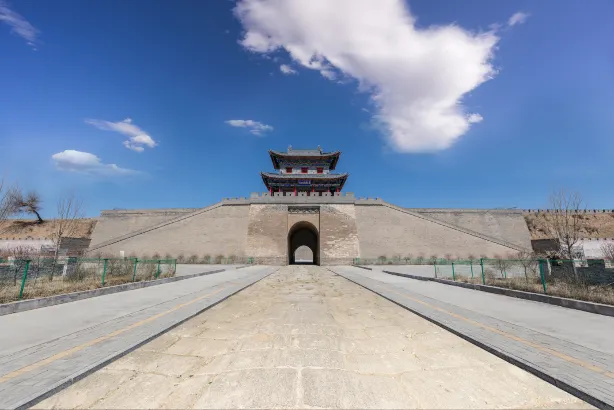
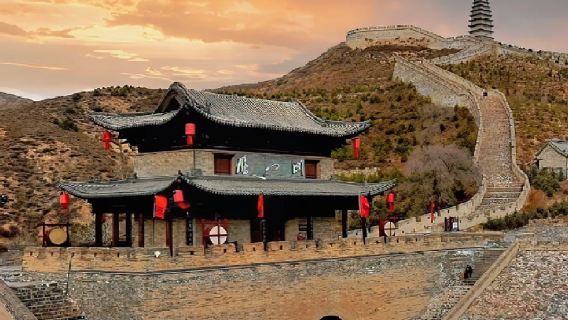
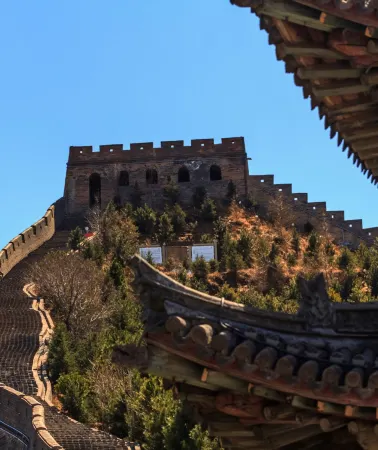
Guangwu Great Wall is part of the Ming Dynasty's inner Great Wall, also known as the Houling Great Wall. It connects to Yanmenguan in the east and overlooks the old city of Ningwu in the west, serving as an important part of the Yanmenguan defense system. This section of the Great Wall was built in the 33rd year of the Wanli reign of the Ming Dynasty (1605) under the supervision of Governor Li Jingyuan. It features a brick-and-stone exterior with a rammed-earth interior, built upon a stone foundation, and is one of the best-preserved brick-clad sections of the Ming Great Wall in China. The Great Wall winds along the mountain ridge, and because some sections resemble sawteeth, it is known locally as the Sawtooth Wall. More than 10 watchtowers are distributed along the route, each with different architectural specifications. Among them, the iconic landmark Moon Gate is a surviving hollow watchtower, named for its archway that resembles a full moon. Moon Gate once collapsed due to strong winds but was later restored to its original appearance through protective measures, and it remains a popular photo spot on this section of the Great Wall. Many watchtower archways are embedded with brick carvings inscribed with the construction date and the names of the officials who supervised the project. Despite hundreds of years of weathering, the inscriptions are still faintly legible. This section of the Great Wall retains its original appearance without large-scale restoration. The brick cladding and rammed-earth remains coexist, and while some bricks were removed by nearby villagers, the remaining walls and battlements appear even more weathered and historic. The hiking route from Baicaokou to Xin Guangwu Village is approx. 10 km long. Along the way, you can get a close look at military facility ruins such as watchtowers and the Kizilgaha Beacon Tower, making it a classic route favored by outdoor hiking enthusiasts. The sawtooth-shaped section of the Great Wall is steep and narrow, requiring hikers to use both hands and feet in some areas, making it suitable for hikers with a certain level of physical fitness.

Shanyin · 36.5km from downtown
Free attraction
Fogong Monastery

Fogong Monastery

4.5
4.6/5
85 reviews

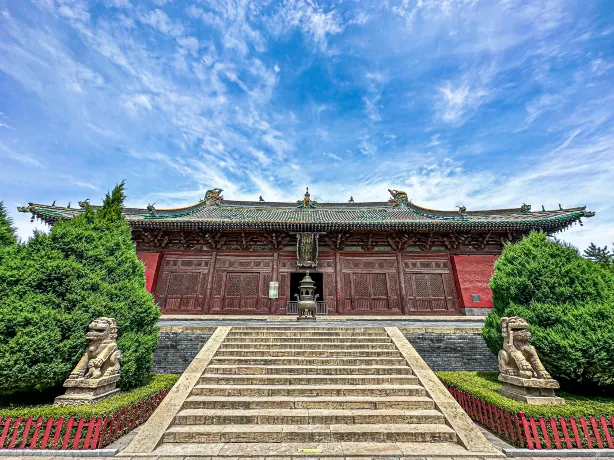
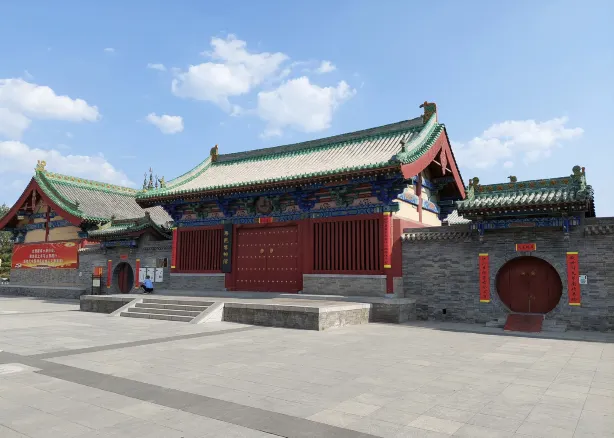
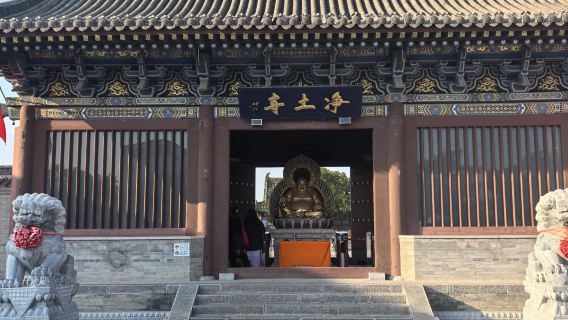
Yingxian Wooden Pagoda-Fogong Monastery is located in Ying County, Shuozhou, Shanxi Province, and was first built in the second year of the Qingning reign of the Liao Dynasty (1056). It is a Buddhist monastery founded by imperial decree in the Liao Dynasty. According to the Ming Dynasty Yingzhou gazetteer, the monk Tian was commissioned to raise funds for its construction. It was further repaired and expanded during the Mingchang reign of the Jin Dynasty, and Emperor Daozong of Liao bestowed the plaque "Yingxian Wooden Pagoda". The temple faces south and is laid out along a central axis, with the mountain gate and Yingxian Wooden Pagoda arranged in sequence. Southeast of the mountain gate stands a bell tower, and southwest a drum tower, with east and west side halls flanking the complex, presenting an early Buddhist temple layout of a pagoda in front and halls behind. The temple's core building, the Yingxian Wooden Pagoda, commonly known as the Yingxian Wooden Pagoda, is a rare surviving pure wooden pavilion-style pagoda in China. The pagoda's exterior appears as five stories with six eaves, but internally it actually has nine stories — each of the five visible levels contains a hidden level between them — with a total height of approx. 67 m. The entire pagoda was built without a single iron nail and relies solely on mortise-and-tenon joinery and more than 50 types of dougong. It has stood firm through nearly a thousand years of weather and several earthquakes. Inside the first level's inner chamber is a seated Sakyamuni statue about 10 m high, and the inner walls are painted with Liao-style Buddha murals. The visible second through fifth levels each house groups of statues with different themes, and several dozen polychrome sculptures are preserved in total. During repairs in 1974, a large number of hidden Liao-period artifacts were discovered inside the pagoda's statues, including engraved sutras, handwritten sutras, and Buddhist paintings. Two tooth relics of the Buddha were especially notable.

Ying County · 1.3km from downtown
Shahu Pass Scenic Area

Shahu Pass Scenic Area

4.3
4.6/5
44 reviews

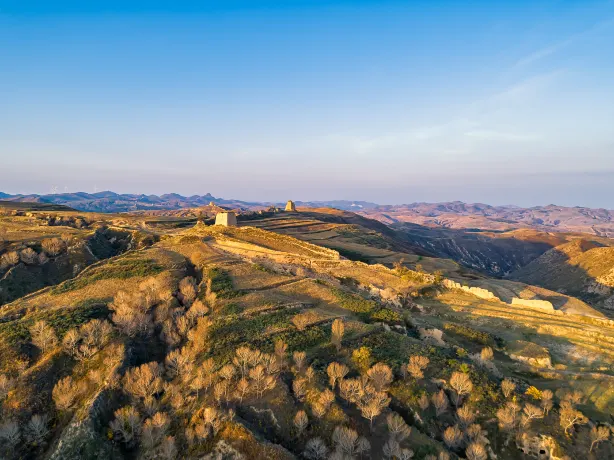
Shahu Pass Scenic Area is located on the line of The Great Wall at the border of Youyu County, Shanxi and Inner Mongolia, and is a majestic pass in the northern frontier with a history of over 2,000 years. Mountains stand opposite each other on both sides of the pass, with the Youyu County Cang Tou River National Wetland Park flowing north through the valley, and the road from Datong to Hohhot still passes below the pass today. During the Ming Dynasty, it was named "Shahu Pass" (literally "Kill the Hu") to defend against the southward invasion of Mongol cavalry; during the Kangxi reign of the Qing Dynasty, "Hu" was changed to "Tiger," commonly known as "Shahu Pass Scenic Area"; after Feng Yuxiang's National Army stationed here in 1925, the garrison commander Han Duofeng officially renamed the pass "Shahu Pass". A single pass renamed several times reflects centuries of frontier history. The gate tower that now stands majestically at the intersection was rebuilt later; the true ancient relics are the Shahu Fortress built with rammed earth during the Jiajing reign of the Ming Dynasty and the Pingji Fortress added during the Wanli reign. The two fortresses are connected, the outlines of the rammed earth city walls still remain, and ancient beacon towers are scattered along the ancient road. The Qikou Ancient Town to the west of the fortress is paved with mottled stones. The deep and shallow ruts and hoof prints on the stone surface were worn down step by step by people who went out of the pass to make a living in those days. The Changlu Slope and the Ming Dynasty stone bridge, Guangyi Bridge, on the ancient road also remain. During the Qing Dynasty, a customs station was set up here to collect taxes, and the bustling trade was said to bring in "a dou of gold and silver every day." The once-thriving Mongolian trading firm "Dashengkui" got its start here, and the "West Pass" sung about in the folk song "Zou Xikou" refers to this very pass. When visiting, you might want to first go to the Great Wall History Museum within the scenic area to brush up on frontier history, and then go see the ancient road and fortresses for a more immersive experience.

Youyu County · 30.9km from downtown
Free attraction
Guangwu International Ski Resort
No. 2 of Ski Resorts in Shanxi

Guangwu International Ski Resort

3.9
4.1/5
13 reviews

Guangwu International Ski Resort (Guangwu Mountain Resort) is located in the southern mountain of Tian'erlao Village, Guangwu Town, Shanyin County. It is located in the "39° North Latitude Golden Ski Belt". Through the Great Wall No. 1 Tourist Highway, it is deeply integrated with Souvenir historical sites such as the Ming Great Wall, Yanmen Pass, and Guangwu Ancient City. The overall planning of the project covers an area of ​​9,627 mu (6.4 million square meters), with an estimated total investment of 1 billion yuan, and will be completed in three phases. The overall snowmaking area is 1.5 million square meters, with the highest point at an altitude of 1,860 meters, a height difference of more than 700 meters, and a total length of more than 40 kilometers of snow trails. It is planned to build 6 detachable ropeways. The project includes primary teaching areas, elementary, intermediate, advanced, jumping platforms, U-shaped troughs, snow bikes, snow play parks, etc. The project is equipped with youth hotels, apartments, etc. After the overall plan is realized, it can accommodate 20,000 people at the same time. The first phase investment is 300 million yuan, and it will open on December 20, 2022. The first phase of the snowmaking surface is 300,000 square meters, with the highest point at an altitude of 1,400 meters and a vertical height difference of more than 300 meters. There are 16 ski slopes in the first phase, of which the longest "Moon Viewing Trail" is 1,500 meters long, equipped with an 8-person high-speed gondola detachable cable car, a 4-person fixed chairlift, 5 magic carpets, 2 large imported snow groomers, 35 snowmaking machines, a comprehensive service hall of more than 15,000 square meters and a 600-square-meter mountaintop cafe, with a daily reception capacity of more than 6,000 people. After the completion of the main project and supporting facilities, Guangwu International Ski Resort will further improve various mountain sports facilities and water sports, and strive to use one season of snow to drive the development of four seasons. By then, Guangwu Mountain Resort will become a well-known ski resort and four-season resort town in Shuozhou City, Shanxi Province and even the whole country, realizing the deep integration of local culture and tourism, and a new situation of coexistence of nature and culture.

Shanyin · 32.5km from downtown
Shuozhou Ancient City Site

Shuozhou Ancient City Site

3.8
4.7/5
89 reviews

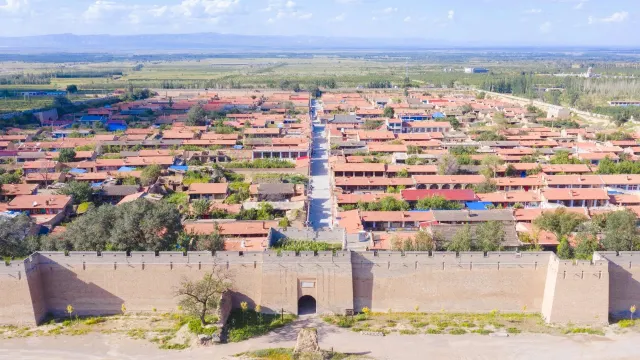
The ancient city of Shuozhou in the Northern Qi Dynasty and the ancient city of Shuozhou in the late Yuan and early Ming Dynasty are located in the Shuocheng District of the present Shuozhou City. According to the records of Shuozhou Chronicle, the exact construction age of the ancient city wall was founded in the eighth year of Tianbao in the Northern Qi Dynasty (557). The Sui, Tang, Liao and Jin dynasties continued to use it, and it has a history of 1439 years. It was expanded on the old site of Mayi City in Qin and Han Dynasties. At the end of the Yuan Dynasty and the beginning of the Ming Dynasty, half of the northwest city wall was omitted, and the Shuozhou city was rebuilt using the north Qi city wall in the southeast corner. The ancient city of Northern Qi is rectangular in plan, with a length of 1,800 meters from north to south, a width of 1,600 meters from east to west, and a circumference of 6,800 meters, covering a total area of 2.88 million square meters. The existing city wall has a residual height of about 8 meters, a bottom width of about 15 meters, and a top width of about 10 meters. The structure of the upper part of the city wall is unknown. Shuozhou City, built in the late Yuan and early Ming Dynasty, was encased in the southwest corner of the northern Qi city. At that time, the city wall was 12 meters high, the battlements were 2 meters high, the total height was 14 meters, and the circumference was 4,000 meters. There are 4 gate towers and 4 piers. The four gates are called Wende Gate in the east, Wuding Gate in the west, Chengen Gate in the south, and Zhensai Gate in the north. Except for the south city wall, city gate, west city wall, city gate, and urn city, all other buildings have been destroyed. The streets and alleys in the city are basically kept in the original system.

Shuozhou · 2km from downtown

Experiences you can't miss in Shuozhou

Featured Day tours in Shuozhou

View all Day tours
Yungang Grottoes + Hanging Temple + Yingxian Wooden Pagoda Excluding tickets day tour
󱌍
4.9/5
· 55 reviews· 153 booked
Duration: 9.5 hrs
English
Free cancellation
Instant confirmation
Book now for tomorrow
31 consecutive positive reviews
From€51.80
Depart from Datong: Xuankong Temple + Ying County Wooden Pagoda + volcano (admission tickets not included) 1-day
󱌍
5.0/5
· 16 reviews· 66 booked
Duration: 8.5 hrs
English
Free cancellation
Instant confirmation
Book now for tomorrow
From€31.09
※1-day private charter tour to Xuankong Temple + Ying County Wooden Pagoda + Yungang Grottoes | Door-to-door pickup in Datong city
Trip.Select
󱌍
4.9/5
· 55 reviews· 230 booked
Duration: 11 hrs
English
Free cancellation
Instant confirmation
Book now for tomorrow
55 consecutive positive reviews
From€48.18
Private Group Tour | Datong Classic One‑Day Tour: Hanging Temple, Yingxian Wooden Pagoda & Yungang Grottoes | Door‑to‑Door Pick‑up & Drop‑off service including
󱌍
4.7/5
· 3 reviews· 57 booked
Duration: 11.5 hrs
English
Free cancellation
Instant confirmation
Book now for tomorrow
From€68.12
[Datong Classic One-Day Tour] Yungang Grottoes, Xuankong Temple & Yingxian Wooden Pagoda: Discover National Treasure Ancient Architecture!
󱌍
From€73.83
※Datong Xuankong Temple + volcanoes + Ying County wooden tower private charter 1-day tour [Flexible departure time]
󱌍
From€28.45
※Datong Xuankong Temple + Ying County Wooden Pagoda Private Charter 1-Day Tour [Flexible Departure Time | Train Station Pickup]
󱌍
5.0/5
· 9 reviews· 51 booked
Duration: 6.9 hrs
English
Instant confirmation
Book now for tomorrow
From€52.85

More things to do

Private Tours in Shuozhou

View More Private Tours in Shuozhou

Group Tours in Shuozhou

View More Group Tours in Shuozhou
Shuozhou Today's weatherOvercast -9-3℃
Shuozhou weather for the next 2 days11/28: -10-6℃, 11/29: -3-11℃

Free things to do in Shuozhou

What travellers say about Shuozhou

user-avatar
M38***4426 November 2026
5.0
Having long yearned to see the Yingxian Wooden Pagoda, I finally made a special trip to Shuozhou to witness this nearly thousand-year-old wonder with my own eyes, leaving me deeply awestruck. The Sakyamuni Pagoda of Fogong Temple, commonly known as the Yingxian Wooden Pagoda, is the world's tallest and oldest existing pure wooden pavilion-style pagoda. The entire pagoda was constructed without a single iron nail, relying entirely on the interlocking of wooden components. Having withstood wind, rain, and earthquakes, it still stands firmly. The wisdom of the ancient builders can only be truly appreciated standing beneath the pagoda. Entry to the scenic area is very convenient; electronic passes allow direct entry. Upon entering the courtyard, the wooden pagoda immediately captivates the eye. From afar, it appears majestic and solemn; up close, the layers of brackets are rich and exquisite, each mortise and tenon joint revealing ingenuity. Inside the pagoda are also precious Buddhist statues and murals, imbued with the rich ancient charm of the Liao Dynasty. It's worthwhile to listen attentively to the guided tour; many details are easily missed without understanding the historical context. The guided tour will explain the wooden pagoda's construction background, its history of repairs, and the structural principles behind its earthquake-resistant construction. After hearing the explanation, the experience of seeing the pagoda in person is completely different. The park isn't particularly large, allowing for a leisurely pace, making it suitable for enthusiasts of ancient architecture and history buffs. Standing beneath the pagoda and looking up, the wind rustling through the wooden components feels like touching a thousand years ago. It's not overly commercialized; it's quiet and peaceful, perfect for appreciating the beauty of ancient architecture.

Yingxian Wooden Pagoda

user-avatar
118***9421 November 2026
4.0
Jingtu Temple is an ancient temple dating back to the Jin Dynasty. It's not large, but the Jin Dynasty caisson ceiling of the main hall is remarkably well-preserved and exceptionally exquisite. The temple is very close to the Wooden Pagoda, making it worth a visit if you're passing by. A 20-minute visit is sufficient. The pictures shown are of other attractions in Shanxi and are unrelated to Jingtu Temple.

Jingtu Temple

user-avatar
Anonymous user3 October 2026
5.0
Chongfu Temple was first built in the second year of the Linde reign of Emperor Gaozong of Tang (665 AD). Legend has it that it was supervised by Yuchi Gong under imperial order. After a large-scale expansion during the Jin Dynasty, it became one of the three largest existing Buddhist temples of the Liao and Jin Dynasties in my country, and is also a national key cultural relics protection unit. During the Ming Dynasty, it was listed as the first of the "Eight Scenic Spots of Shuozhou", which shows its historical significance.

Chongfu Temple

user-avatar
胜心十足11 September 2026
4.0
The streets were clean and tidy, with few tourists and many shops closed.

Shuozhou Old Town

user-avatar
忙忙忙忙里偷闲逛逛19 May 2026
5.0
The Guangwu section of the Ming Great Wall is absolutely worth a visit! It's authentic and far superior to any newly built section. Seeing the Great Wall winding along the mountain ridge amidst the undulating mountains evokes a sense of vastness and grandeur. The 600-year-old Great Wall and the modern wind turbines echo each other, reminding us that our efforts for a better life have never ceased. Standing atop the watchtower, one can imagine the clash of swords and the mournful sounds of war drums, and the red flags fluttering in the west wind – today we hold the long spear in our hands, when will we bind the dragon? A visit here can be short or long. It takes about half an hour to walk from the parking lot to the Moon Gate. If time permits, you can continue walking to see several well-preserved watchtowers. Be sure to wear sunscreen as the UV radiation is strong.

Guangwu Great Wall

user-avatar
_We***421 June 2026
5.0
The Yingxian Wooden Pagoda, an ancient building bearing a thousand-year history, stands silently on the land of Shanxi. Its unique structure and exquisite craftsmanship showcase the wisdom and ingenuity of ancient artisans. Through the passage of time, it remains steadfast, seemingly recounting its past glories and vicissitudes. Every brick and tile bears the marks of time, every beam and pillar a testament to historical changes. Standing before it, one can almost hear the whispers of the wind through the pagoda and feel a profound sense of awe that transcends time.

Fogong Monastery

user-avatar
非你不渴25 February 2021
5.0
The majestic pass of Shaohukou allows you to feel the momentum of going out of the pass to kill the enemy in ancient times. This fortress at the junction of Shanxi and Inner Mongolia has had a great influence on the inland Central Plains since the Ming Dynasty.

Shahu Pass Scenic Area

user-avatar
皮皮鲁c28 December 2023
5.0
I went there on a weekday. There were relatively few people. Parking and dining were convenient. I could stay overnight. There was a KFC in the lobby. The price was about 2 yuan more expensive than outside. The snowshoes, snowboards, and snow poles were relatively new. The shoes did not have a strong odor. There were 16 ski slopes, hanging baskets, and fishing boxes. I think it is the best ski resort in Shanxi. It is worth a visit. I took a video at the door at the end.

Guangwu International Ski Resort

user-avatar
最初的念想6 September 2022
5.0
Mayi Museum is a national third-level local comprehensive museum, located on the west side of Chongfu Square in Shuocheng District, Shuozhou City. Mayi Museum exhibits a total of 745 precious cultural relics from the ancient Cretaceous period to the 1940s, including 20 national first-level cultural relics such as the pagoda of Cao Tiandu Thousand Buddha Stone Pagoda of the Northern Wei Dynasty, and 189 national second- and third-level cultural relics. It adopts an all-wood structure imitating antique building in the Liao and Jin architectural style. Its shape is simple and majestic. Together with the Chongfu Square Grand Theater and the Eguogong Yuchi Temple, it constitutes the three major ancient building complexes in Shuocheng District.

Mayi Museum

user-avatar
行走毛毛5 November 2025
5.0
A friend asked me today what's fun to do in Shuozhou. Actually, besides Chongfu Temple, which everyone knows about, there's also the Shuozhou Ancient City worth exploring. It's not as bustling or commercialized as Datong Ancient City, making it quite comfortable for me.

Shuozhou Ancient City Site

Trip Moments in Shuozhou

Popular cities near Shuozhou

Frequently asked questions

When choosing a tour, start with how much time you have and the kind of experience you're looking for. Trending options right now include Yungang Grottoes + Hanging Temple + Yingxian Wooden Pagoda Excluding tickets day tour, Depart from Datong: Xuankong Temple + Ying County Wooden Pagoda + volcano (admission tickets not included) 1-day, and ※1-day private charter tour to Xuankong Temple + Ying County Wooden Pagoda + Yungang Grottoes | Door-to-door pickup in Datong city. Check the real-time availability and itinerary before you book.

As of 27 November 2026, the reference price for day tours and activities in Shuozhou is around EUR 28.45 – EUR 73.83. Rates vary by duration, group size, transport, tickets, meals, and any special admission requirements. Before you book, please confirm the billing currency and whether the price is quoted per person or per group.

Get help anytime, anywhere within 30 secondsContact customer support

Change and cancellation policies vary by attractions and tours. Please check the product details page for more information.

Ticket prices may vary between weekdays and weekends, as well as during peak and off-peak seasons. When booking with Trip.com, you can also use Trip Coins to get extra savings. For more tips on booking discounted tickets, please visit Trip.com for the latest information.