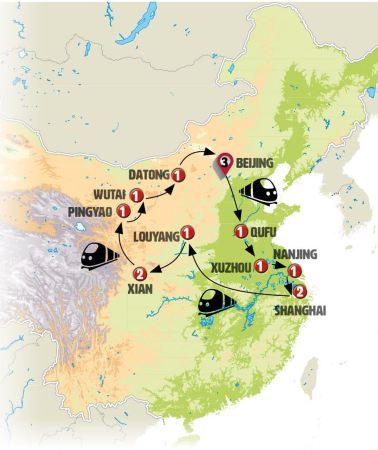
Datong

Things to do in Datong

Search attractions or local attractions & tours
Search

Explore top experiences

Top 10 attractions in Datong

View all Attractions
Yingxian Wooden Pagoda
No. 3 of Best Things to Do in Shanxi

Yingxian Wooden Pagoda

8.6
4.8/5
25.6k reviews
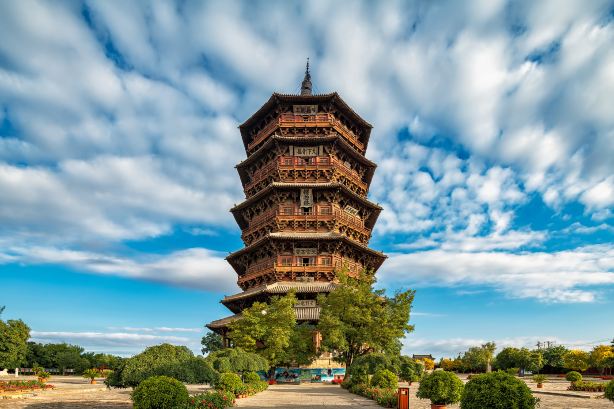
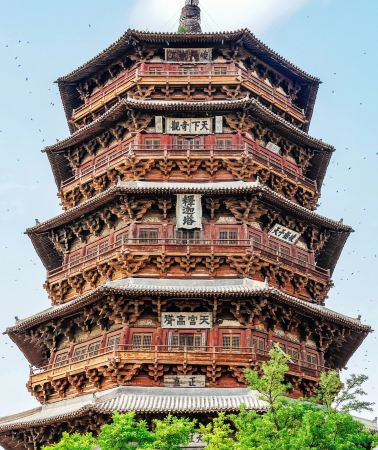
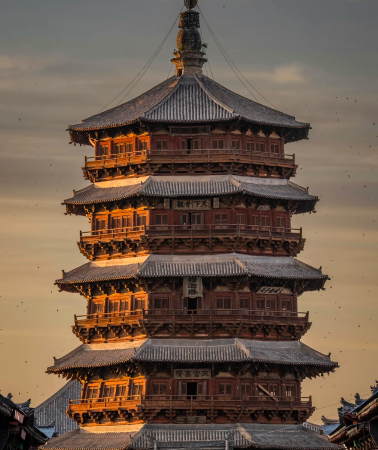
Ying County wooden pagoda, full name "Yingxian Wooden Pagoda", located in the Fogong Temple within the Yingxian Wooden Pagoda in the northwest of Ying County. The wooden pagoda was built in the second year of the Qingning era of the Liao Dynasty (1056 AD) and was completed with additions in the sixth year of the Mingchang era of the Jin Dynasty (1195 AD). It is one of the older existing wooden pagoda-style structures in China. If you are a "fanatic of ancient architecture," then the Yingxian Wooden Pagoda is a place you must visit. This octagonal wooden pagoda, approx. 60 m tall, is built entirely of wood except for a 4 m high stone platform on the first level. Not a single iron nail or rivet is used; instead, it is constructed entirely with traditional mortise-and-tenon joinery. The pagoda has five visible levels, with concealed levels between them, making nine levels in total. Each level is supported by inner and outer rings of wooden columns: 24 outer columns and 8 inner columns per level. For over nine hundred years, this wooden pagoda has withstood fierce storms, major earthquakes, and artillery bombardment, yet it still stands firm. BecauseYing County wooden pagodaThe tower has been tilting every year. To protect the ancient pagoda, visitors can no longer climb it and can only tour the first floor, but this does not prevent you from admiring this thousand-year-old pagoda. On the ground floor of the wooden pagoda's body, there are two doors, one to the south and one to the north. When you enter the first floor of the wooden pagoda, you can see an 11 m tall statue of Shakyamuni Buddha, with a dignified face and a serene expression. Looking up, you can see the exquisite and ornate coffered ceiling at the top. On the walls of the inner chamber, there are also six paintings of Tathagata Buddhas, and on both side walls of the door openings, Vajras, disciples, and others are painted as well. The murals are vivid in color, and the figures are lifelike. In addition to the architectural art here, the plaques hung by celebrities from various dynasties at Yingxian Wooden Pagoda are also well worth seeing. When you stand beneath the wooden pagoda and look up, each plaque hangs high onWooden pagodaUnder the eaves of each tier. Among them, two plaques inscribed by emperors particularly catch visitors' eyes. One is "Peerless Divine Craftsmanship" inscribed by Zhu Di, Emperor Chengzu of the Ming Dynasty, written when Zhu Di passed through Yingzhou and ascended the pagoda in the 21st year of Yongle (1423) after his northern expedition against the Tatars; the other is "Wonder of the World" inscribed by Zhu Houzhao, Emperor Wuzong of the Ming Dynasty, written in the 12th year of Zhengde (1517) when Zhu Houzhao, after commanding the army to defeat the Tatar Little Prince who had invaded the border in the Yanghe (present-day Yanggao County) and Yingzhou (present-day Ying County) area, ascended the wooden pagoda and feasted the meritorious officers. There is a temple behind the wooden pagoda, but it is recommended not to go there. Some visitors have reported that the incense and donation fees there are outrageously expensive.Ying County · 57.2km from Datong
Datong Ancient City
No. 1 of Night Attractions in Shanxi

Datong Ancient City

8
4.7/5
503 reviews
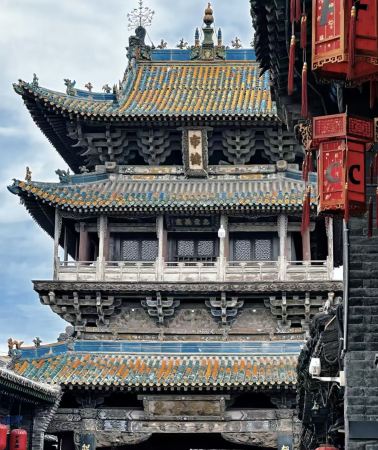
Datong Ancient City is the historic core of Datong, Shanxi. It served as the capital Pingcheng during the Northern Wei dynasty, the western auxiliary capital during the Liao and Jin dynasties, and a strategic frontier stronghold in the Ming dynasty, earning it the enduring title "northern key." Over its 2,000-year history spanning dynastic changes, the city's location remained largely unchanged, preserving its chessboard-style street grid centered on Sipailou to this day. The 2008 conservation and restoration project reunited the city walls, reconnected the moat, and gradually revived ancient architecture and old streets, layering the grandeur of an ancient capital with modern life within the same walled city. The ancient town offers an exceptionally dense concentration of noteworthy sights: in Huayan Temple's Liao- and Jin-dynasty halls, the graceful "clasped-hands, smiling" Liao-dynasty bodhisattva statue in the Scripture Depository Hall has long been hailed as the "Oriental Venus"; Shanhua Temple preserves a complete complex of Liao- and Jin-era wooden architecture. The Nine-dragon Wall, originally a glazed screen wall before the Ming-dynasty Dai Prince's residence (destroyed in war), survives with its nine coiling dragons still radiant—older and larger than its counterparts in Beijing's Forbidden City and Beihai Park. Climbing the reconstructed Ming-style city walls reveals a bird's-eye view of the square town's crisscrossing four main streets and orderly rooftops. An evening wait for sunset on the ramparts, followed by the illuminated outlines of walls and watchtowers after dark, makes for one of the town's most enchanting moments. Walking is recommended for touring: the attractions inside the city walls are spaced closely, allowing Huayan Temple, Shanhua Temple, the Nine-dragon Wall, and the drum tower to form a connected route. When tired, you may turn into the area around East Drum Tower Street, where time-honored shops and snack stores are concentrated, making it ideal for resting and replenishing. The ancient town covers a considerable area, so allocate at least half a day and wear comfortable shoes to leisurely appreciate the layered historical depth of this ancient capital.Datong · 1.9km from downtown
Shanhua Temple
Selected for Best Things to Do in Shanxi

Shanhua Temple

7.5
4.8/5
2.4k reviews
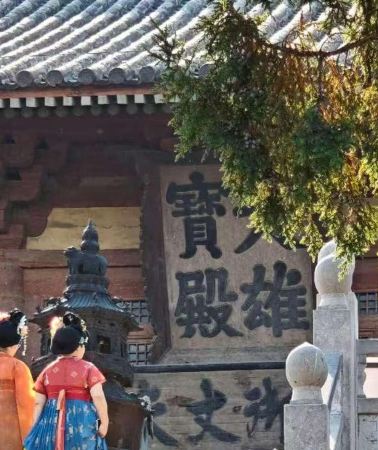
Shanhua Temple, commonly known as the "southern temple," is located in the southern corner of the ancient city of Datong. The temple was first built during the Kaiyuan era of the Tang Dynasty and was initially named Kaiyuan Temple. It was renamed Dapu'en Temple during the Later Jin Dynasty but was destroyed in the war at the end of the Liao Dynasty. It was rebuilt on the original site during the Jin Dynasty and was officially named Shanhua Temple in the Ming Dynasty, a name that has been used ever since. The temple's mountain gate, Three Saints Hall, Mahavira Hall, and Puxian Pavilion are all original structures from the Liao and Jin periods, making it one of the relatively well-preserved temple architectural complexes from that era in China. The halls are gradually elevated along the central axis from south to north, with the layout of the Tang Dynasty temple still faintly discernible. Unlike most temples, the mountain gate here combines with the heavenly king hall into one structure: the five-bay Jin dynasty gate houses Ming dynasty statues of the four heavenly kings, immediately visible upon entry with imposing majesty. The central three saints hall, also a Jin dynasty construction, features strikingly large and ornate bracket sets under its eaves that project in layers resembling blooming flowers—a distinctive hallmark of this hall. It enshrines the original Jin dynasty "Flower Adornment three saints": Vairocana Buddha at the center flanked by Manjusri and Samantabhadra bodhisattvas, their forms full and expressions serene. The main hall of the great hero on the northern high platform is the temple's principal hall, built during the Liao Dynasty and renovated in the Jin Dynasty. The altar enshrines the five wisdom buddhas arranged from east to west: Aksobhya in the east, Ratnasambhava in the south, Vairocana at the center, Amitabha in the west, and Amoghasiddhi in the north—all surviving Liao sculptures with Jin-era repainting. Twenty-four deva polychrome sculptures stand on brick platforms along the eastern and western walls, twelve on each side, representing masterpieces of Jin Dynasty sculpture. Some appear armored and weapon-wielding with fierce expressions, while others wear official robes with flowing sashes. Among them, the benevolent and graceful Sridevi particularly captivates viewers. The hall's western and southern walls preserve Buddhist narrative murals painted during the Kangxi era of the Qing Dynasty. Before entering the temple, consider viewing the glazed five-dragon wall in front of the mountain gate. This Ming dynasty Wanli-era relic was originally the screen wall of Xingguo Temple in the southern city, relocated here in the 1980s. Five coiling dragons surge amid turbulent clouds and waves on the wall, with the central "main dragon" holding a fire pearl and facing directly forward toward the ancient temple's gate. During your visit, pay special attention to the hall of three saints' diagonal arches and the Liao- and Jin-dynasty polychrome sculptures in the main hall. The dim lighting in these ancient halls invites slower observation of the statues' expressions and drapery details, allowing deeper appreciation of these Liao-Jin treasures.Datong · 1.1km from downtown
Dai Wang Fu·Daming Baixi Garden
No. 6 of Family-friendly Attractions in Shanxi

Dai Wang Fu·Daming Baixi Garden

7.2
4.5/5
2.9k reviews
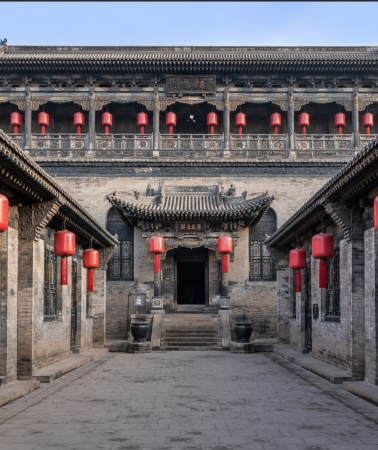
Dai Wang Fu·Daming Baixi Garden is located in the northeast corner of the ancient city of Datong. It was the mansion built after Zhu Gui, the 13th son of Emperor Taizu of Ming Zhu Yuanzhang, was granted the title of Dai Wang and stationed in Datong. Due to its design imitating the imperial palace in Nanjing and its grand layout, it has long been known as the "Little Forbidden City in the northern frontier." The mansion was first constructed in the 25th year of the Hongwu era (1392) on the former site of the Imperial Academy of the Western Capital during the Liao and Jin dynasties. Its central axis runs from south to north, featuring Yu Gate, Duanli Gate, Chengyun Gate, Chengyun Hall, Chongxin Gate, Cunxin Hall, Changchun Palace, and Guangzhi Gate. Following the principle of "ancestral temple to the left and altar to the right" as in the capital, it had a front court for governance and rear quarters for residence, with temples to the east and altars to the west. Over ten generations of Dai Wang lived and governed here. At the end of the Ming dynasty, the mansion was destroyed by war, leaving only the Nine-Dragon Screen wall in front of the mansion standing to this day. The current complex of halls and palaces seen today is a contemporary reconstruction on the original site, restoring the layout and grandeur of this frontier mansion. By day, this is an open "garden of a hundred shows": small theater performances cycle through various courtyards, with ming dynasty-costumed characters like imperial guards and palace maids patrolling and interacting with travelers. Folk arts like shadow puppetry, puppetry, ancient magic tricks, acrobatics, and nuo dances take turns on stage. The indoor performance "Carrying the mandate of heaven" uses gauze screen projections and laser dome effects to create an immersive space of flowing light and shadow. At night, a different scene emerges: the walking live-action show "Datong under heaven" guides audiences through palace halls and corridors, recreating the ming dynasty frontier town's events and the grand spectacle of nations paying tribute. A thousand-lantern festival illuminates the mansion's nightscape, with intangible cultural heritage fire skills like iron-flower forging and fire pots, plus the mansion's flame show, bringing the atmosphere to its climax. When touring, you might as well save the highlight for the night, carefully observing the architecture and encountering scattered performances between courtyards during the day, then immersing yourself in the storyline after dark. The illuminated halls and corridors are particularly photogenic. The original nine-dragon screen wall in front of the mansion still stands nearby and can be visited along the way.Datong · 2.1km from downtown
Datong Ancient City Wall
Selected for Night Attractions in Shanxi

Datong Ancient City Wall

7
4.3/5
1.6k reviews
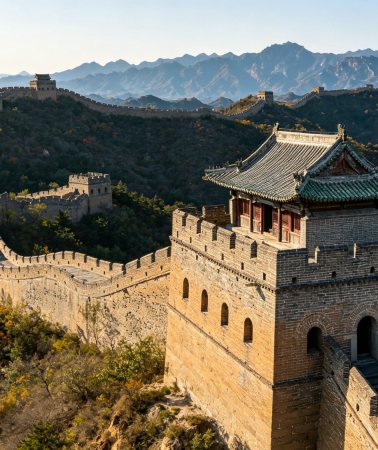
The Datong Ancient City Wall was constructed in 1372 during the Ming Dynasty's Hongwu era. This imposing and strategically formidable structure stands as a remarkable example of ancient Chinese military architecture. Its distinctive feature is the crenelated outer perimeter with protruding bastions and trapezoidal formations, creating a unique defensive design. The current wall was expanded by General Xu Da while garrisoning Datong, built upon foundations from the Han, Wei, Tang, Liao, and Yuan dynasties. Spanning 7.24 km in circumference, it encloses an ancient urban area of 3.28 square kilometers. Built with precisely cut stone slabs and rammed earth core faced with blue bricks, the wall measures 14m in height, 12m wide at the top and 18m at the base - 6.6m wider than comparable sections of Nanjing's city walls. The fortification features 62 gate towers, corner towers, and watchtowers, including four main gatehouses. The southern gatehouse is particularly impressive with its three-tiered structure measuring 61m across and 23.35m deep. Four corner towers dominate the wall's angles, with the octagonal northwestern tower (Qian Tower) being most distinctive. Among 54 watchtowers, the Hongzi Tower stands out as a rare architectural element. Additionally, 96 barracks were constructed along the wall. A 10m-wide, 5m-deep moat runs approximately 40m from the wall. Each main gate has an outer barbican (covering 17,600 square meters) and an additional crescent-shaped enclosure, creating three defensive checkpoints for entry. The gates feature arrow towers or two-story plaque towers. The four main gates are named: Heyang (East), Yongtai (South), Qingyuan (West), and Wuding (North). The comprehensive defensive system includes watchtowers, corner towers, gatehouses, and arrow towers spaced at intervals, complemented by drawbridges, barbicans, crescent walls, outer fortresses, and subsidiary walls, forming multiple layers of protection. The Datong Ancient City Wall stands tall and majestic, solid and precipitous, with tight defenses and complete facilities. It is a renowned fortified city with distinctive features in China's ancient military architectural history. Due to its crucial position in northern border defense and its significant role in numerous battles, it has long been honored as the "Imposing Stronghold" and the "Northern Key." A unique feature of the Datong Ancient City Wall is its gear-like outer contour. It has 52 protruding bastions with a trapezoidal structure, measuring approx. 23m at the base, 20m at the top, and covering a top area of 400 square meters. Corner bastion: Slightly taller than the watchtowers, each of the four corner bastions has an additional military control platform (also called observation platform) built outside it. The platform measures approximately 16.6m in width and 15m in length, spaced about 66m from the corner bastion, with a connecting footbridge to the city wall. This unique defensive structure is a distinctive feature of Datong Ancient City Wall.Datong · 2.1km from downtown

Experiences you can't miss in Datong

Featured Day tours in Datong

View all Day tours
※1-day private charter tour to Xuankong Temple + Yungang Grottoes in Datong [Hotel pickup included]
󱌍
4.9/5
· 57 reviews· 272 booked
Duration: 9.8 hrs
English
Free cancellation
Instant confirmation
Book now for tomorrow
57 consecutive positive reviews
FromNZD 90.93
※※Private chartered tour: 1-day tour to Datong Xuankong Temple + Yungang Grottoes + Yong'an Temple with private charter [city pickup]
Trip.Select
󱌍
4.9/5
· 210 reviews· 336 booked
Duration: 10.7 hrs
English
Free cancellation
Instant confirmation
Book now for tomorrow
21 consecutive positive reviews
FromNZD 106.09
Yungang Grottoes + Hanging Temple + Yingxian Wooden Pagoda Excluding tickets day tour
󱌍
4.9/5
· 37 reviews· 136 booked
Duration: 9.5 hrs
English
Free cancellation
Instant confirmation
Book now for tomorrow
97.3% of travelers recommend
FromNZD 100.91
Tour from Datong: Xuankong temple + Ying County wooden pagoda + volcano (admission ticket not included)
󱌍
5.0/5
· 13 reviews· 58 booked
Duration: 8.5 hrs
English
Free cancellation
Instant confirmation
Book now for tomorrow
FromNZD 60.62
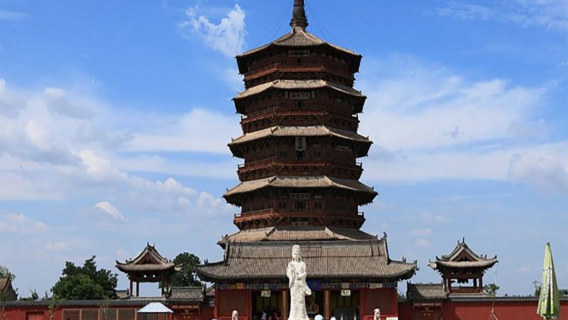
※1-day private charter tour to Xuankong Temple + Ying County Wooden Pagoda + Yungang Grottoes | Door-to-door pickup in Datong city
󱌍
4.9/5
· 51 reviews· 218 booked
Duration: 11 hrs
English
Free cancellation
Instant confirmation
Book now for tomorrow
51 consecutive positive reviews
FromNZD 97.00
Tour to Yungang Grottoes and Hanging Temple (Entrance Fees Not Included)
󱌍
4.5/5
· 10 reviews· 32 booked
Duration: 8.8 hrs
English
Free cancellation
Instant confirmation
Book now for tomorrow
FromNZD 90.82

Private Car Tour to Yungang Grottoes and Hanging Temple
󱌍
4.9/5
· 44 reviews· 121 booked
Duration: 8.5 hrs
English
Free cancellation
Instant confirmation
Book now for tomorrow
36 consecutive positive reviews
FromNZD 106.09
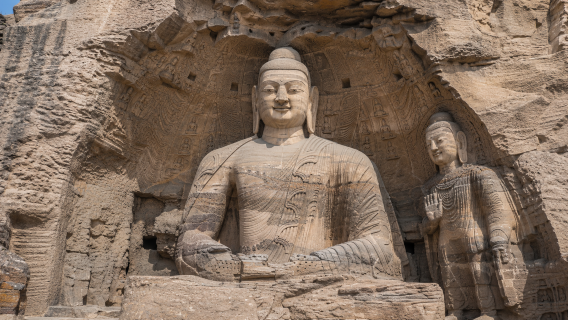
Private Group Tour | Datong Classic One‑Day Tour: Hanging Temple, Yingxian Wooden Pagoda & Yungang Grottoes | Door‑to‑Door Pick‑up & Drop‑off service including
󱌍
4.7/5
· 3 reviews· 52 booked
Duration: 11.5 hrs
English
Free cancellation
Instant confirmation
Book now for tomorrow
FromNZD 132.83

Featured Food & drink in Datong

View all Food & drink
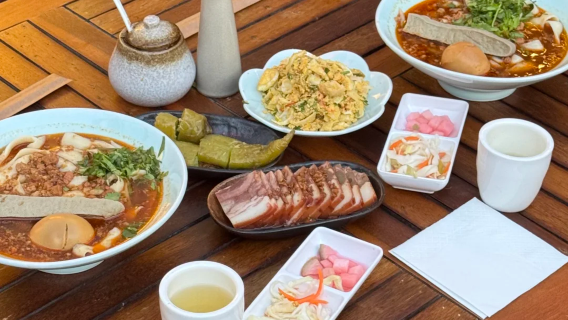
Datong Ancient City Night Food Tour: Taste 10 Local Northern Snacks & Ancient Hutong Walk
󱌍
Duration: 3 hrs
English
Free cancellation
Instant confirmation
Book now for today
FromNZD 303.10
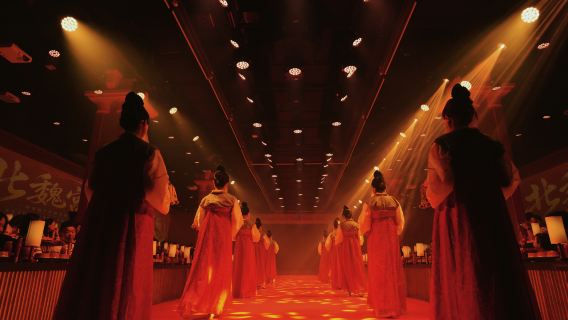
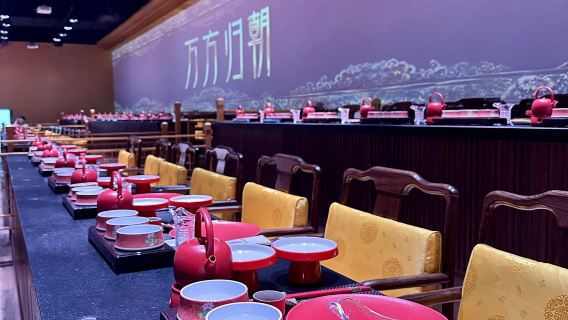
DaTong:Pingcheng Northern Wei Immersive Banquet | Yungang-themed ancient dining experience
󱌍
Duration: 1.6 hrs
English
Free cancellation
Instant confirmation
Book now for tomorrow
FromNZD 140.30
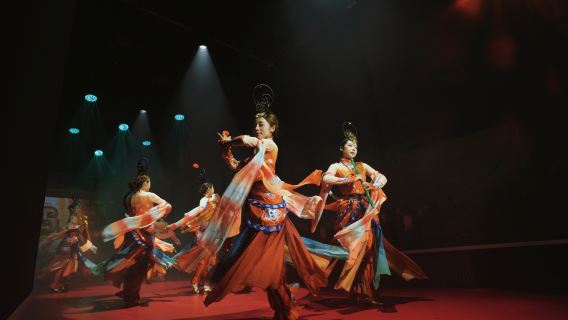
Datong Ancient Northern Wei Themed Banquet with Live Performance & Historic Cuisine
󱌍
Duration: 100 mins
English
Free cancellation
Instant confirmation
Book now for tomorrow
FromNZD 137.37
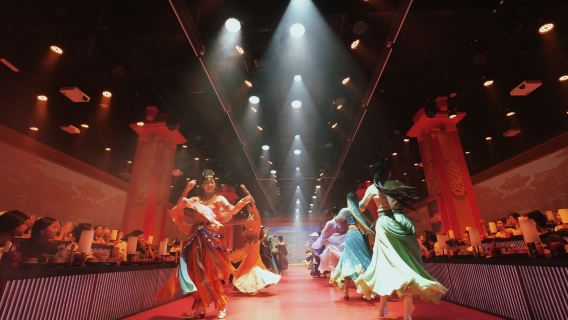
Datong Northern Wei Immersive Dinner Show | Yungang cultural banquet
󱌍
Duration: 1.6 hrs
English
Free cancellation
Instant confirmation
Book now for tomorrow
FromNZD 142.44
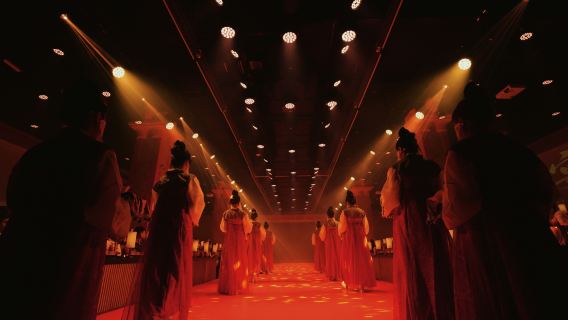
Datong Northern Wei Royal Banquet | Live show & restored ancient cuisine
󱌍
Duration: 1.6 hrs
English
Free cancellation
Instant confirmation
Book now for tomorrow
FromNZD 139.50
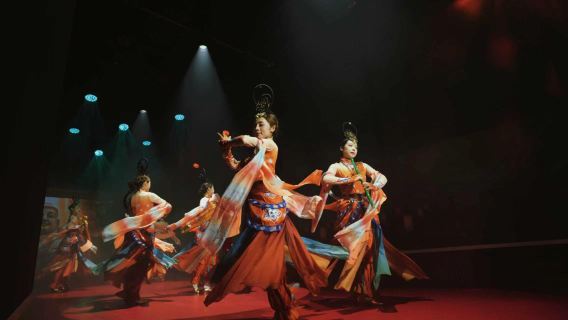
Featured Culture & history in Datong

View all Culture & history
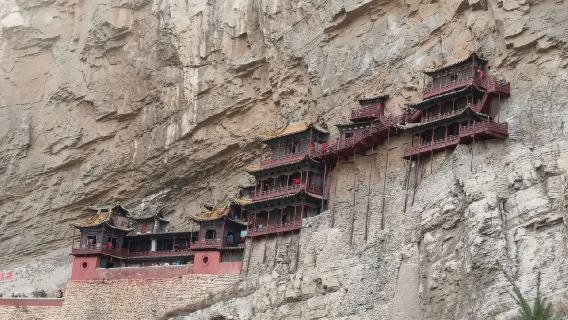
※Datong Xuankong Temple + Ying County Wooden Pagoda Private Charter 1-Day Tour [Flexible Departure Time | Train Station Pickup]
󱌍
5.0/5
· 7 reviews· 46 booked
Duration: 6.9 hrs
English
Instant confirmation
Book now for tomorrow
FromNZD 103.06
Shanxi Datong Hanging Temple+Yungang Grottoes+Wooden Pagoda 1-Day Transfer Service [Private Car]
󱌍
5.0/5
· 2 reviews
Duration: 8 hrs
English
Free cancellation
Instant confirmation
Book now for tomorrow
FromNZD 29.64
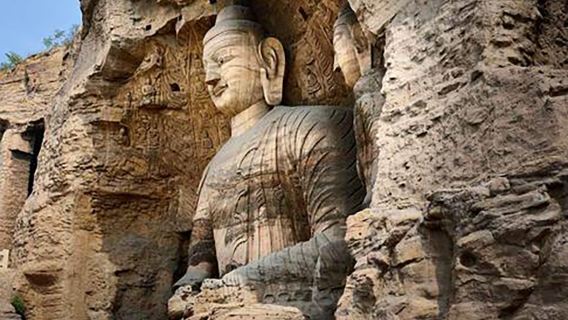
※Xuankong Temple + Yungang Grottoes + Huayan Monastery 1-day tour by private charter [Exclusive private charter with hotel pickup]
󱌍
4.7/5
· 19 reviews· 79 booked
Duration: 10.8 hrs
English
Instant confirmation
Book now for tomorrow
FromNZD 113.67
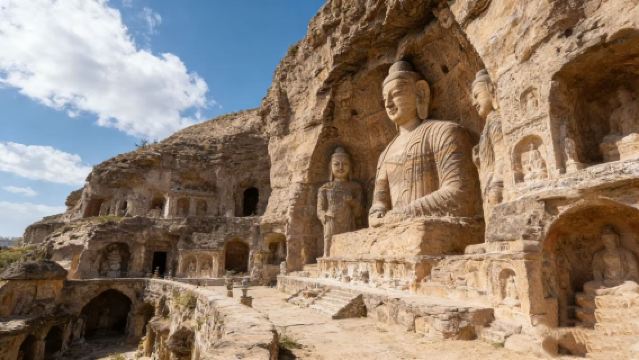
Datong: Hanging Temple & Yungang Grottoes Classic Day Tour | CITS × ZANBUS
󱌍
5.0/5
· 3 reviews· 36 booked
Duration: 8.5 hrs
English
Free cancellation
Instant confirmation
Book now for tomorrow
FromNZD 184.90

More things to do

Private Tours in Datong

View More Private Tours in Datong
Group Tours in Datong

View More Group Tours in Datong


Datong Today's weatherCloudy -4-11℃
Datong weather for the next 2 days11/2: -4-12℃, 11/3: -1-13℃

Free things to do in Datong

What travellers say about Datong

user-avatar
Anonymous user1 November 2026
5.0
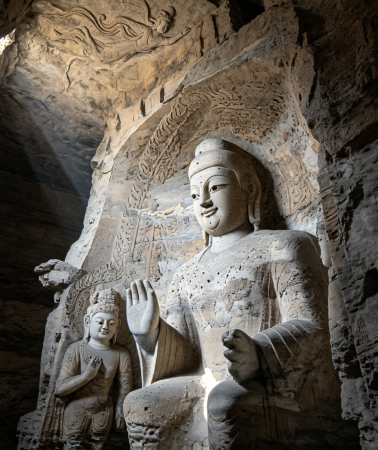
A trip to northern Shanxi is incomplete without visiting the Yungang Grottoes, one of China's four major grottoes and a treasure trove of stone carving art created by the Northern Wei Dynasty with its immense national resources. Located on the southern slope of Wuzhou Mountain, over 50,000 Buddha statues stand silently on a kilometer-long cliff face, their spirit undiminished by millennia of wind and sand. The Five Caves of Tan Yao are a must-see. The five colossal Buddhas are magnificent, their faces embodying the robust and rugged spirit of the early Northern Wei Dynasty, representing the essence of the entire grotto. Further along the path, the style of the statues gradually evolves, with increasingly delicate details. The flying apsaras and musicians are vividly depicted, clearly showing the fusion of Chinese and foreign art. It is highly recommended to hire a guide to understand the story behind each Buddha statue, preventing a superficial visit. The lighting inside the caves is dim; flash photography is prohibited.

Yungang Grottoes

user-avatar
Anonymous user31 October 2026
5.0
I had only seen the wooden pagoda in videos, but it wasn't until I stood beneath it that I truly felt the visual impact. It was so moving, and I hope I can experience that feeling again.

Yingxian Wooden Pagoda

user-avatar
Anonymous user1 November 2026
5.0
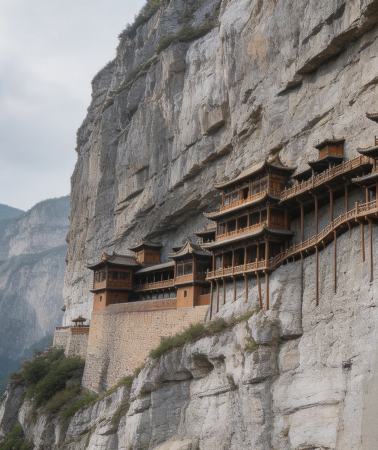
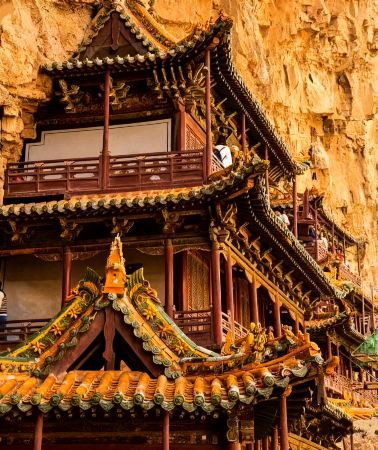
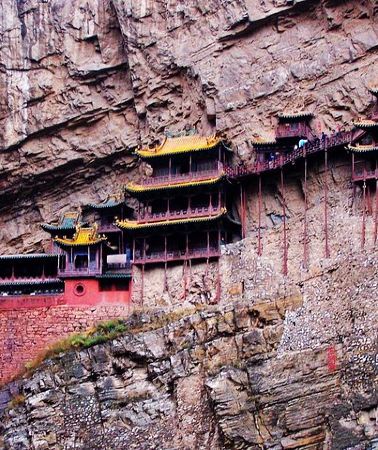
A trip to Datong is incomplete without visiting the Hanging Temple, a cliffside pavilion built during the Northern Wei Dynasty, nestled between the cliffs of Cuiping Peak, over 1,500 years old. At first glance, one is awestruck by the ingenuity of the ancient builders. The slender wooden pillars visible to the naked eye are not the main load-bearing elements; the true support for the entire structure comes from the flying beams deeply embedded in the rock face – a testament to their remarkable craftsmanship. When visiting northern Shanxi, be sure to witness this marvel of architecture firsthand.

Xuankong Temple

user-avatar
_We***5731 October 2026
5.0
The tour guide's explanations were meticulous and thorough, demonstrating a solid foundation in history and professional competence. Many easily overlooked historical details were covered, and the entire trip was very rewarding. Overall, I was extremely satisfied with the trip!

Huayan Temple

user-avatar
118***6918 October 2026
5.0
It's definitely worth a visit. Huayan Temple in Datong Ancient City was built during the Liao, Jin, and Northern Wei dynasties. The architecture is magnificent and simple, and it's remarkably well-preserved. The Buddha statues inside are solemn and dignified, with vivid depictions. The murals, though hundreds of years old, remain remarkably vibrant. We are grateful to the people of Datong for protecting them so well.

Datong Ancient City

user-avatar
Anonymous user21 October 2026
5.0
Shanhua Temple, located in the ancient city of Datong, Shanxi Province, is commonly known as the South Temple. It was among the first batch of national protected sites. Originally built during the Kaiyuan era of the Tang Dynasty, it was destroyed by fire and rebuilt by Master Yuanman during the Jin Dynasty. It was named Shanhua Temple during the Zhengtong era of the Ming Dynasty. It retains four original Liao and Jin Dynasty buildings: the Liao Dynasty Mahavira Hall (with the Jin Dynasty Twenty-Four Deities painted sculptures inside, which are masterpieces of Liao and Jin sculpture, especially the auspicious goddess), the Jin Dynasty Heavenly King Hall (the largest Jin Dynasty hip-roofed mountain gate in China), the Three Saints Hall (famous for its magnificent sloping arches and Jin Dynasty vermilion tablet), and the Puxian Pavilion. The whole temple faces south and has a complete layout. It is the best-preserved Liao and Jin Dynasty temple complex in China and was highly praised by Liang Sicheng. There are also remnants of the Ming Dynasty Five Dragon Wall in front of the temple.

Shanhua Temple

user-avatar
Ping Punnapa1 November 2026
5.0
Long walk but it's okay for the fresh air and beautiful view .

Heng Shan Mountain

user-avatar
朔风万里30 September 2026
5.0
Definitely worth a visit! You can enter the park anytime within three days. There are shows, various games, NPC interactions, and most importantly, the iron flower performance is truly spectacular! The performers in the park are all very friendly!

Dai Wang Fu·Daming Baixi Garden

user-avatar
_We***087 October 2026
5.0
One of the three major Nine-Dragon Walls, it's definitely worth a visit. The venue is rather small; it's actually only one side, so you can see the whole thing from the outside. However, there are explanations inside, so if you want to learn about the history, it's worth going in.

Nine-Dragon Wall

user-avatar
139***555 August 2026
5.0
During the Spring Festival, the lantern festival and traditional song and dance performances were impressive and charming, and the crowds were quite large, making it very lively. There were also float parades, allowing you to see the performers up close. The ancient city wall is very long, and if you like walking, you can walk and practice on it.

Datong Ancient City Wall

Trip Moments in Datong
Popular cities near Datong

Frequently asked questions

You can give Datong Ancient City Night Food Tour: Taste 10 Local Northern Snacks & Ancient Hutong Walk and DaTong:Pingcheng Northern Wei Immersive Banquet | Yungang-themed ancient dining experience a try. Before you go, please check their opening hours and menus online. Reservations are recommended, especially during peak hours.

When choosing a tour, start with how much time you have and the kind of experience you're looking for. Trending options right now include ※1-day private charter tour to Xuankong Temple + Yungang Grottoes in Datong [Hotel pickup included], ※※Private chartered tour: 1-day tour to Datong Xuankong Temple + Yungang Grottoes + Yong'an Temple with private charter [city pickup], and Yungang Grottoes + Hanging Temple + Yingxian Wooden Pagoda Excluding tickets day tour. Check the real-time availability and itinerary before you book.

As of 2 November 2026, the reference price for day tours and activities in Datong is around NZD 60.62 – NZD 132.83. Rates vary by duration, group size, transport, tickets, meals, and any special admission requirements. Before you book, please confirm the billing currency and whether the price is quoted per person or per group.

Get help anytime, anywhere within 30 secondsContact customer support

Change and cancellation policies vary by attractions and tours. Please check the product details page for more information.

Ticket prices may vary between weekdays and weekends, as well as during peak and off-peak seasons. When booking with Trip.com, you can also use Trip Coins to get extra savings. For more tips on booking discounted tickets, please visit Trip.com for the latest information.