https://nz.trip.com/moments/destination-qujing-509/
2025 Qujing Travel Guide: Must-see attractions, popular food, hotels, transportation routes (updated in December)
Qujing is situated in the east of Yunnan province. It has a varied landscape and diverse culture with a range of ethnic minorities including Yi, Zhuang, Miao and Yao. Qujing is also the birthplace of the ancient Cuan culture, named after the Cuan family that ruled the area for centuries. Major attractions include the source of the Pearl River, Cuan era artifacts, Qianfo Pagoda and the Jiulong Waterfalls.
Qujing Today's weather
Clear 8-19℃

Trending in Qujing
Popular Attraction in Qujing
Luoping Canola Flower Ocean
(109)Jiulong Waterfalls
(99)Dahaicao Mountain
(64)Duoyi River
(27)Nizhuhe Grand Canyon
(20)Luliang Colorful Sand Foresi
(14)The Source of Zhujiang River
(11)All Trip Moments about Qujing
Travel to China at the same price as in Thailand.
Kunming and Qujing, China Kunming and Qujing, China are beautiful, clean cities and most importantly, the weather is cold all year round. You can travel in any month and the food, accommodation, and hotels are also very cheap. I highly recommend it. You have to try it once and you will love it. ☺️#travelchina #travelkunming #hotelreview #cheapflightsJuniorrrr7(Seattle's best coffee) The World Trade Center store is a must-try
I had lunch with Tim today to talk about recent events. I treated him to a simple meal at the Seattle Coffee World Trade Center. He had a bowl of braised beef noodles and a latte. He said he liked to drink milk. I ordered a portion of curry chicken rice and a latte. We sat in the high-ceiling space on the first floor. It was spacious and comfortable. We had a very happy lunch while chatting about everything. It's a great restaurant. I recommend it to everyone.台北吳大姐5Seagulls never miss an appointment, and the seagulls of Qujing are back again
What bad intentions could seagulls have? They just like the warm winter. Besides Kunming, Qujing also has places to watch seagulls. The Miandian Reservoir in Qujing Triathlon Park has become the latest check-in spot. Every day, flocks of seagulls circle above the reservoir, attracting a large number of people to come and check in. Triathlon Park is located in the West District, about 5.6 kilometers from Qujing Moshang Boutique Hotel. The hotel is warm and comfortable, fully smart-equipped, making it your best choice for watching seagulls in Qujing.陌上轻奢酒店Discover a treasure trove of travel residences in Qujing—Malong Tugua Chong turns life in Yunnan into poetry
Once an ancient village, now beautifully transformed into a paradise Yellow walls, gray tiles, surrounded by greenery, the old houses have all become ideal models 📚 Bookstore · Tea Room · Art Space Surprises hide around every corner of the alleys, with vegetable gardens and blooming flowers everywhere, every corner grows with aesthetic beauty. Every snap is a healing masterpiece 🌿 Spring all year round + forest oxygen bar, every breath is filled with the fresh scent of plants, retreat into the mountains for a leisurely life. 🛖 Stay in a homestay renovated from old houses, preserving the weathered wooden doors and old stone steps, yet hiding comfortable modern living. Drink tea and listen to the wind in the courtyard, time slows down. 💡 Travel Tips: Perfect for relaxing, creating, summer retreats, or short stays. The villagers are simple and warm, you’ll instantly blend in locally. Complete facilities make life convenient and worry-free. ⭐️ No need to travel far—ideal life is right here. Come to Tugua Chong and be a “new villager” for a few days to rediscover the truest form of life✨AmeliaCunningCheck in at the Nizhu River Grand Canyon in Yunnan
#November Destinations 2025 The Nizhu River Grand Canyon is located in Puli Township, Xuanwei City, Yunnan Province (the Nizhu River is called the Kedu River upstream, also known locally as the Nizhu River). Extending from the Mutong River Bridge to the Lalongcha River, it is a tributary of the Beipan River and is the most magnificent, beautiful, and magical grand canyon in Xuanwei. Hidden away and largely unknown, the Nizhu River Scenic Area comprises the Nizhu River Grand Canyon, the gorge entrance represented by Guanzhaigou, and the secluded Nizhu River Village. The ever-flowing Nizhu River and the towering cliffs on both banks isolate this place from the outside world, keeping it a beautiful and mysterious lost world—a pristine tourist destination. The Nizhu River boasts a unique landscape within the Nizhu River Grand Canyon, featuring soaring golden eagles, bizarrely shaped karst caves, ancient trees clinging to the cliffs, colorful precipices, twin waterfalls cascading hundreds of meters, strangely shaped rocks resembling cow liver and horse lungs, a thousand-year-old Bodhi tree bathed in Buddhist light, the distant and resonant calls of monkeys along its banks, and countless oddly shaped rocks scattered throughout the river. The natural scenery here is truly stunning and well worth a visit!DH 20221Climb Liaokuo Mountain, Collect a City’s Autumn Colors | Qujing Scenery and Living Guide
Climb Liaokuo Mountain, Collect a City’s Autumn Colors | Qujing Scenery and Living Guide When autumn washes the sky clear and high, the season for Liaokuo Mountain arrives. This "natural oxygen bar" standing in the southwest of Qujing is not only a city landmark but also a slowly unfolding landscape and cultural painting in the autumn breeze. Autumn Hiking: Encounter a Painting of Colorful Forests Climbing Liaokuo Mountain is a dialogue with colors and history. · Climb the Tower for a Grand View: As the soul of Liaokuo Mountain, the Jingning Pagoda, standing 81.6 meters tall, is the tallest imitation ancient pagoda in Southwest China. From the top, you can take in the bustling Qujing cityscape and the distant rolling green mountains, with the winding Xiaoxiang River flowing through the city like a jade belt. On autumn evenings, the sunset glow dyes the tower red, making it a perfect photo moment. · Stroll the “8”-shaped Trail: Walk along the mountain’s figure-eight aerial trail, passing waterfalls and flower seas. The autumn wind paints the forest with rich colors: golden ginkgo, fiery red maple leaves, and verdant pines and cypresses intertwine like a spilled palette. The trail is gentle, with squirrels occasionally leaping through the woods, and every breath is filled with negative ions. · Explore Cultural Roots: The mountain is scattered with historical marks. The “Cuan Baozi Stele” stone carving on the mountainside tells of Qujing’s deep heritage as the “origin of Cuan culture.” The sculpture of Xu Xiake and the “Homesick Water” spring express the ancient travelers’ feelings. These sights make the climb more than sightseeing—it’s a cultural journey. Nearby Wandering: Continue the Poetry at the Foot of the Mountain After descending, the poetry doesn’t end. Riverside Park at the foot of the mountain connects nature and city life. The “Ashima” sculpture in the park tells a touching Yi ethnic legend, and the waterfall’s spray often creates rainbows in the sunlight. If interested in history, visit the nearby Yuantong Zen Temple, a Ming Dynasty ancient temple blending Confucianism, Buddhism, and Taoism, where you can also enjoy a city view from the heights. Comfortable Living: Settle in the “Migratory Bird’s Home” To deeply experience Qujing’s leisurely pace, consider staying several days in the city. Qujing’s Qilin District has developed a comprehensive “living park” service system around Liaokuo Mountain and other parks, allowing visitors to comfortably settle like “migratory birds.” · Diverse Accommodation Options: There is a Shilin Hotel right below the triangle area, and not far from Liaokuo Mountain is a Jiudian All Seasons Hotel. The entire building looks grand by day and spectacularly lit at night, and their hotel offers stunning views. According to insider news, it will open on New Year’s Day, so be sure to experience it then. Travel Tips · Best Season: Golden October, when Liaokuo Mountain’s colors are richest and the climate is most pleasant. · Clothing Advice: Mountain trails have some slopes; it’s recommended to wear lightweight sneakers and a windbreaker. · Trip Extension: If time allows, follow in Xu Xiake’s footsteps and hike to the Zhanyi Pearl River Source Scenic Area for a deeper exploration. Trip.com | More Than a Mountain, It’s a Way of Life This autumn, come to Liaokuo Mountain to pick the brightest autumn leaf and savor a slow, fulfilling time. Open the Trip.com app to unlock more Qujing autumn travel routes and “Migratory Bird’s Home” selected accommodations, making every departure a return to the essence of life.ShadowDancer1111Explore Qujing Like a Local
This is a 5-day travel guide for Qujing City with a budget of about 10,000 RMB, designed to help you fully experience the culture, nature, and cuisine of Yunnan's second-largest city. Qujing City 5-Day In-Depth Travel Guide (Budget: About 10,000 RMB) Itinerary Overview Days: 5 days Budget: 10,000 RMB (including transportation, accommodation, meals, attraction tickets, shopping, etc.) Highlights: Natural scenery, ethnic culture, historical sites, food experiences Day 1: Arrival and City Exploration Morning Arrive in Qujing: Arrive by plane or high-speed train. Qujing has both a train station and an airport, making transportation convenient. Recommended Accommodation: Mid-to-high-end hotels in the city center (such as Jinjiang Inn, Home Inn, etc.), budget about 300-500 RMB/night. Afternoon City Walk: Get familiar with the environment and feel the city atmosphere. Qilin Square: A city center landmark to experience the city's vitality. Qujing Museum (free admission): Learn about Qujing’s history, ethnic culture, and natural resources. Evening Taste Yunnan Specialty Dinner: Recommended dishes include Crossing-the-Bridge Rice Noodles, Yunnan wild mushrooms, and Yunnan grilled skewers. Budget: About 100-200 RMB. Day 2: Nature and Ethnic Culture Experience Morning Malong County Stone Forest (about 2 hours by car) Attraction Introduction: Different from the famous Stone Forest in Yunnan, Malong’s Stone Forest is known for its unique karst landforms and ethnic minority customs. Ticket: About 80 RMB Transportation: Private car or carpool, budget about 300 RMB (can be shared with other tourists) Afternoon Ethnic Culture Experience Visit nearby Miao and Yi ethnic villages to learn about their culture and enjoy ethnic song and dance performances. Special Handicrafts: Purchase ethnic handicrafts as souvenirs. Evening Return to the city center, dinner at your leisure. Day 3: Historical Culture and Religious Sites Morning Pudu Temple: A Buddhist temple with a long history to experience religious culture. Zhu Family Garden: An ancient residence from the late Qing and early Republic periods showcasing traditional architectural styles. Afternoon Nanhua Mountain National Forest Park Hiking and sightseeing: Experience nature and overlook the panoramic view of Qujing. Ticket: About 50 RMB Transportation: Taxi or private car, budget about 200 RMB. Evening Enjoy local specialty night market food. Day 4: Surrounding Natural Scenery All day Luliang Colorful Sand Dunes and Dahai Grassland Colorful Sand Dunes: Unique landforms perfect for photography. Dahai Grassland: Experience the grassland scenery, horseback riding, or walking. Transportation: Private car or carpool, budget about 400 RMB. Evening Return to the city center, rest or go shopping. Day 5: Shopping and Farewell Morning Shopping Recommendations: Buy Yunnan specialties such as Pu'er tea, honey, and ethnic handicrafts at the pedestrian street or specialty markets. Afternoon Free time: Arrange according to your departure time or explore the city a bit more. End Depart from Qujing by your chosen transportation. Budget Breakdown (Approximate Estimate) Item Budget (RMB) Transportation (airfare/high-speed train + local transport) 3000 Accommodation (5 nights, mid-to-high-end hotels) 2500 (about 500 RMB per night) Attraction tickets and guides (partly self-guided) 1000 Meals (about 200 RMB per day) 1000 Private car transportation (between attractions) 1500 Souvenirs and shopping 1000 Other miscellaneous expenses (tips, emergencies) 1000 Total About 10,000 RMB Travel Tips Book in advance: flights, hotels, private cars. Carry cash and electronic payment methods: some remote areas in Yunnan still use cash. Pay attention to safety: respect local customs in ethnic areas and travel civilly. Bring a camera: capture beautiful scenery and ethnic customs. We hope this guide helps you enjoy exploring Qujing and experience the colorful charm of Yunnan! If you need a more detailed itinerary or specific restaurant and accommodation recommendations, please feel free to ask. Have a pleasant trip!ScarlettKingQujing Jinzuo! Moving into the Happy Planet
Walking on the streets of Qujing, the sunshine is just right, the breeze is gentle, and my mood brightens up accordingly. This time, near Zhujiangyuan Avenue, I not only tasted various authentic Qujing delicacies but also stayed at the uniquely charming Qujing Jinzuo Grand Hotel, which was truly a little happiness during the trip! 🎉🍜 🏡 A cozy nest amidst the scenery 🌳 As soon as I entered Qujing Jinzuo Grand Hotel, I was attracted by the lobby’s design—simple yet grand, with every detail showing care. The rooms are spacious and bright, especially the large window that offers an unobstructed view of the beautiful scenery outside. Lying on the bed, the soft bedding instantly relaxes you, as if the whole world has quieted down. 🌙 🏋️♀️ Leisure spaces perfect for both activity and rest 🏊♂️ The hotel’s gym is fully equipped, so even while traveling, you can maintain your exercise routine. What surprised me even more was the hotel’s smart laundry room, which is incredibly thoughtful for travelers like me who love cleanliness! And that popular check-in lawn area features a Han-style courtyard, trendy tents, and a famous wall made from Qujing delicacies—every snap is a highlight on social media. 📸 🍽️ A food paradise, Qujing on the tip of your tongue 🥘 The hotel’s breakfast offers a rich variety with over 40 dishes, including local specialties and international delicacies, allowing you to try something new every day. The nearby night markets and food streets are even more irresistible. Whether it’s the lively atmosphere of the night market or the authentic snacks, they leave you with unforgettable memories. 🍜🍢 📚 An immersive experience in intangible cultural heritage 📜 The most special feature is the hotel’s intangible cultural heritage exhibition hall, showcasing Qujing’s intangible cultural heritage 24/7. Here, you can not only learn about Qujing’s history and culture but also touch precious heritage artifacts, feeling the charm of inheritance. This cultural journey enriches your spirit while enjoying your travel. ✨ This trip to Qujing became even better with the company of Qujing Jinzuo Grand Hotel. Whether it’s the comfortable accommodation or the rich surrounding activities, everything left a deep impression. Next time I come to Qujing, I will definitely choose this place again! 🌟LiDraper52The "Renaissance" of Tugua Chong
Isn't the name "Tugua Chong" quite unique? It is named after the mountain valley abundant with tugua (wild mountain melons). This distinctive scenic area perfectly blends traditional rural life with modern travel living. It is located in Yangguantian Community, Tongquan Street, Malong District, Qujing City, Yunnan Province, about 6 kilometers from Malong urban area and approximately 16 kilometers from Qujing main urban area. Tugua Chong Village is not an ordinary village; its charm lies in preserving both the original rural landscape and modern vibrant trends. You can stroll and take photos in the village’s thousand-acre sea of flowers, or experience flower sea camping and open-air movies. You can also sit in a countryside café or teahouse converted from old houses and enjoy a leisurely and peaceful afternoon. Additionally, you can listen to books at the audio library, visit the rural art gallery, have a drink at the village bar, or freely create in the rock pigment studio… From old houses to cafés, from farmland to flower seas, from traditional villages to modern pastoral settings, this is the "Renaissance" of Tugua Chong. It is perfect for a short stay of a few days, or even living here for half a year or more, or coming with family to celebrate the New Year, escape the summer heat, and experience the life of "returning to the countryside." People living in cities are increasingly disconnected from agriculture and physical labor. We used to say, "If you haven't eaten pork, haven't you seen pigs run?" Now children "have eaten pork but haven't seen pigs run." The foundation of Chinese civilization is agricultural civilization. Cities make life better but also distance us from simple and authentic living. Coming to Tugua Chong allows you to return to simplicity, step into nature, and embrace nature.HEAVEN HARRELLQujing Pearl River Source Avenue Must-Stay Internet Celebrity Hotel
On this business trip to Qujing, I chose Qujing Jinzuo Hotel (Pearl River Source Avenue branch), and the location is really convenient. The airport express line goes directly to the hotel, it's only a 13-minute drive from the Hukun Expressway Qujing Toll Station, and just 15 minutes to the Cultural and Sports Park for concerts. The nearby Riverside Food Street is a 5-minute walk away, and the night market is also very close for evening strolls. After checking in, I found the room facilities very thoughtful. The 24-hour hot water and dual-frequency air conditioning are comfortable to use. The late check-out is very friendly for business travelers, and the lobby printer even offers free A4 printing. After finishing work, I took a walk on the popular lawn and took some photos in Hanfu. The free afternoon tea at the lobby bar was also very pleasant. Whether for business trips or leisure in Qujing, Qujing Jinzuo Hotel is quite suitable. It has practical business facilities and places to relax and take photos. I will choose this place again next time.曲靖金座大酒店Heqi Secret Realm Floral Countryside
Heqi Garden is located in Heqi Community, Sanbao Street, Qilin District, Qujing, Yunnan. It is a charming forest park. The creation of Heqi Garden is a successful revitalization of idle resources. It was transformed from an unused old village committee office building, adhering to the concept of "restoring the old as new." While preserving the local style of blue bricks and gray tiles, it integrates modern multifunctionality, perfectly blending tradition and modernity here. The garden boasts a beautiful environment and pleasant scenery. There is a large hydrangea garden where pink and white hydrangeas resemble a spilled palette, complementing the fairy-tale-like windmill cottages in the distance, forming a beautiful picture. The garden is also filled with roses, vines, and various green plants and flowers, with scenic views at every step and a fragrance that fills the air, as if stepping into a Monet painting. Winding paths weave through the flowers and trees, connecting layers of greenery, allowing visitors to fully enjoy the pleasure of strolling through. Heqi Garden offers a wide range of functions. There is a specialty dining area providing coffee, desserts, barbecue, light meals, and various other foods. Whether dining on the outdoor terrace while enjoying the countryside view or inside the log cabin through large glass windows appreciating the garden’s beauty, it offers a unique experience. The art salon space is filled with the aroma of books and regularly hosts workshops, cultural exhibitions, and other events, making it a gathering place for art lovers. The garden also features many carefully designed photo spots that rely on natural scenery and light and shadow art, making every shot a forest-style masterpiece. Additionally, it is a pet-friendly garden with dedicated dog parking spots, loved by pet owners. For families with children, Heqi Garden is also an excellent destination. On weekends, kindergarten teachers take care of the kids, allowing parents to fully relax. The parent-child study base also opens natural classrooms, expanding children’s horizons through nature education and farming experience courses. Heqi Garden embodies the spirit of "light vacation, micro countryside, deep experience," providing city residents with a great place to seek "poetry and distant places," while also paving a path for local villagers to increase their income without leaving their hometown. It has become a warm link connecting the city and countryside, allowing people to enjoy the tranquility and natural beauty of rural life while experiencing the convenience and comfort of modern living. Qujing Travel Selected Hotel Xiaopo Branch (24-hour front desk) Recommended because: It is very convenient for travelers visiting Qujing, located right next to the Xiaopo toll station. The hotel service and hygiene are excellent. The hotel provides breakfast with a wide variety of options, including the delicious Qujing rice noodles. There are many room types available to meet different travel needs.WanderlustChroniclesQujing Zhujiangyuan Avenue Must-Stay Internet Celebrity Hotel
On this trip to Qujing, I chose Qujing Jinzuo Hotel (Zhujiangyuan Avenue Branch), and the location really suits my preferences. There are over 300 parking spaces for self-driving guests, plus fast charging stations for new energy vehicles. It only takes about ten minutes to get to Wenti Park and Qilin Water Town, and the night market and food street are also within walking distance, making travel super convenient. After checking in, I found the room very comfortable, with thoughtful 24-hour hot water and dual-frequency air conditioning. The biggest surprise was the hotel's popular check-in lawn, featuring tents and a Han-style courtyard. You can wear the free Hanfu provided and take photos that look like professional shots. The Intangible Cultural Heritage Exhibition Hall is open 24 hours, allowing you to intuitively learn about Qujing’s intangible cultural heritage, which is very meaningful. The breakfast hall offers more than 40 kinds of dishes, and the gym and smart laundry room are also very practical. Overall, the experience was very good. Qujing Jinzuo Hotel (Zhujiangyuan Avenue Branch) offers both a comfortable accommodation environment and a unique check-in experience, making it perfect for friends visiting Qujing. Whether you want to visit attractions, enjoy delicious food, or take beautiful photos, this place can meet all your needs. Horseback Travel Food Flavor Festival曲靖金座大酒店Qujing Qilin Must-Stay Internet Celebrity Hotel
On this trip to Qujing, I chose the Qujing Jinzuo Hotel (Zhujiangyuan Avenue Branch), and the location is really perfect. The hotel is a 15-minute drive from the Wenti Park concert venue, 16 minutes to Qilin Water Town, and nearby attractions like Nanchengmen Square and the Cuan Culture Museum are not far away, making travel very convenient. At check-in, the front desk provided a welcome tea break. The room has 24-hour hot water and dual-frequency air conditioning, making the stay very comfortable. The front desk’s treasure box can solve small problems, and the lobby bar’s free afternoon tea is very thoughtful. The hotel’s internet-famous photo lawn is a highlight, featuring tents and a Han-style courtyard, and you can also experience Hanfu photo shoots for free—every shot looks like a masterpiece. The Intangible Cultural Heritage Exhibition Hall lets you learn about local culture. Within walking distance are Huake Night Market and Linjiang Food Street, where you can enjoy intangible cultural heritage delicacies like Gong’s Spicy Chicken, making the experience fully immersive.曲靖金座大酒店"A Love"-themed Boutique Artistic Town
Today, let's explore a romantic hidden gem nestled among mountains and waters — Jinling Bay Love Town in Yunnan! 📍Located in Maguohe Town, Malong District, Qujing City, just about 90 kilometers from Kunming, it sits by a reservoir lake embraced by mountains, blending with the landscape like a soft-colored oil painting. Originally a quiet river valley, it has now been transformed into a boutique artistic town themed around "love," surrounded on three sides by water and shaded by green trees. European-style white walls and red-roofed cottages are scattered around, with boardwalks winding between the lakeshore and flower fields, making the romance level off the charts 💖🌊 In the early morning, mist gently covers the lake, and the wooden houses' reflections ripple with the waves; at dusk, the sunset shines on the "Lovers' Bridge," where couples stroll hand in hand, their silhouettes cast against the pink-purple evening glow 🌅. The scenic area features photo spots like the "Monument of Love," "Time Post Office," "Rose Garden," and "Starry Tent Camp," each filled with tenderness 💌. Flowers bloom everywhere in spring and summer, warm golden sunshine in autumn and winter, making it possible to capture cinematic photos all year round 📸. Even better, this place is quiet and beautiful with few people, no noise, only the sounds of wind, water, and heartbeat — an ideal spot for escaping the city and a secret getaway trip 💑. Itinerary: 2 days 1 night | Shoot romantic photos + stay in a lake-view cabin + stargaze at night + light hiking around the lake Total budget: within 800 RMB (about 780 RMB per person) Transportation|¥300 - Bus from Kunming North Bus Station to Malong City ¥40 (about 1.5 hours) - Taxi round trip to Jinling Bay Scenic Area ¥260 (about 30 minutes one way, carpooling or booking a ride recommended) Accommodation|¥200 ✅ Boutique homestay/wooden cabin standard room in Love Town ¥100/night × 2 nights = ¥200 (breakfast included | some with lake views) Meals|¥240 Day 1 lunch: Malong local chicken soup rice noodles + roasted potatoes ¥30 Day 1 dinner: Farmhouse stir-fry (cured meat + mushrooms + vegetables) ¥60 Day 2 breakfast: Steamed buns with soy milk + eggs ¥15 × 2 days = ¥30 Day 2 lunch: Self-heating meal or simple meal ¥40 - Supplies: bottled water ¥20 | fruit ¥30 | snacks ¥30 Highlights|Be the star of your own love story! ✅ Capture stunning photos at the "Lovers' Lock Bridge" at sunset 📸🌇 ✅ Send a postcard to your future love at the "Time Post Office" ✉️ ✅ Camp by the lake at night and stargaze (free area to see the Milky Way 🌌) ✅ Leisurely walk around the lake, check in at the Rose Garden, Love Wall, and Wishing Tree Total cost breakdown: Transportation ¥300 + Accommodation ¥200 + Meals ¥240 = ¥740 (free admission! No mandatory spending) Best season: March to November (pleasant climate | flowers blooming continuously) Essentials: Camera, couple outfits/bright clothes, sunscreen, thermos, cash Boutique experience: Bring a Bluetooth speaker and have a "secret picnic" by the lake Some places are not just for arriving, but for walking slowly with you.EuphoriaSerenity22vfdsQujing Zhujiangyuan Avenue Internet-famous Hotel is amazing
Recently, I went on a business trip to Qujing and chose Qujing Jinzuo Grand Hotel (Zhujiangyuan Avenue branch). The location is really convenient. It's just over ten minutes from the Hukun Expressway exit and is also a designated shuttle stop for the Airport Express Line. Within a few minutes' walk, you can reach the food street, making it very convenient to enjoy local snacks at the night market in the evening. The hotel's business facilities are very thoughtful, with fully equipped meeting rooms and free use of computers and printers. The late check-out policy is very friendly for business travelers. After finishing work, I relaxed on the popular lawn for photo ops, took some pictures in Hanfu, and the Intangible Cultural Heritage Exhibition Hall gave me a deeper understanding of Qujing's culture. In terms of service, there is a tea break upon arrival, free afternoon tea at the lobby bar, and over forty food options at the breakfast hall. The hotel offers more than 300 parking spaces, including fast charging stations for new energy vehicles, so you don't have to worry about transportation at all. Qujing Jinzuo Grand Hotel (Zhujiangyuan Avenue branch) balances business and leisure, making it a great choice for business trips to Qujing.曲靖金座大酒店Qujing Zhujiangyuan Avenue is a popular check-in spot, loved it!
For this business trip, I chose Qujing Jinzuo Hotel (Zhujiangyuan Avenue branch), which was truly a wise choice. The hotel's location is very convenient—just a 20-minute walk to Qujing South City Gate and only a 13-15 minute drive to the G56 Hukun Expressway, making it very easy for meetings and travel. Upon check-in, my first impression of the room was excellent. The room is spacious and bright, equipped with dual-frequency air conditioning and 24-hour hot water, plus a smart washer-dryer combo laundry room, perfect for long-term business travelers. The hotel also has a gym, allowing me to keep up with exercise despite a busy work schedule. The hotel's service is top-notch as well. The front desk staff are very warm and welcoming, and the front desk treasure box offers various small items for borrowing, which is very thoughtful. The breakfast selection is rich, with different delicious foods every day. Additionally, the hotel features an intangible cultural heritage exhibition hall, providing a deeper understanding of the local culture. fun theme park a seafood feast exhibitions and big finds曲靖金座大酒店Oxygen Absorption at Huangtupo
On the vast land of Malong in Qujing, there is a little-known yet poetically hidden place—Huangtupo. It doesn’t appear on the front pages of travel guides, nor does it have eye-catching signboards to direct you. It quietly lies embraced by surrounding mountains, like an old letter forgotten in the corners of time, waiting for someone with a heart to gently unfold it. I arrived here on a spring morning. The morning mist had not yet dispersed, and the soft sunlight slanted over the rolling yellow-brown slopes. The entire valley seemed draped in a layer of golden gauze. Looking into the distance, the hills rolled forward like waves, the ridges winding like threads, and the rapeseed flowers were in full bloom. The bright yellow intertwined with the earthy brown, resembling a coarse yet warm cloth woven by the earth itself. Huangtupo has no spectacular or shocking sights; its beauty is simple, everyday, and earthy. There are no scenic area fences, no sightseeing cable cars, only a gravel path leading deep into the village. Along the way, farmers have already begun their work: an old man drives an ox to plow the field, the black ox treads slowly through the muddy water, the plow turns up moist soil, releasing the most primal fragrance; several women squat by the ditch washing vegetables, their laughter drifting on the wind, crisp like water striking stones. Entering the village, the houses mostly have earthen walls and blue tiles, the plaster is weathered but still sturdy. Some families are drying chili peppers, corn, and cured meat in their yards, the atmosphere of daily life is palpable. A villager surnamed Li invited me in for tea. He said, “We have been poor here, and people called us ‘barren slope,’ but we have never despised this land.” He pointed to the terraced fields outside the window, “Look, as long as you’re willing to farm, even yellow earth can produce gold.” The most touching moment is when the afternoon sunlight floods the hillside. I sat on a high hill quietly watching the play of light and shadow: the sunlight crawled inch by inch up the slope, illuminating the newly plowed ridges, the smoke rising from rooftops, and the children running in the distance. A local dog lazily napped in front of a door, chickens scratched for food in the yard, a century-old pear tree blossomed with white flowers, and when the wind blew, petals fluttered like snow—this scene was so peaceful yet full of life’s strength. Huangtupo is also an important place for preserving Malong’s traditional folk customs. Every year on the eighth day of the second lunar month, the village holds the “Soil Worship Festival.” Villagers carry offerings to the top of the slope to burn incense and pray for blessings, thanking the land for its harvest. They believe that although the yellow earth is barren, it is the most honest: the more sweat you shed, the more grain it returns to you. Walking here, you slowly understand: the true beauty of the countryside is not in being stunning, but in resilience; not in embellishment, but in authenticity. Huangtupo does not cater to trends, nor does it chase excitement. It simply exists in its most genuine form—with a slope, a well, a family, and the farming and harvest of four seasons, telling the simplest survival philosophy of Chinese rural life. If you are tired of carefully packaged “internet-famous villages,” why not take a trip to Huangtupo in Malong. No need to check in, no filters required, just barefoot walk on the warm soil, listen to the sound of the wind blowing through the wheat seedlings, and you will understand: the most touching scenery has never been the noise of distant places, but this silent yet affectionate land beneath your feet, which says nothing, yet has already written all the answers to life into every grain of sand, every blade of grass, every sunrise and sunset.CulturalExplorationsRecommended Fairy Tale Spot for Kids|Where to Go on the Weekend
Qujing Jinlin Bay Love Town is a great place for family trips. On the weekend, our family drove there, and it only took 20 minutes to arrive. The parking lot is located inside the scenic area, and it was already full when we arrived. The ticket price is 38 RMB per person; you can get a paper ticket on-site or a discounted e-ticket (priced at 35 RMB). Additionally, seniors aged 60 to 70 can enjoy a half-price discount with their ID card. Regarding food, most visitors choose to dine near the pumpkin stall, but be sure to avoid peak meal times. As for play areas, there is a free non-powered zone where kids can burn off energy. The mushroom area offers opportunities to feed rabbits and lambs, but note that carrots cost 10 RMB per box. The scenic area has many photo spots, such as the pumpkin area, Hobbit house, balloon house, and flower bouquets. There are also activities like the butterfly swing and pigeon feeding area. The average temperature in Qujing during summer is 19°C, so come to the big lawn to play with your kids! Please note that after finishing in the play area, you need to go to the designated restroom. Preparing these in advance will make your family outing more enjoyable!EemilLaineQujing Jinzuo Thoughtful Service and Great Stay Experience
On this business trip to Qujing, I chose Jinzuo Grand Hotel, and the experience was really excellent. From the moment I stepped into the lobby, I was surrounded by warm and attentive service. The front desk staff quickly handled my check-in and thoughtfully offered hot tea, instantly relieving my travel fatigue. Special praise goes to the front desk staff Yulan and Dayangyu, whose service attitude was truly likable. I stayed in the Elegant Comfort City View Twin Room, which was stylishly decorated. The biggest surprise was the whole-house intelligent voice system, allowing me to control the lights and air conditioning with just a simple voice command, full of a sense of technology. Upon arrival, staff brought me fruit, and they also offered free ethnic costume experiences. Each outfit was beautiful, allowing me to experience local culture alongside business. The airport express shuttle service is extremely practical for business travelers. The freshly made steamed soup dumplings and marinated eggs at breakfast won my heart, and the free afternoon tea at the lobby bar was very thoughtful. Overall, Jinzuo Grand Hotel in Qujing is very suitable for business trips in terms of service quality and facilities. The late check-out and conference facilities are additional highlights. I will choose this hotel again next time I come to Qujing.曲靖金座大酒店Early winter in Qilin City is like a spilled palette
Sunlight, water trees, and apricot leaves are the warmest colors of early winter. Who says winter is dull and boring? Winter in Qilin City is warm and vividly colorful. Blue sky, white clouds, yellow leaves, clear water The colors are so rich it feels like HDR mode is on. The apricot leaves on the Bund have turned yellow, and the water trees in Qilin Water Town are at their best viewing time. Blue sky and red leaves, the sparkling ripples in the water shine like diamonds. Walking on the streets of Qilin City feels like stepping into a filter of a cup of hot milk tea—warm and sweet!陌上轻奢酒店Dongshan Star-Gazing Camping Paradise
Today, let's climb a city backyard garden that has been underestimated—the Dongshan Scenic Area in Yunnan! 📍Located in the western part of Zhanyi District, Qujing City, Yunnan Province, nestled in the embrace of the first city at the source of the Pearl River, at an altitude of about 2040 meters, it is a comprehensive mountain scenic area integrating natural scenery, forest oxygen bar, and city views. Here, there is no noisy crowd, but endless greenery, the sound of pine waves, and morning mist swirling like a poetic painting 🌫️🌲 At dawn, climb to the summit of Dongshan, where the thin mist flows slowly through the valley, and the entire Zhanyi city appears faintly, as if floating above a sea of clouds; at sunrise, golden light falls on the treetops, birds sing in chorus, and the air is as fresh as a spring. The ancient temple in the mountains (Dongshan Temple) stands quietly, with flying eaves hidden among thousand-year-old trees, incense curling, and bell sounds lingering 🔔📖 Strolling along the stone steps, rhododendrons bloom like clouds and brocade in season, while autumn and winter paint the forest in layers of color, offering scenic views in every season, creating a picturesque step by step. What’s more special is that Dongshan at night is a holy place for star-gazing—far from light pollution, just look up to see the brilliant Milky Way 🌌✨ You can camp overnight on the mountaintop, listen to the wind entering your dreams, and sleep with the stars. 📅 Itinerary: 1 day 1 night | Hiking + Sunrise Viewing + Night Star Photography + Visiting Ancient Temple 💰 Total Budget: Within 500 RMB (about 475 RMB per person) 🚗 Transportation|¥200 - Take a bus from Kunming West Bus Station to Zhanyi ¥80 (about 2.5 hours) - Taxi/public transport between Zhanyi County and Dongshan Scenic Area ¥40 (round trip) - Mainly walking inside the scenic area, no extra fees 🏡 Accommodation|¥95 ✅ Choose a farmhouse near Dongshan Temple or an economy hotel standard room in the county ¥95/night 💡 You can bring your own tent for camping (free or symbolic fee within ¥20) 🎫 Admission|Free! ✅ Dongshan Scenic Area currently does not charge admission, only voluntary donations for some facilities 🍽️ Meals|¥180 Day 1 Dinner: Cured meat stir-fried with wild vegetables + rice noodles ¥35 Day 2 Breakfast: Porridge + steamed bun + pickles ¥15 -Supplies: Mineral water ¥10 | Energy bar ¥20 | Self-heating meal ¥20 × 2 Lunch: Farmer’s stir-fry ¥40 | or bring your own food to save costs 🌿 Highlights|Be a one-day mountain wanderer! ✅ Hike the “Dongshan Ancient Trail”: pass through pine forests and flower seas, visit Dongshan Temple, and feel the serene Zen atmosphere ✅ Wait for the sunrise over the sea of clouds: climb to the viewing platform at 5:30 AM to capture the panoramic awakening of the city 🌅📷 ✅ Night star photography of the Milky Way: you can even capture star trails with your phone, full of romance ✨📱 ✅ Optional visit to the Pearl River Source Scenic Area (outer area): learn about the geographic wonder of “one drop of water forming three rivers” ✅ Total cost breakdown: Transportation ¥200 + Accommodation ¥95 + Meals ¥180 = ¥475 (free admission is super cost-effective!) Best seasons: March–May | September–November (pleasant climate | frequent sea of clouds) Essentials: Warm jacket, headlamp, moisture-proof mat, camera/phone tripod - Respect the environment: take your trash with you, do not disturb plants and animals, camp civilly! In the quiet night of Dongshan, I heard the sound of the wind passing through time.BryleeeeeThis early winter, come to Qujing and hit the pause button on your fast-paced life
As autumn transitions to winter, Qujing has already embraced its most beautiful autumn-winter scenery. If summer is for escaping the heat and crowds, then the temperature in Qujing during autumn and winter is just right. The trees along the Xihe Park trail change from green to red, waiting for you in their most beautiful form. No need to search for a natural oxygen bar; experience the happiness of slow living around Qujing. Moshang Boutique Hotel is just 3 kilometers from Xihe Park, making travel convenient. The hotel features full smart home technology, private car transfers, and a unique design style, meeting your needs for dining, accommodation, and entertainment while adding color to your journey.陌上轻奢酒店Yunnan Qujing 4-Day 3-Night Family Travel Guide (Budget: About 4000 RMB)
1. Preparation Before the Trip **Transportation:** It is recommended to take a high-speed train or flight from your city to Kunming, then transfer to a high-speed train or long-distance bus to Qujing (about 2 hours by car). **Budget Suggestion:** High-speed train/flight tickets (depending on departure city, book in advance for discounts), mainly use public transportation or chartered car after arrival. 2. Itinerary Day 1: Arrive in Qujing, City Tour **Morning:** Arrive in Qujing (high-speed train/bus), check into a booked budget hotel (300-500 RMB/night) **Noon:** Taste local specialties—“Qujing Rice Noodles” or “Crossing-the-Bridge Rice Noodles,” about 30 RMB per person **Afternoon:** Visit Qilin Square to experience the city atmosphere, free of charge **Evening:** Explore Qujing Night Market, try various snacks, budget 50 RMB/person **Accommodation:** Budget hotel (such as 7 Days Inn, Home Inn, about 200-300 RMB/night) **Budget:** Accommodation + meals ≈ 500 RMB Day 2: Stone Forest Scenic Area Day Tour (Recommended to charter or carpool) **Transportation:** Book carpool or charter in advance (about 300-400 RMB/day, about 100 RMB/person for 4 people) **Attraction:** Stone Forest Scenic Area (ticket: about 175 RMB/person, discounts for students/children available) **Lunch:** Simple meal inside the scenic area or bring your own food, budget 50 RMB **Afternoon:** Continue touring the Stone Forest, take photos **Evening:** Return to the city, rest **Budget:** Transportation + tickets + meals ≈ 400 RMB Day 3: Luoping Canola Flower Fields or Puzhehei (Choose based on season and interest) **Option 1:** Luoping Canola Flowers (best season: March to May) **Transportation:** Carpool or charter (about 400 RMB/day) **Tickets:** Free or low cost **Experience:** Photography, flower viewing **Option 2:** Puzhehei (suitable for those who enjoy lakes and mountains) **Transportation:** Carpool or charter (about 400 RMB/day) **Tickets:** About 150 RMB **Experience:** Boating, lakeside walks **Accommodation:** Local guesthouse or homestay (about 200-300 RMB/night) **Budget:** Transportation + tickets + meals ≈ 500-600 RMB Day 4: Return or Leisure City Tour **Morning:** If time permits, visit Qujing Museum or Ziyunshan Park, free of charge **Noon:** Local specialty restaurant, budget 50 RMB/person **Afternoon:** Return trip, take high-speed train/flight back 3. Budget Summary (Example for a family of 4) Item Cost (RMB) Transportation (high-speed train/flight + charter) about 1500 Accommodation (3 nights) about 900 (300/night) Tickets and attractions about 700 Meals about 600 Others (shopping, contingency) about 300 Total about 4000 RMB 4. Tips Book transportation and accommodation in advance to enjoy discounts Choose attractions according to the season to avoid off-season or peak crowds Select budget accommodations to ensure comfort while saving costs Use public transportation more to reduce travel expenses Bring some snacks and water to avoid high prices inside scenic areas Hope this guide helps you plan an unforgettable and affordable family trip to Qujing, Yunnan!?meraudeVoyage4562In November, find a scenic spot to stay in Yunnan
Dear friends! Come to Qujing Wanda Moshang Boutique Hotel, it's truly a happiness boost! The hotel features a trendy Chinese style, and the front desk offers free Hanfu rental. Come and put on Hanfu for a time-travel experience right in the hotel. The room setup is excellent, with a King Koil mattress that's super comfortable and a Dyson hairdryer that's really nice. There are many attractions around the hotel, and the service is very thoughtful, with a very enthusiastic front desk. In short, when you come to Qujing, you must stay here. Trust me, you will fall in love with this place! 3 days 2 nights travel itinerary recommendation Day 1: Pearl River Source Scenic Area → Jiulong Waterfall Group → Qujing Old Street → Hotel Day 2: Luliang Colorful Sand Forest → Nagu Ancient Town → Hotel Day 3: Huize Dahai Caoshan陌上轻奢酒店Absolutely stunning! Qujing National Trend Style Hotel, wearing Hanfu for amazing photos~
Dear friends, November in Qujing is crisp and refreshing with beautiful scenery. Come to Wanda Moshang Boutique Hotel for an absolutely beautiful experience! The hotel is full of national trend style, from the lobby to the rooms, with attention to detail. The front desk also offers Hanfu rental services, allowing you to instantly travel through time and easily take fashionable photos while strolling around the hotel. Our rooms are excellently equipped, featuring King Koil mattresses and Dyson hairdryers, providing you with a comfortable stay and a good night's sleep. There are many nearby attractions, with Qujing Bund Cultural Tourism Area just a stone's throw away. When the lights come on at night, the romantic atmosphere is at its peak; popular spots like Qilin District's Cuifengshan Park and Liaokuo Mountain Forest Park are also close by, making transportation very convenient. The hotel service is thoughtful and attentive, with friendly and enthusiastic front desk staff dedicated to providing high-quality service to every guest. Choose Qujing Wanda Moshang Boutique Hotel to start your wonderful journey. This November, we look forward to meeting you~陌上轻奢酒店How to choose accommodation for business or travel in Qujing? Hotels near Jinlin Bay Love Town will definitely amaze you
Discovered a hidden gem hotel in Qujing🏨! It's right near Jinlin Bay Love Town, and everyone who has stayed says it offers great value. Here’s my honest experience~ This Nanjun Shangju Hotel is super conveniently located, at No. 48, Group 3, Jinlin Community, Xiaoxiang Street. It’s very close to the Love Town scenic area, within walking distance, and there are plenty of restaurants and shops nearby, so no worries about dining or shopping. 🛌 Room experience: • Modern minimalist decor with a spacious layout • Two 1.8-meter large beds, clean and comfortable bedding • Great natural lighting and fully equipped facilities • Self-service laundry is very convenient, perfect for long stays 🌟 Special services: • Plenty of free parking spaces, very friendly for self-driving tourists • Front desk always has a treasure box, you can borrow anything you need • Super thoughtful service, feels like home • 24-hour front desk, very flexible check-in and check-out 💯 Nearby activities: Right next door is Jinlin Bay Love Town, a popular photo spot that’s great for social media! I recommend exploring the area after check-in, especially beautiful at dusk. 🚗 Transportation tips: About a 15-minute taxi ride from Qujing Railway Station, or you can take bus route 3 directly. If driving, just navigate to "Nanjun Shangju Hotel," parking is completely free! This is truly one of the most satisfying hotels I’ve stayed at recently—quiet environment, great service, and affordable prices. Sisters coming to Qujing can book with confidence!AadaHaapalaThis hotel next to Qujing Bund is truly a hidden gem
Traveling should not just be about rushing and settling for less. Moshang Light Luxury Hotel (Qujing Wanda Bund Plaza Branch) aims to provide you with a quality journey that nourishes both body and mind. 💯 Our understanding of "light luxury" is: 1️⃣ Convenient location: Directly connected to Wanda Bund Plaza, enjoying the bustling city and convenience—this is the foundation of luxury. 2️⃣ Tasteful design: The entire hotel features a Song Dynasty minimalist style, allowing the space to serve the heart and clear distractions—this is spiritual luxury. 3️⃣ Care for the body: Super comfortable sleep system and thoughtful details to wash away all your fatigue—this is physical luxury. 4️⃣ Cultural experience: Free Hanfu and elegant activities, making the journey not just about sightseeing but about feeling and understanding—this is experiential luxury. 📅 【Two-day one-night elegant itinerary suggestion】 Day 1: Check-in at the hotel → Experience Hanfu photo shoot → Stroll around Bund Plaza and enjoy dinner → Night reading/tea tasting at the hotel. Day 2: Nutritious breakfast at the hotel → Head to Liaokuo Mountain for autumn viewing → Taste local specialty dishes → Satisfied return trip. We believe true luxury is the calmness and richness within. In November, at Moshang Light Luxury in Qujing, we await you to define your own luxurious journey.陌上轻奢酒店Qujing 24-hour hot water + charging station, comfortable stay
On this trip to Qujing for business, I chose the Jinzuo Hotel on Zhujiangyuan Avenue. The location is very convenient, whether driving or taking a taxi. I stayed in a city view twin room, which was spacious, bright, and well laid out. From the window, you can see both the city and mountain views, very pleasant. The room has 24-hour hot water available anytime, so no matter how late you come back, you can enjoy a comfortable hot shower. The air conditioning allows you to adjust the temperature yourself; the heating is strong in winter, making the whole room warm and cozy, especially suitable for those who are sensitive to cold. The biggest surprise is that there is a charging station right in the courtyard, which is very convenient for friends driving electric vehicles—you can park and charge directly, saving the trouble of searching for charging stations everywhere. Whether you come to Qujing for business or tourism, this place is definitely a great choice with excellent value for money. I will stay here again next time!曲靖金座大酒店

Popular Qujing topics

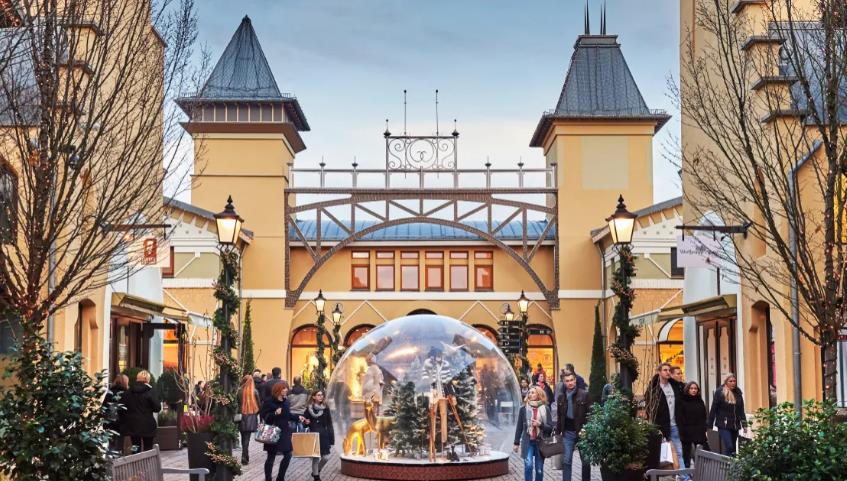
2025 Recommended Guides in Qujing (Updated December)
172 posts
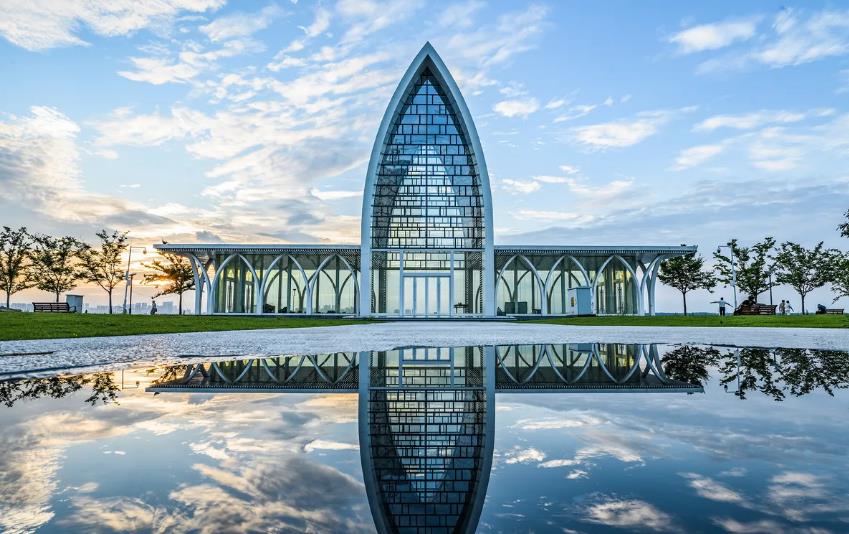
2025 Recommended Attraction in Qujing (Updated December)
128 posts
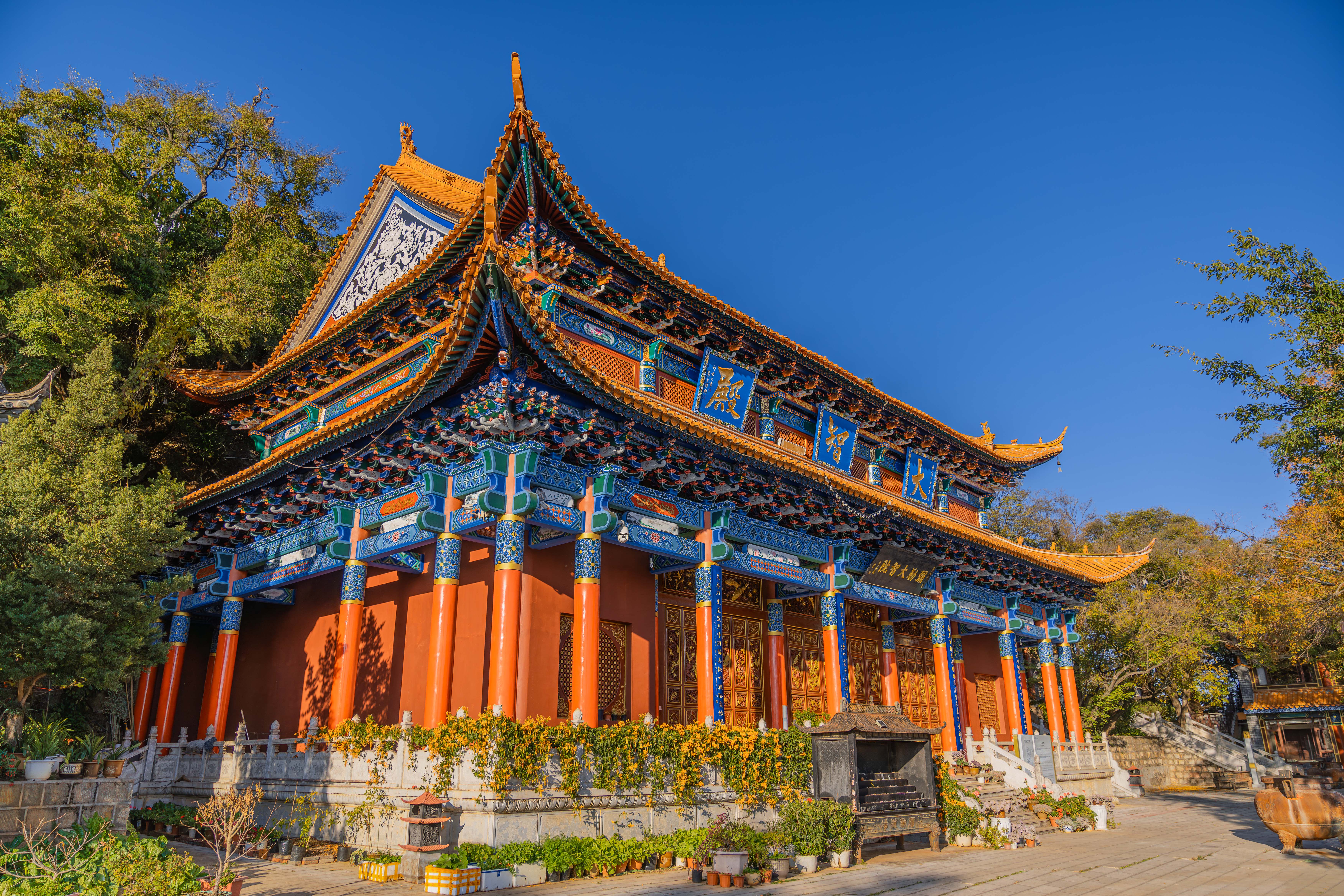
2025 Recommended Hotels in Qujing (Updated December)
70 posts

Destinations related to Qujing
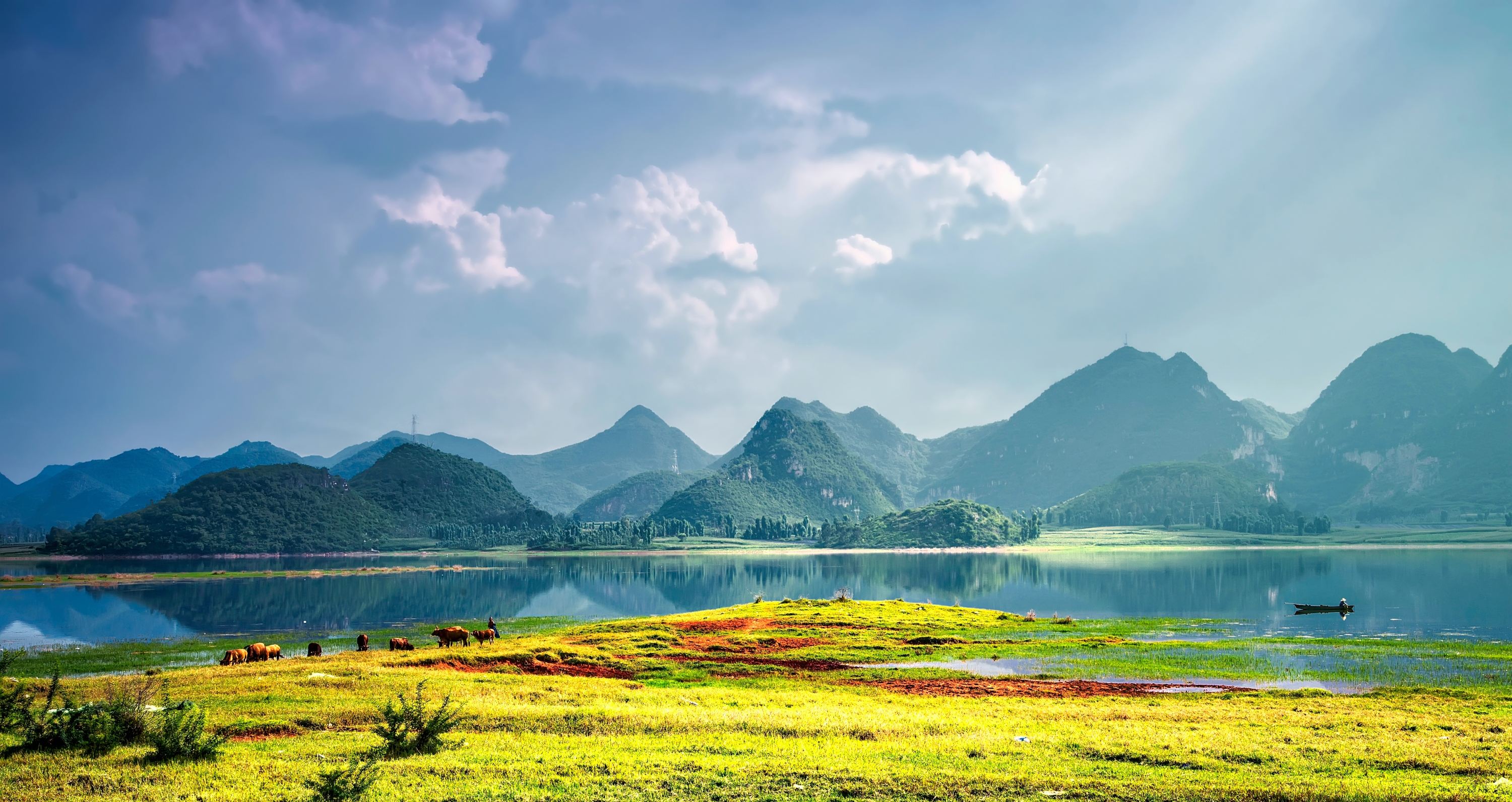
2025 Mile Travel Guide: Must-see attractions, popular food, hotels, transportation routes (updated in December)
887 posts

2025 Fuxian Lake Travel Guide: Must-see attractions, popular food, hotels, transportation routes (updated in December)
63 posts
2025 Oengz Liuhdoz Lueg Canghngw Travel Guide: Must-see attractions, popular food, hotels, transportation routes (updated in December)
25 posts
- 1
- 2
- 3
- 4
- 9
Post
More recommendations
Popular Trip Moments
Rapeseed Flower Sea Photography Guide | Seagulls never miss an appointment, and the seagulls of Qujing are back again | Discover a treasure trove of travel residences in Qujing—Malong Tugua Chong turns life in Yunnan into poetry | Check in at the Nizhu River Grand Canyon in Yunnan | Climb Liaokuo Mountain, Collect a City’s Autumn Colors | Qujing Scenery and Living Guide | Hidden in Fuyuan County, Qujing, Yunnan, is a small but beautiful ancient town. While its cultural and tourism resources aren't abundant, it exudes the unique charm of eastern Yunnan. | The Secret Waterfall Wonderland of the Earth's Core | Follow the Movie to the Palette Spilled by God — Qujing Colorful Sand Forest | Explore Qujing Like a Local | Huize: Capturing Mountains, Rivers, and Fireworks in Every Frame of the Journey | In the folds of clouds and city, encountering the warmth of a hundred thousand human lives | Smart guest room control hotels are amazing! | Ten-level water curtain, the stunning Luoping Jiulong Waterfall Group | The cluster of peaks and flower fields intoxicate my heart | Fuyuan First Impression: A Tranquil Small Town Hidden in Eastern Yunnan
Lvtu Hotel on Qingxi Road was the first touch of gentleness I encountered in Qujing Fuyuan. The front desk | Qujing Jinzuo! Moving into the Happy Planet | The "Renaissance" of Tugua Chong | #The 7th Lancang-Mekong International Film Week In the gentle embrace of Luliang, Qujing, in the land of colorful clouds, lies a place like a dreamland—the Colorful Sand Forest. | Yunán Huìzé Yùlù Great Earth Fissure | Qujing and Surrounding Areas Travel Guide for Old Friends – A Must-See for Your Trip, Super Awesome! | Qujing Colorful Sand Forest, unlock the same filming locations as in movies and TV shows | Yunnan Luoping's winter sea of clouds and peak forest, morning light as beautiful as a painting | Heqi Secret Realm Floral Countryside | "National Geographic" didn't lie to me—Luoping Spiral Terraces are truly as beautiful as the promotional photos! Winter and spring exclusive | Qujing Zhujiangyuan Avenue Must-Stay Internet Celebrity Hotel | December Reverse Travel, Budget Trips · 4 Lesser-Known Low-Cost Cities | A favorite spot for hiking enthusiasts | "A Love"-themed Boutique Artistic Town | Mingyue Mountain, Yichun, Jiangxi|A Real-Life Fairyland with Stunning Sea of Clouds Guide | Yunnan. Luliang City. Cuan Longyan Stele
Recommended Attractions at Popular Destinations
Popular Attractions in Bangkok | Popular Attractions in Manila | Popular Attractions in Tokyo | Popular Attractions in Taipei | Popular Attractions in Hong Kong | Popular Attractions in Seoul | Popular Attractions in Kuala Lumpur | Popular Attractions in Los Angeles | Popular Attractions in Shanghai | Popular Attractions in New York | Popular Attractions in Shenzhen | Popular Attractions in Osaka | Popular Attractions in Singapore | Popular Attractions in London | Popular Attractions in Guangzhou | Popular Attractions in San Francisco | Popular Attractions in Beijing | Popular Attractions in Macau | Popular Attractions in Bali | Popular Attractions in Jakarta | Popular Attractions in Paris | Popular Attractions in Ho Chi Minh City | Popular Attractions in Istanbul | Popular Attractions in Phuket | Popular Attractions in Chicago | Popular Attractions in Seattle | Popular Attractions in Toronto | Popular Attractions in Orlando | Popular Attractions in Cebu | Popular Attractions in Chiang Mai
Popular Restaurants in Qujing
源一咖啡馆(麒麟巷步行街店) | MA LONG JIN FA | 彼岸庭院私房菜 | 羊八碗 | 海底捞火锅(雄业金都店) | 云南人家(曲靖外滩店) | FU MAN LOU | 晟世仟和美食 | 陆良椒灶焖一锅(图腾商业中心店) | 德克士(麒麟区店) | 鸿福楼家常菜(九龙大道店) | 志晖园圆子鸡·辣子鸡(建宁店) | Jiahuabingwu (xuanwei'er) | 季季红火锅(新百大店) | 拽老汉蒸饵丝(总店) | 大富贵酒楼(南宁店) | Laosan'ersidian | 靖晨园(就业中心店) | 源一之青朴咖啡馆(酒吧街店) | 滇益圆沾益小粑粑(沃尔玛店) | 陈氏洋芋鸡 | 扎西达杰咖啡馆·酒吧 | 薇安咖啡 | 老字号张家辣鸡面馆(罗平总店) | CHAGEE霸王茶姬(陆良店) | 宣威民间菜 | FU YUAN DA HE JIN ZHU JIAO | 大竹签烤肉(总店) | 盛丰园 | 方寸咖啡
Popular Ranked Lists
Top 50 Must-Visit Restaurants in Changsha | Popular Luxury Hotels Near Fuyang | Top 50 Luxury Hotels near Chuzhou | Top 10 Luxury Hotels near Guangyuan | Top 50 Best Things to Do in Las Vegas | Top 50 Must-Visit Restaurants in George Town | Top 50 Best Things to Do in San Francisco | Top 10 Best Things to Do in Siem Reap | Top 20 Best Things to Do in Warsaw | Top 50 Must-Visit Restaurants in Kyoto | Top 50 Must-Visit Restaurants in Singapore | Popular Best Things to Do in Vladivostok | Top 50 Must-Visit Restaurants in Osaka | Top 50 Must-Visit Restaurants in Chaozhou | Top 50 Must-Visit Restaurants in Shanghai | Top 20 Best Things to Do in Langkawi | Top 50 Must-Visit Restaurants in Xi'an | Top 50 Must-Visit Restaurants in Sapporo | Top 50 Best Things to Do in Kyoto | Top 50 Best Things to Do in Prague | Top 50 Must-Visit Restaurants in Fukuoka | Top 50 Luxury Hotels near Kaiping | Top 20 Best Things to Do in Semporna | Top 50 Best Things to Do in Osaka | Top 10 Luxury Hotels near Anxi | Top 50 Must-Visit Restaurants in Florence | Top 50 Best Things to Do in Athens | Popular Luxury Hotels Near Huangling | Top 50 Must-Visit Restaurants in Songyang | Popular Luxury Hotels Near Qishan
About
Payment methods
Our partners
Copyright © 2025 Trip.com Travel Singapore Pte. Ltd. All rights reserved
Site Operator: Trip.com Travel Singapore Pte. Ltd.
Site Operator: Trip.com Travel Singapore Pte. Ltd.