2026 Linyi Travel Guide: must-see attractions, popular food, hotels, transport & travel experiences (updated in February)
Essential Travel Information for Linyi
Yimeng Mountain in Shandong's Linyi is a famous mountainous area in the southeastern part of Shandong. Mixing the beautifully raw scenery of northern China with the south's "fish and rice" (a Chinese way of saying "the Garden of Eden"), this is a stunning place. The rolling hills in the northern part are known as a natural oxygen bar. The southern part's Central Plain has sheaves of wheat that gently sway in the wind. A beautiful and elegant "Song of Yimeng Mountain” does an excellent job of evoking the imagery of Linyi with just a few words. Linyi is also a city with a profound historical and cultural heritage. Yinqueshan Han Tomb Bamboo Slips Museum has ancient copies of Sun Tzu's “The Art of War” and Sun Bin's “Art of War”, which were unearthed in 1972. The Former Residence of Wang Xizhi and the Xunzhi Tomb are also famous cultural tourism sites in Linyi.
Linyi Today's weather
Clear 5-17℃

Latest Travel Trends in Linyi
Popular Attraction in Linyi
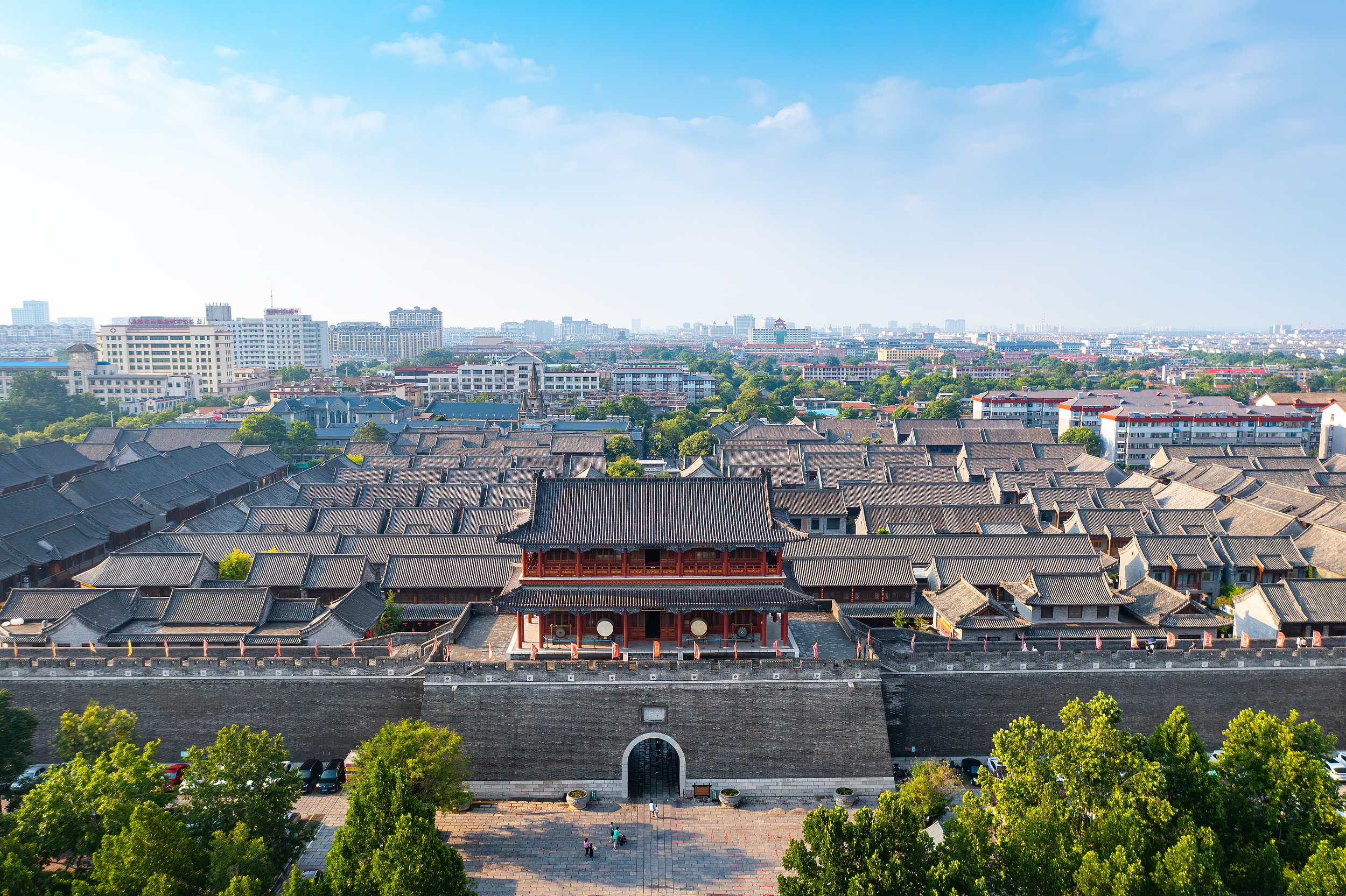
Langya Ancient City
(97)Yimeng Mountain turtle Scenic Area
(54)The National Forest Park of Mount Meng Shan
(46)Wang Xizhi's Former Residence
(34)Shandong Underground Grand Canyon
(27)Zhuquan Village
(22)Yimeng Mountain Inzone Tianmeng Tourist Area
(19)Firefly Stream Cave
(17)Yinqueshan Han Bamboo Slips Museum
(14)Guantang Hot Springs
(7)All Trip Moments about Linyi | Travel Experiences
An Ancient City with National-Level Night Performances
🏯 Langya Ancient City in Linyi, Shandong, is a massive ancient city with stone streets and traditional Chinese architecture. While it looks stunning during the day, the real magic happens at night with live performances throughout the day and night. 🎭 Must-See Shows 1️⃣ National Grand Show: Langya The main show of the city, lasting about an hour. With professional lighting, sound, and stage effects, it narrates the culture of Qi-Lu. Goosebumps guaranteed. 2️⃣ Water Show A spectacular display of water screen projections, lights, and molten iron performances. Best viewed before sunset for the perfect lighting. 3️⃣ Only This Langya – Fengming Street A 60-minute Chinese-style dramatic dance performance. The combination of architecture and night lights creates a breathtaking scene. 4️⃣ Lantern Parade A parade featuring lanterns, dragons, and drums. Route: Qinglong Bridge → Langya Square. Make sure to reserve your spot early. 5️⃣ Fireworks Show – Surprising Langya The highlight of the night. Watch it either inside the city (Mo Academy) or at the South Gate. It feels like a National Day celebration. 🌞 Recommended Itinerary Morning: Stroll and take photos. The lighting is perfect, and the stone streets exude a classic charm. Afternoon: Enjoy indoor shows. Evening: Parade and fireworks are the ultimate experience. Plan to stay the whole day. ✈️ Getting There Airport: Linyi Airport, about a 20-minute drive. High-speed train: Get off at Linyi Station or Linyi North, then take a taxi for about 20 minutes. Car: Large parking lot available at the entrance. 🏨 Where to Stay Stay near the ancient city area. Shows end late, so being able to walk back to your hotel is convenient and adds to the experience. 💰 Estimated Costs City entry + main show ≈ 150–300 RMB Food in the city ≈ 30–80 RMB/meal Hanfu rental for photos ≈ 80–200 RMB 🗓 Best Time to Visit Festivals/holidays = lively atmosphere. For less crowded photos, visit on weekdays. 📌 Location Search: 琅琊古城Crazy.traveler เที่ยวจะเครซี่5Sleeping so well at Lavande Hotel (Linyi Taisheng Plaza MixC Branch) in Linyi 💕
#November Getaways 2025 The hotel boasts a grand exterior and a spacious lobby. Upon entering, you're greeted by a pleasant reception area where a cup of aromatic coffee instantly soothes travel fatigue. The front desk service is attentive and friendly, and the check-in process is quick and easy. From the moment you step into the hotel, you'll feel right at home. The rooms are clean and tidy, with a bright and airy layout. The soft, skin-friendly bedding allows you to easily unwind after a day of sightseeing and enjoy a good night's sleep. Whether you're traveling with family and friends or enjoying a solo vacation, this hotel can meet your needs. The restaurant and laundry room are on the 5th floor. Breakfast was pretty good: two stir-fries, fried rice, fried noodles, and two bowls of porridge. I couldn't eat any more zongzi (sticky rice dumplings), which was the most I ate for breakfast this week. It also had my favorite tofu pudding.-何生-4A must-visit mountaintop pilgrimage site in this lifetime
Yantai Nanshan|Under the feet of the 38-meter tall Buddha, I caught the Buddha’s light of Bohai Bay When the morning mist wrapped the Bohai wind as it swept over the Nanshan ridge, the 38.66-meter tall tin-bronze Buddha was turning the first ray of light into gold leaf—I held the freshly offered lotus incense, stepping on the 360 steps engraved with “Namo Amitabha,” suddenly understanding the true meaning of “every step blooms a lotus”🌊 🌅 Daytime: The 360 “Heart Cultivation Steps” before the Buddha The best photo spot of the Nanshan Buddha is hidden midway on the steps! Squatting beside the golden lotus on the 180th step, framing the red walls, Buddha’s palm, and sea of clouds together, when the wind lifts the Hanfu skirt, a friend exclaimed, “This is a divine maiden straight out of Spirited Away!” Don’t panic when you reach the top to touch the Buddha’s palm—gently touch the palm clockwise in the “Fearlessness Mudra,” and sunlight will just leak through your fingers, wrapping even your hair in soft light. The Hall of Ten Thousand Buddhas beneath the Buddha’s seat is best shot looking up: 9,999 small golden bronze Buddhas surround the dome, standing in plain-colored skirts in the center of the hall, as if fallen into a pile of starlight. The Jade Buddha Hall’s reclining Burmese jade Buddha is best photographed early! The hall doors open just before 8 AM, and the morning light slants across the 13.66-meter jade figure. Squatting by the Buddha’s feet to shoot a side profile, the curve of the skirt’s drape perfectly catches the golden edge of the Buddha niche. The Huayan World musical fountain is a delightful surprise! At 10:30, the mist wrapped in Buddha light drifts over; standing with an umbrella in front of the red wall, water droplets splash on the skirt, making the lens look like it’s filled with scattered diamonds✨ 🌇 Evening: The “Buddha’s Sunset” over Bohai Bay The Tang-style hall in the Historical and Cultural Park is best visited at dusk! The vermilion walls are dyed orange by the setting sun. Standing under the eaves to shoot silhouettes, the flying corners hook the evening glow, and even the breath is wrapped in the spirit of the flourishing Tang dynasty. The Buddha light at the East Sea Pier is the grand finale! Wait for the Buddha’s shadow to stretch over the sea, sit on the stone steps of the pier, framing the Buddha’s palm, sunset, and waves together—when you press the shutter, the wind just blows the skirt into the shape of lotus petals. A friend said this shot is “Buddha crossing the vast sea.” 📸 Private travel photography tips 1. Outfit suggestion: Wear off-white or dark blue Hanfu for the best contrast with the red walls and golden Buddha; bring a thin cloak, as the mountaintop is 5°C cooler than the base 2. Pitfall warning: Don’t wear high heels on the 360 steps! The scenic area’s electric shuttle costs 20 RMB per person and can save you 20,000 steps; flash photography is prohibited inside the Buddha halls 3. Hidden photo spots: The “Longevity” character cliff to the Buddha’s left is perfect for shooting the Buddha’s palm holding the sunset; the mirrored wall at the Jade Buddha Hall elevator entrance can capture the jade Buddha and overlapping human shadows When descending, the Buddha lamps just light up, and the light flows down the steps like a golden river. It turns out that autumn at Yantai Nanshan blends Buddha light, red walls, and Bohai wind together, letting every visitor carry home a pocketful of “Buddha’s sweetness.”WanderlustWonders73. A must-go for families! Linyi Weekend Kids Outing Guide: Learn while playing without tiring mom
Unlock the correct way to enjoy Linyi with kids: 3 major attractions for a fun weekend Linyi Langya Ancient City + Botanical and Zoological Garden + Longyuan 2-day in-depth guide (including attraction details, activities, tickets, itinerary), taking you on an immersive tour of three core attractions: 📌 Attraction 1: Langya Ancient City (Immersive Culture + Performances) Basic Information - Location: Intersection of Binhe East Road and Nanjing Road, Hedong District - Hours: 10:00-20:00 - Tickets: - Ancient City Ticket: Adult 68 RMB (group purchase) / Discounted 75 RMB (children 1.3-1.5m / students / seniors 60-70 years old) - Combo Ticket (including "Guoxiu·Langya" show): Regular seat 198 RMB / VIP seat 238 RMB - Free Admission: Children under 1.3m, seniors over 70, active military personnel, etc. Core Activities 1. Seven Immersive Streets - Langya Secret Realm: Wear Hanfu (rent at the park, 50 RMB/hour) for ancient-style photos, interact with NPCs (Langya scholars); - Yizhou Government Office Area: Experience a "case-solving" drama, tap the judge’s wooden block for fun; - Tang Food Market: Eat Linyi fried chicken, san tang soup, pancake rolls with crispy snacks, while watching street acrobatics. 2. Must-see Performances - "Guoxiu·Langya" (indoor, 1 hour): Using sound, light, electricity + mechanical effects to perform Linyi’s 3000-year history (VIP seats recommended for better view); - "Only This Langya" (free at night): 500-meter aerial corridor immersive show, watch Liu Jing’s capital relocation and Wang Xizhi’s calligraphy duel; - Iron Flower Forging (intangible cultural heritage performance): Night show at 19:30, spectacular sparks flying. 📌 Attraction 2: Linyi Botanical and Zoological Garden (Family + Nature) Basic Information - Location: Intersection of Shu River Avenue and Yan’an Road, Economic Development Zone - Hours: 08:30-17:30 (March-October); 08:30-17:00 (November-February) - Tickets: - Adult ticket + sea lion show: 54.9 RMB - Free Admission: Children under 1.4m, seniors over 60, etc.; Half price: ages 6-18 / students Core Activities 1. Star Animal Check-ins - Panda Pavilion: Watch the “round and chubby” pandas munch bamboo (feeding peak 9:00-10:00); - Primate Area: Golden monkeys leap in treetops, chimpanzees are highly interactive; - African Savannah Area: Giraffes, zebras, hippos (hippos come out of water after 14:00). 2. Shows + Experiences - Sea Lion Show: 5 daily performances at 10:30/11:30/13:30/15:00/16:30; - Amusement Area: Ride the Ferris wheel, 5D cinema (extra fee, 10-20 RMB per item). 📌 Attraction 3: Longyuan (Dragon Culture + Jiangnan Style + Family) Basic Information - Location: 5 km north of Binhe Avenue, Tangtou Town, Hedong District - Hours: 08:00-17:00 (ticket sales stop at 16:00) - Tickets: Adult 78 RMB / Children/Students 39 RMB Core Activities 1. Dragon Culture + Jiangnan Garden - Dragon Culture Museum: See the 7-meter-long “China’s First Golden Phoebe Dragon,” visit the Red Bridal and Ancient Bed Museum (Ming and Qing furniture exhibition); - Ancient City Water System: Walk the Yulong Lake and Fengqi Lake boardwalks, take photos of Jiangnan water town scenery (Hanfu recommended). 2. Family + Leisure - Dinosaur Park: 1:1 scale dinosaur models (move and roar), ride the “Dinosaur Adventure Train” through the Jurassic; - Little Dragon People Playground: Play on the water suspension bridge, expansion camp, recommended to rent a mobility vehicle for kids (30 RMB/hour); 🗓️ 2-Day Itinerary Day 1: Langya Ancient City (Immersive Culture) - Morning: Enter at 10:00 → Explore Langya Secret Realm (wear Hanfu for photos) → Yizhou Government Office Area (experience case-solving) - Noon: Eat Linyi fried chicken + san tang soup at Tang Food Market - Afternoon: Watch "Guoxiu·Langya" show → Stroll through Yimeng Old Street (listen to revolutionary songs) - Evening: Watch "Only This Langya" + Iron Flower Forging → Return to hotel This is the GreenTree Inn Select Hotel in Linyi, a modern minimalist multi-story building with a fresh and eye-catching white and green color scheme. The evening lighting creates a great atmosphere~ The guest rooms are simple and comfortable: the twin room is spacious, with natural wood floors and light-colored walls creating a cozy feel. Equipped with a desk, tea set, and smart TV (can stream movies and call for service), the details are very thoughtful, suitable for family trips or regular stays~ Day 2: Botanical and Zoological Garden → Longyuan - Morning: Arrive at 8:30 at the Botanical and Zoological Garden → See pandas → Sea lion show → Explore African Savannah Area - Noon: Have a light meal at the park restaurant (recommend the “Panda-themed set meal”) - Afternoon: Head to Longyuan before 13:00 → Visit Dragon Culture Museum → Dinosaur Park → Ride the little train → Take photos in Jiangnan Garden - Evening: Return at 17:00AQOOO4Explore "China's Most Beautiful Village" for 400 yuan! Lanling 2 Days 1 Night Budget Travel Guide, 10,000 Acres
Autumn Special · Lanling 2 Days 1 Night Romantic Escape ≤ 400 yuan】✨ Lanling County in October is simply stunning! Golden waves of rice + dreamy flower seas + ancient village secrets, every snap is an autumn fairy tale blockbuster~ Also praised by National Geographic as a hidden gem in southern Shandong, the cost performance is unbelievably high! 📍Location: Lanling County, Linyi City, Shandong Province ⌚Best time to visit: Mid-October to early November 🚄Transportation Guide (about 200 yuan): ✔️High-speed train to Linyi North Station ✔️Transfer to a direct bus to Lanling (round trip + scenic area shuttle bus) 💡Tips: Buying tickets in advance saves more! 🏨Accommodation Recommendations (1 night ≈ 80 yuan): 1️⃣ Yayougou Homestay Area - quaint and charming (Address: Yayougou Scenic Area, Lanling County) 2️⃣ County fast hotels - convenient transportation All these accommodations are super close to the main scenic spots~ 🍽️ Taste of Lanling (80 yuan for two meals): 🔥Must-try foods: ✔️Lanling fine wine with stewed chicken - 38 yuan/serving ✔️Garlic-braised eel - 32 yuan/serving ✔️Claypot tofu, handmade by local farmers 40 yuan per person to enjoy the most authentic farmhouse flavors! 🥘 📸 Stunning photo spots to add to your list: 💛 Lanling National Agricultural Park (Entrance fee 60 yuan) Millions of sunflowers + pink muhly grass! Ride the countryside mini train through the flower sea, like stepping into a fairy tale world~ Open 8:00-17:30 🏡 Yayougou Ancient Village (Free) Stone walls and wooden houses + autumn leaves, rocky steps perfect for Japanese film-style photos! Address: Jinling Town, Lanling County 🧥 Former Zhiqing Village Site (10 yuan) Wear a military coat and check in at the old red brick houses with slogans, instantly traveling back to the 1970s! Address: Lanling Town, Lanling County 🛕 Ruins of the State of Zeng (Free) Millennium-old city walls + golden autumn fields, every shot is a historic masterpiece! Recommended to visit at sunset~ 🌾 Linma Lake Wetland Boardwalk (Free) Reeds in the morning light + water birds flying by, breathtakingly beautiful! Best shooting time 6:00-8:00 📅 Recommended itinerary: Day 1️⃣ Agricultural Park + Yayougou Ancient Village (flower sea by day + ancient village at dusk) Day 2️⃣ Zhiqing Village + State of Zeng Ruins + Linma Lake Wetland (culture + nature) 💰Total cost revealed: Transportation 200 + Accommodation 80 + Food 80 + Tickets ≈ 360 yuan (Most attractions offer combo ticket discounts!) 📸 Photo tips: ✅Wear forest-style long dresses/vintage workwear ✅Enter before 9:00 for good light and fewer people ✅Shoot flower sea against the light for stunning effects ✅Bring props like straw hats/bamboo basketsLunaMysticwhisper899Linyi City Three-Day Tour Travel Guide
📍 Highlights: Red Yimeng, Underground Canyon, Han Tomb Bamboo Slips, Pancake Feast 👫 Suitable for: History buffs, nature lovers, food hunters, families with children 💰 Budget reference: 700-1200 RMB per person (including round-trip transportation from Jinan/Qingdao) 📅 Itinerary Day 1: Yimeng Spirit & Underground Wonders 🚄 Morning: Arrive in Linyi High-speed train from Jinan 1 hour / Qingdao 2.5 hours to Linyi North Station, car rental recommended (attractions are scattered) Accommodation options: Lanshan District in the city (recommended "Lushang Pullman" near Yi River) Yishui County (convenient for next day canyon tour, choose "Yishang Hot Spring Resort") 🏛️ Morning: Red Baptism East China Revolutionary Martyrs Cemetery (free, Anti-Japanese War Memorial Park) Climb the Revolutionary Martyrs Memorial Tower for a city view Yimeng Revolutionary Memorial Hall (free, immersive scene exhibition) 🌯 Noon: Pancake Universe Gaowei Fried Chicken (Yimeng Mountain free-range chicken + freshly baked pancakes) Hidden way to eat: Pancake rolled with crispy fried dough + scallions dipped in sauce ⛰️ Afternoon: Geological Miracle Underground Grand Canyon (ticket 98 RMB, must-try cave drifting) Tips: Wear non-slip shoes, constant temperature 18°C inside the cave For families: Firefly Water Cave (magical insect swarm + Butterfly Valley) 🌙 Evening: Hot Spring Healing Guantang Hot Spring (night ticket 78 RMB, Tang Dynasty style pools) or Yizhou Ancient City Night Market (try "Ta Pancake" with lamb soup) Day 2: Han Tomb Exploration & Daigu Landform 🏺 Early morning: Travel back 2000 years Yinqueshan Han Tomb Bamboo Slip Museum (free, see original "The Art of War") Interactive experience: Bamboo slip rubbing (30 RMB per piece) 🏞️ Morning: Grassland on the Hill (1.5-hour drive) Daigu Landform Scenic Area (ticket 80 RMB): Check in at Shenfo Hill, natural Buddha statue Military industry site, Third Front Memory Museum (brings tears to the older generation) 🍲 Noon: Mountain Wild Flavor Bachelor Chicken (Mengyin County "Li Er Fresh Fish Village", firm chicken meat) Must-try wild vegetable: Sichuan pepper sprouts scrambled with eggs 🌊 Afternoon: Water Charm Time Yunmeng Lake (free, Shandong’s version of "Thousand Island Lake") Boat tour (50 RMB per person), autumn red leaves on the shore or Wang Xizhi’s Former Residence (ticket 40 RMB, see "Ink Washing Pool") 🌙 Evening: Linyi Night Feast Xiangmin Fried Chicken Old Shop (main store queue starts at 1 hour, recommend arriving at 5:00 PM) Snack surprise: Old night market "San" soup with fried dough sticks Day 3: Hometown of the Sage of Calligraphy & Return 🖌️ Early morning: Ink fragrance and morning light Calligraphy Square (free, ground engraved with famous calligraphy copies) Linyi Museum (free, Wu, Bai, Tao Han dynasty stone portraits) 🛍️ Morning: Souvenir Shopping Must-buy list: Yimeng Mountain Pancakes (vacuum packed, recommended "Six Sisters" brand) Lanling Fine Wine (same style as Li Bai’s, choose "Ten-Year Aged") Xu Gong Inkstone (one of China’s four famous inkstones) 🍜 Noon: One Last Fresh Bowl Before Leaving Old brand Yu’s San Restaurant (beef San + black pepper punch) or Tancheng Donkey Meat ("Heavenly Dragon Meat" with baked flatbread) 🚄 Return: Recommend buying afternoon train tickets (can bring pancakes + pickles to eat on the way) 💡 Local Insider Tips ✔ Transportation: Daigu/Underground Canyon recommend charter car (about 500 RMB/day) Ride shared electric scooters in the city to explore the old town (2 RMB per ride) ✔ Accommodation Tips: Hot spring hotels cheaper on Sunday check-in, about 40% less than Friday Yishui County accommodation is cheap but dining options are limited ✔ Pitfall Guide: Be cautious buying "wild Ganoderma" in scenic spots, mostly cultivated Ask for "mild spicy" when ordering fried chicken (Linyi medium spicy = very spicy elsewhere) ✔ Seasonal Specials: April: Yimeng Mountain Peach Blossom Festival July: Best time to see fireflies in the water cave October: Daigu Landform Red Leaf Festival ⛰️ Linyi is an epic forged by mountains, waters, and flames of war! Three days and two nights, from the sword shadows on bamboo slips to the lively world in pancakes, ending with washing away fatigue in hot springs~Harris Katherine Kath4Drift through the underground river, traverse the firefly cave, and rediscover a simple yet passionate northern mountain city vibe
【3 days 2 nights, about 3700 RMB per person! Linyi Guide: Red Yimeng, City of Mountains and Waters】 Day 1: Arrive by high-speed train at **Linyi North Station** (about 1.5 hours from Jinan/Qingdao, round-trip high-speed train about 400 RMB), check into a quality city hotel (such as Blue Ocean International, Holiday Inn Express, 500 RMB/night × 2 = 1000 RMB). In the afternoon, visit the 【East China Revolutionary Martyrs Cemetery】 and 【Linyi City Museum】 to learn about the Yimeng spirit and millennium-old history and culture. In the evening, stroll around 【Wuzhou Lake Scenic Area】, watch the fountain light show, and enjoy the city's tranquility. Day 2: Charter a car to 【Underground Grand Canyon】 (1-hour drive, round trip about 300 RMB) — explore the karst caves and experience the thrilling "underground river drifting" (ticket + drifting 120 RMB). In the afternoon, visit the nearby 【Firefly Water Cave】, take a boat through the glowing insect cave, dreamy like a galaxy (ticket 90 RMB). Stay at a comfortable hotel in Yishui County (300 RMB), and for dinner try Yimeng fried chicken, wild mountain vegetables, and pancake rolls with crispy fried dough. Day 3: Climb 【Mengshan Tourist Area · Yunmeng Scenic Area】 (1.5-hour drive, charter about 400 RMB), known as a "natural oxygen bar," hike to Qilu Wanghailou, and see vast pine forests and cascading streams (ticket 80 RMB). Alternatively, choose 【Daigu Landform Scenic Area】 to experience the Third Front military industry culture and the grassland scenery on the summit. Before returning, visit 【Taisheng Plaza】 or 【Hexie Plaza】 to buy souvenirs: eight-treasure porridge canned food, Mengyin dried peaches, Yimeng black goat products. 💰Budget details: Transportation 700 (high-speed train + city + charter) + Accommodation 1300 + Food 600 + Attractions and experiences about 300 ≈ **3700 RMB** 📌Tips: - The caves are slippery and cold; it is recommended to wear non-slip shoes and bring a light jacket; - The Mengshan hike is moderate in difficulty; you can choose the cable car to save energy; - Pancakes and mixed grains are suitable for vacuum packing to take away. ⚠️Warnings: ❌ "Free guides" at scenic spots are actually salespeople; follow with caution; ❌ Street-side "specialty supermarkets" have high markups; it is recommended to compare prices before buying. Three days and two nights, step into Linyi. Here, there is not only red revolutionary memory but also magnificent mountains and waters and authentic local life. Come here, drift through the underground river, traverse the firefly cave, and among the Yimeng mountains, rediscover a simple yet passionate northern mountain city feeling.Loy Kerluke46Linyi 24h Wanderlust: Stay at Orange Hotel, Explore Langya Ancient City, Attend Angela Chang's Concert
Linyi 24h Wanderlust: Stay at Orange Hotel, Explore Langya Ancient City, Attend Angela Chang's Concert On a whim, I decided to visit Linyi for the weekend, meticulously planning my accommodation, sightseeing, and the concert. This trip was absolutely legendary! Our first stop was the Orange Hotel Linyi Hedong Langya Ancient City. Upon check-in, I was immediately charmed by the warm-toned lobby. The front desk staff was incredibly friendly and proactively provided directions to the ancient city and the concert venue – perfect attention to detail. The room was clean and spacious, and the bedding was so soft it felt like being wrapped in clouds; I instantly relaxed after putting down my luggage. The most thoughtful part was the hotel's location, just a 5-minute drive from Langya Ancient City and a 20-minute drive from the concert venue. The location was truly fantastic! After settling in, we headed straight to Langya Ancient City. The bluestone paths wound forward, and the ancient buildings with their upturned eaves exuded an antique charm. It was super atmospheric to stroll around during the day. There were many handicraft shops and Linyi specialty snacks along the street. I bought a freshly made 'san tang' (porridge) with fried dough sticks, which was warm and comforting for the stomach. In the evening, the ancient city's lanterns slowly lit up, and the light and shadows on the walls were particularly photogenic. Every casual shot looked like an ancient-style blockbuster. The main event, of course, was Angela Chang's concert! We left the hotel early, and traffic was smooth. The atmosphere was absolutely electric. When the intros to "Adiao" and "The Lost Goodness" began, the entire audience sang along, and tears instantly welled up. Angela Chang's voice was both sweet and powerful, and I was completely immersed in the entire performance. Afterward, we walked back to the hotel, feeling completely at ease without having to rush home late at night. This trip to Linyi, with comfortable accommodation, enjoyable activities, and a fantastic show, was simply the perfect weekend template. I'm already looking forward to my next visit!Maximus_Blackwood/595Explore Langya Ancient City in Linyi
Stay at the treasure hotel in Langya Ancient City and embark on a refined travel photography journey. Discover must-visit photo spots, immerse yourself in cultural narratives, savor local cuisine, and enjoy comfortable accommodations. Tips for transportation and touring ensure a seamless experience in this historical gem.希岸輕奢酒店(臨沂市河東區琅琊古城店)3Langya Ancient City
A Shining Pearl of Ancient Charm Langya Ancient City is located in Linyi, Shandong. It is like a vivid history book, showcasing a thousand years of history. As you enter the scenic area, the ancient-style buildings are arranged in an orderly manner, with flying eaves, bucket arches, carved beams, and painted rafters, all exuding a simple and elegant charm. Walking through the bluestone streets and alleys, you feel as if you have traveled back in time to ancient times, experiencing the bustling prosperity of the past. The architectural style here combines the grandeur and magnificence of the north with the grace and beauty of the south, creating a unique charm. The scenic area is rich in cultural heritage, with many historical relics and stories. From the ancient Langya County seat to the poems and essays left by literati and scholars, all add a strong cultural atmosphere. Visitors can experience local folk customs in the traditional folk museum and choose exquisite souvenirs in specialty shops. Every night, when the lights are on, the ancient city presents a different scene. Under the illumination of the lights, the ancient city is like a dream, intoxicating people. Whether you are a history and culture enthusiast or a tourist looking for a relaxing vacation, Langya Ancient City offers a unique and unforgettable experience, making it a must-visit tourist destination.Love.Ivy.3Linyi luxury light hotel that young people love!
Linyi luxury light hotel that young people love! Stayed at Morandi for two days The service experience is really extraordinary! It's in the CBD building! The 24-hour butler is really considerate! Any needs can be met by telling the butler directly The room has a wide view and there is a bathtub. It's so comfortable to take a bath and sleep beautifully~ The environment is very stylish, simple and atmospheric, it's comforting to look at The breakfast combines Chinese and Western styles. It's so happy to have breakfast in the sun on the top floor! The breakfast variety is quite a lot and the taste is not bad! It's the first choice for business trips or anything! George Morandi Hotel is located at the intersection of Hongqi Road and Xinhua Road in Lanshan District, in the center of Linyi city, overlooking the economic and cultural core area of Linyi. The hotel has various luxury characteristic rooms, equipped with ample ground parking lot, Chinese and Western self-service breakfast restaurant, fashionable bar, multi-functional conference room and other service facilities, fully meeting all the needs of accommodation, leisure, shopping, conference and other travel. George Morandi Hotel is a leading design trend of high-end business hotel, facing the high-end market, in addition to the extremely excellent design sense, the hotel rooms, facilities, equipment have reached the high-end standard.dorian_18299beautiful
beautiful Qindao. It was amazing there, I hope I will go there in summer again. The city is very interesting and fresh. #happynewyear_We***9242Beautiful
Beautiful China... I hope everyone could se this beautiful country and see the amazing things this country has to offer. #happynewyear_We***9220Stunning winter rime ice paradise
Baihuayu After Snowfall | A Hidden Gem in the Heart of Mengshan Mountain, Less Crowded and More Relatively Quiet ❄️After a snowfall, this place becomes the quietest blank canvas of Yimeng Mountain. No need to go to Northeast China; you can experience healing mountain snowscapes right here in Shandong. 📍Core Location (Must Mark) Taoxu Town, Mengyin County, Linyi City, Shandong Province Northern foothills of Mengshan Mountain, border of Yunmeng Scenic Area, within Yimeng Mountain Geopark Surrounded by 5 peaks over 1000 meters high (Tianmeng Peak/Dayun Peak/Xiaoyun Peak, etc.) One of the highest altitude villages in Mengyin, pristine and undeveloped Hidden deep within the scenic area yet free of charge, a truly hidden gem 🌨️How Stunning After a Snowfall Mountains draped in white, streams frozen, snow clinging to the branches of century-old chestnut trees Smoke rising from stone houses, mountain paths, light frost... Like a slowly unfolding ink painting scroll Few people, tranquil scenery, every snapshot is a cover-worthy masterpiece ✨Why Choose Here?✅ Unique Location: One of the four scenic wonders of Mengshan Forest Park, combining canyons, streams, and high-altitude snowscapes. ✅ Quiet and Less Crowded: Avoid the crowds and enjoy the tranquility of the mountains. ✅ High Photo Potential: Post-snow morning mist, sunset over mountain ridges, icy streams, and ancient trees create a truly immersive atmosphere. ✅ Wild and Untouched Charm: A Natural Botanical and Zoological Garden, the Winter Forests Exude an Ethereal Beauty 📸Key Spots ▪️Ancient Chestnut Forest with Snow-Covered Branches at the Village Entrance (Minimalist White Space) ▪️Icy Stream and Stone Houses in the Mountains (Healing Rural Feeling) ▪️Thousand-Meter Peak Ridge (Grand Snowscape) ▪️Frosty Forest Trail (Quiet and Refreshing Forest Feel) 🧳Travel Tips ▪️Directly accessible by car, road conditions are good, but slip-resistant clothing is recommended in winter. ▪️Wear non-slip shoes and a warm jacket, as mountain temperatures are lower. ▪️Stay overnight at a guesthouse for the double benefits of morning mist and sunset. ▪️Lightly pack for hiking, safety first, avoid off-the-beaten-path trails. This winter, skip the crowds at popular tourist attractions. Come to Baihuayu in the heart of Mengshan Mountain for a quiet and pristine snow experience. Off the beaten path, untouched, and breathtakingly beautiful, it deserves to be added to your itinerary.beadlike.briannaA great place to visit during the Spring Festival: Linyi, where you'll encounter a sea that seems to glow.
Avoiding the crowds during Chinese New Year, my sisters and I visited the newly opened Linyi Polar Ocean Kingdom and didn't want to leave! Each of the four floors is a different world, an immersive underwater dream experience—my phone's memory card is overflowing with photos! 📸 ✅The underwater tunnel on the first floor is amazing!! I was blown away as soon as I entered!! Sharks 🐠🐟🦈 swam overhead, and stingrays seemed to fly through the water—the lighting was breathtakingly beautiful! ✨ The mermaid show is a must-see!! Russian girls danced underwater, like a real fairytale 🧜 The jellyfish palace is a must-visit; the silhouette photos are stunning, and my nine-grid post on WeChat Moments got tons of likes! 📸 ✅The second floor is like stepping into Antarctica!! The baby penguins walking, waddling around, are so cute! The polar bears are huge and fluffy—I just want to pet them! There's also a dolphin and sea lion show; they're so intelligent!! It claps and spins around, making the kids scream with excitement! 👏 ✅The third floor is a paradise for kids and a photo hotspot! The tropical rainforest setting is incredibly realistic, with waterfalls, vines, and a transparent crystal palace—everywhere you stand feels like you're in the Amazon! 🌿 Angelfish swim around you, their vibrant colors like living gems. The non-motorized children's playground is huge; kids can't get out once they're in! 😂 ✅The fourth floor is a hidden gem! The mist, the sound of flowing water, and the cascading vines create an Avatar-like atmosphere! 🌌🌳 The interplay of light and shadow makes for amazing photo opportunities. The reptile area even has chameleons!! Kids will be incredibly curious! 🦎 🌟Limited-time Chinese New Year surprise! 📷 Amazing New Year photo frames! Don't forget to take a picture! There are also NPC interaction photo opportunities in "Parallel Sea: Guardians of the Blue," super ceremonial! 📯 No need to squeeze into crowded temple fairs. Here you can have fun and take unique New Year family photos 👨👩👧👦. It's cold outside in winter, but warm and cozy inside watching the fish swim around is so comfortable! This Spring Festival, why not dive into the ocean and spend a "blue" year! 💙 📍Linyi Polar Ocean Kingdom (next to Linyi Zoo and Botanical Garden)Liam.Roberts@81Hello Linyi! I'm ready for market!!
Hello Linyi! I'm ready to go!! Linyi! When I was a kid, all I remembered about visiting was rafting 🚣🏻♂️. But after enjoying so much fun and delicious food, we all started to doubt ourselves: "The Linyi I remember isn't like this!" Salute to our Shandong brothers 🫡 - Picture 2️⃣-Picture 3️⃣: Hongshou San Guan (Yinan) I randomly entered this san shop because they were frying dough sticks at the entrance 🧏🏻♀️. A small, charming shop that's hard to find even on a map. The proprietress deftly beats the eggs and then ladles in the boiling san soup. After serving, simply dip the freshly fried dough sticks into the soup. Soft, chewy, and with a meaty aroma—so delicious! Figures 4-8: Jin Jia Halal Whole Beef Restaurant (Old Established) Linyi really knows how to cook meat! It retains a slight gamey flavor while still offering a unique taste. Generous portions at affordable prices! 🈚️ No dish is a disappointment! 【Mixed Pepper Beef Heart Tube】Does anyone know what this is?! It's truly divine! Thick, incredibly elastic, and tender. 【Salted Lamb】Even the leaner parts have a milky aroma. 【Spicy Beef Brisket】and 【Braised Eggplant with Minced Beef】are two perfect dishes to eat with rice. The price for their deliciousness is a generous amount of oil. I don't care, winter is for eating oily meals! 【Jin Jia Stir-Fry】must be eaten wrapped in a pancake. The crushed peanuts are a delightful surprise! 🥜 And be sure to try the grilled version! Unlock a new noodle dish! ✅ Pictures 1️⃣0️⃣-1️⃣6️⃣: Xu Ji Halal Restaurant I was so craving beef heart tubes that I searched everywhere for restaurants that served them. Sure enough, halal restaurants are a reliable and excellent choice! (This restaurant is generally on the heavier side.) 【Cumin Beef Heart Tubes】Still chewy and bouncy, just not as thick as yesterday's. 【Fried Beef Strips】I was so happy eating them! Not big chunks of meat, but you have to savor the meaty flavor after each bite. 【Fried Potato Chips】The first bite was unremarkable, but they were the first to be finished. They get crispy when they cool down, with more potato aroma and a softer, more chewy texture than regular potato chips. 🥔 【Lamb Soup】Super delicious! Linyi lamb soup is amazing, it looks so clear! It smells wonderful, not gamey at all! One bowl and I felt like I forgave the cold of the entire winter! You absolutely must try the small pancakes in pictures 1️⃣ and 5️⃣! Shandong people are truly masters at making these kinds of grain-based noodles! 🙋🏻♀️ 📣Linyi, wait for me! I'll be back!!WayfarerWanderingsLate-night food temptation! Linyi's nightlife starts with a plate of stir-fried chicken.
From the ancient city of Langya, drive ten minutes to find this old Xiangmin fried chicken restaurant. Good guy, it's almost midnight and there are still dozens of cars parked at the door. You can tell by the situation that you've come right! Linyi fried chicken is really popular! The shop has a huge space, low tables, full of fireworks. The signature little rooster must order! The chicken is tender and flavourful. The spicy food is so addictive! Freshly made fresh shrimp and leek box, one bite full of fresh fragrance, directly seal the god! 🍃Store Environment: Typical Linyi local restaurant style, spacious space, clear low tables and horses, noisy and full of life, perfect for experiencing the local market culture. ✅ Dishes Recommended: ✨ Linyi Fried Chicken (Specialty Little Rooster): Well-deserved! The chicken is firm and not sticky, covered with a thick and savory sauce, slightly spicy and fresh, you will fall in love with it in one bite! ✨Fresh Shrimp and Leek Box: Highly recommended! The crust is crispy, the filling is whole shrimp + tender leek, full of juice! 🕐Opening Hours: 10:30-22:00 💰Average consumption per person: 68 yuan 📍Detailed address: 68 meters north of the intersection of Chengdu Road and Wenlianghe Road, Lanshan District, Linyi City (Chengdu Road North Tingxiang County West Street)PRISCILLA OLSONLinyi Fried Chicken
I discovered this super popular stir-fried chicken place on Xiaohongshu (a Chinese social media platform), and since I was in Jinan for the holidays, I absolutely had to try it!! It was absolutely amazing! The overall flavor was a perfect balance of savory, spicy, and numbing. The chicken was incredibly tender, with all the juices locked inside. The side dishes included crispy lotus root, green peppers, wood ear mushrooms, and peanuts, all soaked up in the broth—it was so incredibly delicious with rice! 🍚 The portions were incredibly generous! We ordered two servings of stir-fried chicken for only 100 yuan!! The value for money was incredible 😭 The ambiance was also fantastic! The decor was exquisite, with lots of retro posters on the walls, and the whole space was bathed in warm colors—perfect for taking photos! 📸 They also have many other delicious dishes! You can order braised pig's trotters, braised eggs, fried dough sticks, and cold noodles. This stir-fried chicken is definitely the best I've ever had!! A must-try!! ️ 🏠: Xinghualou Fried Chicken (Qianfoshan Branch) 📍: No. 62-1, Qianfoshan East Road (700 meters walk from Exit A of Qianfoshan Metro Station)ANSLEY BECKIn the heart of the bustling city, away from the hustle and bustle, choose Vienna International.
Vienna International Hotel (Linyi Taisheng Plaza MixC Branch) is a high-end brand chain hotel under the Jinjiang Group. Opened in 2024, its facilities are all brand new. The hotel lobby blends classic and modern elements, with an overall simple European style that exudes elegance from the moment you step inside. 🏨【Hotel Address】: The location is absolutely fantastic! Located at No. 123 Yinqueshan Road, Lanshan District, it's right next to Taisheng Plaza and MixC. It's incredibly close to People's Square and People's Park. Nearby are MixC Shopping Mall, RT-Mart, Lantian Pedestrian Street, Huafeng International Clothing City, and more – a one-stop shop for shopping, leisure, and entertainment! 🛍 🛏【Room Type/Layout】: Hotel rooms range from 25-35 square meters, with more spacious rooms including the King/Twin and Deluxe Suites. A quiet and comfortable stay here will significantly improve your sleep quality! 🚌【Transportation】: Transportation is also very convenient. It's only a 10-minute drive to Linyi Railway Station, and 18 minutes, 30 minutes, and 20 minutes to Linyi Bus Station, High-Speed Railway Station, and Qiyang International Airport respectively. Whether for business or leisure, it's incredibly convenient! 🚗 ⛺【Amenities】: The hotel boasts comprehensive facilities. Ample parking is available, and charging stations are thoughtfully provided, so owners of electric vehicles need not worry. The gym is fully equipped to meet daily workout needs; the laundry room can help with laundry. For business events, the professional conference rooms and advanced audiovisual equipment here can easily handle the occasion! 💪 🏬【Surrounding Environment】: The surrounding area boasts an abundance of delicious food. Local specialties like Jiu Jiu Fried Chicken and Yu Jia San Guan are not far from the hotel, allowing you to fully savor authentic Linyi flavors. Haidilao Hot Pot and various barbecue options cater to different tastes. There are also beverage shops like Luckin Coffee and Mixue Ice Cream, perfect for a relaxing drink after a long day of shopping! 🍗☕ 🏬【Nearby Attractions】: Yinqueshan Han Tomb Bamboo Slips Museum: This place holds great historical secrets! The unearthed bamboo slips have astonished the academic world, allowing you to experience the charm of ancient culture up close. Stepping into the museum is like traveling through time, conversing with the ancients, and learning about untold historical stories. The museum is thoughtfully designed with a rich collection of exhibits. Those interested in history should definitely not miss it – it will be a feast for both the eyes and the mind! Wang Xizhi's Former Residence: The home of the calligraphy master Wang Xizhi – a must-visit! The antique architecture and tranquil environment exude a rich cultural atmosphere in every corner. Here, you can admire authentic copies of Wang Xizhi's calligraphy and feel the spirit of this master calligrapher. Strolling through the gardens and looking at the inscriptions, you might even absorb a touch of the Sage of Calligraphy's spirit, making your own handwriting more beautiful! Langya Ancient City is simply a paradise for time travelers. In Langya Ancient City, by day you walk through a historical scroll, and by night you are immersed in a dreamlike world of light and shadow. Standing atop Langya Pavilion and gazing at the Yi River, you truly hear the echoes of history. In short, this hotel is outstanding in terms of location, facilities, and service. If you are planning a trip to Linyi, I highly recommend staying at this Vienna International Hotel; I believe you will be satisfied!維也納國際酒店(臨沂人民廣場店)A day trip to Yunpu Cave
Yunpu Cave (Feixian County, 4A) One-Day Tour Overview: Tickets start from 49.9 yuan, parking is free. It is recommended to enter the park at 8:30 am and follow the route: "Finger Stone → Tianmeng Lake → Maze of Immortals → One Line Sky → Twin Paradises." The entire tour takes approximately 5 hours and is easy and not tiring. Basic Information 📍Address: Xuezhuang Town, Feixian County, Linyi City (Navigate to "Yimeng Yunpu Cave Scenic Area") ⏰Opening Hours: 8:30-18:30 🚗Transportation: Approximately 1 hour drive from Linyi city center; approximately 25 minutes taxi ride from Feixian North Station (high-speed rail); free parking at the scenic area. 🎫Tickets: Adult ticket 49.9 yuan (more cost-effective if purchased online in advance); 119 yuan package ticket including entrance fee + 1800-meter rafting is a better deal. 🧳Essentials: Non-slip sports shoes, power bank, sunscreen, change of clothes (essential for rafting), mosquito repellent. Must-Visit Highlights - Finger-Moving Stone: A 7-meter-wide, 100-ton boulder that can be moved with one finger; its bottom contains a natural map of China, allowing you to experience the feeling of "using minimal force to move a great weight." - Tianmeng Lake: An 800-acre reservoir with stunning sunset views; boating is available, and the lakeside trail is perfect for walking. - Maze of Giant Rocks: A natural giant rock maze, cool even in the sweltering summer; navigation is highly recommended for those with poor sense of direction. - One Line Sky: Only wide enough for one person to pass sideways; those over 140 catties should proceed with caution; climbing through the cave is extremely challenging. - Double Amusement Park: 60+ free non-motorized attractions, with changing rooms, suitable for families; additional paid attractions include the Rainbow Slide (20 RMB) and Rafting (50 RMB). - Cloud Dragon Waterfall: The waterfall flows through the forest, and the mist often creates rainbows; perfect for backlit portraits before 10 AM. One-Day Itinerary (No Backtracking) 1. 08:30-09:30 Enter the park → Finger Stone → Take photos and experience "Pointing at the Landscape" 2. 09:30-10:30 Tianmeng Lake → Stroll along the lake, boat rental available (approx. 30 minutes) 3. 10:30-12:00 4. 12:00-13:00 Lunch at the scenic area restaurant/snack stalls (recommended: scallion pancakes, Yimeng stir-fried chicken) 5. 13:00-15:00 Double Amusement Park → Free access to attractions; for thrills, try rafting (1800 meters, 50 yuan) or the rainbow slide (20 yuan) 6. 15:00-16:30 Yunlong Waterfall → Photograph the waterfall rainbow; panoramic view of the mountains and lake from the Lotus Mountain Peak Pavilion 7. 16:30-17:00 Return trip Useful Tips - Photography: Softer light before 10:00 AM for better photos; light-colored clothing is also recommended. - Rafting: 1800 meters long, 720-degree loop; remember to bring a change of clothes, there are changing rooms. - Family Fun: Double Amusement Park has many attractions and convenient changing rooms, suitable for families with children. Avoid these pitfalls: Prices inside the scenic area are slightly higher, so it's advisable to bring your own water and snacks; during holidays, it's recommended to purchase tickets online 1-2 days in advance to avoid peak hours.Nebul40stdsI stayed at an amazing hotel in Linyi that was incredibly good value – I have to recommend it!
🕊️Linyi Qiying Hotel – I didn't want to leave! Not only is the location excellent, with convenient shopping and dining options nearby, but the service, facilities, cleanliness, and breakfast were all top-notch 💯 📍Location: It's very close to major attractions such as museums and Yizhouli, just a short taxi ride away. The hotel also offers free parking 🚗 for those driving. The surrounding environment is incredibly quiet; you can even hear birds chirping at night – truly a peaceful oasis amidst the hustle and bustle. 😊Service: The front desk staff are warm, professional, and provide quick and efficient check-in and check-out with smiles throughout, responding promptly to any guest needs. The receptionist even gave me a bag of snacks upon check-in – so thoughtful! 💓 👍Facilities: The hotel's facilities are surprisingly comprehensive! A 24-hour gym and self-service laundry are always open, with new and well-maintained equipment. The rooms also feature wireless charging and premium toiletries, making for a very comfortable experience 👌. Plus, 66 thoughtful services are available for free use, making this stay truly excellent value. 🧹 Hygiene The hygiene was impeccable! The room was spotless and the bedding was soft and comfortable. The facilities were well-maintained, and the cleanliness of both public areas and guest rooms was satisfactory. After check-out, the front desk even called to remind me that I had left some belongings behind – such thoughtful service! 🍳 Breakfast Finally, let's talk about breakfast! The breakfast selection was extensive, a buffet combining Chinese and Western styles, open from 7 am to 11 am, perfect for someone like me who loves to sleep in! They had specialty tofu pudding and local beef soup, and I noticed that the menu changed daily after several days, but everything was delicious and visually appealing 🤩. In short, this hotel is truly the best I've ever stayed at! I'll definitely stay here again next time I come to Linyi 😍Amelia Young~16Long Island Embraces a Fairyland of Two Seas
Sailing across the sea, heading towards the deep blue of the Miaodao Islands. Changdao, a fairyland embraced by the Yellow and Bohai Seas, boasts sunsets that melt gold at Jiuzhang Cliff and pebbles scattered like stars in Crescent Bay. At the summit of Linhai Fengshan, the blue and yellow seas divide, and the cries of seagulls pierce the wind at Wanniao Island. At night, the flickering lights of fishing boats and the fresh aroma of the sea permeate the stone alleys. Falling asleep to the sound of the waves, one truly understands what paradise on earth and the serene joy of an island are. 1. One island divides two seas, half a bay holds a galaxy. 2. After visiting Changdao, no other sea will compare. 3. Treading the waves of Changdao, becoming a familiar face to the sea. 4. The Yellow and Bohai Seas divide, Changdao embraces a celestial palace. Changdao (Miaodao Islands), Yantai, Shandong, is one of China's ten most beautiful islands. Nestled amidst hidden gems like Jiuzhang Cliff, Crescent Bay, Linhai Fengshan, and Wanbird Island, this island serves as a landmark marking the boundary between the Yellow Sea and the Bohai Sea, a stopover for migratory birds, and a paradise abundant with seafood. Take a boat trip to the island, witness the seamless blend of sea and sky, hear the cries of seagulls, savor authentic local seafood, and encounter a fairyland on the sea.WandererWishLinyi cuisine is all about the authentic, down-to-earth flavor and local character etched into every bite.
Who understands?! Linyi's cuisine is divine! Every bite is imbued with the essence of home cooking and the spirit of the martial arts world! I'm truly captivated by the food of Linyi, Shandong! This underrated culinary city holds countless unforgettable flavors, each unique and delicious enough to make you want to stay forever! Linyi's cuisine is the essence of home cooking. On a bustling street in the early morning, a steaming bowl of Linyi sá is the key to starting a wonderful day. The thick, dark broth is the essence of beef bones and beef simmered for hours, sprinkled with vibrant green cilantro and a generous amount of pepper. It's hot, spicy, and fragrant, rich and flavorful. One bite, and warmth spreads from your stomach throughout your body, instantly dispelling all fatigue. This unique savory flavor is an authentic taste that can't be replicated anywhere else. And as a signature staple of the Yimeng Mountains, Linyi pancakes carry countless memories. Handmade multigrain pancakes, thin as cicada wings yet incredibly chewy, burst with the aroma of wheat and whole grains in every bite. Roll them up with a crisp scallion, dip them in a secret sauce—a simple combination that delivers the most authentic and satisfying flavor. Or roll them up with freshly fried chicken or skewers; one bite and the carbohydrates and meat flavors blend perfectly, becoming more fragrant with each chew. This is the romance of Yimeng people, and the most addictive, savory taste. Besides classic breakfasts, Linyi's hearty dishes are equally irresistible. The Yimeng whole lamb stew is a masterpiece, made with locally raised free-range black goats. The whole goat is slow-cooked in a large iron pot, resulting in tender, juicy meat and a clear, incredibly flavorful broth. There's not a trace of gamey taste, only the pure aroma of meat and bones. A bowl of this in autumn and winter is nourishing and heartwarming, bringing pure bliss! Then there's the Yimeng braised rabbit head, so addictive you can't stop eating it! Braised to a glossy red color, it's spicy and flavorful, with firm, chewy meat. Every fiber is soaked in the broth, making it incredibly satisfying and a perfect accompaniment to drinks or watching TV. The more you eat, the more delicious it becomes – you simply can't stop! Of course, you can't miss the Junan pot-shaped flatbread, crispy on the outside and substantial on the inside. Large and thick, with a golden, crispy crust, it's firm and chewy on the inside, bursting with a pure and comforting wheat aroma. You can even enjoy it on its own. The soft, sweet Yishui Fenggao is a special treat for the Mid-Autumn Festival. Its soft, sweet texture symbolizes rising higher each year, and every bite is filled with sweetness and blessings. And then there's the rich, savory Eight-Treasure Fermented Black Beans, perfectly seasoned and delicious. Whether served as a side dish or added to stir-fries, it instantly elevates the flavor – a perfect accompaniment to rice! From a bowl of millet porridge in the morning to a pot-shaped flatbread in the afternoon, and a whole lamb feast in the evening, Linyi's cuisine permeates the entire day with its vibrant atmosphere. It may lack elaborate plating, but it boasts the most authentic and genuine flavors. Every bite is a testament to the craftsmanship honed over time, and each dish is a unique mark of Linyi. When visiting Linyi, be sure to immerse yourself in the charm of these delicacies. They are not merely a treat for the palate, but also the warmth and soul of this city. I sincerely recommend everyone to try them; I guarantee you'll be hooked from the first bite and never forget them!_TI***deTravel through a thousand years of Langya night, this visual feast is worth watching again and again!
Finally, I visited the Langya Ancient City, a place I'd been longing to see, and I can only say: it was absolutely worth the trip! The moment I entered the ancient city, I was speechless at the breathtaking night view. The cobblestone streets adorned with red lanterns, and the lotus lanterns floating in the river shimmering in the night, made every snapshot a masterpiece of atmosphere. The most stunning part was the live performance! The actors' costumes were gorgeous and meticulously crafted, their dance movements fluid and graceful, and the lighting and set design were incredibly immersive. When the grand music began, watching the story of Langya unfold on stage truly gave me a sense of awe, as if I had traveled back a thousand years to this ancient county. The Yizhou Prefecture Street area within the ancient city is also great for exploring, offering both charming boutiques with a traditional feel and authentic local snacks. I recommend visiting in the evening to experience both the rustic elegance of the daytime and the dreamlike night view as the city lights come on. Whether you're a couple on a date, a family outing, or a Hanfu enthusiast, this place is worth making a special trip for.AlexanderLivingston291Linyi • Langya Ancient City
Langya Ancient City, a place that will transport you back to ancient times! 🏯 I recently discovered a super hidden gem of a place, not only rich in historical heritage but also full of immersive interactive experiences! 📜 As an important port of the Qi Kingdom, its historical value is extremely high~✨ Thinking this is just an ordinary tourist attraction? NONONO! This is a veritable "Ancient Life Museum"! 🏮 You can dress up in Hanfu and stroll through the seven core areas of the ancient city: Langya Secret Realm Area (ancient costume time travel), Langya Prosperity Area (the "Feast of Drama" performance), Yizhou Commercial Area (food experience), Yizhou Government Office Area (interactive ancient case-solving), etc., each brimming with historical charm! 👘 Not only that, but there are also various unique performances waiting for you: "National Show Langya" six-sense indoor performance, "Only Langya" immersive 3D performance, making you feel like you've traveled back to ancient times! 🎭 And the interactivity here is incredibly high! You can participate in historical scene reenactments and have a close encounter with the ancients! 🌟 Even more amazing is the stunning night view! Come at night and you'll see fireworks bursting above the ancient buildings, lanterns hanging high, and colorful powder spraying, creating a rich festive atmosphere! 🎇 Enough said, I can't wait to experience this magical journey through time! 🌌 Seriously, if you also love ancient styles and history, this is absolutely paradise for you! 💖abigail EEMillennium Hot Springs Enjoying the Yi River
Based on Guantang Hot Springs' unique geographical advantage of "Millennium Hot Spring Ancient Town + East Bank of Yi River + Fusion of North and South of the River," the copy highlights its three key features: "natural endowment + cultural heritage + convenient transportation," using an immersive experience to attract readers. 🔥 Linyi's hidden treasure hot spring! Located in the Millennium Tangtou Ancient Town, Guantang Hot Springs has an absolutely unbeatable location~ 📍Key coordinates: Prime spot on the east bank of the Yi River, at the intersection of Binhe East Road and Guantang Street. On one side is the grandeur of Yimeng Mountains and waters, on the other the elegant Tang dynasty charm. Just outside is Binhe Park, and looking up you can see the vast misty waves of the Yi River. Who truly understands this geographical environment! 🌊 Exclusively blessed by the Yishu fault zone, the hot spring water with a 20 million-year history is no joke! Recorded in the "Shuijingzhu" as "Tang Spring flows into Yi," it is rich in 38 trace elements, with an excellent high content of metasilicic acid. After soaking, your skin feels silky smooth. It is truly one of the nation's top four Grade A hot springs, even included in the British Encyclopedia Britannica~ 🚗 Super convenient transportation! Only 20 kilometers from Linyi city center, a 30-minute drive, or 40 minutes by taxi from the train station. Whether for nearby trips or short travels, it's very convenient. Even better, it is hidden in the core area of Tangtou Ancient Town. After soaking in the hot springs, you can stroll through the Ming and Qing dynasty ancient residential clusters, with 112 Huizhou-style ancient buildings reconstructed off-site. Small bridges, flowing water, pavilions, and towers make you feel like you've wandered into a Jiangnan water town. Such scenery in the north is truly rare! ✨ One-day immersive experience: ✔️ 66 outdoor soaking pools hidden in camphor forests, misty steam with views of the Yi River. Eleven themed pools including Tang-style spring charm and Green Yimeng, each with surprises. ✔️ Must-visit Warm Water Folk Custom Park! Take a small boat ride on the river, ancient houses reflected in the water on both sides, feed koi fish, pet deer, and capture stunning ancient-style photos. ✔️ When tired of soaking, go to the second floor for free fruit and snacks, relax on the third floor lounge with floor-to-ceiling windows overlooking the garden scenery, completely unwind yourself. ✔️ The restaurant is a renovated century-old building, enjoy Linyi specialty dishes while looking up at carved beams and painted rafters, full of cultural atmosphere. 💡 Tips: ▫️ Free parking with charging stations, friendly for self-driving guests. ▫️ Not far from Langya Ancient City and Wang Xizhi's Former Residence, easy to combine visits. ▫️ Outdoor hot springs in winter are very atmospheric; wrapped in a towel watching the snow is amazing. ▫️ Hotel service is very thoughtful; the changing room attendants proactively offer dry towels, and guests receive souvenirs upon checkout. Soak in the millennium hot springs by the Yi River, encounter Jiangnan charm in a northern ancient town. Guantang's unique geographical location is truly irreplaceable! Escape the city's hustle and bustle on weekends, come here to soak and breathe fresh air—it's simply the ultimate healing experience~GlobalNomad_555Must-Visit at the Foot of Mount Tai: Spring and Autumn City
Taian Spring and Autumn City|Travel Through a Millennium to a Grand National Style Feast✨ If Mount Tai is the spirit of Taian, then Spring and Autumn City is its sentiment. This ancient-style city, themed around Spring and Autumn culture, brings the "Rituals and Music of Spring and Autumn" into reality. Every step reveals immersive national-style romance, making it a perfect spot for shooting epic photos, exploring markets, and enjoying culture. 📸 Must-Photograph Spots ✅ Quegu Pass City Gate The blue-gray city walls paired with vermilion gates, along with war drums and stone lions at the entrance, exude a strong sense of history. Standing in front of the gate and shooting upward instantly creates a powerful "guardian of the land" vibe. ✅ Central Ritual Altar Symmetrical steps and bronze ritual vessels recreate the sacrificial scenes of the Spring and Autumn period. Wearing Hanfu here instantly transforms you into a "noble young master" or "distinguished lady." ✅ Wangyue Tower The highest point of the ancient city, climbing to the top offers a panoramic view of the flying eaves and upturned corners of Spring and Autumn City. The silhouette of Mount Tai appears faintly in the distance. At dusk, the sunset colors the rooftops, creating an atmosphere that’s simply breathtaking. ✅ Spring and Autumn Water Street Bluestone paths and wooden eaves, red lanterns reflected on the water surface. On sunny days, light and shadow play beautifully; on rainy days, mist blurs the water, making every snapshot feel like a gentle Jiangnan water town scene. ✅ Giant City Tower Corridor A hundred-meter corridor strung with red lanterns, which, when lit at dusk, looks like a time tunnel. Walking through and capturing your silhouette here will make your social media posts legendary. 🎭 Must-See Performances - "Zhou Ritual Welcoming Ceremony": The city gate opening ceremony where "ritual officials" in ancient costumes take you back to the Spring and Autumn period to experience the ancient hospitality rites. - "Six Arts Elegant Gathering": An immersive show featuring qin (zither), chess, calligraphy, painting, archery, and pitching games, with hands-on experiences like pitching and rubbings. - "Spring and Autumn Flames": A live-action performance set against the backdrop of Spring and Autumn wars, with galloping warhorses and clashing drums and horns, transporting you back to the era of iron and blood. 🍜 Must-Try Foods - Mount Tai Pancake Wrapped with Scallions: Freshly made pancakes wrapped around crispy and sweet Zhangqiu scallions, spread with soybean paste. One bite is full of authentic Shandong flavor. - Beng Meat with Dry Rice: Fatty but not greasy beng meat paired with chewy rice, topped with old broth—a taste Taian locals have loved since childhood. - Spring and Autumn Market Snacks: Sugar paintings, roasted pears, hand-made lemon tea—take a break with a cup, sweet to the heart. 📍 Practical Tips ⏰ Opening Hours: 9:00 AM - 9:00 PM (Recommended to arrive after 3 PM to avoid the heat and enjoy the night view) 🎫 Tickets: Free entry to the district; some performances and experiences require separate tickets 🚗 Transportation: 15 minutes by taxi from downtown, or accessible by direct bus ✨ Tips: Wearing Hanfu or modern Chinese-style clothing makes for stunning photos. There is a Hanfu rental shop inside the scenic area with full makeup and styling services for a hassle-free experience.DreamerBliss55Huayan Temple Vegetarian Zen Journey
Huayan Vegetarian Heart Record At seven in the morning, before the fog in Chongqing had lifted, I was already standing at the mountain gate of Huayan Temple. The bluestone steps were dampened by the night dew, shining faintly as they stretched upward, disappearing into the lush forest. Taking a deep breath, the crisp mountain air mixed with a faint sandalwood scent instantly washed away the city's noise. First Experience of a Pure Heart I had long heard of Huayan Temple’s vegetarian culture, but I decided to first explore its natural beauty. Walking along the main path, ancient trees towered on both sides, sunlight filtering through the leaves casting mottled shadows on the ground. Turning a corner, Huayan Cave suddenly appeared— a natural rock cave with the temple built according to the terrain. Clear spring water dripped from the cave ceiling into a pool below, each drop crisp like the ticking of a timekeeper. The pool water was crystal clear, with a few red carp leisurely swimming. Sitting on a stone bench by the pool, I watched the reflection of the cliff’s rock inscriptions on the water’s surface, momentarily unable to tell what was real and what was illusion. This was probably the first lesson Huayan Temple gave me: the coexistence of reality and illusion, nothing exists outside the mind. Zen Flavor of the Vegetarian Lunch Unconsciously, it was nearly noon. I headed to the temple’s vegetarian restaurant as planned. The restaurant was simple and elegant, with wooden tables and chairs, and a verse about the “Five Contemplations of Eating” hanging on the wall. I ordered their signature “Arhat Vegetarian Dish” and “Vegetarian Pepper Chicken Shreds.” While waiting, an elderly couple at the next table spoke softly: “After eating meat for thirty years, only here did I realize the true flavor of vegetarian food.” The old lady smiled and nodded, her eyes reflecting the calmness of time. The dishes arrived. The Arhat Vegetarian Dish contained eighteen ingredients including shiitake mushrooms, wood ear fungus, bamboo shoots, and tofu, with elegant colors arranged like a lotus. The “Vegetarian Pepper Chicken Shreds” were actually made from soy products but had a texture similar to chicken. The first bite gently awakened my taste buds—no strong seasoning, only the natural sweetness of the ingredients unfolding layer by layer. Vegetarian food is not bland; it is the authentic taste after shedding superficiality. The chef casually shared that the vegetarian dishes here exclude the “five pungent spices” like scallions, garlic, and chives to avoid stimulating desires; most vegetables come from the temple’s garden and are eaten seasonally. Suddenly, I understood that this meal was not just a taste experience but also a practice of body and mind—knowing where food comes from and where it goes leads to appreciation. Zen Realm of Mountains and Waters After the meal, I strolled to Huayan Lake. The afternoon sun was just right, the lake surface like a mirror reflecting the blue sky, white clouds, and the seven-story Buddhist pagoda by the shore. A few water birds skimmed across, creating ripples. Sitting under a willow tree by the lake, I opened the “Cai Gen Tan” I brought with me and smiled knowingly when I read, “Rich, fatty, spicy, and sweet are not true flavors; true flavor is only bland.” Walking slowly along the lakeside path, I met a monk sweeping the ground. His movements were calm, the bamboo broom making a rhythmic rustling sound. Seeing me pause, he joined his palms and smiled: “Are you here seeking tranquility, benefactor?” I nodded. He softly said, “Tranquility is not in the mountains, but in the ordinary heart that eats a vegetarian meal and sweeps a leaf.” Enlightenment at Dusk At dusk, I climbed to the temple’s rear viewing platform. The setting sun bathed the entire temple in golden light, the flying eaves like cranes spreading their wings. In the distance, city lights began to glow; nearby, the evening drum sounded. Suddenly, I understood the profound meaning of Huayan Temple’s vegetarian culture—it is not just abstaining from meat but through the simplest meal, allowing one to return to the original state of life. The beauty of the mountains lies in their silent perseverance; the beauty of the water lies in its clear self-possession; the beauty of vegetarian food lies in the reverence and gratitude for all things in heaven and earth. Descending the mountain, I took back two things: a vegetarian recipe from the temple and a heart cleansed by the mountains, waters, and simple meal. The city lights drew near, but I knew there was a place of eternal coolness in my heart—there was the mountain and water of Huayan Temple, and that simple, genuine taste reminding me: true flavor is the blandest, and blandness is profound. --- Travel Tips: · Huayan Temple’s vegetarian restaurant is open to the public with affordable prices · It is recommended to arrive early to avoid crowds and enjoy the tranquility of the mountains and waters · Photography is prohibited in many areas inside the temple; please follow the rules · You can participate in short-term Zen retreats or vegetarian cooking experiences within the templeOscar~Reed

Popular Travel Topics in Linyi
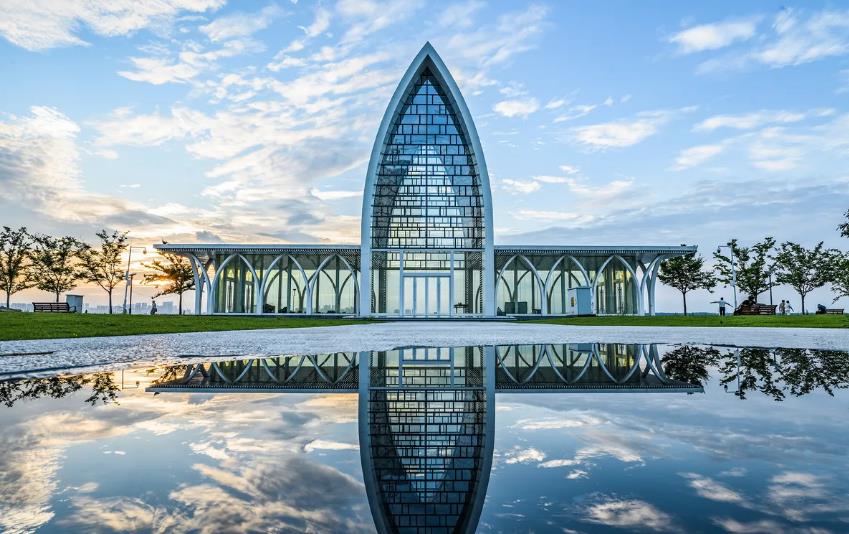
2026 Recommended Guides in Linyi (Updated February)
914 posts
2026 Recommended Attraction in Linyi (Updated February)
679 posts
2026 Recommended Hotels in Linyi (Updated February)
330 posts

Popular Destinations Near Linyi

2026 Qingdao Travel Guide: must-see attractions, popular food, hotels, transport & travel experiences (updated in February)
7989 posts
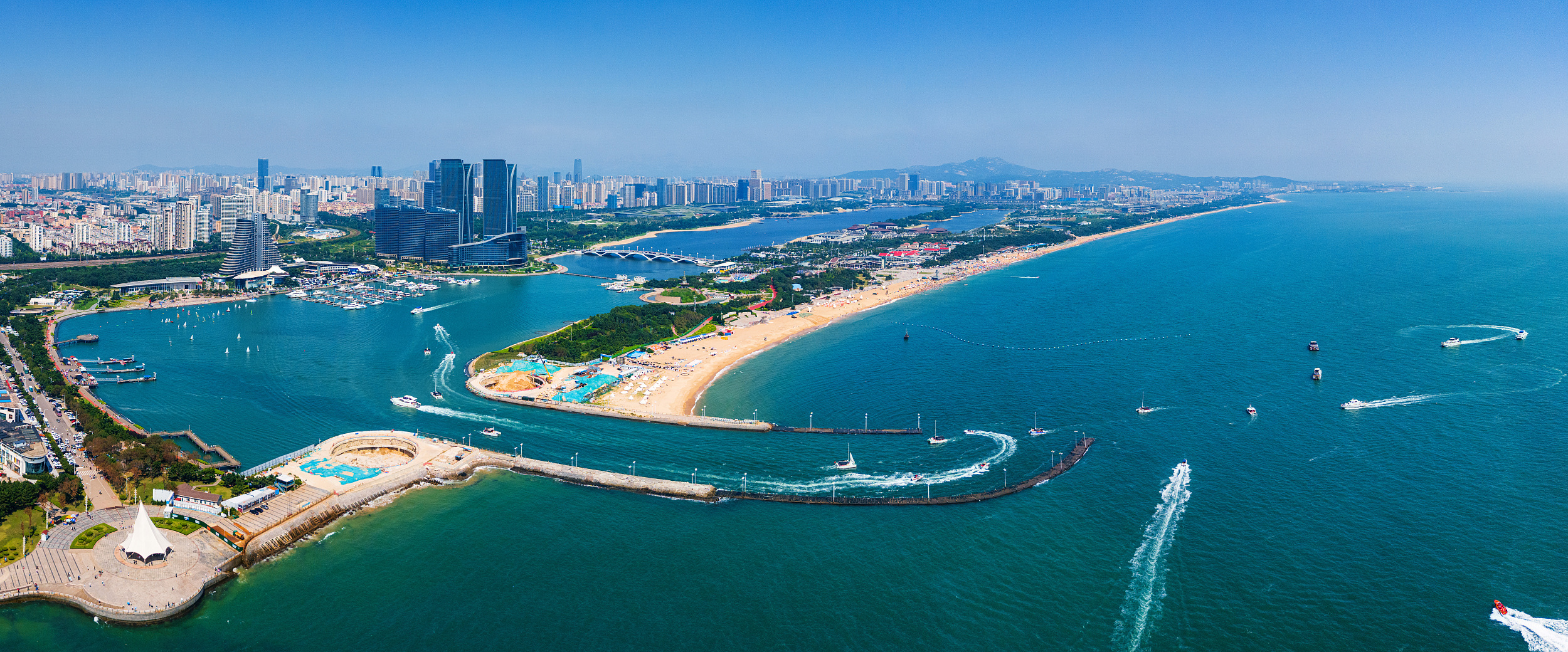
2026 Rizhao Travel Guide: must-see attractions, popular food, hotels, transport & travel experiences (updated in February)
727 posts
2026 Qingzhou Travel Guide: must-see attractions, popular food, hotels, transport & travel experiences (updated in February)
277 posts
- 1
- 2
- 3
- 4
- 25
Post
About
Payment methods
Our partners
Copyright © 2025 Trip.com Travel Singapore Pte. Ltd. All rights reserved
Site Operator: Trip.com Travel Singapore Pte. Ltd.
Site Operator: Trip.com Travel Singapore Pte. Ltd.