2026 Exeter Travel Guide: must-see attractions, popular food, hotels, transport & travel experiences (updated in March)
Essential Travel Information for Exeter
Exeter Today's weather
Mostly clear 5-10℃

Latest Travel Trends in Exeter
All Trip Moments about Exeter | Travel Experiences
Exeter Cathedral – Devon’s Majestic Stone Crown of Faith & Time
#mytraveldiary Ambience & Setting Dominating Exeter’s city centre, Exeter Cathedral rises like a crown of stone, bathed by Devon light and shadows. Its soaring vaulted ceilings, towering Norman and Gothic towers, ancient carved stonework, and stained glass merge to create an atmosphere that’s grand, solemn, and quietly awe-inspiring. Inside, every whispered footstep echoes; outside, the Cathedral Close opens onto green lawns, medieval walls, and the constant hum of a living city threading around its calm, ancient heart.  ⸻ Highlights • Longest Uninterrupted Medieval Stone Vaulted Ceiling in the World — stretching across the nave, a defining architectural marvel.  • Minstrels’ Gallery — built around 1360, with carved angels playing medieval instruments.  • Astronomical Clock — ancient and ornate, featuring dials showing the hour and lunar phases.  • Misericords & Carvings — over 50 exquisite misericords from the 13-14th centuries; bosses above showing scenes such as the murder of Thomas Becket.  • Stained Glass & Bishop’s Throne — vibrant medieval glass survives in the East Window; oak throne built in early 14th century intricately carved.  ⸻ Practical Info • Location: The Cathedral Church of Saint Peter, Exeter, Devon, England.  • History: Founded as a bishopric in 1050; major building phases from 1112 through ~1400 in Norman and Decorated Gothic styles, with restorations over centuries.  • Visiting: It is an active cathedral; open to visitors with guided tours, audio guides, and public services. Some areas fee-required; check opening hours especially around events.  • Best Time for Visit: Early morning or late afternoon for soft light highlighting stone carvings; quiet times mid-week avoid crowds; after restoration work, many details look sharp. ⸻ Why It’s Worth Visiting Exeter Cathedral is not just a monument—it’s a living chronicle of English faith, artistry, and community. Its blend of architectural honesty, historical depth, and artistic detail—from vaults and stone work to timber carvings and glass—makes it a place that rewards both admiration and reflection. Whether you love architecture, history, sacredness, or the atmosphere of places that feel older than most of what remains around them—it delivers. ⸻ Final Thoughts Allow time to linger: sit in the nave, look up at the ceiling bosses, trace carvings on misericords, listen to organ or choir if possible. Bring a camera (many details are subtle), and perhaps guidebook or audio guide for the stories behind the features. Let the quiet moments—light through stained glass, echoes, whispers—be as memorable as the grand vistas. Exeter Cathedral doesn’t rush; let it settle in.Croffle0093Kinkhao Cafe — Authentic Thai Flavors in the Heart of Exeter
🏡 Kinkhao Cafe is a cozy Thai restaurant in Exeter, offering a homely atmosphere that feels just like dining at home. 🍳 A must-try dish is the "Crispy Pork Basil Rice," packed with bold and spicy flavors, infused with the fragrant aroma of basil—just like being in Thailand. 🥗 Occasionally, they feature seasonal specials like Som Tum (papaya salad), Khanom Jeen Nam Ya (rice noodles with fish curry), and Mango Sticky Rice, perfect for easing homesickness. 🍴 The menu is diverse, including single dishes, appetizers, and shareable plates for friends. 🌿 The cafe is charmingly decorated, providing a comfortable space for a quick meal or a relaxed hangout with friends. 👩🍳 The owner and staff are lovely, offering warm and friendly Thai-style service. 📍 Kinkhao Cafe, Exeter, United KingdomThunaeim3RAMM – A Museum That’s More Than Just Exhibits
- Located in the heart of Exeter, easily accessible, and packed with content! - Features everything from archaeology, art, natural history, to world cultures 🌍 - Well-curated displays that are cool and engaging, like walking through the timeline of the world without feeling bored - Highlights: Rare animal skeletons, Roman-era artifacts, and rotating art exhibitions 🦴🖌️ - Free entry! But the value is priceless—perfect for art enthusiasts and those seeking inspiration 📍Royal Albert Memorial Museum and Art Gallery, ExeterThunaeim3Exploring Exeter: A Hidden Gem in Devon
Spent the day wandering through Exeter, and it truly surprised me with its charm and history. Started off at the stunning Exeter Cathedral — a breathtaking example of Gothic architecture, with vaulted ceilings that seem to stretch endlessly upwards. The peaceful green outside made for a perfect spot to soak in the spring sunshine. From there, I strolled along the Exeter Quayside, where old warehouses now house cosy cafés and quirky shops. The riverside walk was calm and breezy — ideal for a mid-morning coffee break. In the afternoon, I ventured into the Royal Albert Memorial Museum — small but packed with curiosities from Devon and beyond. Then, a bit of shopping on the High Street before a peaceful detour down Gandy Street, which feels straight out of a storybook. Wrapped up the day with a pint in a local pub, chatting with friendly locals and enjoying the relaxed pace of this beautiful cathedral city. Exeter may be quieter than London, but it has a magic all its own. #travelvector09165Everyone going to Exeter stays at this hotel
🌟Finding a comfortable hotel in the UK for under a thousand is a blessing. 📍Address: 3 Catherine Street, Exeter, EX1 1EU (City Center) 🚒Transportation: Exeter Airport is approximately 8 km from the hotel, a 10–15 min drive. 🌟Highlights: The hotel features a spa, offering a variety of services including massages, body treatments, and facials, allowing guests to relax and rejuvenate during their travels. ❤️Recommended Reason: The hotel's Colson's Seafood Bar offers 24-hour dining, where guests can savor fresh and delicious seafood paired with fine wines, indulging in a feast for both the palate and the senses. ⛱Hotel Environment: The hotel is located in a prime location in Exeter city center, within walking distance of many popular attractions and shopping areas. 💰Average cost per person: CNY 1,200–1,500 📌Tips: 1. The hotel is close to the Exeter Canal. You can take a stroll along the river or rent a boat. 2. The hotel has a fitness center and a spa, offering various services such as massages, body treatments, and facials. 3. Each room is equipped with modern amenities, including high-speed Wi-Fi, a 40-inch flat-screen TV, a minibar, and a safe.Stella789~Simmons3Exeter Weekend Day Trip: Discover Hidden Gems!
Looking for a relaxing weekend getaway? Exeter is the perfect destination! This carefully planned day trip itinerary will take you on a journey to explore the unique charm of this city, offering a relaxing and enjoyable experience. Transportation: Easy Access Arrive at Exeter St Davids train station, your first stop in Exeter. From here, embark on a day of wonder and exploration. Itinerary: Encounter History and Beauty 1. Bill Douglas Cinema Museum: Nestled within the University of Exeter's College of Arts, this cinema museum is a cultural gem. The nearby university chapel exudes elegance and sophistication. Take a free stroll through the university to soak in the academic atmosphere. Here, history and modern art intertwine, setting the stage for a cultural journey. 2. Northernhay Gardens: As one of the oldest parks in the UK, it resembles an open history book. Ancient statues stand silently, narrating stories of the past. The meticulously designed gardens are adorned with vibrant flowers and lush greenery, exuding the charm of time. 3. Royal Albert Memorial Museum: This museum is a treasure trove of knowledge, housing art, historical artifacts, and natural specimens from around the world. Strolling through its halls feels like a journey through time, offering a glimpse into diverse cultures and history. 4. Rougemont Gardens: Located behind the museum, this garden complements the ancient city walls, creating a unique scene. After visiting the museum, exit through the second-floor back door to step into this tranquil garden, where history and nature harmoniously coexist. 5. Roman Walk: The remnants of Roman-era city walls bear witness to history. Standing before these ruins, one can almost envision the bustling past and trace the threads of history. 6. Exeter Cathedral: Built in the 12th century, Exeter Cathedral is one of the oldest Gothic cathedrals in the UK. Its grand architecture and exquisite carvings showcase the pinnacle of medieval architectural art, inspiring awe. 7. Exeter Quay: Exeter's oldest brick building, nestled along the picturesque River Exe, dates back to the early 1680s, giving it a unique charm. The surrounding suspension bridge and quaint restaurants offer a delightful lunch experience with riverside views. 8. Medieval Exe Bridge: The ancient architecture and bridge ruins exude a rustic charm, with each stone carrying the weight of history. It's a paradise for photography enthusiasts. 9. Stepcote Hill: The scenic route adds a touch of color to your journey. 10. Miller's Bridge: On your way back to the train station, pass by the river and this bridge to catch a glimpse of a lively waterfall. The gentle flow of water marks the perfect end to your day. Travel Tips 1. Time Management: This itinerary takes approximately 7 hours to complete, with attractions concentrated around Exeter city center. It's a leisurely and relaxed weekend getaway. 2. Visiting Tips: Some attractions may have limited opening hours. Check relevant information in advance and plan your itinerary accordingly. 3. Culinary Experience: Don't forget to savor local delicacies at restaurants around Exeter Quay, enjoying delicious food with riverside views for a memorable journey. Spend a weekend in Exeter, following this itinerary to wander through a tapestry of history and nature, and enjoy a leisurely and relaxing time. You'll be captivated by the experience. Save this itinerary and embark on your Exeter weekend adventure!StarSculptor_4563Exeter, UK - Discover the Poetic Corners of England
In the southwest of England, Exeter lies quietly on the banks of the River Exe, where ancient and modern intertwine like a heavy history book waiting to be read. Upon arrival, head to Exeter Cathedral in the city center. It is a Gothic architectural gem with spires that reach the sky and mottled stone walls engraved with the marks of time. Step into the cathedral and feel the solemn atmosphere. The stained glass windows cast a dreamlike light and shadow in the sunlight, like a visual feast. Stroll along the winding cobblestone streets, where Tudor-style buildings are scattered, and the wooden structures and white exterior walls complement each other, as if taking you back to an English town hundreds of years ago. When you're tired, sit down at a street-side café and order a cup of rich English afternoon tea with exquisite scones to enjoy the slow life. History and culture lovers should not miss the Royal Albert Memorial Museum, which has a rich and diverse collection of local archaeological artifacts and artworks from around the world. Here, you can learn about the past and present of Exeter and explore the development of human civilization. Nature lovers can head to the Exe Estuary Trail, where the riverside scenery is picturesque, with green grass and wildflowers in full bloom. Walk along the riverbank and watch the wild ducks frolic in the water, the boats slowly passing by in the distance, and the breeze bringing fresh water vapor, relaxing your body and mind. As night falls, Exeter's bars and restaurants come alive. Find a local pub to enjoy authentic English beer and fish and chips, listen to the laughter of the people around you, and feel the most authentic atmosphere of the city.IidaKuosisto8Enter the star-rated British-style hotel | Hotel Indigo Exeter
#SignUpJanuaryHotelTester2025 #GlobalTravel #trip #100WaysToTravel 🌁 Compared to major cities like London, Manchester, and Edinburgh, Exeter may be lesser-known. Located in Devon, in southwestern England, it's about 300 kilometers from London. 📍Exeter is an ancient city. Although small, it's rich with history. Perhaps because it's not a major city, other areas, aside from the city center, retain a simple, pastoral feel. 📍Enter the ING Group's star-rated British-style hotel | Hotel Indigo Exeter. The decor is reminiscent of 1990s Britain, featuring a nostalgic telephone with fingertips, portraits on the walls, a coffee machine on the desk, and people strolling on the street corner outside the windows. The hotel is conveniently located in a renovated old church, right next to Exeter Cathedral. It's conveniently located right on the high street, perfect for shopping. It's a ten-minute walk to the river to feed the swans, and another twenty minutes to the University of Exeter to experience the beauty of the British campus. Nearby street restaurants offer my favorite British cuisine. Fish and chips is a British hot dish: fish battered and deep-fried, served with French fries and a variety of sauces. It's a street food favorite. Address: 3 Catherine Street, EX1 1EU, Exeter, UK, 420 meters from Exeter Central Station, about a six-minute walk. Safety is also very good here, as apart from retired residents, the rest of the population is filled with international students. The University of Exeter, the renowned British institution and alma mater of "Harry Potter" author J.K. Rowling, recently announced it will offer the world's first master's degree in magic, sparking widespread attention. 📍Exeter has relatively few foreign tourists, but it's a region that the British love very much. I recommend spending time exploring the towns around Exeter. Devon is a very beautiful place. I heard that many people choose to retire nearby because of the beautiful scenery and comfortable pace of life.Terence 特倫斯5A night in Exeter at the Indigo🇬🇧
We travelled to Exeter for a night at the Indigo Hotel slap bang in the middle of the city centre and opposite Exeter Cathedral, we had a lovely king room which was bright ,clean and modern , we also had a complimentary mini bar with soft drinks and a lovely bathroom with power shower . When we arrived the staff greeted us with friendliness and I couldn’t fault the service and amenities in the hotel at all , the hotel has 104 guest rooms all with fabulously comfy Hypnos beds with luxury Egyptian cotton , spa inspired bathrooms , Nespresso coffee machines , air conditioning, high speed Wi-Fi and a variety of channels on your 40’’flat screen TV. The Hotel also boasts a Spa , Gym , Restaurant and Bar and a sky Bar overlooking the Cathedral Green and the city of Exeter … Exeter Quay is 10min walk south from the hotel which has some lovely walks , bars , restaurants and antique boutiques and galleries ,and if your after something to do for free the Royal Albert Memorial Museum is the place which offers a million strong collection of which 8000 pieces are on display at a time shows a myriad of influences that made Exeter what it is today , from Roman tiles , Norman kings and discover Devon’s and Exeters rich history and global connections , be delighted by colourful animals , birds and insects ,contemporary art and travel the globe in world culture galleries . Definitely worth a visit 👌 All in all the Indigo Hotel Exeter is definitely recommended we had a great time … we only wished we stayed for longer ! ❤️MSim8315City of Exeter
เมืองเล็กๆ ที่อัดแน่นไปด้วยความยิ่งใหญ่ Exeter เป็นหนึ่งในเมืองที่มีชีวิตชีวา น่าดึงดูด และน่าสนใจทางประวัติศาสตร์ที่สุดในอังกฤษ โดยที่นี่มีไฮไลท์ที่น่าสนใจมากมาย เช่น University of Exeter, The Donkey Sanctuary, Crealy Theme Park & Resort และ Exeter Cathedral เป็นต้น ใครสนใจก็ลองไปเที่ยวที่เมืองนี้กันได้นะ #เที่ยวชมสถาปัตยกรรม #เที่ยวต่างประเทศBy My Side : ผลัดกันถ่าย3⭐️Taste the English afternoon tea tour: Find the luxury of gourmet food at The Ivy Exeter restaurant
When I arrived in Exeter, England, I couldn't wait to go to "The Ivy Exeter" restaurant opposite Exeter Cathedral to taste authentic English afternoon tea. This is a place known for its exquisite cuisine and I couldn’t wait to try their signature afternoon tea. As I entered the restaurant, I was struck by the gorgeous decor and classic British ambience. Leading me to a comfortable and tasteful seat, I was ready for a wonderful afternoon tea experience. The afternoon tea tray consists of three layers, each layer has different snacks and drinks. I started at the top and found French macarons and mango juice. I picked up the cup of mango juice and took a sip. The juice was fresh and delicious, with the sweet scent of mango. However, when I tasted the macaron, I found it a little too sweet and might be more suitable for people who like desserts. Next is the second floor, which is filled with various styles of cup cakes and small cakes. I tried one of the cupcakes and they were on the sweet side but that's one of the characteristics of British desserts. If you have a sweet tooth, these treats will definitely satisfy your taste buds. Finally, I came to the first floor, which is the world of salty snacks. There were all kinds of sandwiches on display here, and I couldn't help swallowing. I chose a sandwich with smoked salmon and cream cheese and it definitely didn't disappoint. Every bite was filled with a delicious combination that left me wanting more. In addition to the three-tiered afternoon tea tray, the waiter also brought a plate of freshly baked pastries. I noticed a golden and crispy scone with fragrant cream and jam. I couldn't wait to split the scone in half and spread it with cream and jam. There are no words to describe the satisfaction this classic English pastry brings. Every bite of the scone was fluffy and crispy, paired with the sweet combination of cream and jam, it was truly unforgettable. The afternoon tea time spent at "The Ivy Exeter" restaurant gave me an unforgettable dining experience. The authentic English afternoon tea here offers a great combination of sweet and savory dishes, allowing me to taste the flavors of classic British cuisine. If you come to Exeter, don't forget to come to "The Ivy Exeter" to taste this mouth-watering afternoon tea and give your taste buds a luxurious treat. #weekendtour #overseastour #foodie #summerfoodrecommendations #travel #residentwriter #food #food薑餅姐遊記3⭐️Exeter's hidden gem: Mouthwatering Hong Kong style egg waffles 🌟
Address – Waffle master, 40 High St, Exeter EX4 3HP Environment/Facilities - Unique Shop Features - Authentic Hong Kong style egg waffles Price per person – £9 Rating - ⭐️⭐️⭐️⭐️⭐️ I recently discovered a hidden gem in Exeter and I can’t wait to share it with you all. This place serves really delicious Hong Kong style egg waffles and I must say, they are really tasty, especially the cheese luncheon meat flavor. As I stepped into this cozy little shop, I was greeted by the enticing aroma of freshly baked egg waffles. The friendly shop assistant greeted me with a smile and walked me through the menu, which showcased the various flavors. Being a lover of cheese and luncheon meat, I decided to try their combination. When I took my first bite, I was immediately struck by how perfectly the flavors blended together. The egg waffle itself is light, crispy on the outside and soft on the inside. The cheese melted just right, adding a rich and smooth texture to every bite. The luncheon meat brings a savory and slightly sweet flavor that blends perfectly with the cheese. It's like a delicious storm jumping in your mouth. What impressed me even more was the store's attention to detail and use of high-quality ingredients. Each egg waffle is carefully crafted to ensure it has the unique Hong Kong texture and taste. The cheese is of excellent quality and the luncheon meat is rich and tender. It’s clear that the people at this shop are passionate about creating a truly delicious experience for their customers. In addition to the delicious taste, the portion is very large and satisfying. The prices are also quite reasonable considering the quality and overall experience. If you're in Exeter and craving something unique and delicious, I highly recommend trying this Hong Kong style egg waffle. Hidden Gem in Exeter I recently discovered a hidden gem in Exeter that I couldn't wait to share with everyone. It's a place that serves incredibly delicious Hong Kong-style egg waffles, and I must say, they are absolutely amazing, especially the ones with cheese and luncheon meat. The moment I stepped into the cozy little shop, I was greeted with the delightful aroma of freshly made egg waffles. The friendly staff welcomed me with a smile and guided me through their menu, which showcased a variety of flavors. Being a fan of both cheese and luncheon meat, I decided to give their combination a try. As I took my first bite, I was immediately blown away by the perfect harmony of flavors. The egg waffle itself was light, crispy on the outside, and fluffy on the inside. The cheese was melted to perfection, adding a rich and creamy texture to each bite. The luncheon meat added a savory and slightly sweet element, complementing the cheese beautifully. It was like a heavenly combination of flavors dancing in my mouth. What impressed me even more was the attention to detail and the use of high-quality ingredients. Each egg waffle was prepared with care, ensuring that it had the ideal texture and taste. The cheese was of excellent quality, and the luncheon meat was flavorful and tender. It was evident that the people behind this establishment were passionate about creating an authentic and enjoyable experience for their customers. Apart from the incredible taste, the portion size was generous, making it a satisfying treat. The prices were also reasonable, considering the quality and the overall experience. I left the shop with a contented smile on my face and a desire to return again soon. If you find yourself in Exeter and have a craving for something unique and delicious, I highly recommend trying these Hong Kong-style egg waffles. The combination of cheese and luncheon meat is an absolute winner and will leave you wanting more. Don't miss out on this hidden gem and the opportunity to indulge in a truly delightful culinary experience. #Good place for parents and children #hkfoodie #hkfood #resident writer #hkfoodblogger #food #I miss you so much薑餅姐遊記5Exeter city
#瞬看地球exeter holidays inn express, you can walk to the city center in 🔟 minutes, and it is also a hotel with parking! The hotel staff is very nice👍, everyone has the opportunity to come and try it! Breakfast🥣 buffet, the food is also good... 10 pointsQueen 111lovely big museum was a great place to visit was daughter loved learning at all the historical stuff
1. Address - Highlights - Rating - 2. Address - queen's street Highlights - all of it was great to see and learn the lego was great Rating - 15 out 10 3. Address - underground passage exeter opposite John Lewis Highlights - was amazing to learn see what they used for there water supply how small tight it was great Rating - 16 out of 10Samantha355#the qauyside beautiful place to sit with food & drink #turtle bay #the beach in exeter city
Address - exeter City centre queen's Street. Ambiance/Facilities - Highlights - loads there to do. lovely big shopping city with the quayside not far beautiful great restaurants to choose from, paddle boats, coanoes ,rental bikes, feed ducks, then in exeter theres museum, underground passage. lovely sites to see of the old buildings. Avg. Price per Person - 69 -130 for the night Rating - 15 out of 10 #staycation #museum #the qauyside # turtlebay #fabulous hotel staff were great friendly with recommends food there was delicious 😋Samantha353#triplocal
#triplocal #exeter #devon #UnitedKingdom You must embrace the hidden history of every place you are visiting, coz it is not only travelling to beautiful/attractive places, but traveling to era unknown - a knowledge once known, you will pass on to next generation. ❤️❤️❤️ #triplocalmayz063University of Exeter มหาลัยวิวดีในฝัน 🎓🌿
#GetDiscountsWithoutLuck 🇬🇧 University of Exeter, England — A renowned university in southern England with a lush, garden-like atmosphere. The view of Exeter from the hilltop is stunning. 🌳 Extremely green campus — Wide lawns and rows of large trees, especially romantic during autumn foliage season. 📚 Mixed old and new buildings — A blend of classic and modern architecture. Walking to class gives you a true English university feel. ☕ Plenty of reading spots — The library and university cafes are very inviting, perfect for both relaxed and focused study. 🌤️ Unobstructed views — Many spots offer expansive sky views, providing a sense of calm and focus. 📸 Great for photos in every season — Summer and winter offer different charms. 📌 If you dream of studying at a beautiful and welcoming university in England, the University of Exeter is a place you'll fall in love with from the first visit. 🤍✨Thunaeim2daughter and granddaughter
_TI***grI always w
I always week travel Exeter st to Bolton for my classes 🥲 but it’s great journey as always_TI***8vExeter Cathedral
#uktrip Exeter Cathedral is a stunning example of Gothic architecture and one of the most impressive historic sites in Devon. Its intricate stonework, towering spires, and beautiful stained-glass windows immediately capture the eye, both from the exterior and inside. Stepping into the cathedral, visitors are greeted by a serene and awe-inspiring atmosphere, with high vaulted ceilings and detailed carvings that showcase centuries of craftsmanship. The cathedral also has several notable features, including the famous astronomical clock, the Chapter House, and the beautifully preserved misericords, which provide fascinating insight into medieval artistry. Guided tours and informative displays help visitors understand the history and significance of the building, making it accessible to both history enthusiasts and casual tourists.GtagonSea View House! Experience the charm of Exeter's iconic hotel!!!
🌊 Stay in a century-old legend! Exeter's "Sea View House" Hotel Vlog|Only after staying here will you understand what "striking luxury" truly means! ⚡️: If you think Exeter, UK is just a quiet historic town, then you definitely haven't stayed at the Sea View House Hotel! This 19th-century Georgian-style building is not only a Grade II listed historic landmark but also a "dual legend" boasting stunning river views and the city's vibrant pulse! Today, join me as we open this century-old wooden door— 🏛️ Timeless location x architectural design Sea View House is located in the historic shipyard area by Exeter Canal, just a few minutes' walk to the train station and a leisurely ten-minute stroll to the Cathedral! But the most breathtaking part is—when you stand before the hotel's creamy exterior and see the classical arched windows reflecting the canal's shimmering waves, you instantly understand what it means to "wake up in heritage"! The spiral staircase preserves Victorian-era wrought iron carvings, and every step feels like treading on a poem from the Industrial Revolution! 🌅 Surroundings x culinary delights Open your window in the early morning to see kayaks gliding slowly on the canal and a swan family making their timely rounds🌿! A 3-minute walk takes you to the famous "Fishmongers' Alley" food district, but hold on! The hotel's own "Dock Kitchen" restaurant is the hidden boss! Must-try: Devon cream tea with freshly baked scones, and the local cheese platter hiding cider-marinated cheddar... Sorry, my keyboard is drooling😭 In the evening, order a glass of Pinot Noir in the open-air courtyard and watch the sunset turn the canal into honey gold—this scene I could rave about forever! 🛏️ Room details x service highlights My river view suite's keywords: brass crystal chandelier + Egyptian cotton bedding + vintage clawfoot bathtub! But what really made me scream with delight was— a handwritten welcome card and local honey gift on the bedside table, and the bathroom mirror equipped with an invisible heating strip that never fogs up! Night turndown service not only sets out slippers but also prepares lavender bedtime tea in a thermos... Does this kind of "mind-reading service" really exist?! 💥 Luxurious charm "striking moment" On the third day, I was completely overwhelmed! It was raining at checkout, and the doorman held an umbrella escorting me to the taxi. The driver smiled and said, "Guests of Sea View House never want to leave." In the back seat were a hotel-secret umbrella and handmade shortbread... That moment felt like being gently struck by lightning—the true luxury is turning the raindrops of farewell into sugar frosting. Can you believe it? This hotel even prepares cashmere blankets for dogs! Tell me in the comments: would you pay for this kind of "time-crossing + detail bomb" experience?👇 Over 500 likes, and next time I'll reveal the hotel's underground wine cellar with 1880 sherry barrels! UK's hidden gem hotel ✨ Follow me and live inside the world's stories ✨Mr. Laverna MoenAutumn in Exeter 🍁🌅
Amelia CheesecakeTHE CREPERIE, EXETER
The destination for a tasty lunch whether you like sweet or savoury and the proprietor Hywel is an Exeter local legend. #exeter #food #locallegendMarco GianettiCherish ev
Cherish every moment birthday/Christmas food#thingstodo #localfood #phooBigprince10📅 Itinera
📅 Itinerary Day1:Exeter cathedral Exeter quay Day2: Haldon forest lively walks short abs long and darts farm for those fabulous ingredients Day3: Ashburton for friendly small town local produce and antiques 🏨 Accommodation budget Leonardos neatly to city 🍴 Food Recommendations cheeky vegan fabulous services and wide range of vegan food 📌 Tips Christmas market until 21st dec in cathedral squareTravel now✨ Exeter Quayside – A Calm Riverside Escape 🌊🍃
#hellochristmas ✨ Exeter Quayside – A Calm Riverside Escape 🌊🍃 Exeter Quayside is one of those rare places where history, nature, and charm blend so effortlessly that every visit feels refreshing. Set along the peaceful River Exe, the quayside offers a beautiful mix of old brick warehouses, stone pathways, and vibrant cafés that bring the area to life. The reflections of the historic buildings ripple softly on the water, creating a soothing scene perfect for slow walks or simply sitting by the river and watching the world drift by. Small shops and craft stalls add character, offering handmade goods and local treats that highlight Exeter’s creative spirit. Cyclists and kayakers move along the river while seagulls glide overhead, adding to the lively yet relaxed atmosphere. As the sun sets, the quayside glows warmly, with golden light washing over the historic arches and pathways. Whether you’re enjoying a riverside meal, exploring its heritage, or just taking in the tranquil views, Exeter Quayside feels like a peaceful retreat tucked inside the city—quiet, beautiful, and timeless. 🌅🕊️Sara Jackson 20251Hidden Town of Exeter: A Day Trip Itinerary
A day trip to Exeter St Davids is perfect – relaxed and easy, with attractions all clustered together, ideal for a spontaneous weekend getaway. Plus, Exeter is already getting Christmas spirit, making it incredibly photogenic! 🎄✨ 🌿 10:50|Exeter University Stroll + Campus Landmark Check-in Just a 10-minute walk from the train station to the main campus – Streatham Campus – widely considered one of the most beautiful campuses in the UK, especially stunning in autumn and winter 🍁. A leisurely stroll is truly therapeutic! 🎬 11:15|Bill Douglas Cinema Museum – A Free and Hidden Gem in the Film Museum Located within the College of Art at Exeter University, the Bill Douglas Cinema Museum is completely free! Perfect for those who love classic movies and film history! The museum displays: 🎞️ British film history materials 📽️ Antique projectors 🎬 Vintage movie posters 📚 Film-related documents and props. There's also a small university auditorium nearby, which you can also check out – it has a very British academic feel! 🌳 12:00|Northernhay Gardens – One of the oldest parks in England Continuing towards the city center, you'll pass Northernhay Gardens. It's known as one of the oldest public gardens in England, with statues and monuments that have a historical feel and are great for taking photos. The pace is slow here, so you can sit and relax for a while and enjoy the surrounding scenery. 🍽️ 12:20|Lunch: Rosa’s Thai (in Guildhall Shopping Centre) 🎄 13:30|City center shopping + early Christmas market experience (highly recommended) Christmas hut stalls are already there! Exeter city center is already decorated with lights and selling hot drinks and German sausages, creating a wonderful atmosphere! 🖼️ 14:00|Royal Albert Memorial Museum RAMM is one of Exeter's most important cultural landmarks, and it's free! 🧋 15:20|Tealith Bubble Tea Break When you're tired from shopping, stop by Tealith Bubble Tea for a rest! This is a popular chain bubble tea shop in Exeter, and the store is already decorated for Christmas, creating a lovely atmosphere 🎄✨ 🌅 16:00|Optional Route: Want to continue exploring? Including Exmouth (half an hour from the beach) If the weather is bright enough or you want a more fulfilling trip, you can take the train from Exeter Central to Exmouth. The train journey takes about 30 minutes, with multiple departures per hour. Exmouth offers: 🏖️ beaches 🎡, a Ferris wheel 🌊, a seaside promenade 📸, and a stunningly photogenic skyline.AnniKuosisto🎨🏛️ Royal Albert Memorial Museum and Art Gallery — Exeter’s Cultural Treasure
#uktrip Located in the heart of Exeter, the Royal Albert Memorial Museum and Art Gallery (RAMM) is a vibrant hub of art, history, and culture. Established in 1868, RAMM houses an extensive collection that spans archaeology, fine art, natural history, and world cultures. Its Victorian architecture, with grand facades and spacious galleries, sets the stage for an immersive experience where history and creativity converge. Inside, visitors can explore a diverse range of exhibits, from ancient artifacts and ethnographic treasures to contemporary artworks and decorative arts. Highlights include collections of ceramics, costumes, and coins, as well as thought-provoking temporary exhibitions that rotate throughout the year. The museum is designed to appeal to all ages, offering interactive displays and engaging storytelling that bring the past and present to life. Beyond its galleries, RAMM’s public spaces and educational programs make it a welcoming destination for the community. The museum often hosts workshops, lectures, and family-friendly activities, ensuring that every visit is not only educational but also memorable. With its rich collections and dynamic programming, the Royal Albert Memorial Museum and Art Gallery stands as a cornerstone of Exeter’s cultural landscape.Pingging

Popular Travel Topics in Exeter

2026 Recommended Guides in Exeter (Updated March)
57 posts

2026 Recommended Attraction in Exeter (Updated March)
50 posts
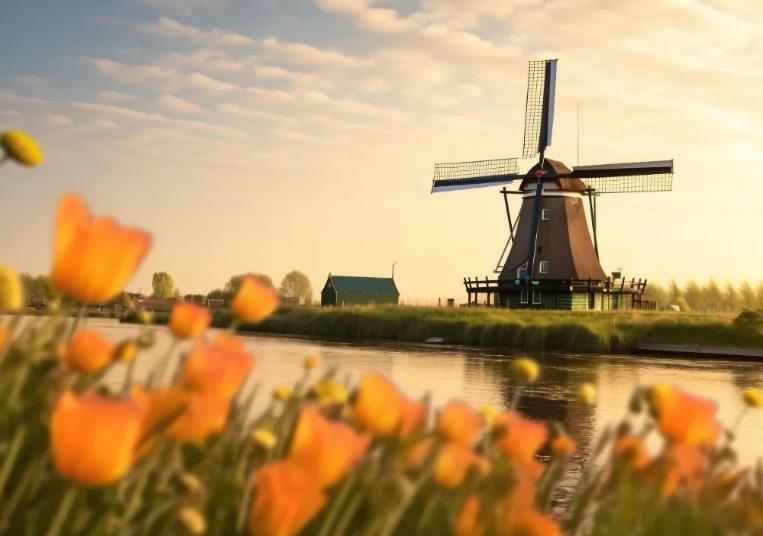
2026 Recommended Comprehensive guides in Exeter (Updated March)
24 posts

Popular Destinations Near Exeter

2026 Brighton Travel Guide: must-see attractions, popular food, hotels, transport & travel experiences (updated in March)
221 posts

2026 Cardiff Travel Guide: must-see attractions, popular food, hotels, transport & travel experiences (updated in March)
124 posts

2026 Southampton Travel Guide: must-see attractions, popular food, hotels, transport & travel experiences (updated in March)
88 posts
- 1
- 2
- 3
- 4
- 5
Post
More recommendations
Popular Trip Moments
University of Exeter มหาลัยวิวดีในฝัน 🎓🌿 | Exeter Cathedral | Sea View House! Experience the charm of Exeter's iconic hotel!!! | THE CREPERIE, EXETER | Hidden Town of Exeter: A Day Trip Itinerary | Exeter | "Captivating Beauty in Frankfurt's Heart" | Exeter’s Royal Albert Memorial Museum – A Free Gem to Explore | Exeter | Clyston Mill – A Gentle Revival by River Clyst | Danes Wood – Woodland Charm in Killerton Estate, Devon | Royal Albert Memorial Museum & Art Gallery, Exeter – Exeter’s Curiosity Cabinet & Cultural Beacon | Exeter Cathedral – Devon’s Majestic Stone Crown of Faith & Time | Barley Valley Nature Reserve – Hidden Hills & Meadows Above Exeter | 🎓🌳 University of Exeter มหาวิทยาลัยสีเขียว | Castle Drogo – England’s Final Castle by Granite & Gorge | ☕🍳 Boston Tea Party — คาเฟ่บรรยากาศCozy ใน Exeter | Kinkhao Cafe — Authentic Thai Flavors in the Heart of Exeter | 🌊🚤 Exeter Quay — ริมน้ำสุดชิลใจกลางเมืองเก่า | 🥞☕ Pura Vida — Exeter's cutest and most cozy cafe | Exeter Cathedral Christmas Market – Where Holiday Magic Comes Alive | Exeter cathedral | Exeter cathedral | Check out Exeter and the surrounding area | Dawlish Warren and the South West coast path
Popular Restaurants in Exeter
Toby Carvery | Saint George and Dragon Inn | Bistro du Vin | Franco Manca Exeter | The Maltsters Arms | The Artichoke Inn | Puffing Billy | The Fat Pig | Teign House Inn | Harry's Restaurant | Mill on the Exe | Samuel Jones Smoke & Ale House | The White Hart | The Atrium Restaurant at Woodbury Park | The Galleon Inn | Bill's Exeter Restaurant | Fresha Cafe | Gourmet Peri Peri & Gourmet pizza (halal) | The Bowling Green | The Prospect Inn | Thai Orchid | Ship Inn | The Orange Elephant Ice Cream Parlour | The Old Firehouse | Route 2 Café and Apartments | Stage | The Ivy Exeter | Walled Garden | The Sandwiched Inn | The Lord Nelson Pub
Popular Ranked Lists
Popular Best Things to Do in Hancock County | Top 10 Luxury Hotels in Chengdu | Top 50 Must-Visit Restaurants in Shanghai | Popular Best Things to Do in Ningming | Top 20 Premium Hotels in Fuzhou | Popular Best Things to Do in Davis County | Top 20 Premium Hotels in Yangzhou | Top 50 Must-Visit Restaurants in Bali | Popular Best Things to Do in Long Beach | Popular Best Things to Do in Amman Governorate | Top 50 Must-Visit Restaurants in Jeju | Popular Best Things to Do in Jerusalem District | Top 50 Must-Visit Restaurants in Fukuoka | Top 50 Must-Visit Restaurants in Munich | Popular Best Things to Do in Calabarzon | Top 10 Luxury Hotels in Guangzhou | Top 50 Must-Visit Restaurants in Dubai | Top 10 Luxury Hotels in Xiamen | Top 50 Must-Visit Restaurants in Melbourne | Popular Best Things to Do in South Sulawesi | Popular Best Things to Do in Broward County | Top 50 Must-Visit Restaurants in Changsha | Top 50 Must-Visit Restaurants in Hanoi | Popular Luxury Hotels in Ningbo | Top 10 Luxury Hotels in Chongqing | Top 20 Premium Hotels in Quanzhou | Top 20 Best Things to Do in Sao Paulo | Top 50 Must-Visit Restaurants in Ho Chi Minh City | Popular Best Things to Do in Allegheny County | Top 10 Must-Visit Restaurants in Bad Ischl
About
Payment methods
Our partners
Copyright © 2025 Trip.com Travel Singapore Pte. Ltd. All rights reserved
Site Operator: Trip.com Travel Singapore Pte. Ltd.
Site Operator: Trip.com Travel Singapore Pte. Ltd.