2026 Luxembourg Travel Guide: must-see attractions, popular food, hotels, transport & travel experiences (updated in February)
Essential Travel Information for Luxembourg

Latest Travel Trends in Luxembourg
Popular Attraction in Luxembourg
Pont Adolphe
(41)Vallée de la Pétrusse
(32)Place de la Constitution
(31)Notre Dame Cathedral (Cathedrale Notre Dame)
(24)Casemates du Bock
(18)Le Chemin de la Corniche
(13)Monument of Remembrance
(5)All Trip Moments about Luxembourg | Travel Experiences
Dinant & Luxembourg Day Trip
I booked a day trip from Brussels to Djnant and Luxembourg and it turned out to be one of the best tours ever! The tour was full of history and very informative which kept it engaging. Explore the Christmas markets too which was the highlight of my Europe trip! Try their mulled wine or hot chocolate if you're not into alcoholic beverages. Everywhere is walkable in Europe so that's one thing you don't have to worry about.byeyati20Charming Luxembourg.
Luxembourg is this small landlocked country with charming architecture, old town, castles, bridges and the people. I would not really recommend it as an intended stop as it can be quite expensive and does not have as much to see compared to other neighboring European countries. However, highly recommended if you are on a road trip across Europe and have time to make a stop to visit. You can also hike around the country following set paths and take some height to see more from above. #luxembourg #wecreate #passionpassport #2023travelwish #tripblazersKelkoo3Don’t overlook Luxembourg if travelling to EU
Rarely will you find a country - especially with Luxembourg’s modest size – that showcases a harmonised mix of cultures so seamlessly. Nestled in between the much larger countries of Belgium, France and Germany, Luxembourg’s unique positioning means you’ll be treated to an array of different languages, cuisines, customs and other nuances. How I can best explain it is that the buildings of the country look like they’ve been taken straight out of a storybook. The buildings evoked understated, calming colours, elegance and sophistication, grace and refinement. Definitely worth a day or two if your travelling around EuropeJake.Coleiro8Fully know
Fully known as the Grand Duchy of Luxembourg, Luxembourg is surrounded by neighboring countries France, Germany and Belgium. It is a small inland country and the only remaining Grand Duchy of the European continent, the capital city of Luxembourg. Because of the small size of the country, the number of castles, and the name of "the pocket kingdom" and "the country of the thousand fort". It is natural for France and Germany not to say that it is a big country in Europe. Belgium, which is the headquarters of the EU, is also very important. However, it seems that Luxembourg has always had no sense of existence among these big countries. When I came to this land in person, I realized that Luxembourg was a highly developed capitalist country and one of the founding members of the European Union and NATO. It has several sub-institutions of the European Union, such as the European Court of Justice and the European Court of Auditors. And the European Investment Bank, known as the "third capital" of the European Union after Brussels and Strasbourg. At the same time, Luxembourg is also a highly developed industrial country, the most important private banking centre in the Eurozone, and the second largest investment trust centre in the world after the United States. Finance, radio and television, and steel are the three pillar industries of the economy. Luxembourg has a very low unemployment rate and its life expectancy is 80 years. It is worth mentioning that although Luxembourg's natural resources are scarce, the market is small, and the economy is highly dependent on foreign countries, the per capita GDP has ranked first in the world for many years. It turned out that Luxembourg is the real local country, but it is too low-key to appear to have no sense of existence.SHUN.4Dikishi Carnival Parade: A Colorful Carnival on the Banks of the Sol River
#January Destinations 2026 I. The 58th Promise February 15, 2026, Sunday. This is Dijkschi's 58th promise to Carnival. 2 PM. This time is etched into tradition—not to avoid morning prayers, not to wait for the sun to reach its optimal angle, but simply because: for fifty-eight years, it has been this time. The procession begins on La Rochette Street. It's a very Dijkschi street: narrow, lined with 19th-century townhouses, the Christmas lights still hanging quietly in the grey February sky. At the end of the street, the Sol River, beneath a thin layer of ice, carries at thirty-seven meters per minute all the unspoken words of this small town for a thousand years. The procession will pass through Exis Street, the Promenade de la Corniche, Place Guillaume, and Promenade Stavolo, finally arriving at Promenade de l'Stadion. The entire route is approximately two kilometers. For a hiker observing from the sidelines, the distance is just enough to finish a glass of hot glühwäin bought from a roadside stall, just enough for their toes to regain feeling from being frozen, and just enough to condense the joy of an entire afternoon into a memory that will never fade no matter how many times it's brewed. II. The Arrangement of Color and Sound The Digscher Carnival is one of Luxembourg's largest parades. Every year, approximately 20,000 people flock to this small town with a permanent population of only 6,500. This is an invasion three times the population—but not an occupation, but a shared celebration. The parade's arrangement has several fixed sections: The floats (Praalwagens) are the first section. Not the giant balloons of Macy's in New York, but more simple, more handmade, more like a community mobilization of creation. Truck chassis fitted with planks and paper pulp, discarded fabric piled in a garage corner last year, are now transformed into the battlements of a fairytale castle. The colors were bold, almost provocative—fluorescent pink, lemon yellow, electric blue—like a flock of tropical parrots refusing to hibernate against the greyish February sky. The orchestra (Musikveräiner) was the second part. Every village in Luxembourg has its own music association. The trombone player might be a bank clerk, the snare drummer a high school geography teacher, and the middle-aged man energetically playing the tuba was reviewing next year's water budget at the city council last week. They wore gold-trimmed uniforms, their steps following a rhythm unchanged for centuries: left, right, left, left, right. The marching contingent (Fousstruppen) was the third part. This was the most undisciplined, and also the most delightful. You could be a pirate, an astronaut, or an alien princess making a dress from garbage bags. Last year's winning team dressed as water sprites of the Sol River, their bodies wrapped in LED strings of light, barely visible in the 2 pm sunlight—but they marched with earnestness, as if participating in a magic trick only they believed in. III. Fifty-Eight Years: A Geologically Significant Tradition 1968, the first Digiz Carnival Parade. The world was in turmoil that year: the May 1968 events in Paris, the Prague Spring, the assassination of Martin Luther King Jr., and the Vietnam War reaching its peak casualties. The people of Digiz decided—on the banks of the Saul River, in this small town inhabited since Roman times and ravaged by World War II—to hold a vibrant parade. Fifty-eight years later, the parade continues. This is not the kind of "intangible cultural heritage" listed by UNESCO. There is no official certification, no international media attention, and the Luxembourg Tourism Board doesn't even have a separate page on its website—it's simply listed alongside similar events in Schiffrange, Esch-sur-Alzette, Remich, and Petanga. But fifty-eight years is itself a geologically significant recognition. Enough for children participating in the parade to become parents pushing strollers, enough for the first band's trombone player to now be wheeled around the parade route by his family. For 6,500 residents, the date "the second Sunday in February" was no longer a reminder, but an instinct. IV. 7 PM: Awards and Closing Ceremony The parade ended around 5 PM. But the final punctuation mark of the Digisch Carnival fell at 7 PM. The location was Aal Seeërei. This name is difficult to translate. Literally meaning "old fishing house," it's not a house, not a fishing port, but simply a functional activity center in an industrial area. The address is rue de l'Industrie 5, about a 15-minute walk from the bustling parade route. There were no colored lights, no bands, no spectators. Only judges, trophies, and the exhaustion and satisfaction of a whole day. Best float, best costume, best band, special jury prize—those who had toiled under the daytime sun could now rub their red, frozen fingers in the indoor heating, waiting for their numbers to be called. The trophies are crafted by local artisans, with slightly different designs each year. The material might be glass, wood, or even a remelted part from the previous year's float. There's no huge prize money, no media interviews. But the winners will place the trophy in the most prominent cabinet in their living room, where it will remain for a lifetime. V. A Misunderstood Gift: A Dialogue Between July and February Searching for festivals in Dikkrich, it's hard not to be overwhelmed by July's "Al Dikkrich." That's a larger event, a longer duration, and a grand spectacle more in line with the marketing logic of a "tourist destination." It has an official website with its own domain, dedicated social media accounts, and is listed as a key promotional project by the Luxembourg Tourism Board. Meanwhile, the February carnival lies quietly in a corner of the event calendar. There's no separate page, no promotional video, and even the organizer, "D’Eselen aus der Sauerstad Dikrich ASBL"—its name itself carries a self-deprecating humor. Donkeys. Not lions, not eagles, but stubborn, slow-moving donkeys that don't try to please anyone. But it is precisely this misunderstanding and neglect that makes it a true local carnival. There are no tourist bus parking lots, no souvenir stalls, no "best photo spots" signs. Only 6,500 residents, plus relatives and friends who drive 20 minutes from nearby villages, and those who, even those who have moved to Germany, Belgium, or France, still book train tickets to return home every February. They don't come back to see the parade. They come back to see themselves in the parade. VI. Epilogue: The Flow of the Sole River February 15, 2026, Dijksch. The high temperature forecast for Carnival Sunday is 4 degrees Celsius. Cloudy, with a possible light snowfall in the afternoon—the Luxembourg Meteorological Service's forecasts are always like this, neither optimistic nor pessimistic, just stating the facts. At 2 PM, the first float on La Rochette will depart on time. It will pass through Via Exisis, Via Marienbrücke, Place Guillaume, Via Stavolo, and Via dell'Argent. The two-kilometer journey will take the float approximately ninety minutes. This pace is slower than walking, slower than childhood, slower than the flow of the Sol River. The Sol River, in its section near Digiz, flows at an average speed of thirty-seven meters per minute. These are geography textbook figures. But on February 15th, the flow slows—not in a hydrological sense, but in a perceptual sense. When twenty thousand people crowd the riverbanks, when the air is filled with the aroma of mulled wine and cinnamon, the grease of fried dough, and the carbon dioxide from the condensed breath of the crowd, the river seems to slow its pace, reluctant to carry the day away too quickly. Seven o'clock in the evening, Aal Seeërei. The final trophy of the 58th Dekishi Carnival Parade will be carefully held in the hands of a mother from a neighboring village who rises at five in the morning to sew fairy wings for her daughter. She will place the trophy in the living room cabinet, alongside those from last year, the year before, and five years ago. Fifty-eight years later, her granddaughter will point to that row of dust-covered glass trophies and ask what they are. She will say: "That's how we make winter a little less cold every February."Kawauso!🇱🇺✨ Luxembourg City & Beyond: Castles, Culture & Scenic Charm
#europetrip 🎯 Highlights • Explore Luxembourg City — stunning old town, fortified walls, and panoramic views from the Chemin de la Corniche 🏰🌆 • Visit Grand Ducal Palace and historic squares for architecture and royal history 🏛️✨ • Wander the Grund district — cobbled streets, riverside cafés, and medieval bridges 🌉☕ • Venture into countryside & castles — Vianden Castle, Mullerthal Trail (Little Switzerland), and rolling vineyards 🏞️🍇 🗺️ Getting There • Fly into Luxembourg Airport (LUX) ✈️ • City is compact — walking and public transport cover most highlights 🚶♀️🚋 • Trains and buses make day trips to nearby castles, Germany, and Belgium easy 🚆🚌 💸 Budget Tips • Many museums and attractions in Luxembourg City are free or low-cost 💸 • Explore local markets for food and souvenirs 🍞🧀 • Walking tours save money and give the best city perspective 👣 🧭 Seasonal / Theme Focus: History & Nature • Spring & Summer — blooming gardens, outdoor cafés, and river walks 🌸☀️ • Autumn — golden forests and vineyard views 🍂 • Winter — festive Christmas markets and cozy cafés ❄️🎄 ❤️ Why This Trip Is Special Luxembourg combines historic charm, natural beauty, and modern European vibes. From hilltop castles to winding old streets, it’s a small country with unforgettable experiences ❤️🇱🇺✨Feelin_gud🏰🌿 Luxembourg Adventure: Castles, Culture & Scenic Strolls 🇱🇺
#europetrip 🎯 Highlights • Luxembourg City — stroll the old town, admire the fortifications, and enjoy panoramic views from Chemin de la Corniche 🌆📸 • Discover Grund — charming riverside district with cafés, bridges, and hidden alleys ☕🌉 • Explore Vianden Castle and other nearby historic castles for a fairy-tale feel 🏰✨ • Take in nature and trails — Mullerthal (Little Switzerland) for hiking, forests, and waterfalls 🌲💦 🗺️ Getting There • Fly into Luxembourg Airport (LUX) ✈️ • The city is highly walkable, with trams and buses covering most areas 🚋 • Easy day trips by train or bus to surrounding villages, castles, and cross-border adventures 🚆 💸 Budget Tips • Many city sights are free to visit 💸 • Eat at local markets or bakeries for affordable, authentic snacks 🥖🧀 • Walking tours or self-guided exploration offer the best value and freedom 👣 🧭 Seasonal / Theme Focus: History Meets Nature • Spring & Summer — ideal for gardens, riverside walks, and outdoor cafés 🌸☀️ • Autumn — golden forests, vineyards, and crisp air 🍂 • Winter — festive Christmas markets and cosy indoor spots ❄️🎄 ❤️ Why This Trip Is Special Luxembourg is small but mighty — a blend of medieval history, scenic landscapes, and modern European charm. Perfect for explorers who love castles, nature, and a slower pace ❤️🇱🇺✨Feelin_gudOld Town Magic✨
#hellonewyear Luxembourg is a small, landlocked country known for its stunning landscapes and rich history. The capital, Luxembourg City, is famed for its medieval Old Town, UNESCO-listed fortifications, and dramatic clifftop views. The country blends modernity with tradition, featuring impressive architecture, scenic parks, and a strong cultural scene. Visitors can explore historic castles, wander through picturesque villages, and enjoy the peaceful beauty of its forests and valleys.Belinda S.GNew years family visit🌆
Juanfdez1luxembourg in the new year
#hellonewyear#neurodivergenttravel #travel2026 Luxembourgnerodivergent travelBeautiful Luxembourg
CarlK98Snow ❄️
_TI***u61#hellochri
#hellochristmas 🎄 Luxembourg Christmas ✨🇱🇺 | A Cozy European Holiday Christmas in Luxembourg is filled with charm and festive spirit. The city’s historic streets glow with lights, and Christmas markets offer seasonal treats, warm drinks, and handcrafted gifts. The cozy cafés, decorated squares, and soft holiday music create a magical winter atmosphere. Strolling through Luxembourg during Christmas feels peaceful and enchanting. With its blend of tradition, culture, and festive cheer, the city is perfect for a memorable European holiday getaway. #LuxembourgChristmas #FestiveEurope #WinterInLuxembourg #HolidayMagic #ChristmasMarkets #travel #thingstodo #familytravel #couplestrip #staycationSurmai Duniya#hellochri
#hellochristmas 🎄 Magical Christmas in Luxembourg ✨🇱🇺 Christmas in Luxembourg feels peaceful, elegant, and beautifully festive. The old town glows with soft lights, charming Christmas markets fill the air with the scent of hot chocolate and roasted chestnuts, and historic streets turn picture-perfect. It’s the perfect destination for travelers who love a cozy, less-crowded European Christmas with timeless charm and festive warmth. #Luxembourg #ChristmasInEurope #WinterMagic #FestiveTravel #travel #thingstodo #familytravel #couplestrip #staycationSurmai Duniya#hellochri
#hellochristmas 🎄 Enchanting Christmas in Luxembourg ✨🇱🇺 During Christmas, Luxembourg transforms into a serene winter wonderland. Cobblestone streets shimmer under golden fairy lights, historic squares host intimate Christmas markets, and festive melodies echo through the old town. From beautifully decorated shop windows to the aroma of mulled wine and local treats, every corner feels warm and inviting. It’s an ideal place to enjoy a calm, classy, and truly European Christmas vibe. #Luxembourg #ChristmasVibes #WinterGetaway #EuropeanChristmas #travel #thingstodo #familytravel #couplestrip #staycationSurmai Duniya#hellochri
#hellochristmas 🎄 Magical Christmas in Luxembourg ✨🇱🇺 Luxembourg at Christmas feels like a storybook come alive. The old town glows with festive lights, charming Christmas markets fill the squares with wooden stalls, and the scent of roasted chestnuts and hot chocolate warms the winter air. Carol music, handcrafted gifts, and historic backdrops create a cozy, elegant holiday atmosphere. It’s a perfect destination for a peaceful yet magical European Christmas experience. #Luxembourg #ChristmasMagic #WinterEurope #ChristmasMarket #travel #thingstodo #familytravel #couplestrip #staycationSurmai Duniyanoel luxembourg
_TI***drFestive City Magic✨
#hellochristmas Luxembourg City's Winterlights Festival transforms the capital into a magical Christmas wonderland, with markets spread across scenic squares like Place d'Armes (traditional heart), Place de la Constitution (Ferris wheel views), and Place de Paris. Sip glühwein, savor local treats, shop handicrafts in cozy chalets. Enjoy ice skating at Kinnekswiss, rides, concerts. Open Nov 21, 2025–Jan 4, 2026—perfect festive escape!Belinda S.GLuxembourg Old Town, Corniche Walkway, Constitution Square
It's very convenient to use the German student ticket, which allows free travel. In just 4 hours, you can reach this destination surrounded by three countries: France to the south, Belgium to the left, and Germany to the upper right. Most visitors opt for a day trip or combine it with tours to Belgium and the Netherlands. Most attractions are concentrated in the city center, making them easily accessible on foot without feeling rushed. Exploring these sites offers a refreshing experience with natural scenery and impressive fortifications. Strolling through Luxembourg's Old Town includes highlights such as the Corniche Walkway, often called the most beautiful balcony in Europe, the underground casemates, the grand Adolphe Bridge, the solemn Notre-Dame Cathedral, and Constitution Square. However, food can be a bit pricey.同畫世界1New Year's Luxembourg
Luxembourg 🏙 Luxembourg is like driving through the country and feeling like you've accidentally switched to fast-forward mode: just turn your head, and you're in a different country. That's because Luxembourg is tiny—just 82 km long and 57 km wide. 🔘 But don't let its size fool you. This place is like something out of a postcard: ancient castles, cozy streets, canyons, and, to top it all off, the title of one of the richest countries in the world. Here, the harmony of history and modernity is palpable in every detail. 🔘 And if you're thinking of visiting, know this: you can walk around the capital, Luxembourg, in a couple of hours, but you'll remain under its spell for days. Because beauty here isn't in scale, but in the details. #mine #fromthearchive #memories #travel #luxembourg #hellochristmasHands From Lens | Руки из объектива2Ferris Nights🎡
#hellochristmas Luxembourg City’s Christmas markets (Marchés de Noël) transform the capital into a fairytale each December. The main sites glow across Place d’Armes, Place de la Constitution, and Place de Paris, with wooden chalets selling handmade ornaments, Luxembourg pottery, hot spiced wine (Glühwëin), gromperekichelcher (potato fritters), and grilled sausages. A giant Ferris wheel and carousel delight kids, while brass bands and choirs fill the air with carols. Open late November to early January, the markets stay cozy even in cold weather thanks to fire pits and twinkling lights over the Pétrusse Valley. Free entry, magical atmosphere — perfect for an evening stroll with a warm drink in hand!Belinda S.GLuxembourg City Museum
#GetDiscountsWithoutLuckyDeals The Luxembourg City Museum is a comprehensive museum that tells the story of Luxembourg, from its early history, development, and modern life. Modern, multi-media, and interactive exhibits make understanding the city's evolution fun and easy. A highlight is the large glass elevator that transports visitors through multiple floors, offering fascinating views of the building's interior. Perfect for families and those interested in architecture and history, allow 1–2 hours for a full tour. #museum #luxembourg #europoretripPiak ChanaNational Museum of History and Art
#GetDiscountsWithoutLuckyDeals The National Museum of History and Art (MNHA) in Luxembourg is a comprehensive museum showcasing the country's history, art, and archaeology, spanning prehistory, Romanesque, medieval, and contemporary art. The exhibits are well-organized and clearly explained, allowing visitors to understand Luxembourg's development step by step. The museum's building is beautifully designed, easy to navigate, and features interesting underground spaces. Ideal for those seeking in-depth learning, allow 1.5–2 hours to fully explore the museum. #museum #luxembourg #europoretripPiak ChanaTrip to Lu
Trip to Luxembourg with my parents!ShofiAfifahDiscover Luxembourg, the Hidden Gem of Europe
Luxembourg, where nature and historic architecture blend harmoniously, feels like stepping into a fairytale. With its majestic valleys and stunning castles, it is considered one of the most beautiful small towns in Europe. 🏰 Must-Visit Spots • Vianden Castle: A grand Renaissance-style castle surrounded by breathtaking natural scenery • Adolphe Bridge: An iconic landmark elegantly spanning the valley • Constitution Square: The best viewpoint to capture the city's panorama • Bock Casemates: A historic fortress designated as a UNESCO World Heritage Site 🚶♀️ Travel Tips · Transportation: Most major attractions are within walking distance, and public transport is well-developed · Photo Spots: The harmonious view of Adolphe Bridge and the valley is perfect for photography · Duration: 2-3 days are enough to fully enjoy the city's main attractions 💫 Unique Experiences Stroll through charming alleys and immerse yourself in the romance of the medieval era. Savor traditional Luxembourgish cuisine at local restaurants for a truly special experience. Luxembourg may be small, but it offers a wealth of attractions. Enjoy a unique journey in this enchanting grand duchy!Eliok shamThe Historic Majesty of Vianden Castle in Diekirch
#hellohalloween Located in the canton of Diekirch, Vianden Castle is one of Luxembourg’s most impressive medieval fortresses, perched dramatically on a hill overlooking the charming town and the Our River. This well preserved castle dates back to the 11th century and showcases a mix of Romanesque and Gothic architecture. Visitors can explore the grand halls, towers, and courtyards, each offering a glimpse into the life of the Counts of Vianden. The panoramic views from the ramparts are breathtaking, with the town, river, and surrounding forested hills stretching into the distance. Seasonal events, reenactments, and exhibitions bring the castle to life, making history engaging and accessible. Vianden Castle combines historical significance, architectural beauty, and stunning scenery, providing an unforgettable experience for travelers seeking both culture and spectacular views in the heart of Luxembourg.Dinda.Pratiwi#hellohall
#hellohalloween 🌸 Luxembourg – A Storybook Escape in Europe! 🇱🇺🏰 With its fairytale castles, green valleys 🌿, and charming cobbled streets 🏞️, Luxembourg feels like stepping into a dream. Explore the scenic Old Quarter, wander along ancient walls 🌉, and soak in the peaceful blend of history and modern life ✨. #Luxembourg #HiddenGem #EuropeanCharmCross River#hellohall
#hellohalloween 🏰 Luxembourg – Europe’s Fairytale Haven! 🇱🇺🌿 Nestled between France, Germany, and Belgium, Luxembourg is a tiny nation bursting with beauty and history ✨. Wander through its medieval castles 🏰, peaceful valleys 🌳, and charming old towns 🌸. A perfect blend of nature, culture, and quiet elegance 💖. #Luxembourg #HiddenEurope #FairytaleCityCross River

Popular Travel Topics in Luxembourg
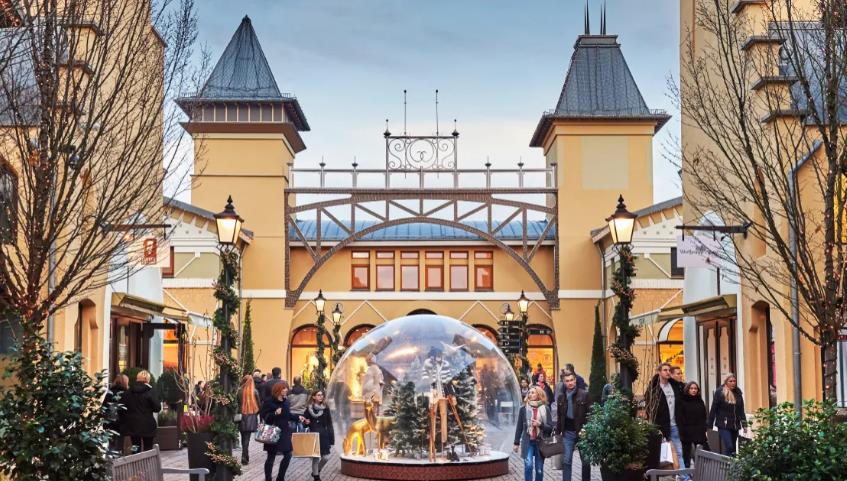
2026 Recommended Attraction in Luxembourg (Updated February)
278 posts
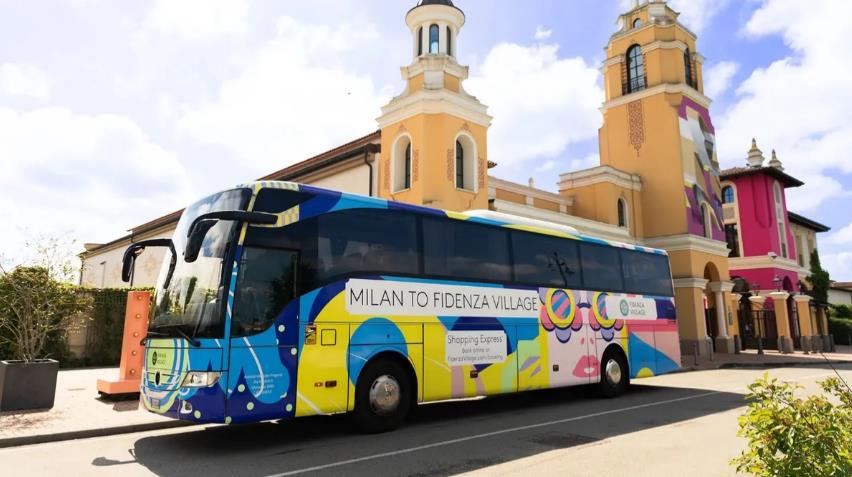
2026 Recommended Guides in Luxembourg (Updated February)
228 posts
2026 Recommended Comprehensive guides in Luxembourg (Updated February)
158 posts

Popular Destinations Near Luxembourg
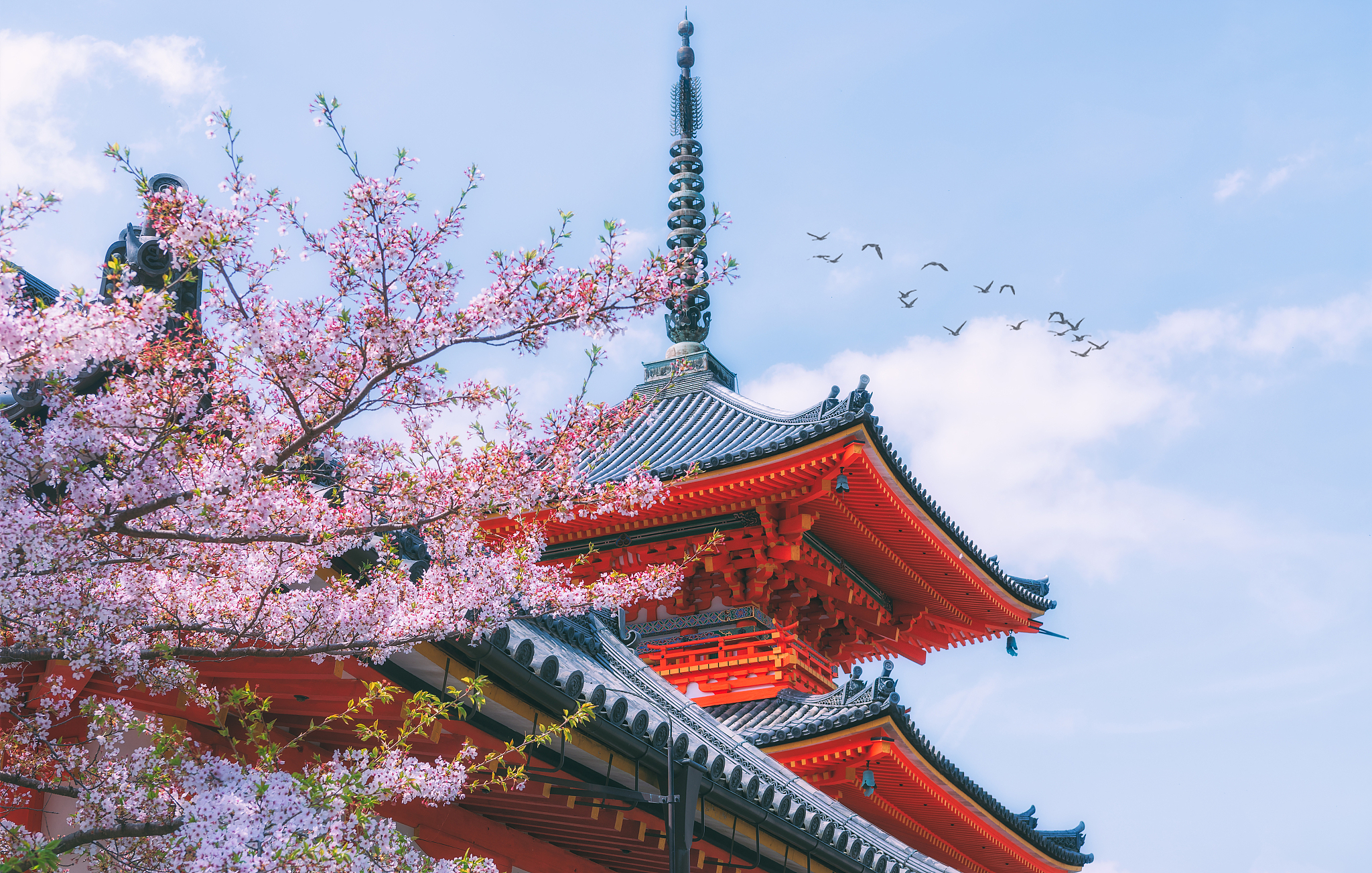
2026 Kyoto Travel Guide: must-see attractions, popular food, hotels, transport & travel experiences (updated in February)
13479 posts

2026 Paris Travel Guide: must-see attractions, popular food, hotels, transport & travel experiences (updated in February)
6688 posts

2026 Barcelona Travel Guide: must-see attractions, popular food, hotels, transport & travel experiences (updated in February)
3373 posts
- 1
- 2
- 3
Post
More recommendations
Popular Trip Moments
Abbey Museum | Unforgettable Trip: Luxembourg City | Day Trip Luxembourg | Vianden Castle | Vianden | Echoes of Stone and Sky: Bourscheid Castle - Stone and Sky | A City Suspended in Time: Luxembourg City - Cliffs, Bridges & Cobblestones: Luxembourg in Layers | 8-Day Europe Multi-Country Walking Tour: This Guide is Truly Amazing | Cross the bridge to a World Heritage city in Laos 🇱🇺 | Luxembourg: A Small Yet Beautiful Country with Free Nationwide Transportation | Luxembourg 🇱🇺 Notre-Dame Basilica | A spectacular landmark in the capital of a small country ⛪️ | Echtnach Abbey | Luxembourg, Corniche | Adolphe Bridge | 🇱🇺✨ Luxembourg City & Beyond: Castles, Culture & Scenic Charm | 🌟🇱🇺 Discover Luxembourg: Castles, Cafés & Scenic Trails | 🏰🌿 Luxembourg Adventure: Castles, Culture & Scenic Strolls 🇱🇺 | Luxembourg Launches New Abu Dhabi Route | Luxembourg travel information and tips! 🇱🇺 | Luxembourg Travel: Luxembourg City Center 🇱🇺 | Luxembourg Travel: Notre Dame Cathedral 🇱🇺 | Luxembourg Travel: Petrus Battery 🇱🇺 | Luxembourg Travel: Adolphe Bridge 🇱🇺 | Luxembourg Old Town
Recommended attractions at popular destinations
Popular Attractions in Bangkok | Popular Attractions in Manila | Popular Attractions in Tokyo | Popular Attractions in Taipei | Popular Attractions in Hong Kong | Popular Attractions in Seoul | Popular Attractions in Kuala Lumpur | Popular Attractions in Los Angeles | Popular Attractions in Shanghai | Popular Attractions in New York | Popular Attractions in Shenzhen | Popular Attractions in Osaka | Popular Attractions in Singapore | Popular Attractions in London | Popular Attractions in Guangzhou | Popular Attractions in San Francisco | Popular Attractions in Beijing | Popular Attractions in Macau | Popular Attractions in Bali | Popular Attractions in Jakarta | Popular Attractions in Paris | Popular Attractions in Ho Chi Minh City | Popular Attractions in Istanbul | Popular Attractions in Phuket | Popular Attractions in Chicago | Popular Attractions in Seattle | Popular Attractions in Toronto | Popular Attractions in Orlando | Popular Attractions in Cebu | Popular Attractions in Chiang Mai
Popular Restaurants in Luxembourg
Restaurant Xin Jiang | Batucada | Brasserie de Houtrib | Resto-Bistro Club 5 Am Park | De Peffer Kar | Chez Max | Fani | Restaurant Bar Mise en Scene | El Toro | RESTAURANT STEPH & TOM | Restaurant Lea Linster | Grubers | Primavera | Viareggio | Le Bistrot Gourmand | Onesto | La Mirabelle | Rotisserie Ardennaise | Charles Sandwiches | Hitch | Restaurant Le Bec Fin | Fourteen Degrees Wine Bar | La Briscola | Siegfried | PizzaGuy | Boos | Beirao | Pavillon Desom | Restaurant-Pizzeria Bacchus SA | Brasserie du Cercle
Popular Ranked Lists
Popular Best Things to Do in Daxin | Top 10 Luxury Hotels near Shrewsbury | Popular Luxury Hotels Near Mount Pleasant | Top 10 Best Things to Do in Guangyuan | Popular Best Things to Do in Dongxing | Popular Luxury Hotels Near Spring | Top 20 Luxury Hotels near Vero Beach | Top 50 Must-Visit Restaurants in Xuzhou | Popular Best Things to Do in Pingtang | Popular Premium Hotels Near Saint Petersburg | Top 10 Luxury Hotels near Markham | Top 50 Must-Visit Restaurants in Changzhou | Top 10 Best Things to Do in Anji | Popular Best Things to Do in Fuyang | Top 50 Must-Visit Restaurants in Moscow | Top 20 Luxury Hotels near Delray Beach | Top 20 Must-Visit Restaurants in Siem Reap | Top 10 Luxury Hotels near Amelia Island | Top 50 Must-Visit Restaurants in Shanghai | Popular Best Things to Do in Sheyang | Top 50 Must-Visit Restaurants in Urumqi | Popular Luxury Hotels Near Lakes | Top 50 Must-Visit Restaurants in Tongxiang | Top 10 Luxury Hotels near Aurora | Top 50 Must-Visit Restaurants in Zhanjiang | Top 50 Must-Visit Restaurants in Guam | Top 10 Luxury Hotels near Brookline | Top 10 Luxury Hotels near Cape Schanck | Top 50 Must-Visit Restaurants in Zhenjiang | Popular Best Things to Do in Tongdao
About
Payment methods
Our partners
Copyright © 2025 Trip.com Travel Singapore Pte. Ltd. All rights reserved
Site Operator: Trip.com Travel Singapore Pte. Ltd.
Site Operator: Trip.com Travel Singapore Pte. Ltd.