1 / 4
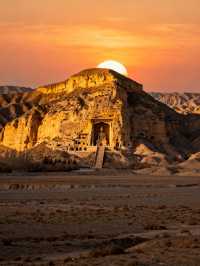
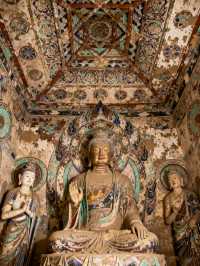
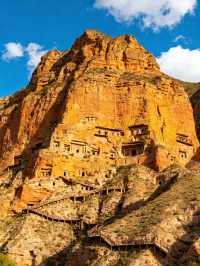
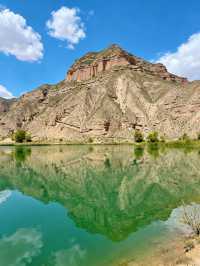
Mentioned in this post
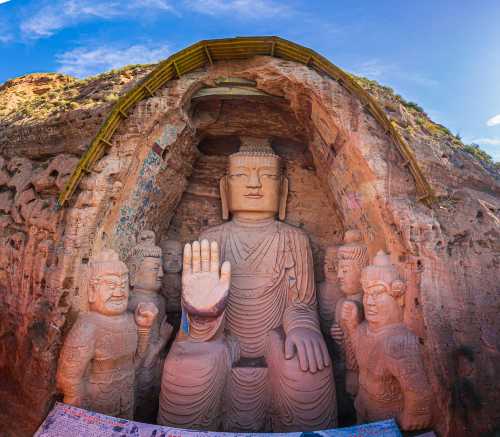
4.6/5296 reviews | Historic buildings
Wuwei

Details
Show more
Popular Trip Moments
A Crazy One-Day Play Plan in Lanzhou! Snowy Mountains, Grasslands, and Danxia Rock Formations Cover All the Fun | Gansu Liangzhou 3-Day 2-Night Travel Guide (The City with the Strongest New Year Atmosphere) | Lanzhou Tanyao Gou Village Mayaxue Mountain + Wushaoling | Lanzhou Surroundings Are Legendary! 4 Types of Landforms in 1 Day, My Personal Secret | The Northwest Self-Drive Ultimate 7-Day Tour of the Hexi Corridor, Save This Guide! | Departing from Lanzhou to the Ice and Snow World of Tianzhu Qilian Mountain Mayaya Snow Mountain | Wuwei Cultural Tourism Unveils Big Offers! Stay at Hotels and Get Free Admission | Maya Snow Mountain Wushaoling | 7 Days 6 Nights Winter-Spring Nanny-Level Guide to the Hexi Corridor! | The nearest snow mountains around Lanzhou | Huangyang River Reservoir: The Ecological Light of the Long River of Time | One-Day Tour in Lanzhou|Maya Snow Mountain + Danxia Landform Photography Small Group | Wuwei Binggou River: The Blue and White in the Snow Realm of Qilian | Not expecting snow on the top of Qilian Mountains, mistaking Zhangye for Jiangnan | Winter Lanzhou Private Car Five-Day Tour Nanny-Level Guide | A Cozy Hotel in a Northwest Treasure Town | Silk Road Exploration · Wuwei Two-Day Travel Guide: Step into a Millennium of Elegance, Meet at Hexi | First Snow at Tianti Mountain Grottoes, Fairyland Photos Flood Winter Social Media | Leitai in Gansu in the desert | Qilian Secret Realm · Binggou River | A Summer Glacier Kissed by Wind and Light | Winter locks down the Hexi Corridor! | Welcome to visit Tianti Mountain | Crossing the Millennia-Old Hexi Corridor|5 Days to Cover All the Stunning Scenery of Northwest China | Zhuaxi Xiulong Grassland in July | Wuqiaoling: A Stunning Hidden Gem Shrouded in Mist | Snow Country World Around Lanzhou|Maya Snow Mountain - Wushaoling | Lanzhou Self-Driving Tour to Wuwei Four-Day Travel Guide | Gansu Wuwei|The Forgotten Liangzhou, Where Grasslands, Snow Mountains, and Deserts Meet | Must-Visit Travel Route in Lanzhou | Mayaxue Mountain - Wushaoling - Danxia | The first stop on the Silk Road journey, let a thousand years of history become the scenery outside your window
Recommended Attractions at Popular Destinations
Popular Attractions in Bangkok | Popular Attractions in Manila | Popular Attractions in Tokyo | Popular Attractions in Taipei | Popular Attractions in Hong Kong | Popular Attractions in Seoul | Popular Attractions in Kuala Lumpur | Popular Attractions in Los Angeles | Popular Attractions in Shanghai | Popular Attractions in New York | Popular Attractions in Shenzhen | Popular Attractions in Osaka | Popular Attractions in Singapore | Popular Attractions in London | Popular Attractions in Guangzhou | Popular Attractions in San Francisco | Popular Attractions in Beijing | Popular Attractions in Macau | Popular Attractions in Bali | Popular Attractions in Jakarta | Popular Attractions in Paris | Popular Attractions in Ho Chi Minh City | Popular Attractions in Istanbul | Popular Attractions in Phuket | Popular Attractions in Chicago | Popular Attractions in Seattle | Popular Attractions in Toronto | Popular Attractions in Orlando | Popular Attractions in Cebu | Popular Attractions in Chiang Mai
Popular Attractions
Pu Zhao Temple | Eighteen Twistings | Qichangcheng Ruins | Nanping Evening Bell | Jingshi Valley | Daguan Peak | Sky Candle Peak | Heilong Pool | Fanziya | Lingyin Temple | Qiantang River | Houshi Dock | Doumu Palace | Pavilion of High Mountain and Flowing Water | Red Gate Palace | Maogan Qianlong Cave | The Stadthuys | Church of Saint Paul, Malacca | St John's Fort | Jiuzhou Island | Circolo Tennis S.Pier d'Isonzo asd | Ppks Sarolangun | 更別湿原ヤチカンバ | Gohyakurakando | Geonkhali Church | Brenden Theatres | San Juanico Bridge | Taman Bkt
Popular Restaurants in Wuwei
德克士(步行街店) | 海锦天S酒店·伊兴手抓·羊羔肉清真餐厅 | 雪域圣境 | 周记三套车·甘肃名小吃 | 羊了个羊(天一财富店) | 武威金穗大酒店·百姓厨房(黄羊店) | BAO LIN NIU ROU CHAO MIAN PIAN BEI GUAN DIAN | Zhaojiadayuan | 老王家菜锅子(西关店) | 肯德基(武威凉州店) | 牛少爷牛肉炒面片(凉州旗舰店) | 羊了个羊炒羊肉片(聚银新都店) | 好客人文茶楼 | 晋茶火锅店 | 胖子鱼鲜鱼火锅 | He Jixing Mian • Three sets of cars | 拾年小院 | 老王三套车 | Chongqing Chicken Hot Pot | 憨先生土钵菜 | 马有布牛肉面(祁连大道店) | 必胜客(天丰店) | Heisankaoroucheng | 马路边边(古浪街店) | 武威金玺国际酒店(市医院星光购物广场店)·自助早餐厅 | 食为天家味鲜(南关店) | 兄弟烤坊(九中店) | YI NING ZHAI JING PIN SHUAN | 云翔国际酒店·餐厅 | 羊了个羊炒羊肉片(星光店)
Popular Ranked Lists
Top 50 Must-Visit Restaurants in Yangzhou | Top 10 Best Things to Do in Jingxi | Top 50 Best Things to Do in Tokyo | Top 50 Must-Visit Restaurants in Munich | Top 50 Luxury Hotels near Chita District | Top 50 Must-Visit Restaurants in Chengdu | Top 20 Best Things to Do in Geneva | Top 50 Luxury Hotels near Hadano | Top 50 Luxury Hotels near Minamiuonuma | Top 50 Best Things to Do in Jakarta | Popular Best Things to Do in Lichuan | Top 20 Best Things to Do in Semporna | Top 50 Must-Visit Restaurants in London | Popular Luxury Hotels Near Birstonas | Top 50 Best Things to Do in Prague | Popular Luxury Hotels in Iguaçu National Park(Brazil) | Top 50 Must-Visit Restaurants in Kyoto | Top 50 Best Things to Do in Seogwipo | Top 10 Best Things to Do in Naha | Popular Best Things to Do in Zhijiang | Top 50 Best Things to Do in London | Top 50 Must-Visit Restaurants in Sapporo | Top 50 Must-Visit Restaurants in George Town | Popular Best Things to Do in Zhaotong | Top 10 Luxury Hotels in Riviera Maya | Top 20 Luxury Hotels near Banyumas Regency | Popular Best Things to Do in Ziyuan | Top 50 Must-Visit Restaurants in Barcelona | Top 50 Must-Visit Restaurants in Dubai | Top 50 Must-Visit Restaurants in Jeju
About
Payment methods
Our partners
Copyright © 2025 Trip.com Travel Singapore Pte. Ltd. All rights reserved
Site Operator: Trip.com Travel Singapore Pte. Ltd.
Site Operator: Trip.com Travel Singapore Pte. Ltd.