1 / 8
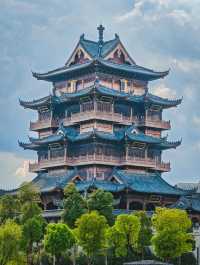
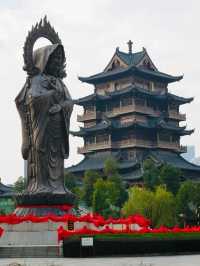
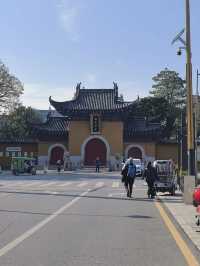
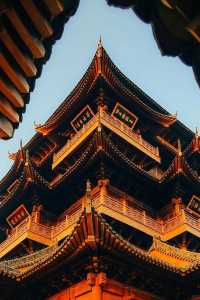
Mentioned in this post
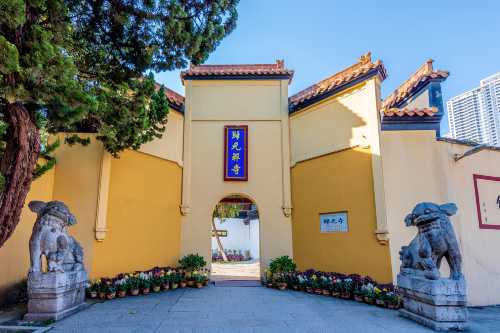
4.5/5699 reviews | Historic buildings
Wuhan
Details
Show more
Popular Trip Moments
12.2live|The Real-Life Monet Oil Painting Hidden in Wuhan Qingshan Park | citywalk Ecstasy Hidden in the Golden Forest in the City Center | Hubei Newborn Travel Annual Pass Wuhan Botanical Garden Complete Guide | 12.1 Wuhan | A Real-Life Autumn Monet Painting ~ Direct Subway Access | Two Days and One Night Trip from Wuhan: Tianzhu Mountain West Entrance and South Exit Guide | A Must-Have Dawn Redwood Guide for Visiting Wuhan | The stunning scenery of European-style buildings under the sunset glow | Golden Rainbow Dance of Cedars · Early Winter Album of Wuhan Botanical Garden | Visiting Baodao Park: A Tranquil Corner in the City | A perfect little cabin to clear your mind and a great winter hot spring getaway! | Wuhan's autumn is stunningly beautiful—New Year's Eve crazy fun guide, miss it and wait a whole year | Wuhan Tiandi Christmas City Walk Guide|Atmosphere and Fireworks Both Online | It's not that Altay is unreachable, but... | Why does this homestay stay on my mind? | You can stay in such a beautiful hotel in Wuhan! The ceiling of the high-altitude city view hotel | Staying at the right hotel in Wuhan really saves you half the trouble! | An 830-Year-Old Ancient Ginkgo in Huangpi, Wuhan Reaches Its Best Viewing Period | Wuhan Autumn Must-Visit: Overseas Chinese Town Wetland Park is as beautiful as a spilled palette | Come to this off-the-beaten-path museum and experience the silent beauty of colorful Guizhou | The ceiling of the redwood forest in Optics Valley, quitting my job in middle age 34 | Wuhan's autumn scenery at its peak! The colorful forests of Moshan are stunningly beautiful! | I sincerely recommend a short trip: this is what feeling alive is like | Wuhan Autumn Secret Spot|Donghu Luoyan Island is so healing | # Wuhan Huangpi District Travel Guide | Hidden Gem Check-in Spot, This is the Right Way to Relax Your Weekend! You thought Wuhan only had Jiangtan and Hankou Jianghan Road? Wrong! | Copying the itinerary “locals” strongly recommend for a Wuhan trip | Free photo opportunities at Tengwang Pavilion! A two-day, one-night itinerary for Wuhan and Nanchang! | City Hidden Oxygen Bar Guide | Wuhan Hankou New Favorite Hotel | Showing off one's food at a museum? Those with high food savvy have already jumped on the bandwagon. | Wuhan Little New Zealand|The sunset at Lingshan in Jiangxia is unbelievably beautiful
Recommended Attractions at Popular Destinations
Popular Attractions in Bangkok | Popular Attractions in Manila | Popular Attractions in Tokyo | Popular Attractions in Taipei | Popular Attractions in Hong Kong | Popular Attractions in Seoul | Popular Attractions in Kuala Lumpur | Popular Attractions in Los Angeles | Popular Attractions in Shanghai | Popular Attractions in New York | Popular Attractions in Shenzhen | Popular Attractions in Osaka | Popular Attractions in Singapore | Popular Attractions in London | Popular Attractions in Guangzhou | Popular Attractions in San Francisco | Popular Attractions in Beijing | Popular Attractions in Macau | Popular Attractions in Bali | Popular Attractions in Jakarta | Popular Attractions in Paris | Popular Attractions in Ho Chi Minh City | Popular Attractions in Istanbul | Popular Attractions in Phuket | Popular Attractions in Chicago | Popular Attractions in Seattle | Popular Attractions in Toronto | Popular Attractions in Orlando | Popular Attractions in Cebu | Popular Attractions in Chiang Mai
Popular Attractions
Jiming Temple | Meiyuan Xincun Memorial Hall | Nanjing Presidential Palace | Jingan Temple | Shanghai Stadium | Jinjiang Action Park | The site of the first CPC National Congress | Longtouzhu Scenic Area | Plum Garden | Shanghai Wild Animal Park | Tai Hu Yuantouzhu Scenic Spot | Guilin Park | Oriental Pearl Radio & Television Tower | Lion Grove Garden(Shizilin Garden) | North Bridge | Forest Park | Hong Kong Space Museum | Kowloon Walled City Park | Fairy Cave | Lushan Botanical Garden | Mushola Al-Amin Stasiun Jatinegara | Baba Mansadas Mandir Dahina | Pavo Real Splash Park/Dog Water Park | Iglesia Hermanos en Cristo | MOON DISCO CLUB | Nuova Vita | Trailhead for Captain Jack's (665) | Central stadium | Mejit Island | Bungeino-sato
Popular Restaurants in Wuhan
QINGHE | 湖滨客舍(东湖店) | Er Pang BBQ( Main Branch) | ZYZ | XISHE RESTAURANT | liangliang | 德润福严氏烧麦总店(友谊路总店) | BIG CRAWFISH HOUSE | HE | Ke Chuan | Yu Kee Jingfen Shijia | Yuan Da Tou Bao Zi | Korean BBQ and Mini Hotpot | DE HUA LOU | Zen5es | DIAN | HE JI NIAN YU JI DE HAI XIANG SHI JIE DIAN | 阿宝生煎包(万松园总店) | North Latitude 37 Degree Creativity Cuisine | STEAMED SOUP EXPERT | 5% Villa Restaurant | Jubilee Garden | 武汉光谷凯悦酒店·福悦1077中餐厅 | SIJI MEI SOUP DUMPLINGS | Hujin Restaurant | 老宅藕香(黄鹤楼景观店) | LAO TONG CHENG | NO.1 RESTAURANT | Mom's Sauce Food Restaurant | XIAO GUAN YUAN
Popular Ranked Lists
Top 50 Must-Visit Restaurants in Dongguan | Top 50 Must-Visit Restaurants in Luoyang | Top 50 Must-Visit Restaurants in Dalian | Top 50 Luxury Hotels near Albany | Top 10 Best Things to Do in Quzhou | Top 50 Must-Visit Restaurants in Yanji | Top 50 Must-Visit Restaurants in Brisbane | Top 50 Must-Visit Restaurants in Las Vegas | Top 20 Best Things to Do in Brisbane | Top 50 Must-Visit Restaurants in Pingtan | Popular Best Things to Do in Emeishan | Top 10 Best Things to Do in Kathmandu | Top 50 Must-Visit Restaurants in Kota Kinabalu | Top 20 Best Things to Do in Christchurch | Top 50 Must-Visit Restaurants in Weihai | Popular Premium Hotels in Villanueva de Tapia | Popular Premium Hotels in Mito | Top 10 Best Things to Do in Kanazawa | Popular Luxury Hotels Near Greenville | Top 10 Best Things to Do in Kamakura | Popular Premium Hotels in Arrowtown | Top 20 Best Things to Do in Yokohama | Popular Best Things to Do in Mian County | Top 20 Best Things to Do in Montreal | Popular Premium Hotels in Ribandar | Top 10 Luxury Hotels near College Station | Top 10 Luxury Hotels near Palmerston North | Popular Premium Hotels in Exeter | Top 50 Must-Visit Restaurants in Leshan | Top 50 Must-Visit Restaurants in Queenstown
About
Payment methods
Our partners
Copyright © 2025 Trip.com Travel Singapore Pte. Ltd. All rights reserved
Site Operator: Trip.com Travel Singapore Pte. Ltd.
Site Operator: Trip.com Travel Singapore Pte. Ltd.