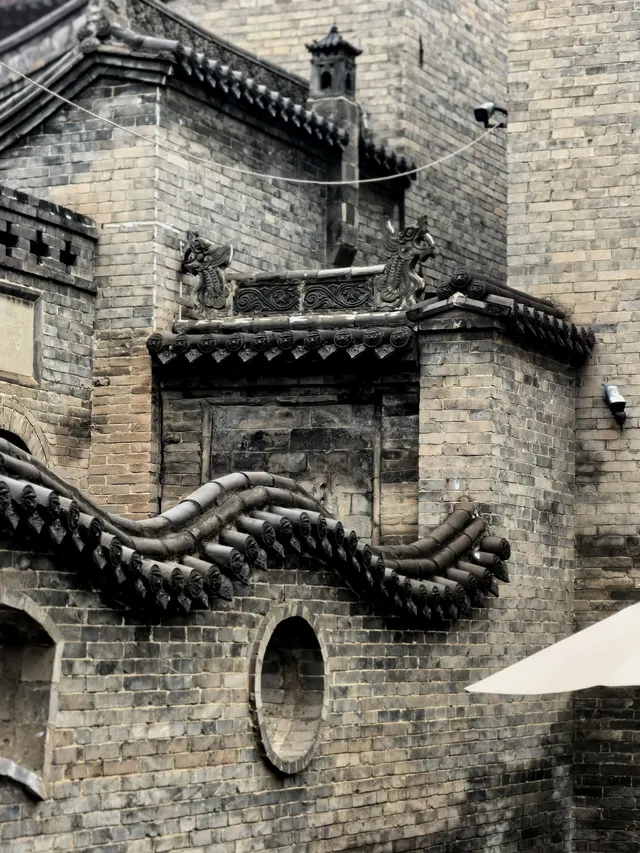
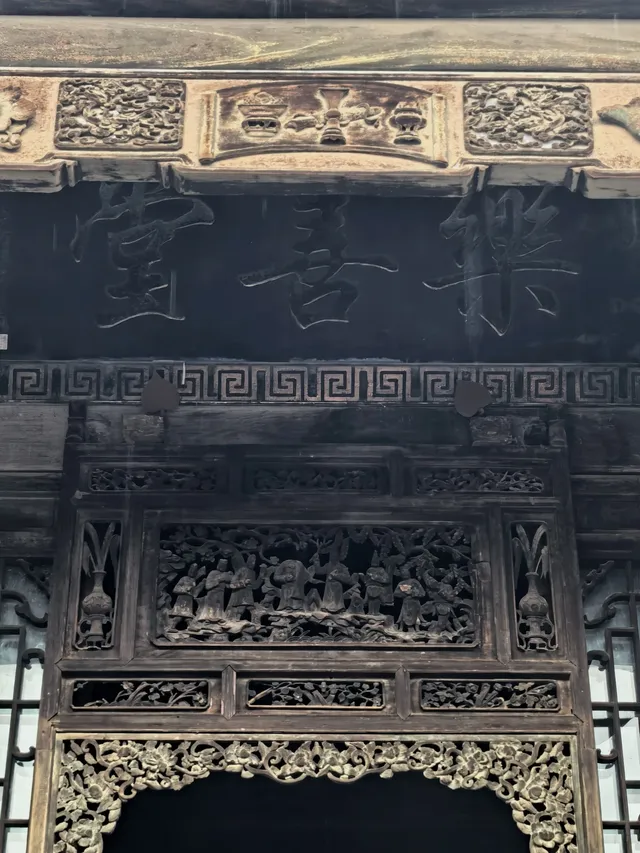
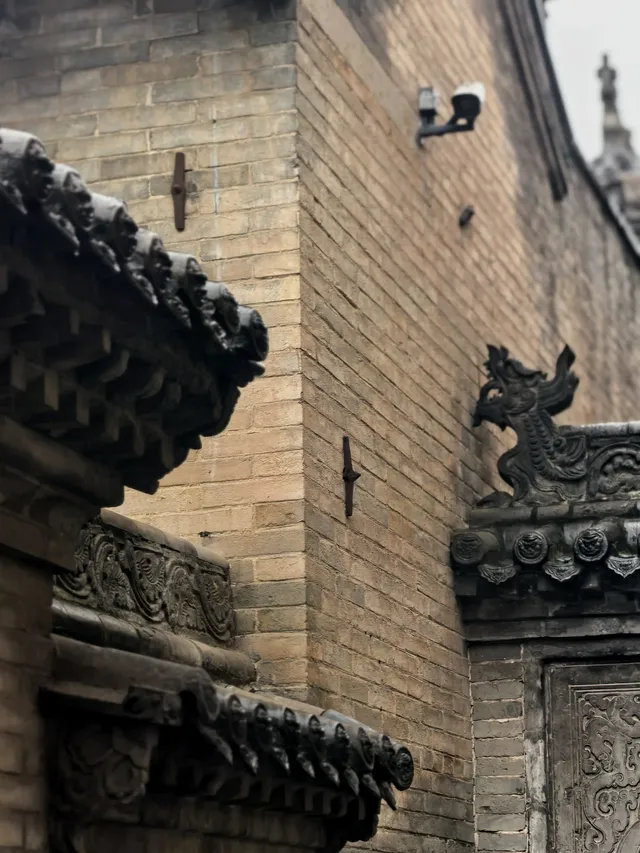
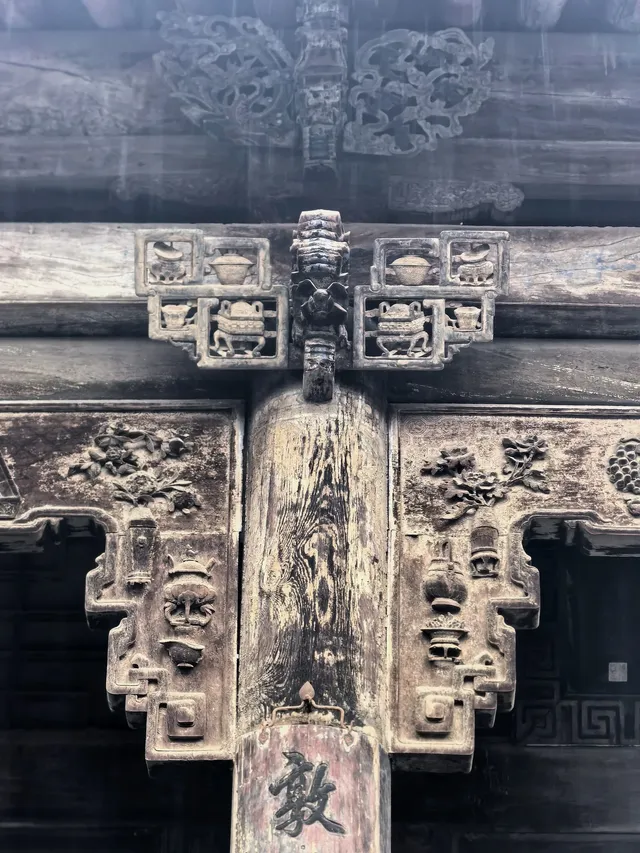
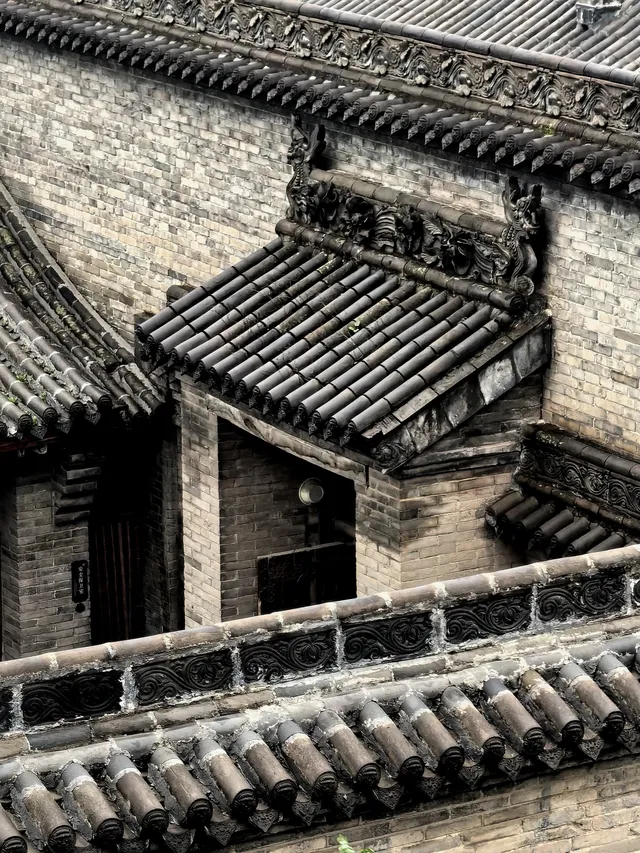
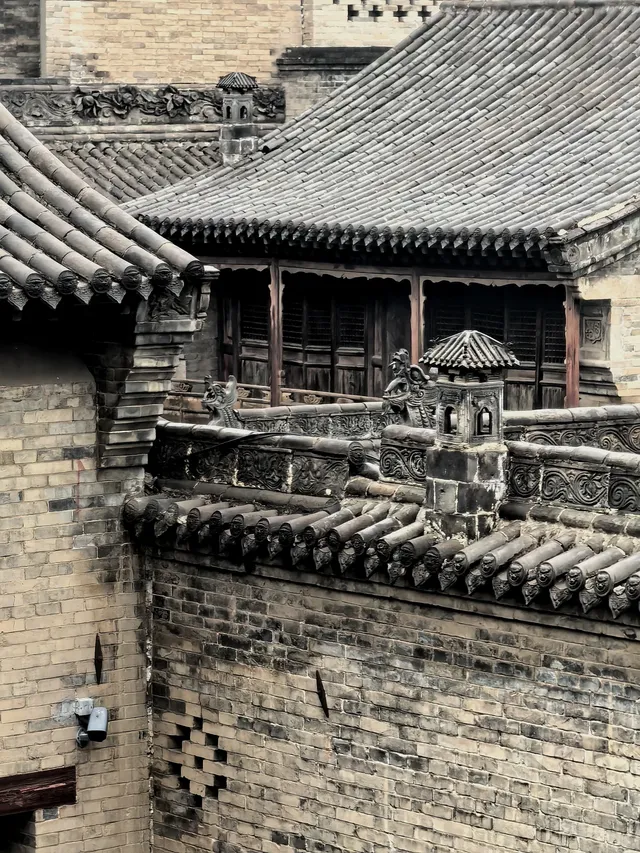
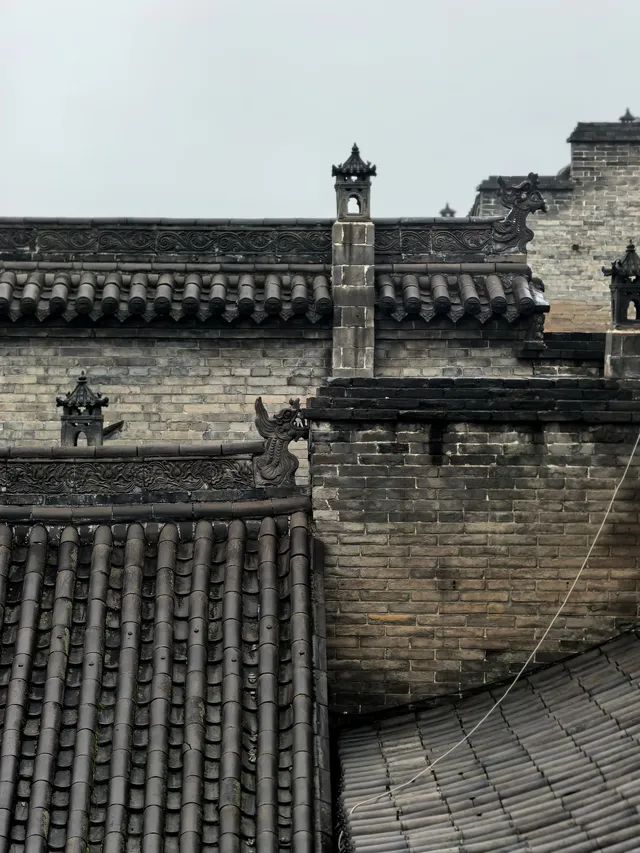
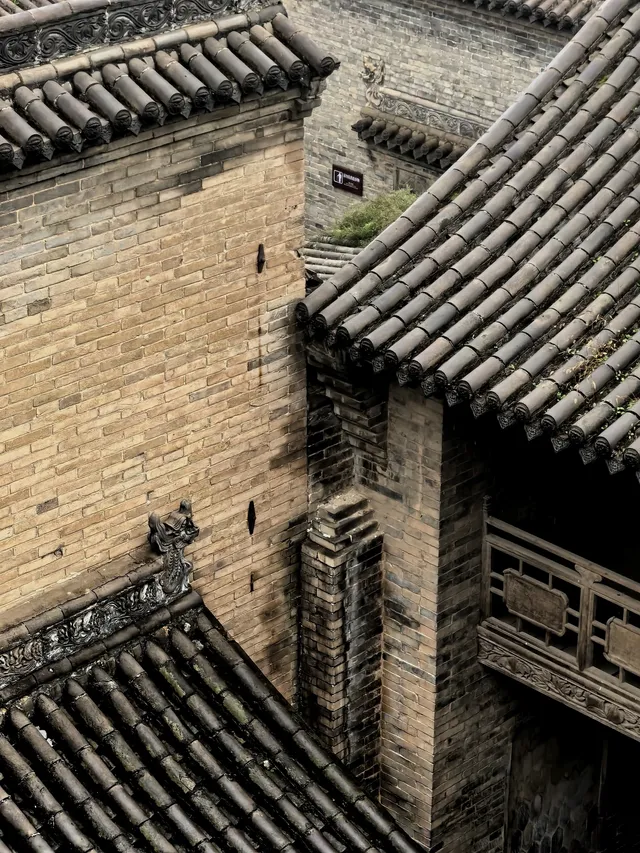
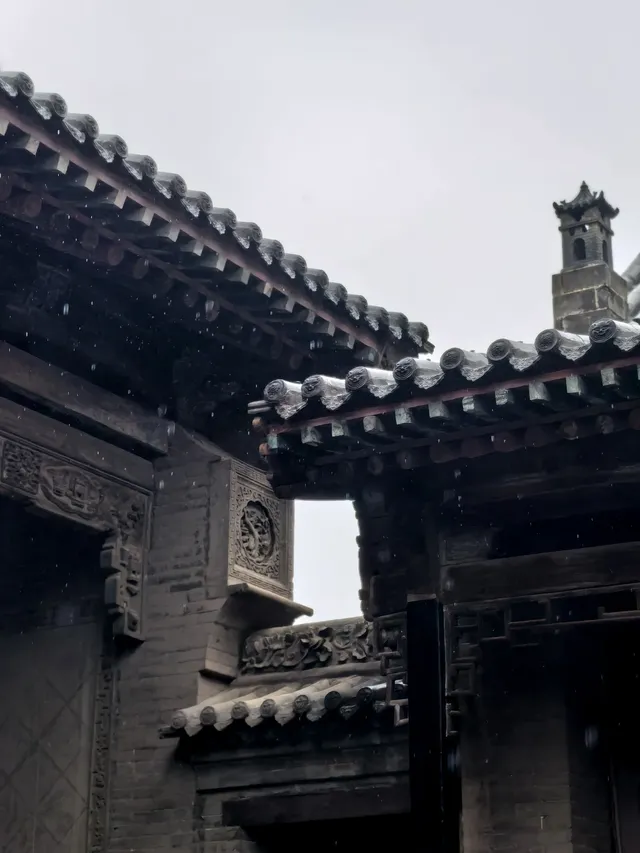
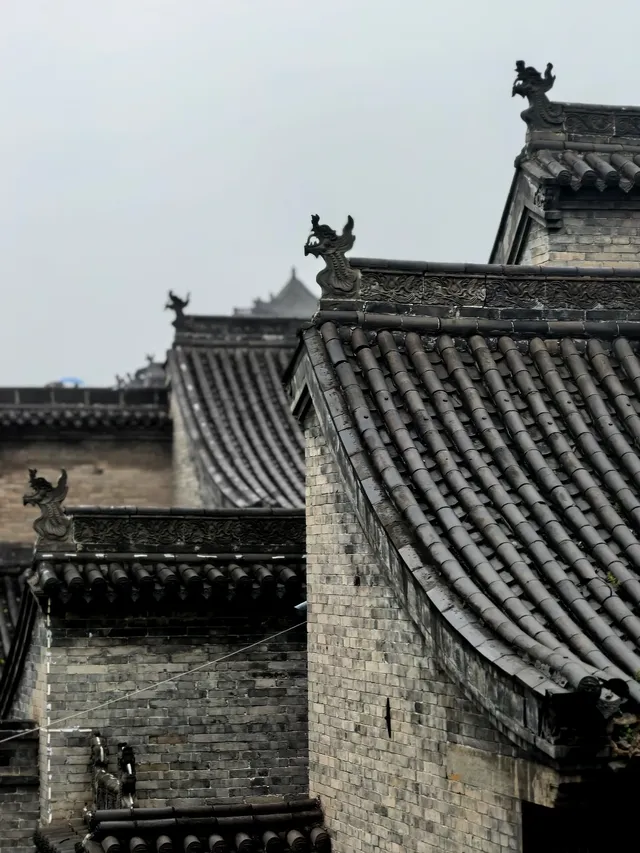
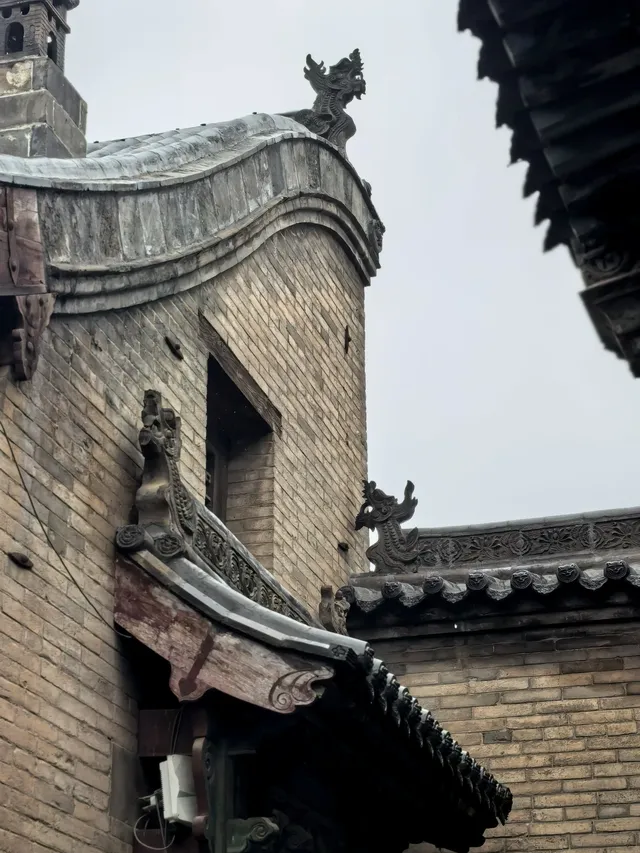
1 / 15
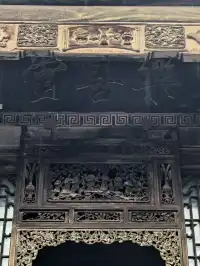
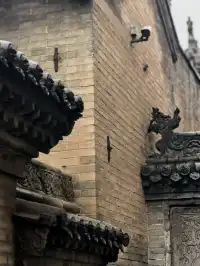
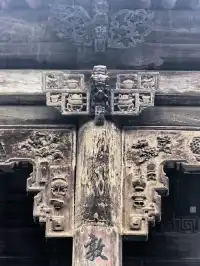
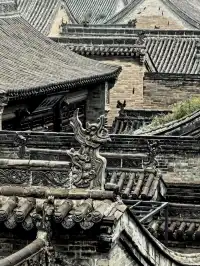
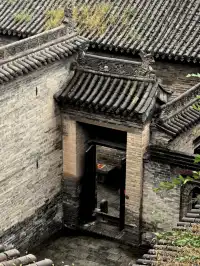
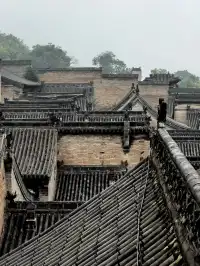
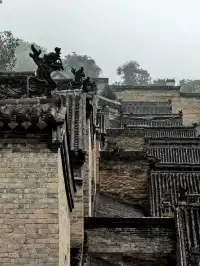
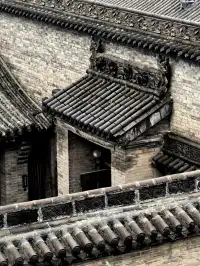
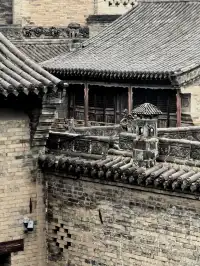
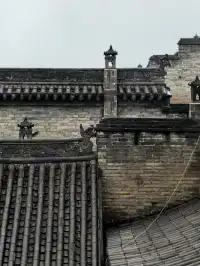
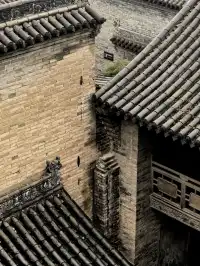
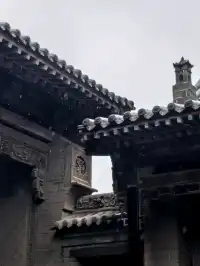
Mentioned in this post
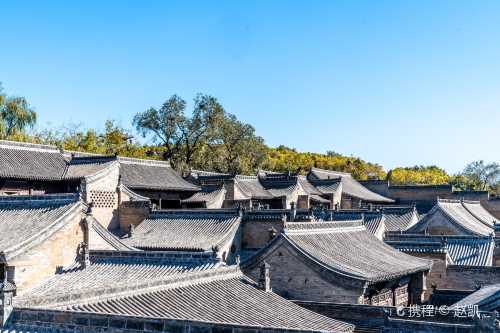
4.7/510890 reviews | Historic buildings
Lingshi

-28%
TWD 111
TWD 80
Details
Show more
Popular Trip Moments
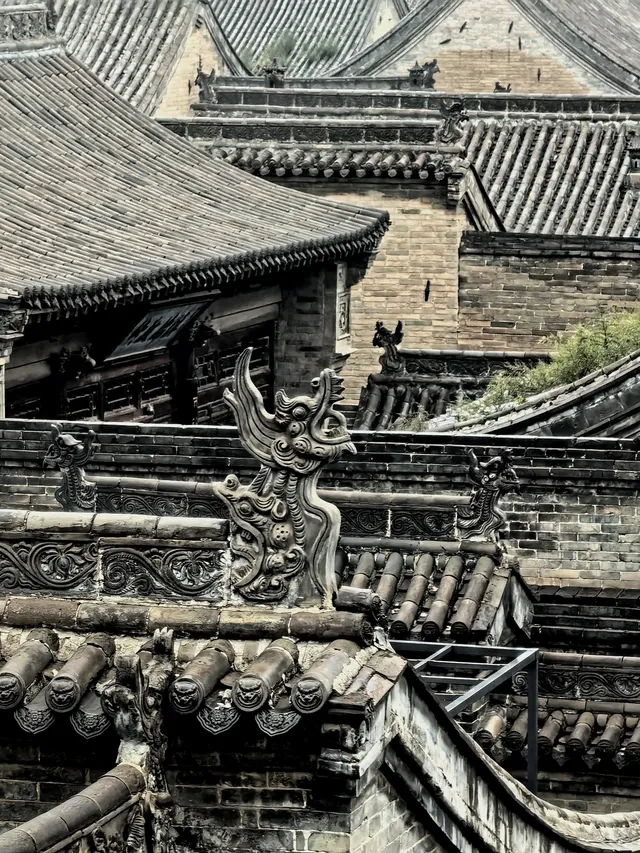
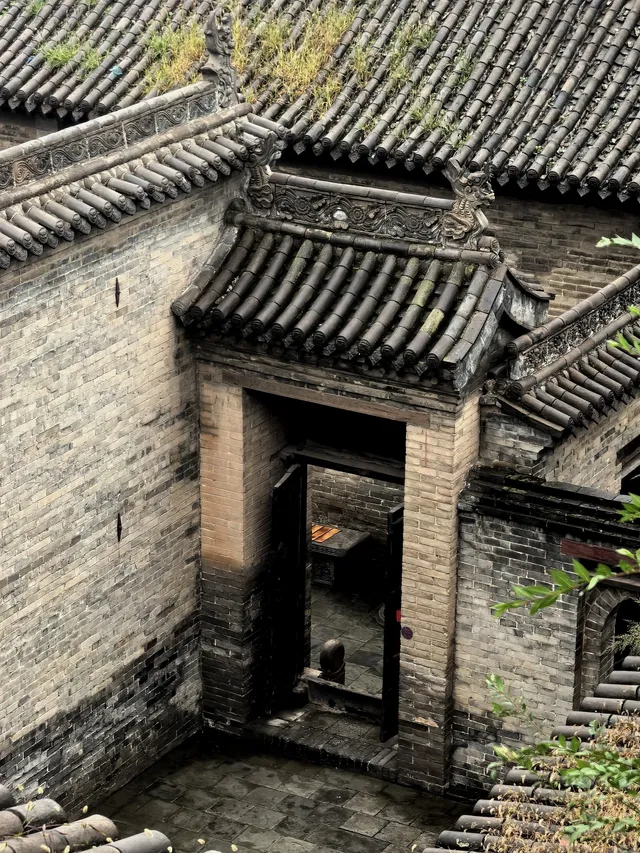
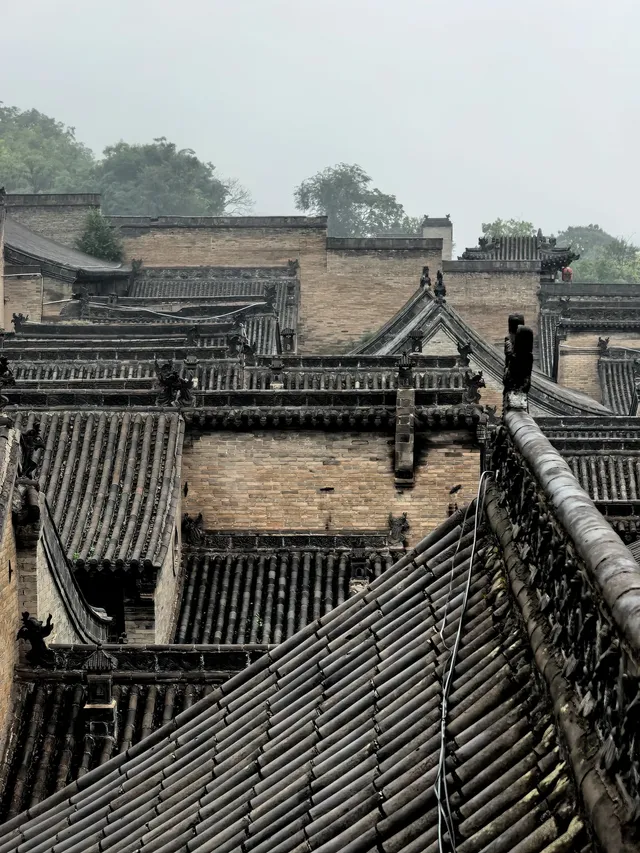
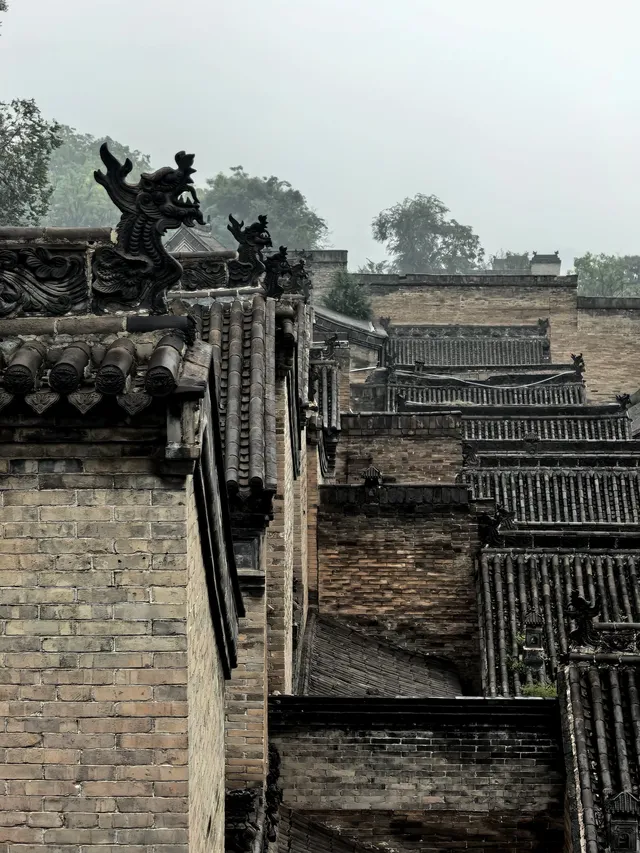
Already looking forward to the Wang Family Courtyard after the snow! | The Forbidden City|Have you ever seen the Forbidden City like this? | Rooted at the foot of Xuanweng Mountain, flourishing with Gui and Rong trees | Courtesy and righteousness are treasured family heirlooms, and poetry and books enrich future generations. | Wang Family Compound, the Echo of a Millennium-Old Scholar Clan's Glory | 6-Day Ultimate Shanxi Highlights Tour Guide is here | Shanxi nanny-level guide I’m willing to call "Ancient Architecture Enthusiast’s Ecstasy" | Disparaging elegance and valuing practicality, the family’s reputation spreads far; gentle rain and mild wind, the emperor’s grace is profound. | Taiyuan · Jinci Sharira Shengsheng Pagoda | An Outstanding Example of Qing Dynasty Brick Pagodas | Three Winter-Exclusive Icefall Secrets in Shanxi More Stunning Than Iceland! | Autumn Family-Friendly Hotels Collection in Shanxi|Unlock the History and Scenery of Five Cities During the Golden Week | Shanxi Taiyuan Three-Day Travel Guide | A Winter Dream in Northern Shanxi: Encounter Shanxi’s Most Beautiful First Snow in a Century-Old Building | A recommended summer retreat for everyone: Danxia Valley, China | Winter Travel Guide for Taiyuan and Surrounding Areas – A Must-Read | 【Taiyuan 3 Days 2 Nights】Just over $100 per person! Unlock the ultimate guide to the hometown of Shanxi merchants! | Red Cliff Canyon's winter exclusive: a romantic check-in spot with ice waterfalls and sea of flowers | 2-Day Trip to Taiyuan: Discover the Unique Beauty of the Splendid City | Wang Family Courtyard Winter Relaxation Guide: Experience the Snowy Romance of the "Folk Forbidden City" for 500 RMB | The stunning autumn and winter scenery of Hongya Canyon offers a colorful immersive experience | Shanxi Family-Friendly Hotel Guide|High Cost-Performance Accommodation Collection for Traveling with Kids | Finally waited for the ginkgo trees at Jinci Temple to turn yellow! | Shanxi Treasure Tour, Complete Guide to the Land of Sanjin | Jinci Temple, a gentle glance back across three thousand years | 「Super Fun Ways to Play in Shuozhou and Other Places, Amazing Value for Money!" | Wang Family Courtyard Travel Guide: Strolling Through the Essence of Traditional Chinese Architecture | Sufficient budget! Taiyuan Family Trip|Culture + Nature Quality Kid-Friendly Guide | A Millennium-Old Temple with Free Admission—Zishou Temple | Shanxi Travel Essential Guide | The stunning combination of ancient ginkgo trees and architecture, a weekend city walk at Jin Temple
Recommended Attractions at Popular Destinations
Popular Attractions in Bangkok | Popular Attractions in Manila | Popular Attractions in Tokyo | Popular Attractions in Taipei | Popular Attractions in Hong Kong | Popular Attractions in Seoul | Popular Attractions in Kuala Lumpur | Popular Attractions in Los Angeles | Popular Attractions in Shanghai | Popular Attractions in New York | Popular Attractions in Shenzhen | Popular Attractions in Osaka | Popular Attractions in Singapore | Popular Attractions in London | Popular Attractions in Guangzhou | Popular Attractions in San Francisco | Popular Attractions in Beijing | Popular Attractions in Macau | Popular Attractions in Bali | Popular Attractions in Jakarta | Popular Attractions in Paris | Popular Attractions in Ho Chi Minh City | Popular Attractions in Istanbul | Popular Attractions in Phuket | Popular Attractions in Chicago | Popular Attractions in Seattle | Popular Attractions in Toronto | Popular Attractions in Orlando | Popular Attractions in Cebu | Popular Attractions in Chiang Mai
Popular Attractions
Three Pools Mirroring the Moon | Liuhe Pagoda | Lingyin Temple | Qiantang River | Houshi Dock | Doumu Palace | Bai Causeway | Hupao Park | House of the Xue Family | Cuihua Mountain·Qinling Zhongnanshan Unesco Global Geopark | Xian Banpo Museum | Big Wild Goose Pagoda | Huaqing Palace | Shipi Lane | Huajue Lane, the Great Mosque | Our Lady of Fátima Church Macau | Chapan Tower | Tianzishan | Mount Xuebaoding | Baishiling Tourism Scenic Area | St. Agatha's Church - Dickwela (සාන්ත අගතා දේවස්ථානය - දික්වෙල) | La esperanza | Shri Sai Mandir | Noyac Hills County Park | Hanuman mandir हनुमान जी मंदिर | Alive Church | Youth Park | Family Movie | Metropolitano Ciudad Modelo Park
Popular Restaurants in Lingshi
崇宁堡温泉酒店自助午餐 | 王家味道(王家大院店) | 云南生态石锅鱼(新建东街店) | Mingyue Restaurant | 3A蛋糕(二部) | 金牛客中西餐厅 | Kemantangtijianguan | 金麒麟大酒店·餐厅 | ZHAO SHI FU JIU DIAN SHUI TOU DIAN | Juewei Duck Neck (lingshi) | 王婆大虾(灵石店) | ZFC加州基(王家大院店) | 灵石崇宁堡温泉酒店·中餐厅 | 聚鑫源饭店 | 咔咔滋蛋仔 | 张记过桥米线(静升店) | 3A蛋糕(一部) | 重庆秦妈火锅(灵石店) | 玫瑰蛋糕(建设路店) | 酷佰味电烤全鱼 | 好运来蛋糕(一部) | 明珠酒楼(建设路店) | HONG CHANG BIE WANG FU | LAN ZHOU NIU ROU LA MIAN | 涛涛三味火锅(静升店) | 百姓渔村(永吉大道店) | 茶香园(建设路店) | 华夏宏源大酒店餐厅 | 正宗东北木火铁锅炖鱼村(灵石分店) | 德克士(灵石帝豪店)
Popular Ranked Lists
Top 50 Must-Visit Restaurants in Lanzhou | Popular Best Things to Do in Zigong | Top 50 Must-Visit Restaurants in Kota Kinabalu | Popular Premium Hotels in New Hampshire | Popular Best Things to Do in Mian County | Popular Luxury Hotels Near Bellingham | Top 50 Must-Visit Restaurants in Nanchang | Top 50 Must-Visit Restaurants in Leshan | Top 50 Must-Visit Restaurants in Shangrao | Top 10 Best Things to Do in Wuhu | Top 50 Must-Visit Restaurants in Boracay Island | Top 10 Luxury Hotels near Palmerston North | Top 50 Must-Visit Restaurants in Changchun | Top 10 Best Things to Do in Malé | Popular Premium Hotels in Kotayk | Popular Premium Hotels in Bowness-on-Windermere | Top 50 Must-Visit Restaurants in Xichang | Top 50 Must-Visit Restaurants in Guilin | Top 50 Must-Visit Restaurants in Zhangzhou | Popular Premium Hotels in Northumberland | Top 50 Must-Visit Restaurants in Yanji | Top 50 Must-Visit Restaurants in Dalian | Top 50 Must-Visit Restaurants in Amsterdam | Top 50 Must-Visit Restaurants in Kaifeng | Popular Best Things to Do in Deyang | Popular Best Things to Do in Sheyang | Top 50 Must-Visit Restaurants in Shenyang | Popular Best Things to Do in Tongdao | Popular Premium Hotels in Shirdi | Popular Best Things to Do in Addis Ababa
About
Payment methods
Our partners
Copyright © 2025 Trip.com Travel Singapore Pte. Ltd. All rights reserved
Site Operator: Trip.com Travel Singapore Pte. Ltd.
Site Operator: Trip.com Travel Singapore Pte. Ltd.