





 4.7/5
4.7/5 蓝雨凝雪
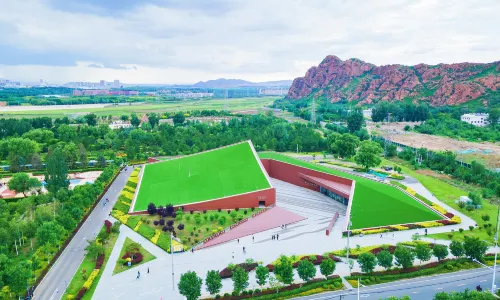
蓝雨凝雪The museum isn't large, so a quick tour of half an hour or an hour is recommended. The Hongshan Culture, which dates back 3,000 to 5,000 years, was spread across Chifeng and Chaoyang. The first floor features the Hongshan Culture exhibition (worth a look), the second floor features the Folklore exhibition (a quick overview), and the third floor features the Science and Technology Exhibition Hall (not worth visiting).
 4.1/5
4.1/5 老鹰在飞翔
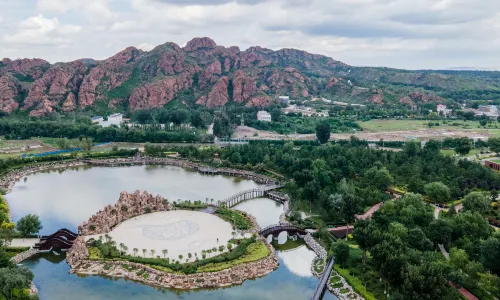
老鹰在飞翔Chifeng Hongshan Park is located 2 kilometers northeast of Chifeng City. It is the largest park in the urban area. Lotus flowers are in full bloom in the garden, and the Red Mountain not far away can be clearly seen. It is said that Chifeng City got its name from this mountain.
 4.5/5
4.5/5 兴业爱📸
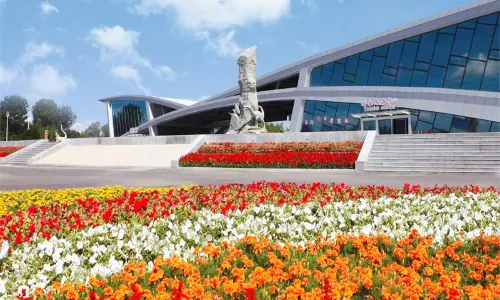
兴业爱📸I had previously learned through the media that the earliest bird fossils had been discovered in Chaoyang, and I had always wanted to see them, but I hadn't been able to. This year, during my vacation, and since I'm also from Liaoning, it was convenient for me to go there. I visited the site and listened to the guide's explanation, which sparked my interest in natural science. After returning, I often read articles about the Chaoyang bird fossils.
 4.6/5
4.6/5 M60***67
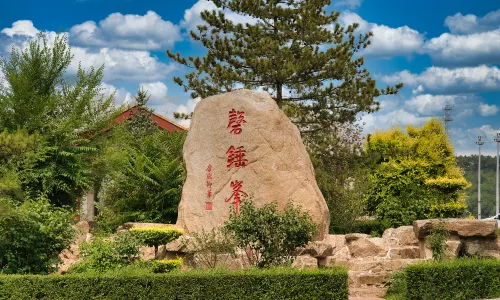
Hiking enthusiasts can enter through the South Gate and reach Toad Rock in about 40 minutes. From there, you can reach Qingchui Peak in less than half an hour, then take the cable car down from the North Gate. I saw a relaxing little orange cub at the Toad Rock Observation Deck.
 4.8/5
4.8/5 _ZF***93
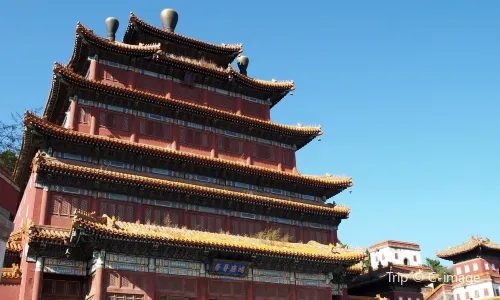
The Eight Outer Temples are actually an abbreviation for the Eight Temples Outside the Pass. Puning Temple was the first temple built by Emperor Qianlong after his ascension to the throne (Puning, as the name suggests, means "universal peace"). Putuo Zongcheng Temple was the last temple he built. This is the only one of the Eight Outer Temples managed by the Ethnic and Religious Affairs Bureau (Lama); the others are managed by the Cultural Relics Bureau. A must-see here is the Thousand-Handed and Thousand-Eyed Guanyin Bodhisattva (the world's largest existing gilded wooden standing Buddha statue). Emperor Qianlong liked to erect steles. The steles describe the background of the temple's construction, and the steles even use puns, with money and dragon patterns carved at the bottom. I heard a story from Director Wang that made me realize Emperor Qianlong was a person of extremely high emotional intelligence. When asked if the use of Chinese characters on the back of the steles was because Chinese was considered inferior to Manchu, Qianlong replied, "No, it's precisely because the Chinese language of the Central Plains is so profound that the back is written as a backing for the Manchu script." (This is anecdotal and not even historical; just something I heard.)
 4.7/5
4.7/5 Anonymous user
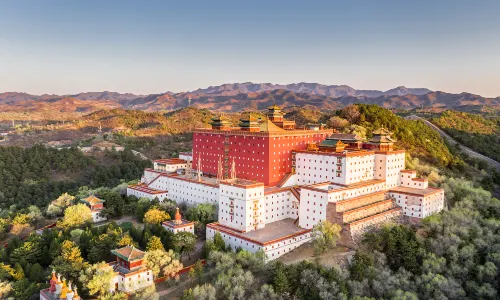
Cultural sites leave us with historical imprints, and the gilded tiles of the Little Potala Palace are awe-inspiring, highlighting the weakness of a nation that can't even protect its own treasures! The tourism regulations regarding fire prevention at the Little Potala Palace are played on repeat, and the background music during the tour is a bit unbearable. I don't understand it, but I respect it!
 4.6/5
4.6/5 熊猫小胖90
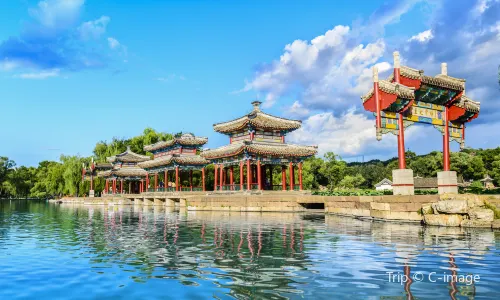
This was my first time visiting the Mountain Resort during the off-season, so it wasn't crowded. The entrance fee was 90 yuan per person, but most of the money probably went to the museum. Winter comes early here, so the Mountain Resort's scenery is slightly less impressive than in other seasons. To get here, you have to pass through the museum first to reach the gardens. The scenic area has three routes, but the mountain path is inaccessible in winter, so you can only see the garden views. The park is very large; it would be quite nice with snow. Summer and autumn must be very beautiful. The entrance fee isn't cheap!
 4.6/5
4.6/5 M22***10
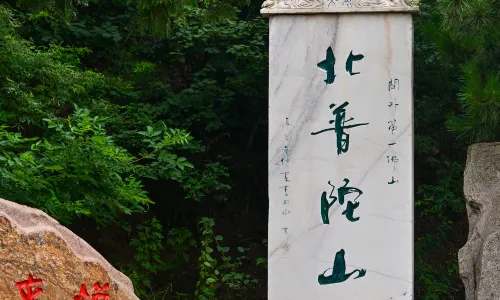
First of all, the car can be driven up, and there is parking in each temple, which is great. Then the environment is also good, refreshing. How high you can climb depends on your physical fitness. Overall, it feels good.
 4.1/5Anonymous user
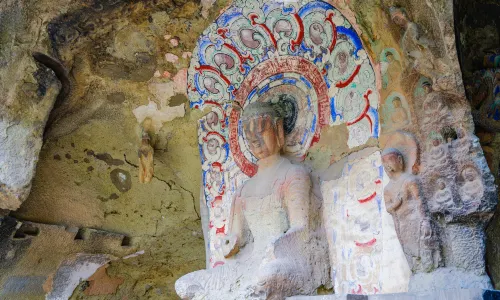
One of the three major Liao Dynasty structures, I'd already visited the other two, so this one couldn't be missed. ●﹏● I took the high-speed rail to Jinzhou North Station and picked up my rental car, heading straight to Fengguo Temple. The navigation system indicated provincial roads, with a speed limit of 40-60 km/h. It took over an hour to drive. At the entrance, there was a ticket office. The guided tour was 38 yuan per person. I asked, but they said it was for the outside tour, which lasted an hour and a half. There were also guided tours inside, where you could group up to 10 people for 100 yuan and an hour. The guides were all the same. The main gate was under repair, so only the Main Hall was open. There were two small rooms nearby, displaying artifacts, including murals and original plaques. Even for preservation purposes, the replica plaques on the main hall were a bit off-putting. The architecture inside the main hall is still very Liao Dynasty-style. The seven Buddha statues are majestic and impressive, but the murals are severely damaged and blurry! Regarding the Ten Thousand Buddha Caves, I have to say: Never trust Baidu Navigation. It led us down a country road under construction, taking us over an hour and a dozen kilometers. Fortunately, we escaped unscathed! The grotto is very small and not worth visiting.
 4.1/5
4.1/5 海浪儿花
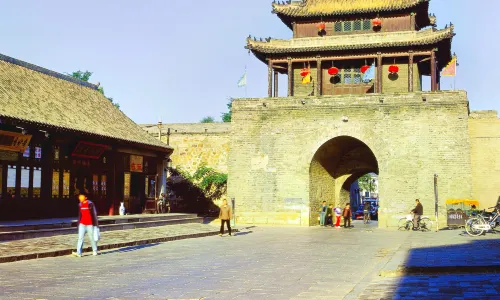
海浪儿花Xingcheng, Liaoning, a city of prosperity and home to the great victory of Ningyuan, is one of the four best-preserved ancient cities of the Ming Dynasty. ☞Main Attractions Bell and Drum Tower: Located in the center of Xingcheng Ancient City, it is one of the four nationally protected sites. Climbing the tower requires a ticket, and you can see the war drum once played by Yuan Chonghuan. Xingcheng City Wall: A square wall, one of the four nationally protected sites, requires a ticket. It stretches 3.2 kilometers. Zu Clan Archway: This archway celebrates the achievements of the Zu brothers, renowned generals of western Liaoning. It is one of the four nationally protected sites. Free admission. The stone lions beneath the archway are said to be efficacious and can be touched. Locals visit on the night of the 15th day of the first lunar month. Xingcheng Confucian Temple: The largest and oldest Confucian temple in Northeast China, it is one of the four nationally protected sites. Tickets are required. Within the temple are three Pan Bridges, the middle of which is the Zhuangyuan Bridge. Kuixing Tower: The southeast corner tower of the ancient city, where Kuixing Star is worshipped. Kuixing Star points to the stars, making it the most prominent star. Ji-Liao Military Governor's Mansion: The highest military and political leadership body in northern China during the Ming Dynasty, built by Yuan Chonghuan. General's Mansion: Gao Rulian's private residence, dating back to the Republican era. Zhou's Residence: The residence of local businessman Zhou Yongji, dating back to the Republican era, and a filming location for the TV series "Sisters Who Make Waves." Free admission. Jinxi Swimwear Factory: A filming location for the TV series "Sisters Who Make Waves." Free admission. Taiping Money House There's a light show at night, with actor and NPC interactions. It's quite good. ☞Tour Route Bell and Drum Tower > Ji-Liao Military Governor's Mansion > Xingcheng Confucian Temple > General's Mansion > Kuixing Tower > South Gate Wengcheng > Zu Clan Archway > Zhou's Residence > Jinxi Swimwear Factory

