Marsa Alam

Things to do in Marsa Alam

Search attractions or local attractions & tours
Search

Explore top experiences

Top 10 attractions in Marsa Alam

View all Attractions
Red Sea

Red Sea

6.6
5.0/5
1 reviews
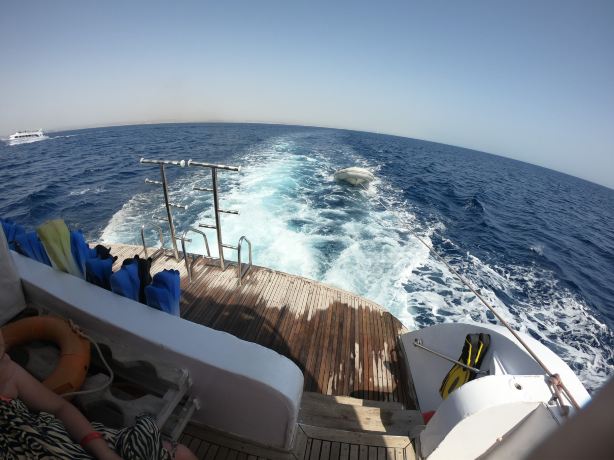
Red Sea is located between northeastern Africa and the Arabian Peninsula, and the Egyptian coastal city of Hurghada is the gateway to experiencing the scenery of this sea area. The water here is a deep blue-green with high transparency. Looking down from a boat, the underwater coral reefs are clearly visible. The sprawling coastline, fine soft sand, and year-round abundant sunshine make this small coastal city a well-known resort destination along the Red Sea, where days spent reading, relaxing, and sunbathing are quite pleasant. However, the real highlight of this sea area is underwater. The coral reefs are colorful, with tropical fish like clownfish and stingrays swimming among the rocks, and if you are lucky, you might even encounter wild dolphins. You can take a boat out to Giftun Island and Orange Bay: Giftun Island is a protected marine park where white sandy beaches coexist with surrounding coral reefs, and the waters around Orange Bay are shallow and clear, making it a favorite among snorkeling enthusiasts. Visitors who can swim can experience snorkeling or even scuba diving, while those who cannot swim can ride a semi-submarine to enjoy the underwater world through large portholes. Most boat itineraries depart from the Hurghada marina and usually include a few snorkeling stops. A quick reminder: encountering dolphins depends on luck, so don't force it. The Red Sea is located on the edge of the desert with intense sunlight, so be sure to apply sunscreen before heading out and wear a life jacket when entering the water for a safer experience.Hurghada · >100km from downtown
Valley of the Kings
No. 4 of Best Things to Do in Egypt

Valley of the Kings

9
4.4/5
444 reviews
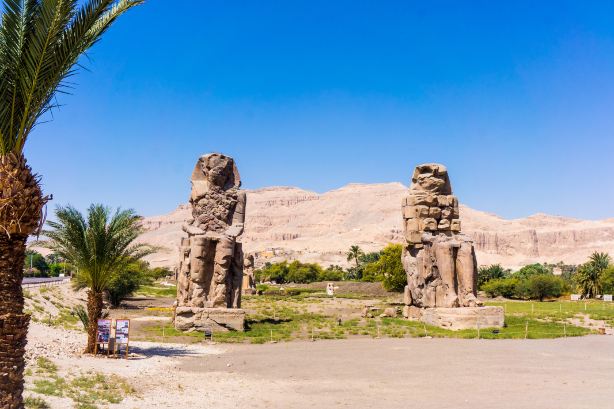
The Valley of the Kings is located on the west bank of the Nile in Luxor, Egypt, serving as the royal burial site during the New Kingdom period of ancient Egypt. Over nearly five centuries from the 18th to the 20th dynasties, pharaohs and nobles carved their tombs into the cliffs. Today, more than 60 tombs have been discovered, numbered with "KV" prefixes. The royal tombs are mainly clustered in the eastern valley, while the western valley is more secluded. The tomb murals are the true highlight here: the corridors, walls, and ceilings of the burial chambers are adorned with scenes from religious texts like the Book of the Dead and the Book of the Netherworld, with pigments retaining their vivid colors after over 3,000 years. The tomb of Tutankhamun gained fame in 1922 when archaeologist Howard Carter discovered a wealth of burial treasures here. The pharaoh's mummy remains in a climate-controlled glass display within the tomb, while most treasures are exhibited in Cairo's museums. The tomb of Ramses III is grand in scale with well-preserved paintings, while Ramses VI's tomb features a ceiling painted with the sky goddess Nut spanning the entire chamber. The painted corridor in Seti I's tomb is exceptionally exquisite. Travel tips: There is almost no shade in the valley, and it gets extremely hot in the afternoon, so visiting in the morning is more comfortable. Small electric shuttles operate between the entrance and the tomb area, saving energy. Tomb entrances are often inconspicuous openings along the cliffs—slow down to observe hieroglyphs and depictions of gods in the murals for richer details. Energetic travelers can also hike the ridge trail for a panoramic view of the valley. The natural pyramid-shaped peak of Al-Qurn above is one reason the ancient Egyptians considered this valley sacred.Egypt · Qesm Al Wahat Al Khargah
Luxor Temple
2026 Global 100 - Night Attractions

Luxor Temple

8.7
4.5/5
245 reviews
Luxor Temple is located on the east bank of the Nile in the city of Luxor, forming a north-south counterpart to Karnak Temple. It was a worship site built during the New Kingdom period of ancient Egypt for the "Theban Triad"—Amun, Mut, and Khonsu. In ancient Egyptian, it was called the "Southern Sanctuary" and is often referred to as the "Southern Harem of Amun." The main structure of the temple was constructed by Pharaoh Amenhotep III of the 18th Dynasty, while the pylon, forecourt, colossi, and obelisks at the entrance were added by Ramses II. Later pharaohs like Tutankhamun continued to add reliefs, and during the time of Alexander the Great, the rear sanctuary was rebuilt. A single temple thus layers over a thousand years of construction history. At the entrance still stands a granite obelisk of Ramses II, while its paired counterpart crossed the ocean as early as the 19th century and now stands in Paris's Place de la Concorde. The seated statue of the pharaoh in front of the pylon, the grand colonnade, and the sun court of Amenhotep III unfold layer by layer. The reliefs on the colonnade walls vividly depict the procession of the Opet Festival—during the Nile flood season in ancient Egypt, the statue of Amun was ceremoniously transported from Karnak Temple to here. The avenue of sphinxes in front of the temple gate was precisely the sacred path for this ritual. After years of archaeological restoration, this nearly three km-long avenue has been reconnected, and today, visitors can walk the round-trip route between this temple and Karnak Temple. In one corner of the temple stands a still-functioning mosque built atop the ancient pillars, sharing the same courtyard with the pharaonic-era pylon. When illuminated at night, the pillars, colossi, and minaret form a highly recognizable nightscape in Luxor.Egypt · Luxor
Karnak
No. 6 of Best Things to Do in Egypt

Karnak

8.7
4.6/5
522 reviews
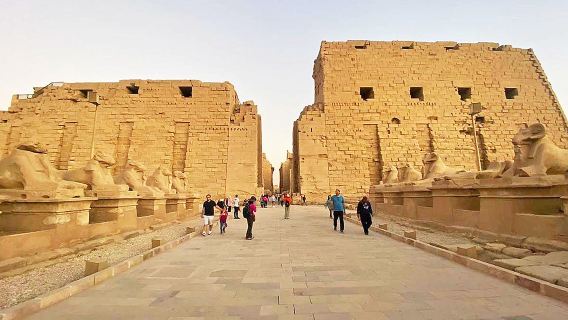
Karnak is located in Luxor on the east bank of the Nile. It is a massive ancient Egyptian temple complex and the core religious area of the ancient city of Thebes. Construction of the entire complex began during the Middle Kingdom (around 2000 BC) and continued through the New Kingdom and into the Ptolemaic period. About thirty pharaohs successively participated in its expansion and decoration, with construction lasting nearly two thousand years—an exceptionally long building period rarely seen in ancient human architecture. The complex is divided by enclosure walls into several main areas, of which the larger and better-preserved part is dedicated to Amun-Ra, the chief of the Theban gods; the northern area is dedicated to the war god Montu, and the southern area to the goddess Mut—companion of Amun-Ra, symbolized by the vulture. Numerous small temples and chapels are also scattered among the areas. Lining the processional way leading to the temple pylons are ram-headed sphinx statues; this ceremonial road once extended all the way to Luxor Temple to the south, a total distance of about 3 km, and was an important religious processional route in ancient Thebes. The core structure of the temple is the Hypostyle Hall, covering several thousand square meters and supported by more than a hundred massive stone columns, with the central colonnade reaching over twenty meters in height, its shafts covered with reliefs and painted decoration. Light enters the hall through high windows, falling among the dense forest of columns and creating a solemn and deeply atmospheric sense of space—one of the most impressive sights of Karnak. The complex also contains a large obelisk erected by Queen Hatshepsut and a sacred lake used for ritual purification. Many murals, reliefs, and statues record the military campaigns and ritual scenes of successive pharaohs, making them important physical materials for understanding ancient Egyptian religion and royal culture. Due to their great age, as well as human and natural erosion, many parts of the temple were once severely damaged. Through long-term archaeological excavation and restoration, large numbers of stone elements have been repositioned and reassembled, revealing the appearance seen today. When visiting, you can enter through the massive pylon at the entrance and follow the central axis past the Hypostyle Hall, the obelisk, and the sacred lake in turn, taking note of the well-preserved painted reliefs on the column capitals and walls.Egypt · Luxor

Traveller favourites curated for you

Experiences you can't miss in Marsa Alam

Featured Day tours in Marsa Alam

View all Day tours
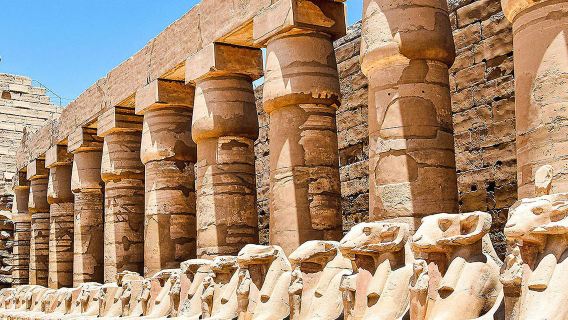
Luxor Day Trip: Karnak & Luxor, Valley of the Kings & Hatshepsut from Port Ghalib
󱌍
From€98.28
 East Bank Luxor: Karnak & Luxor Temples from Port Ghalib
󱌍
Duration: 4.7 hrs
English
Free cancellation
From€98.28
Marsa Alam: Sunset Horseback with Dinner, Show & Stargazing
󱌍
4.5/5
· 12 reviews
Duration: 3–4 hrs
Free cancellation
Book now for tomorrow
5% off
Limited-time sale
From€24.79€26.1
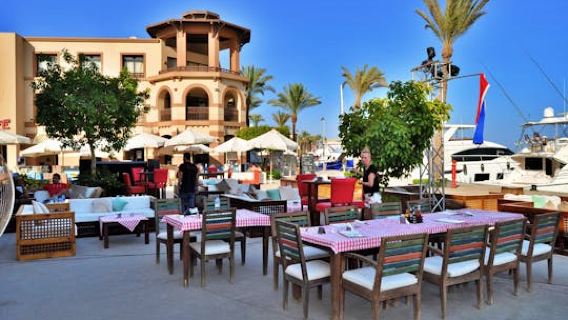
Port Ghalib tour by night with dinner from Marsa Alam and Quseir
󱌍
3.5/5
· 2 reviews
Duration: 300 mins
Free cancellation
Book now for tomorrow
From€28.60
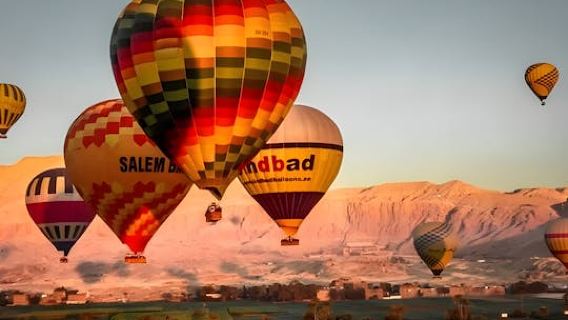
Overnight private tour to the best of Luxor with hot air balloon experience from Marsa Alam
󱌍
From€533.39
Marsa Alam: Sea and Desert Horse Riding Tour
󱌍
5.0/5
· 6 reviews
Duration: 2–5 hrs
Free cancellation
Book now for tomorrow
5% off
Limited-time sale
From€28.17€29.66
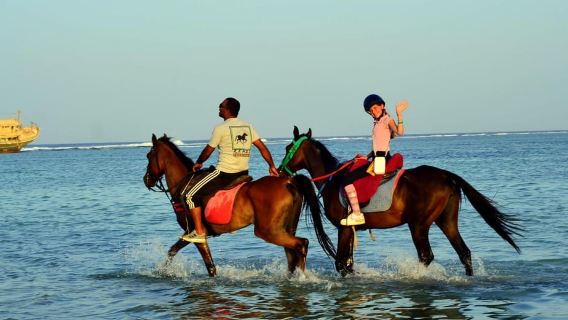
Marsa Alam: Sunrise Horseback
󱌍
5.0/5
· 1 review
Duration: 2–4 hrs
Free cancellation
Book now for tomorrow
5% off
Limited-time sale
From€22.20€23.37

More things to do

Marsa Alam Today's weatherClear with poor air quality 26-31℃
Marsa Alam weather for the next 2 days11/4: 26-31℃, 11/5: 24-31℃

Free things to do in Marsa Alam
What travellers say about Marsa Alam

user-avatar
更丰富付付6 June 2026
5.0
Bringing children to the science museum is a great experience. All interactive exhibits are open and there are no extra charges. The volunteer guides are incredibly patient with children, even squatting down to explain the principles behind the exhibits. Many exhibits allow children to operate them themselves, and they can learn a lot of scientific knowledge in just one afternoon. The museum has comfortable air conditioning and plenty of rest areas where children can sit when they get tired. It's cheaper than amusement parks and offers educational value, making it far better value than those trendy, Instagram-worthy amusement parks that are only for taking photos.

Red Sea

user-avatar
Gully9 August 2023
5.0
Valley of the Kings is a must see in Egypt. The burial place of a ton of historical figures including King Tut. Give yourself plenty of time when going though because it takes a long time to see everything.

Valley of the Kings

user-avatar
Sadman Aayan23 September 2025
5.0
Luxor Temple 🏛️ – The Living Legacy of Ancient Thebes is a mesmerizing testament to Egypt’s rich history. ✨ Located in the heart of Luxor, this temple was a center of religious and political life for millennia. Its grand pylons, towering statues, and intricately carved walls tell stories of pharaohs, gods, and ancient ceremonies. 🌞 Visiting at sunrise or sunset enhances the magic, as the temple glows in golden light. 🌟 Walking through its majestic halls, you can feel the spirit of Thebes come alive. Luxor Temple is not just a site—it’s an unforgettable journey into the grandeur of ancient Egypt. 🏺

Luxor Temple

user-avatar
朱朱Hello24 September 2026
5.0
Karnak Temple, located on the east bank of the Solo River in Luxor, Egypt, is the world's largest ancient temple complex, dedicated to the sun god Amun-Ra. The most spectacular part is the Great Hypostyle Hall, with its 134 massive sandstone columns. Standing beneath them is a truly awe-inspiring experience, as if stepping back in time. To explore, simply follow the central axis. Inside, there's also the Scarab Stele; it's said that turning it seven times clockwise brings good luck. The Hatshepsut Obelisk is the tallest surviving obelisk in Egypt. The Avenue of the Rams leads directly to Luxor Temple. Karnak Temple is undoubtedly one of the must-see attractions for any traveler to Egypt.

Karnak

user-avatar
YoYo_0T9A3B0L16 June 2025
5.0
菲莱神庙,坐落在宁静的尼罗河岸,这座古希腊罗马时期的神庙,以其精湛的建筑艺术和丰富的历史故事,吸引着世界各地的游客。夕阳下,神庙的石柱和壁画更显神秘和庄重,让人仿佛穿越到了古埃及的辉煌时代。【景色】相对金字塔稍逊,不过整体不错【趣味】趣味一般【性价比】性价比极高

Philae Temple

user-avatar
误虚醉9 October 2023
5.0
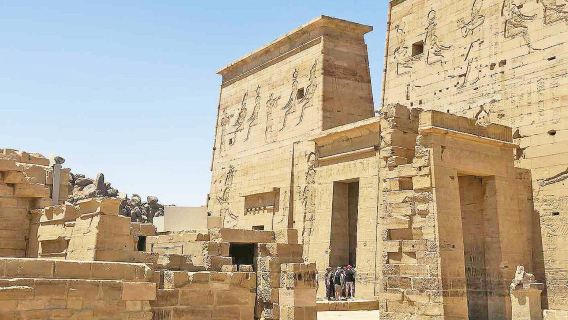
The Philae Temple on Agilkia Island was originally located on Philae Island, a small island in the shallows of the Nile River. After the British built the Nile Low Dam in 1902, the Philae Temple was submerged for several months every year. With the construction of the Aswan High Dam, the Philae Temple would be forever submerged. For this reason, the temple was moved as a whole to the nearby Akilkiia Island. Akilkia Island was not big enough, so it was deliberately expanded a little so that the temple could be rebuilt in its original form.

Agilkia Island

Trip Moments in Marsa Alam

Popular cities near Marsa Alam

Frequently asked questions

What are the recommended tours and excursions in Marsa Alam?

When choosing a tour, start with how much time you have and the kind of experience you're looking for. Trending options right now include Luxor Day Trip: Karnak & Luxor, Valley of the Kings & Hatshepsut from Port Ghalib, Aswan Highlights: Philae Temple, High Dam & Unfinished Obelisk by Road from Marsa Alam, and East Bank Luxor: Karnak & Luxor Temples from Port Ghalib. Check the real-time availability and itinerary before you book.

As of 3 November 2026, the reference price for day tours and activities in Marsa Alam is around EUR 22.2 – EUR 533.39. Rates vary by duration, group size, transport, tickets, meals, and any special admission requirements. Before you book, please confirm the billing currency and whether the price is quoted per person or per group.

Get help anytime, anywhere within 30 secondsContact customer support

Change and cancellation policies vary by attractions and tours. Please check the product details page for more information.

Ticket prices may vary between weekdays and weekends, as well as during peak and off-peak seasons. When booking with Trip.com, you can also use Trip Coins to get extra savings. For more tips on booking discounted tickets, please visit Trip.com for the latest information.