
Things to do in Jiaxing
Explore top experiences
Top 10 attractions in Jiaxing


Wuzhen
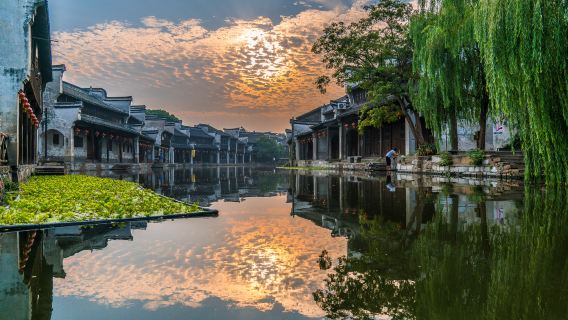
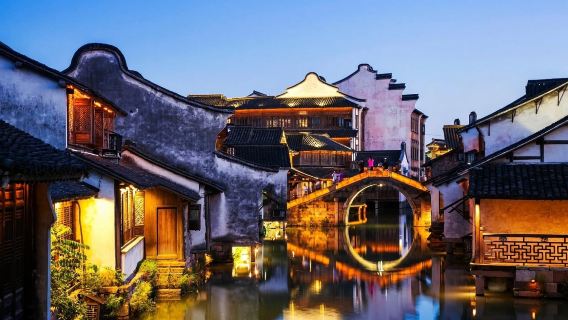
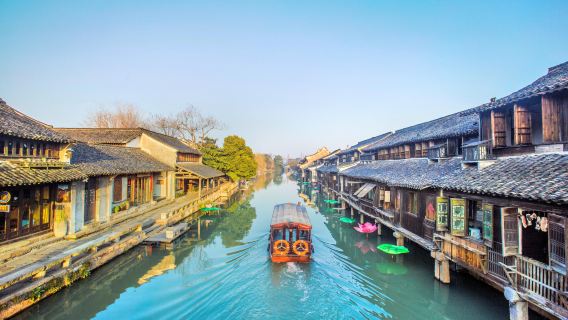
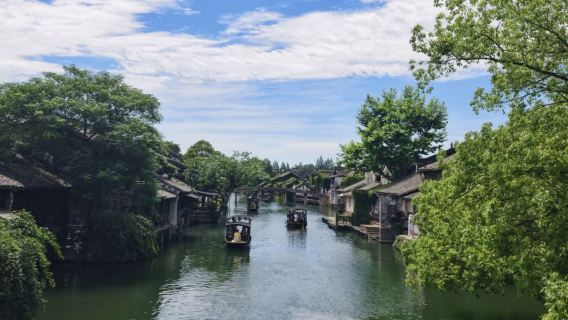
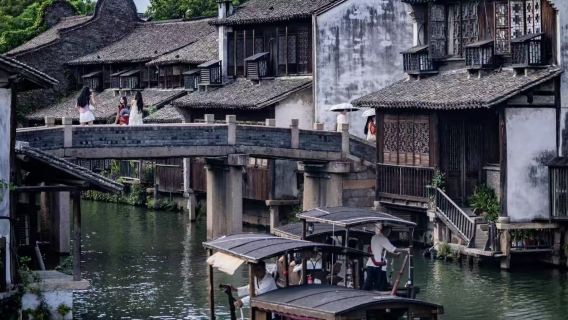
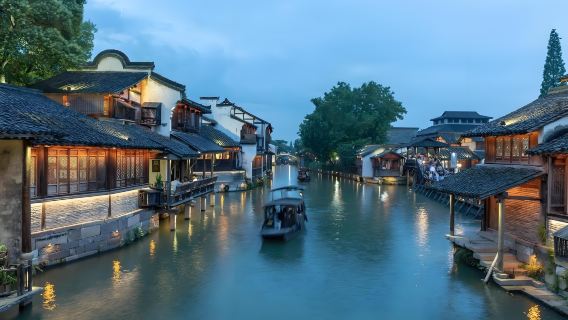
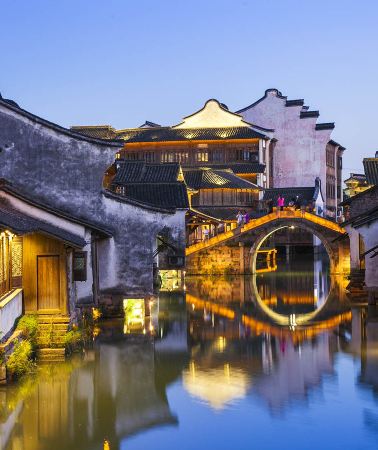
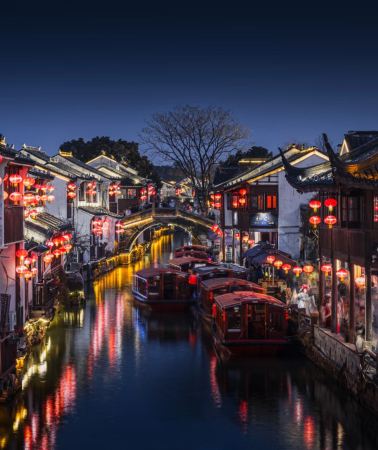
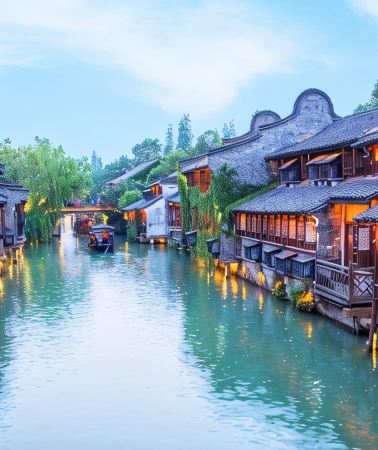
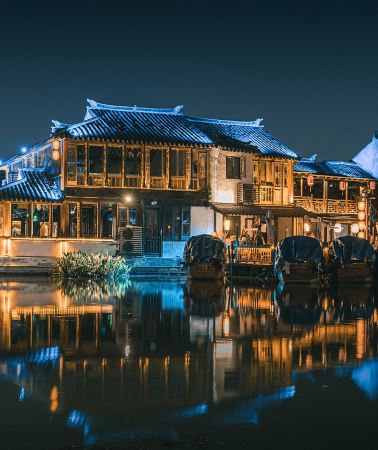
Wuzhen is an ancient Jiangnan town with a long history in the northern suburbs of Tongxiang. The main scenic areas are divided into Xizha and Dongzha. Enjoying the night view of Xizha, riding a rowing boat and watching folk performances are experiences that tourists will not miss. This is also the filming location for "In Time" starring Huang Lei and Rene Liu. Dongzha and Xizha are about 1.5 kilometers apart. If you want to visit both Dongzha and Xizha in one day, you should arrive at Wuzhen early in the morning. You can visit Dongzha first (2-3 hours), and then start visiting Xizha after lunch. We visited Xizha and stayed until night to watch the night view in Xizha. If you have two days to spare, you can consider one day each in Xizha and Dongzha. Highlights of Xizha and Dongzha: You can spend a day wandering on the stone roads in Xizha, trying local snacks such as stinky tofu, Dingsheng cakes, and sister-in-law cakes, or visit old cultural sites such as Zhaoming Academy and the old post office. Of course, you can also take a paddle boat to savor the water town. small town. If time permits, be sure not to miss the Xizha Night Tour. The water alleys, ancient bridges and white walls are illuminated by the lights, which is so beautiful that the sightseeing tour is even more artistic. After admiring the night view, you can go to the bar to have a drink or watch an outdoor old movie or listen to a flower drum show, which is very relaxing. Compared with Xizha, Dongzha is smaller but has a richer atmosphere of life. There are also local people living here, and there are also attractions such as the Shadow Puppet Theater, Sanbaijiu Workshop, Xiuzhen Temple, and Mao Dun's Former Residence. You can also watch performances such as boxing boat (boxing and kicking on the boat) and high pole boat (climbing bamboo poles on the boat), so you can find Richer folk customs and historical connotations. There is a shuttle bus between Dongzha and Xizha. Food and specialty products: Braised mutton and duck in sauce are must-try delicacies in Wuzhen, and the mutton is especially famous. Hanlin Mansion Hotel and Fengyuan Restaurant in Dongzha, Yusheng Restaurant and Sauce Duck Braised Restaurant in Xizha are all popular restaurants. You may also want to try the fried stinky tofu, Dingsheng cake, sister-in-law cake and other special snacks in the streets and alleys. If you want to bring back some specialties, handmade "Sanbaijiu", Tao Xuchang brand bean paste, exquisite wood carvings and bamboo carvings, as well as scarves, tea coasters, umbrellas, wallets and various pictograms made of "blue calico" Pendants, etc. are all good choices, and there are many specialty shops on the street. Accommodation in scenic spots: There are many hotels and inns in Xizha Scenic Area, which are all managed by the government. The fees range from low to high. Staying in the scenic area can make it convenient to visit, and you can better experience the night view of Xizha. There are also many hotels and inns to choose from outside the scenic area, and the prices are cheaper than inside the scenic area.Tongxiang · 15km from downtown

Wuzhen West Gate Scenic Area
More refined and tranquil than East Gate, West Gate contains the essence of Wuzhen. Here, elegant old buildings stand next to the water, creating the classic scenery of a Jiangnan water town with its small bridges and canals. The cafes and small shops dotting its streets and lanes are infused with a cultural and artistic sensibility. A night-time cruise of West Gate on a canal boat is highly recommended. Viewing the Jiangnan water scene in lantern light with the soft sound of the oar in the water is especially enchanting and will keep you enthralled.Tongxiang · 15.4km from downtown

Xitang Historic Town of China
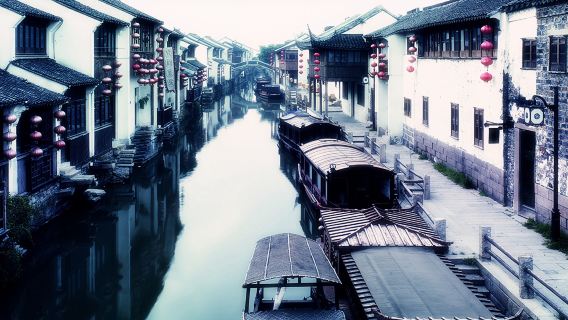
Xitang Historic Town of China is located in Jiashan, Zhejiang, at the junction of Jiangsu, Zhejiang and Shanghai. Historically known as Xietang and Pingchuan, it was the border area between the Wu and Yue states during the Spring and Autumn period, earning the description "Wu's root and Yue's corner." Unlike many overly commercialized water towns, it remains home to numerous local residents. At dawn, seniors can often be seen washing clothes by the riverbanks, while in the afternoon, they leisurely play chess under the covered corridors, giving it the reputation of "a living millennia-old town." Its three distinctive features—numerous bridges, alleyways and covered corridors—set it apart from other Jiangnan water towns. A nearly km-long covered corridor runs along the river, concentrated around Chaonandai and Beizha streets. Sheltered from rain while walking beneath it, this structure earned the poetic name "misty rain corridor." One side of the corridor features shops selling local specialties and snacks alongside residential houses, while the riverside offers occasional backrest benches for watching paddle boats pass by. During rainy seasons, sitting under the eaves to listen to rainfall and observe the water creates a uniquely charming waterscape. The town also boasts over a hundred ancient alleys, mostly paved with stone slabs. Among these, Xixia Street's Shipi Lane stands out—its narrowest section measures less than m wide, requiring pedestrians to sidle past each other while glimpsing only a sliver of sky above, famously called "Xitang's thread of sky." Over twenty ancient stone bridges span the river in the old town: Yongning Bridge offers a prime vantage point to overlook the river confluence and rows of dark-tiled roofs, with particularly clean photo opportunities during quiet early mornings. Songzi Laifeng Bridge stands out among Jiangnan's ancient bridges with its roofed top and stone seating for rest. Huanshou Bridge provides distant views of layered gray rooftops, while Wan'an Bridge served as the filming location for the finale chase scene in "Mission: Impossible III," where Tom Cruise sprinted through the town's streets and bridges. Xiyuan Garden and Zui Garden within the town exemplify delicate Jiangnan estate gardens—the former being a Ming dynasty private residence featuring pavilions, towers, and rockeries with fish ponds, the latter showcasing works by printmaker Wang and his son. Grand residences like Zhongfu Hall preserve traditional wealthy family layouts, with Huguo Suiliangwang Temple and Shengtang Temple maintaining strong incense traditions. The Button Museum, Chinese Wine Culture Museum, and Jiangnan Tile-ends Exhibition Hall house local folk memories. As night falls, Xitang dons a different face, with red lanterns lighting up one after another. Bars line Tangdong Street, filled with alternating songs and music, creating a striking contrast to the town's rustic daytime charm. Here, you might take a paddleboat ride—a cruise pier sits by Songzi Laifeng Bridge, offering a particularly delightful view of the waterfront lights reflecting on the water. Stroll a few steps, and you'll encounter street snacks like stinky tofu, tofu pudding, steamed pork with rice flour, braised pork, gorgon fruit cake, and glutinous rice balls. Authentic Jiangnan dishes can be savored at old restaurants along Beizha Street. Visiting in late autumn, you may catch the Hanfu Culture Week, initiated by lyricist Vincent Fang and held annually for over a decade, when the town brims with flowing traditional robes, enhancing its ancient ambiance. Travelers preferring tranquility can stay at alleyway inns away from the bar street—only by spending a night can one witness the quiet, unspoiled morning charm of the ancient town.Jiashan · 13km from downtown

Puyuan Fashion Resort
A picturesque scene of Puzhen, with its enchanting scenery, fromFushan Temple,Shufang Zen GardenThe grandeur of Puma's Mansion and the Yue Family Residence offers a glimpse into the past. Throughout Puzhen, historic sites and lingering charm...North Watchtower,Puyang Chamber of Commerce Hall,Puchuan Poetry Society,Meijing TheaterIt signifies the profound and enduring depth of human history. Back then, Puzhen Town showcased the beauty of perseverance in its eaves and walls. Along the crystal-clear waters of Jiangnan, ancient buildings stood by the riverbanks, with boats gliding effortlessly through miles of winding waterways. Renowned as the "Eight Scenic Views of Puchuan" and the "Great Town of Jiahe," its thriving commerce made history feel vividly within reach. Origin Story Tracing back to the depths of history, during the transition between the Song and Yuan dynasties, scholars and commoners from the Central Plains crossed the Huai River and Yangtze River to migrate south. Song official Pu Feng journeyed to Zhejiang, seeking scenic spots to settle. Upon encountering the ancient water town's phoenix trees and serene lakes, he was filled with joy and chose this as his home. "The phoenix rests on the wutong tree"—from then on, the Pu family's history truly flourished in this ancient Jiangnan town. The Pu family's prominence began with Pu Dou'nan, the sixth-generation descendant of Pu Feng, who rose from imperial scholar to Vice Minister of Personnel during Emperor Lizong's reign and was granted an official residence named "PuyuanAccording to historical records, the Pu family valued education and philanthropy, attracting renowned scholars like Yang Weizhen and Song Lian to visit and reside here. Each strand of Pu silk carries the essence of timeless fashion, while every preserved anecdote continues the legacy of scholarly integrity. Here, time flows as an eternal continuum—witnessing the vitality of passion, the endurance of ideals, and the symbiotic power of inclusivity. Heritage Holding the simple silk with grace, day by day the craftsmanship flourished, and thus its fame spread far and wide. After settling in Wutong Township, Pufeng made farming and sericulture the focus of family business operations - reeling silk from cocoons, weaving silk into fabric, and selling the products. The entrepreneurial genius Pu Jian of the Pu family established streets and opened a silk trade market in town, perfecting the production and sales supply chain for Pu silk, sparing traveling merchants from lodging hardships. Silk products bearing the distinctive Pu family mark were sold nationwide, earning the reputation "ten thousand silk rolls produced daily." The fabric gained fame as "the world's finest silk" for its enduring vibrant colors that wouldn't fade for months. Now known as "a renowned town heard across four regions," it has become the world's leading wool sweater distribution hub. Through specialization, digitization, fashion-forward approaches and internationalization, it has built a fashion industry cluster with a complete supply chain exceeding ¥100 billion. Remarkably, while not producing a single strand of wool locally, it brings warmth to the entire world. Texture Gudu, located in the fertile land of Jiahe with distinct seasons and abundant waterways, was one of the five famous towns in Jiangnan during the Ming and Qing dynasties. Stretching south to Changshui and bordering the Grand Canal to the north, its interconnected streets and water alleys uniquely preserve the architectural layout and characteristics of Jiangnan. The crisscrossing bluestone-paved lanes vary in length and width, with high walls and narrow passages creating a profound and timeless atmosphere. Delicate pavilions, serene ponds, and elegant water corridors are reflected among pine and cypress trees. Artificial rockeries, flower beds, wisteria vines, and bamboo groves add charming touches, making it a place visitors find hard to leave. Yongle Yongle City in Jiaxing and Wutong Township in Chongde were its predecessors. According to the Ming Dynasty's "Puchuan Zhi Lue," the town's residents "lived by the loom and found joy in the shuttle." Today, the streets from that era still exist. Over 700 years of time passing, the old place names remain unchanged, with Yongle's imprint still preserved. Every visitor to Yongle City finds their own delight—whether in elegance or simplicity, poetry or wine, commerce or farming, Buddhism or Taoism. Whether settling down as locals or passing through as wanderers, all grow genuinely fond of this vibrant Jiangnan land of talent and natural beauty. Organic As part of the comprehensive organic renewal project, the ancient town covers 3,360 acres with an investment of ¥21 billion. The core area's preservation and development have been completed, spanning three times the size of Wuzhen's attraction area, with an annual visitor capacity of 8 million. The architecture features soaring eaves and winding corridors, complemented by meandering emerald streams and gentle seasonal breezes rustling through foliage. The lively flow of visitors creates a dynamic contrast, transforming this refined attraction into a vibrant hub where nature and culture harmoniously intertwine. Taste the Flavors of the Ancient Town Merchants of old and visiting travelers alike wandered along the riverbanks, immersed in the aromas of night-watch tea, baked wheat cakes, rich soy-braised zongzi, savory shaomai, and soft qingtuan rice dumplings—a timeless sensory tapestry. "Laobuyi Tailors" weaves together classical and contemporary styles, crafting custom garments with skin-friendly softness through meticulous needlework. At "Yongji Tinware Shop," visitors experience the authentic charm of traditional craftsmanship firsthand, proving that even as times change, humanity's pursuit of artisan excellence and quality remains eternal. A family, a piece of Pusu silk, and an ancient town. With the vision of becoming "China's Ideal Water Town for Living and Business," this destination leverages its rich cultural heritage by blending Jiangnan water town charm with modern flair. It revitalizes historical sites through innovative restoration while developing top-tier facilities. The area integrates tourism elements like sightseeing, leisure vacations, business conferences, and fashion culture into a comprehensive international resort offering exceptional participation, immersive experiences, and visual appeal. For centuries of prosperity, now returning to life's essence, it's a serene sanctuary for ancient Zen meditation. A fashionable gathering place that leads to a carefree state of being.Tongxiang · 8.7km from downtown

Jiaxing South Lake Scenic Area
South Lake is named for its location in the south of Jiaxing city. It is also one of "the 3 famous lakes in Jiangnan" along with Xuanwu lake in Nanjing, and West Lake in Hangzhou. Not only is it a scenic area, it's also an important revolutionary memorial site in the modern history of China. In 1921, the Communist Party of China was founded while on a tourist boat on South Lake in Jiaxing. If you find yourself along the lake on a rainy day, don't miss the sight of mist rising up over the lake. You can also rent a boat and go out on the lake to enjoy the views.Jiaxing · 739m from downtown

Wuzhen East Gate Scenic Area
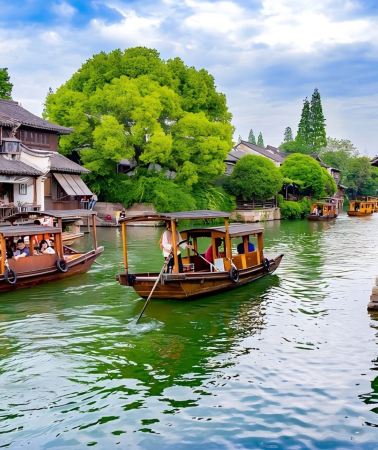
East Gate was the main filming location for the television drama Si Shui Nianhua. Simple ancient residences are spread along the riverbank. Many locals still live here, so it is a great place to experience the local flavor. Stroll the streets, catch a shadow play, and listen to the sounds of flower drums. Experience the atmosphere of life in an ancient town in Jiangnan, the famous region south of the Yangtze River. Experience more of the tranquil life of the water villagers by taking a ride in a traditional covered canal boat after you visit the former home of famous PRC novelist Mao Dun or the tenth-century Taoist temple Xiuzhenguan.Tongxiang · 13.8km from downtown

Yuehe Historic District
Yuehe Historic District is a remarkably well-preserved Jiangnan water town district within Jiaxing's old city. The Beijing-Hangzhou Grand Canal flows along one side of the district, its winding path embracing the city in a crescent shape—the origin of the name "Yuehe." Since the Southern Song Dynasty, this area has been a hub for merchants and bustling markets, reaching its peak during the Ming and Qing dynasties. Today, it retains its "three rivers and three streets" framework: the Grand Canal, Outer Yuehe, and Inner Yuehe run in parallel, accompanied by Zhongji Road, Tannong, and Xiushuidou Street. The layout of alternating rivers and streets, combined with riverside corridors and wharves, showcases the classic Jiangnan water town aesthetic, offering a glimpse into the prosperity of the old Jiaxing "Jiangnan Prefecture City."Jiaxing · 2.8km from downtown

Tides and Music Resort
Tides and Music Resort is located in Haining, Zhejiang, at the heart of the Yangtze River Delta, boasting prime location and convenient transportation. It's hailed as "Hangzhou's front yard, Shanghai's backyard, China's garden retreat, and the world's premier tidal viewing destination." Leveraging Haining's unique resources and urban layout, the resort harmoniously blends preservation with development, retaining ancient architectural relics from the Ming, Qing, and Republican eras while incorporating modern designs and diverse urban views. It showcases a grand imperial elegance rarely found in typical Jiangnan water towns. With its overarching theme of "trendsetting musical lifestyle aesthetics," Tides and Music Resort is an international music-themed vacation destination that integrates natural ecology, historical culture, tourism, and local industries.Haining · 17.7km from downtown

Tidal View Famous Scenic Spot Park
Tidal View Famous Scenic Spot Park is located in Haining Southwest Haining Yanguan Tourism Resort, adjacent to the Qiantang River to the south and Hangjin Highway to the north. The park features a long, narrow east-west terrain, stretching 1,360 meters in length and covering a total area of 16.24 hectares. Before the Anti-Japanese War, the seawall area already had a seaside park. Since 1994, the "Tidal View Famous Scenic Spot Park" was reconstructed. It is the best viewing point for the natural wonder known as the "One-Line Tide." Tidal views can be enjoyed daily in Haining, with spectacular tides occurring monthly in Yanguan. The best tidal viewing days are from the 1st to the 6th and the 15th to the 20th of each lunar month, offering over 150 prime tidal viewing days annually. The park features fish-scale stone embankments and two...Tide Watching TowerThe six tidal viewing platforms offer the best vantage points to witness the spectacular Haining Tide, a natural wonder. The area features attractions like the Ming Dynasty Zhan'ao Pagoda, Little Putuo Temple, an ancient tree planted by Emperor Qianlong, the Shi Liangcai Monument, and the Zhenhai Iron Ox sculpture. Bai Shitan Square serves as the park's iconic landmark, hosting large-scale festivals, sightseeing activities, cultural performances, and leisure entertainment - including the annual International Qiantang River (Haining) Tide-Watching Festival. With swaying trees, stone benches along covered walkways, traditional pavilions, and winding paths, the park exudes unique charm and has been honored as one of "Zhejiang Province's Top Ten Scenic Parks."Haining · 17.6km from downtown

Yanguan Scenic Spots
The Haining Yanguan Holiday Resort is located in Haining, Zhejiang. The scenic area can roughly be divided into two parts: Old Town Yanguan and Guanchao Shengdi Park. Visitors to Yanguan mostly come for the tides of the Qiantang River. Guanchao Shengdi Park is a great place to watch the waves. While you are waiting for the tides, you can have a look around at other scenic spots such as Temple of the Sea God, Jin Yong Academy, Wang Guowei's former residence, Confucian Temple Academy, and Chen Ge's old residence.Haining · 15km from downtown
Experiences you can't miss in Jiaxing
Featured Day tours in Jiaxing
View all Day tours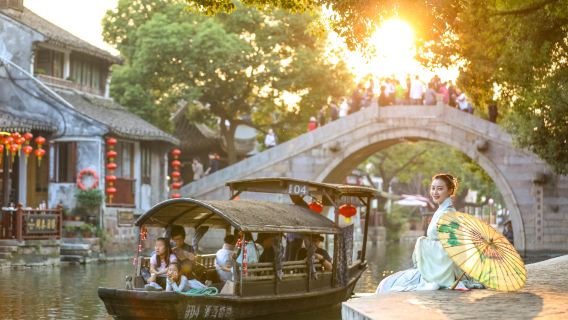

4.9/5
· 307 reviews· 2.1k bookedFree cancellation
Instant confirmation
Book now for tomorrow
96.1% of travelers recommend
FromPHP 8,003.77

Free cancellation
Instant confirmation
Book now for tomorrow
FromPHP 5,492.79
4.3/5
· 4 reviews· 43 bookedFree cancellation
Instant confirmation
Book now for tomorrow
Save PHP 24.67
FromPHP 2,441.48PHP 2,466.15
Free cancellation
Instant confirmation
Book now for tomorrow
Save PHP 28.03
FromPHP 2,774.41PHP 2,802.44
3.0/5
· 1 reviewFree cancellation
Instant confirmation
Book now for tomorrow
Save PHP 28.03
FromPHP 2,774.41PHP 2,802.44
Free cancellation
Instant confirmation
FromPHP 6,725.86
3.5/5
· 2 reviewsFree cancellation
Instant confirmation
FromPHP 4,689.27
Featured Food & drink in Jiaxing
View all Food & drink![[ChinaGem] from Shanghai: Wuzhen Water Town Private Day Trip by Private Car](https://ak-d.tripcdn.com/images/0350z12000tyi1cgd9CE9_C_568_320.jpg?_fr=wc)
FromPHP 10,956.07
4.6/5
· 103 reviews· 3.7k bookedFree cancellation
Instant confirmation
65 bookings in 7 days
FromPHP 1,676.09
4.7/5
· 55 reviews· 1.8k booked92.7% of travelers recommend
FromPHP 1,393.60

5.0/5
· 36 reviews· 680 bookedFree cancellation
36 consecutive positive reviews
FromPHP 1,016.95
4.6/5
· 14 reviews· 469 bookedFree cancellation
FromPHP 1,374.77
4.6/5
· 19 reviews· 330 bookedFree cancellation
Instant confirmation
Book now for tomorrow
FromPHP 3,276.84
4.6/5
· 5 reviews· 250 bookedInstant confirmation
Save PHP 39.55
FromPHP 3,915.26PHP 3,954.81
Featured Spa & wellness in Jiaxing
View all Spa & wellness
4.7/5
· 9 reviews· 234 bookedFree cancellation
Instant confirmation
Book now for tomorrow
FromPHP 1,873.83

Free cancellation
Instant confirmation
FromPHP 1,779.67
Free cancellation
Instant confirmation
FromPHP 3,653.49

Free cancellation
Instant confirmation
Book now for tomorrow
Save PHP 146.34
FromPHP 14,487.54PHP 14,633.88
FromPHP 4,394.23

FromPHP 2,467.05
Featured Cultural experiences in Jiaxing
View all Cultural experiences
5% off
Limited-time sale
FromPHP 14,733.57PHP 15,509.03

Free cancellation
Instant confirmation
Save PHP 8.37
FromPHP 828.63PHP 837
5% off
Limited-time sale
FromPHP 12,628.78PHP 13,293.46
Free cancellation
Instant confirmation
FromPHP 5,134.07
Free cancellation
Book now for tomorrow
FromPHP 9,962.34
FromPHP 18,460.21

Free cancellation
Instant confirmation
FromPHP 263.66
Free things to do in Jiaxing
Wuzhen
Tongxiang · 15km from downtownImmediate access, Book now for today, Cancel anytimeWuzhen West Gate Scenic Area
Tongxiang · 15.4km from downtownImmediate access, Book now for today, Cancel anytimeXitang Historic Town of China
Jiashan · 13km from downtownImmediate access, Book now for today, Cancel anytimePuyuan Fashion Resort
Tongxiang · 8.7km from downtownImmediate access, Book now for today, Cancel anytimeJiaxing South Lake Scenic Area
Jiaxing · 739m from downtownWuzhen East Gate Scenic Area
Tongxiang · 13.8km from downtownBook now for tomorrow, Cancel anytimeYuehe Historic District
Jiaxing · 2.8km from downtownTides and Music Resort
Haining · 17.7km from downtownImmediate access, Book now for today, Cancel anytimeTidal View Famous Scenic Spot Park
Haining · 17.6km from downtownImmediate access, Book now for today, Cancel anytimeYanguan Scenic Spots
Haining · 15km from downtown
More ways to travel from Jiaxing
Private Tours in Jiaxing
View More Private Tours in Jiaxing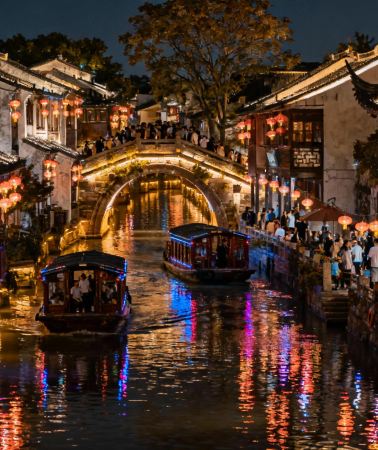



Group Tours in Jiaxing
View More Group Tours in Jiaxing
What travellers say about Jiaxing

风林云𤒈15 October 2026
5.0
The nighttime lighting and reflections on the river are beautiful, making it perfect for taking photos, strolling, or taking a boat ride. The overall layout is unified, the streets are clean, there are no touts along the way, and the facilities are well-developed, making it easy for seniors and children to explore. The overall atmosphere is great for vacationing.
Wuzhen

走遍天下XZ11 October 2026
5.0
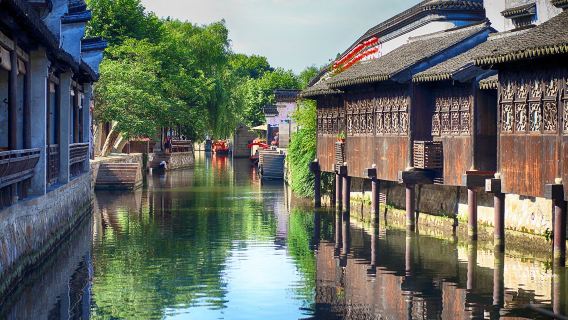
The eight ancient towns of Jiangnan are crisscrossed by waterways. In ancient times, boats were the primary mode of transportation, so most houses were built along the water. However, only Wuzhen refers to houses built on the riverbanks as "water pavilions."
This is because only Wuzhen's riverside houses are half built on the bank and half in the water.
Land in Wuzhen is precious, while the waterways are wide. Many families had to dredge as much river mud as possible to the banks, then use stone slabs to stabilize the banks and prevent erosion. The people of Jiangnan call this "stone revetment." Stone piles were then driven into the riverbed, and stone slabs or planks were laid on top, with the other end resting on the bank, forming the foundation for the houses.
This is how water pavilions were built. The houses are mostly constructed of lightweight materials such as wood. The second floor is generally low and used for living quarters, while the front of the ground floor is often used as shops or workshops, and the section facing the river is the kitchen or dining area.
Now, the scenic area has been carefully planned and designed; the second floor is mostly used as guesthouses, while the ground floor is generally used for restaurants, tea houses, and shops.
This is also why the night view of Wuzhen is so beautiful, because the lights are right in the middle of the river, making the reflections closer and brighter.
Wuzhen West Gate Scenic Area

不懂爱情的我15 October 2026
5.0
Online ticket purchase and verification are very convenient; simply check at the pier to board the boat. The night cruise on a traditional rowing boat is an exceptional experience! The small boats glide slowly through the waterways, with red lanterns lining the covered walkways on both banks, their lights reflected on the river's surface as they pass under ancient bridges. The boatmen row, occasionally humming local Wu folk songs; the sound of oars and the flickering lanterns create a truly immersive Jiangnan atmosphere. Seeing Xitang's night view from the water is a completely different experience from walking around; a night cruise in Xitang is highly recommended!
Xitang Historic Town of China

M10***138 October 2026
5.0
I was looking for a less crowded tourist spot during the National Day holiday, and this place certainly didn't disappoint. The ancient town retains many of its original old buildings, as well as some newly constructed ones, creating a harmonious blend of old and new styles. The scenery changes with every step, beautiful both day and night. If you have time, you could easily spend a whole day sitting by the river.
Puyuan Fashion Resort

Hossain Hoq Prohor26 June 2026
5.0
Jiaxing South Lake Scenic Area is a famous historical and scenic destination in eastern China. Known for its tranquil waters, lush gardens, and cultural significance, the area offers a peaceful retreat for visitors. The picturesque lake is surrounded by traditional pavilions, bridges, and walking paths, creating a charming atmosphere for relaxation and sightseeing. One of its highlights is the historic Red Boat, an important symbol in modern Chinese history. Visitors can enjoy boat rides, admire beautiful landscapes, and explore nearby cultural attractions. Jiaxing South Lake Scenic Area is an ideal destination for history enthusiasts, nature lovers, and photographers alike.
Jiaxing South Lake Scenic Area

链子姐姐21 May 2026
5.0
I've been to Wuzhen many times, always to the West Gate, but this was my first time in the East Gate. Strolling along the East Gate Street, the narrow road is lined with old houses on both sides, showcasing the carved wooden windows and tiger-head door knockers of ordinary homes – very nostalgic. The Mu Xin Memorial Hall is worth a visit; the photos accompanied by his famous quotes allow you to feel the simple yet profound soul. The Sanbai Winery is filled with the aroma of wine, but the Sanbai wine itself is quite strong. The Heyi Bookstore, conveniently located by the river, is a pleasant place to sit, have a coffee, enjoy the scenery, and immerse yourself in the literary atmosphere. The Mao Dun Study and Feng Zikai Study on the second floor are worth exploring… however, it was too hot upstairs to sit and read at this time of year.
Wuzhen East Gate Scenic Area

chen771125 November 2025
5.0
Moon River Historic District (Jiaxing Moon River Ancient Street) is a charming old street in the Jiangnan water town area. Below is its introduction, historical background, features, and travel suggestions:
* Best Time to Visit:* Evening or nighttime offers the best atmosphere: The riverside and ancient streets are even more classically beautiful when the lights are on.
* How to Explore:* You can stroll through the old streets and alleys, experiencing the small bridges, flowing water, and old shops; or take a boat trip on the Moon River/Grand Canal to experience the water town charm.
* Must-See/Recommended Locations:* Zongzi Culture Museum: Learn about the history and culture of Jiaxing zongzi (sticky rice dumplings).
* Established Shops (Pastries, Braised Duck, Silk): A combination of shopping and dining.
* Ancient Bridges and Covered Corridors: Take photos and experience traditional architecture.
* Accommodation Suggestions:* There are characteristic inns/hotels in or near the district, such as Jiaxing Moon River Inn, which is located within the district.
Yuehe Historic District

SJ蛙29 September 2026
5.0
Rich in history and home to many famous figures, the Mid-Autumn Festival Fish Lantern Festival is particularly unique, with over a dozen lanterns of various kinds parading through the air, adding even more color. Many of the historical houses are well-preserved and worth exploring at a leisurely pace.
Tides and Music Resort

Anonymous user9 October 2026
5.0
The Tide-Watching Park isn't large, but it's rich in content. Historical relics include the Fish Scale Stone Embankment (originally built over 1700 years ago, renovated into a large fish-scale stone embankment during the Kangxi era of the Qing Dynasty, considered one of the three great ancient architectural projects alongside the Great Wall and the Grand Canal); and the Zhan'ao Pagoda (a Ming Dynasty structure, offering panoramic views of the Qiantang River from its summit). Other attractions include the Mao Zedong Tide-Watching Poem Stele Pavilion and the Zhenhai Iron Ox. The high tides occur from the 1st to the 6th and from the 15th to the 20th of each lunar month, offering the spectacular "One-Line Tide" phenomenon.
Tidal View Famous Scenic Spot Park
Anonymous user6 October 2026
4.0
Overall, the attractions inside aren't very engaging. Eighty percent of the ancient buildings within the scenic area are closed. The immersive role-playing game is more suitable for older children; you can just stroll around, take a boat ride, and then leave. The most unique feature is actually the two waterfall walls outside the entrance, where music and flowing water create a truly immersive experience.
Yanguan Scenic Spots


