


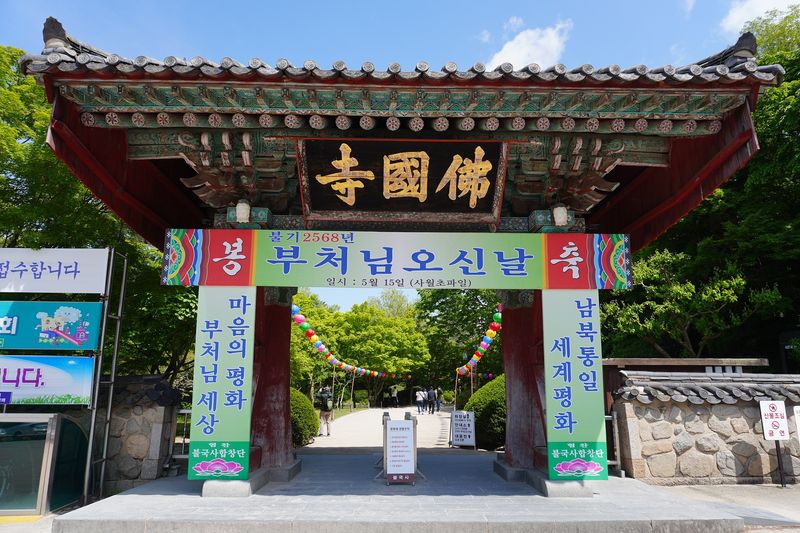
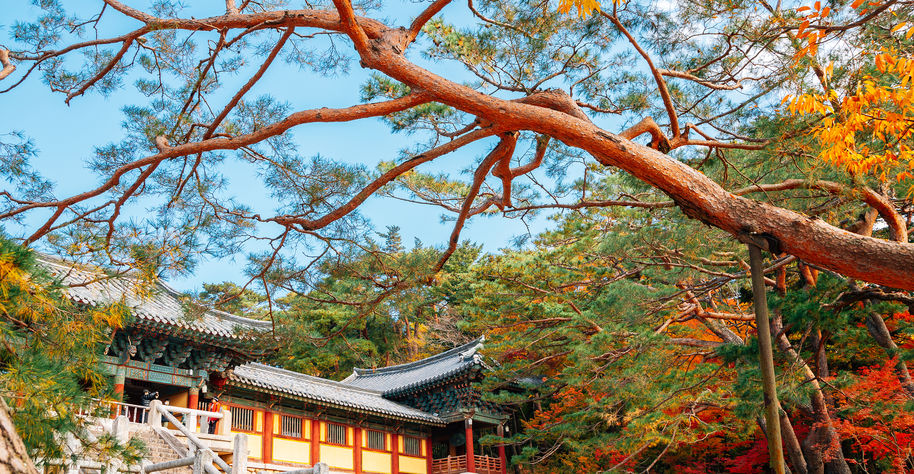
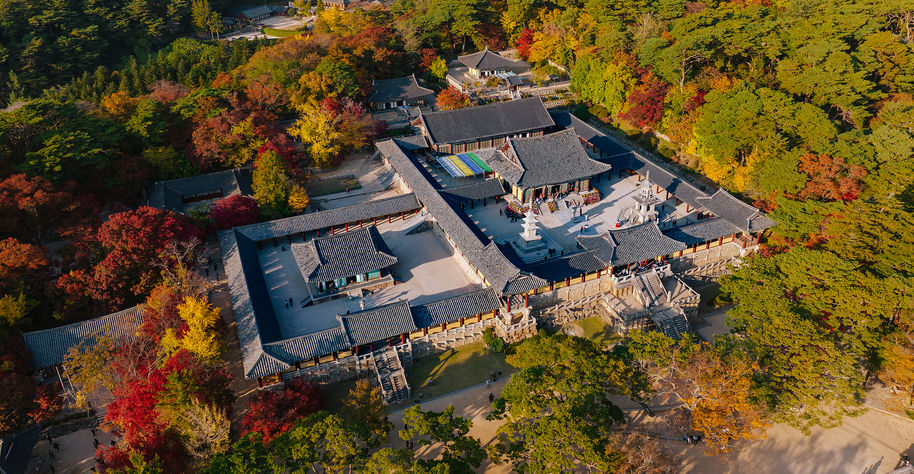
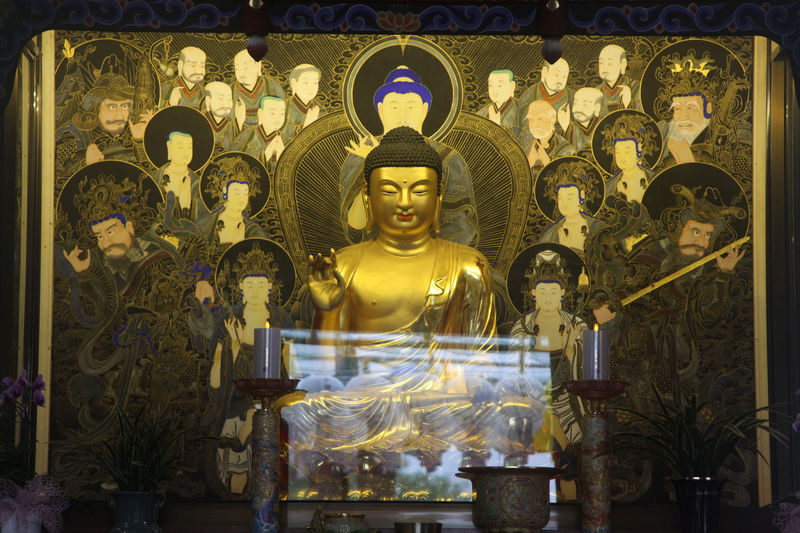
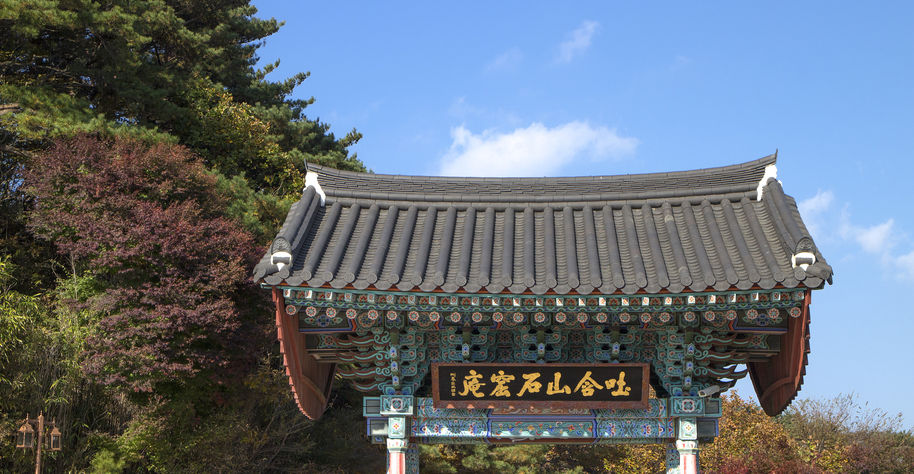
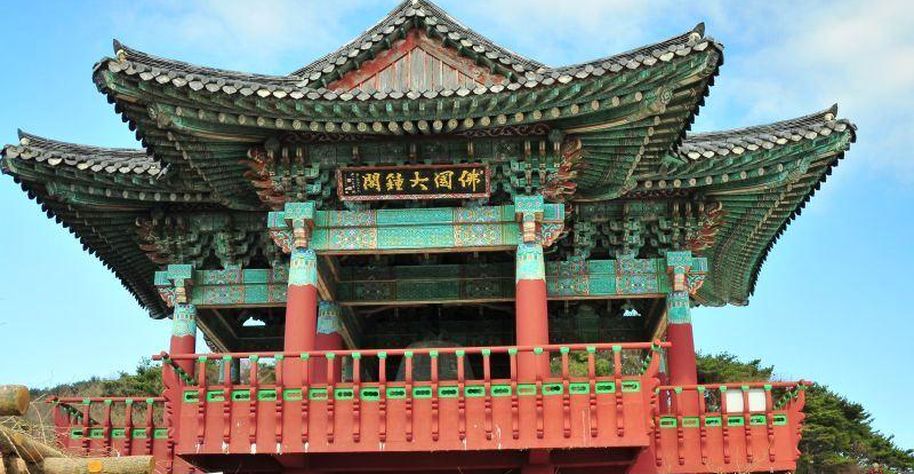
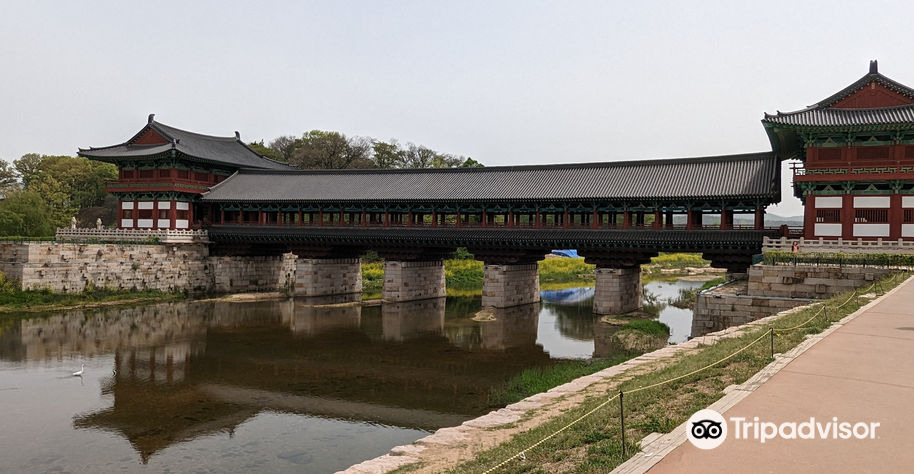

▲ [Bulguksa Temple] A Buddhist temple built by Kim Dae-sung during the long Silla period in Korean history

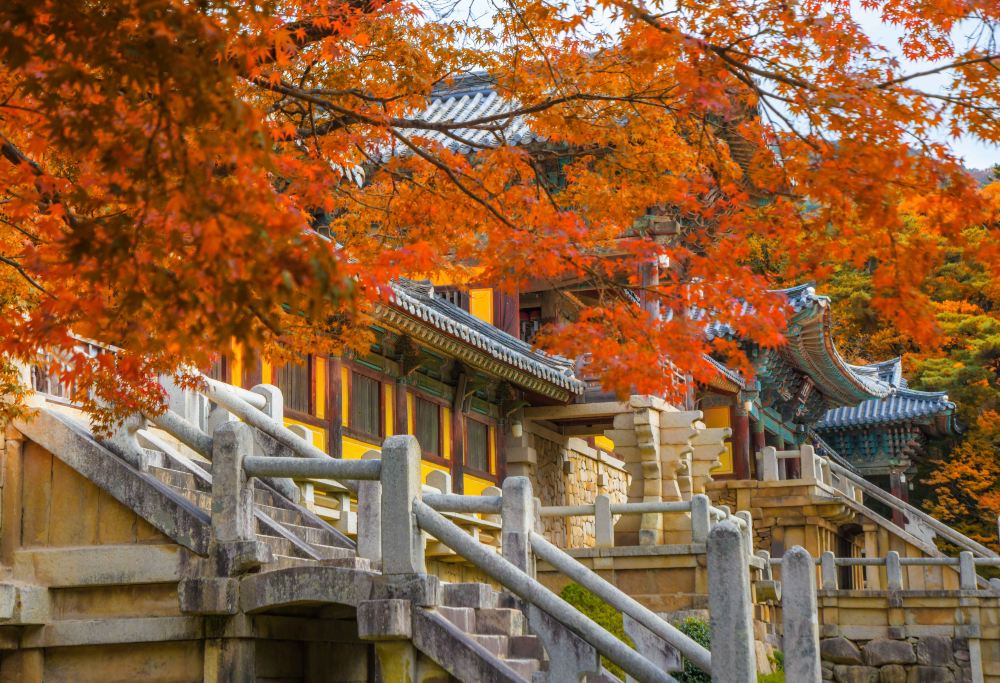
▲ [Bulguksa Temple] Representative relic of Gyeongju and was designated as a World Cultural Asset by UNESCO in 1995
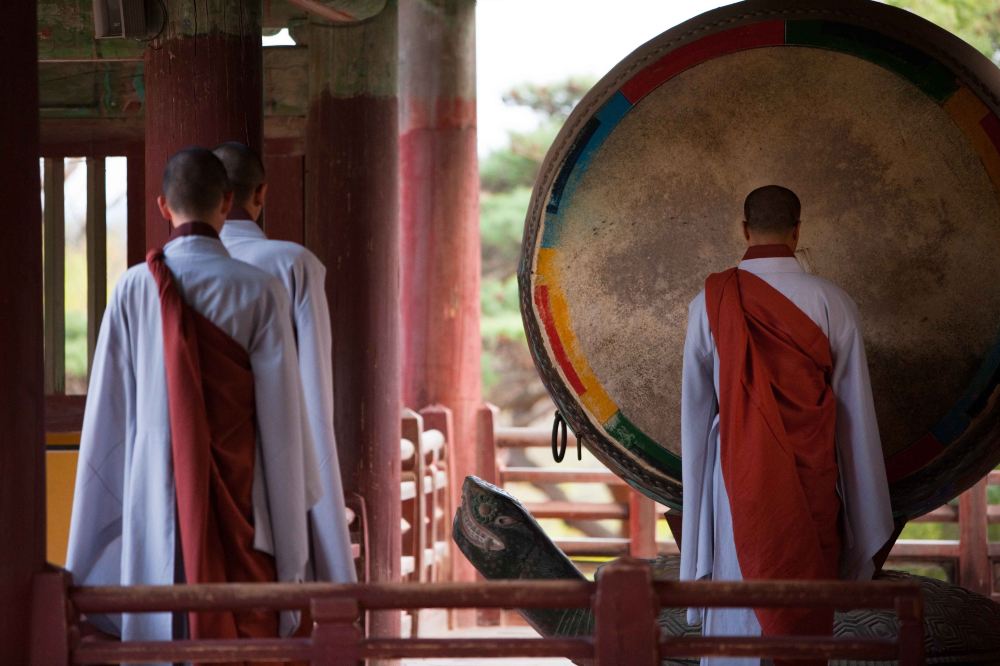
▲ [Bulguksa Temple] The beauty of the temple itself and the artistic touch of the stone relics are known throughout the world.

▲ [Seokguram Grotto] UNESCO World Cultural Heritage site and one of the finest examples of Buddhist art in the world.

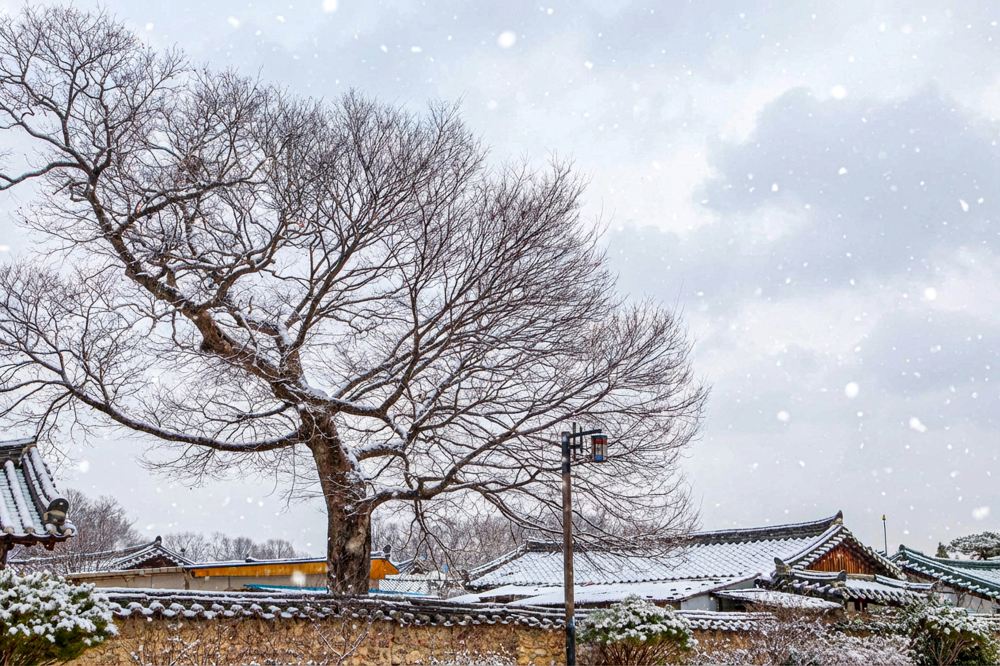
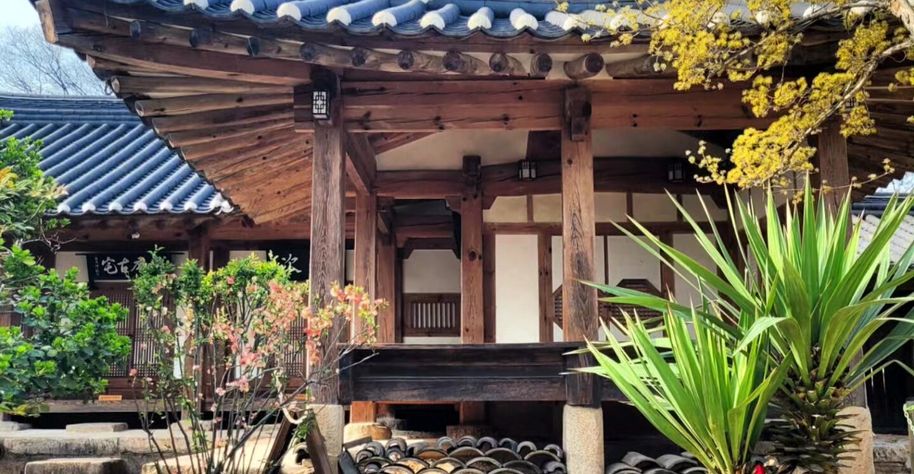
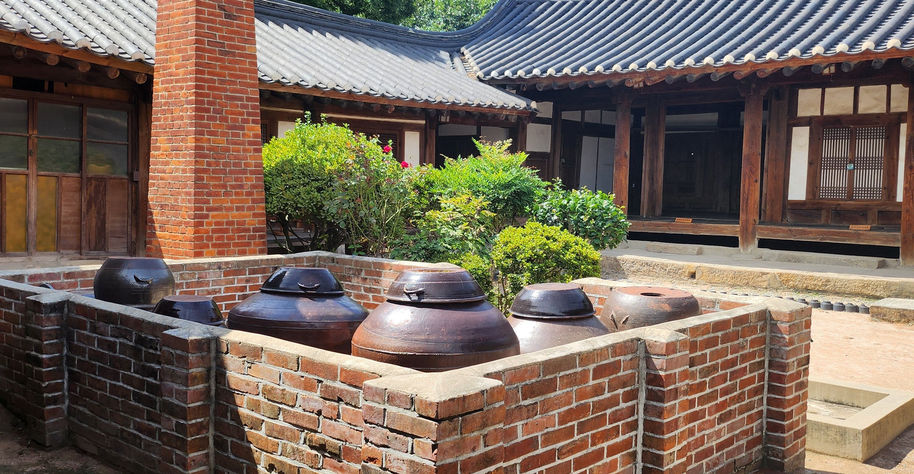
▲ [Gyeongju Gyochon Traditional Village] A village centered around the Gyeongju Choi clan, renowned for preserving wealth across 12 generations and nurturing many influential figures.
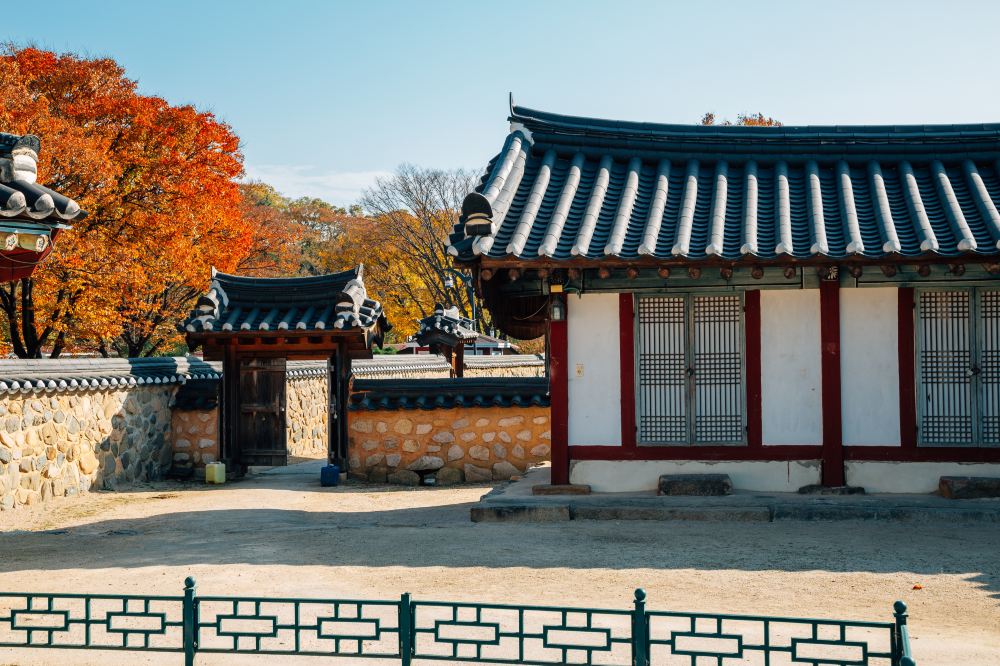
▲ [Gyeongju Gyochon Traditional Village] Visitors can explore the lifestyle and spending habits that allowed the family to achieve this.

▲ [Gyeongju Gyochon Traditional Village] The village also houses the site of Yoseokgung, the residence of Silla Princess Yoseok.
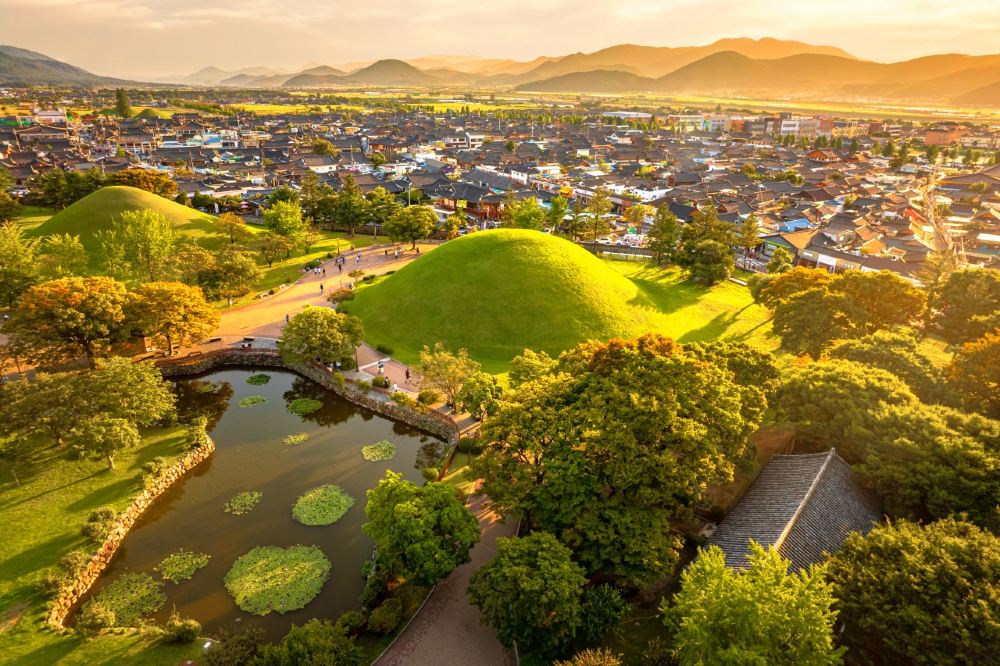
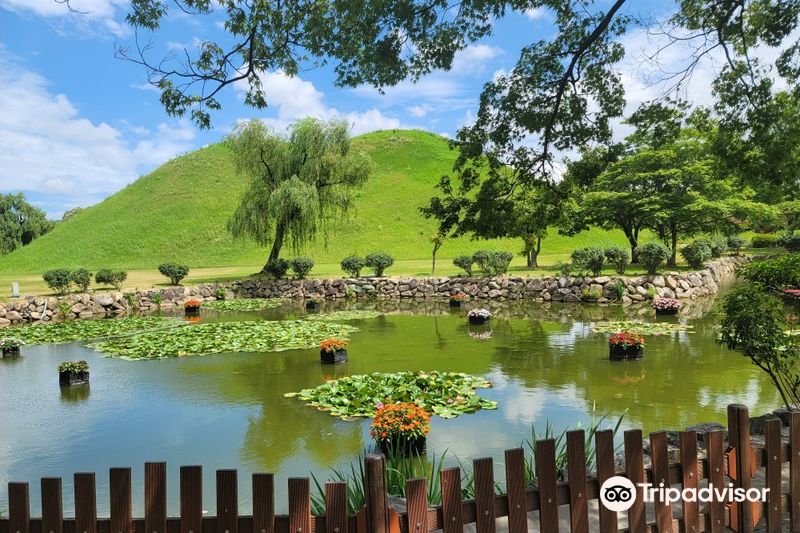
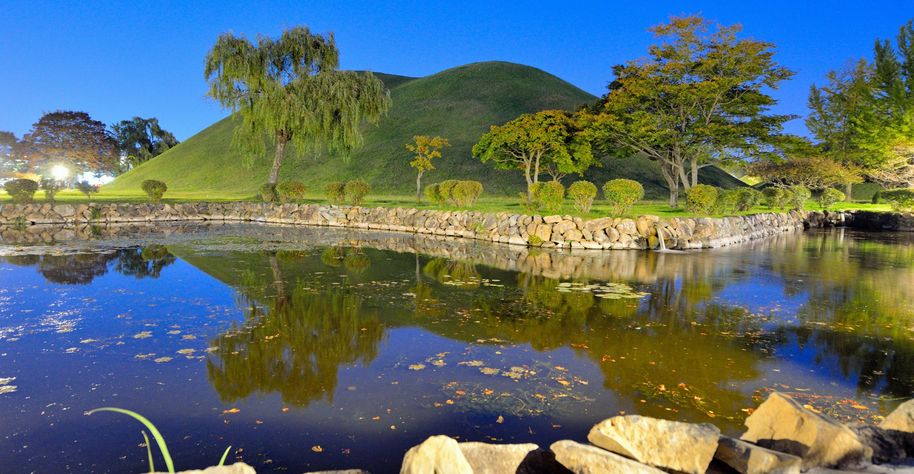
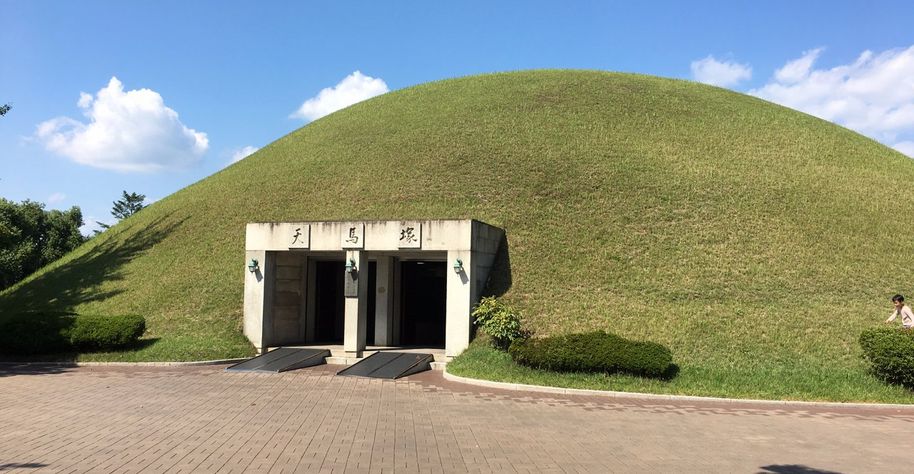
▲ [Daereungwon] Known as the Park of Royal Tombs, is a complex containing 23 tombs that were built during the Silla Dynesty
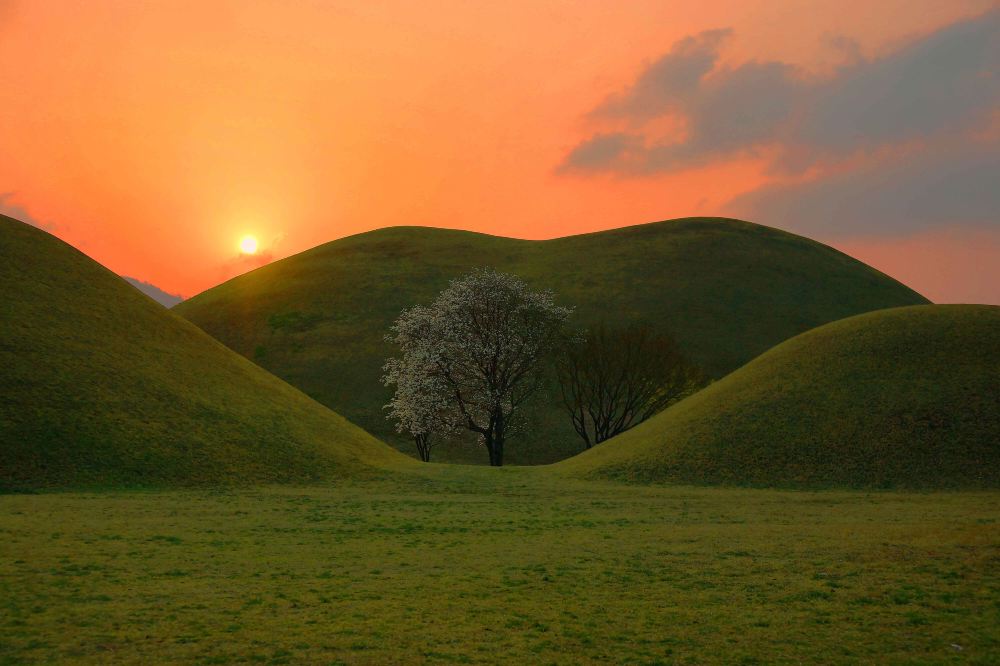
▲ [Daereungwon] There are a number of tombs with significant historical value.

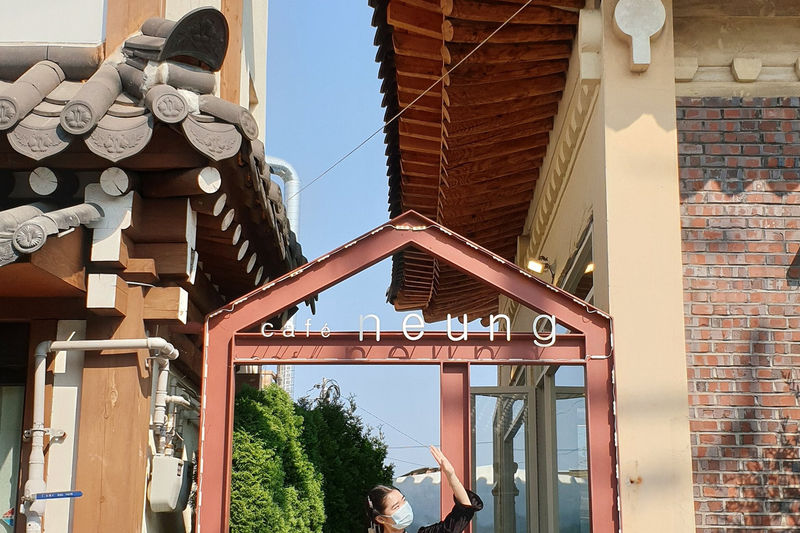
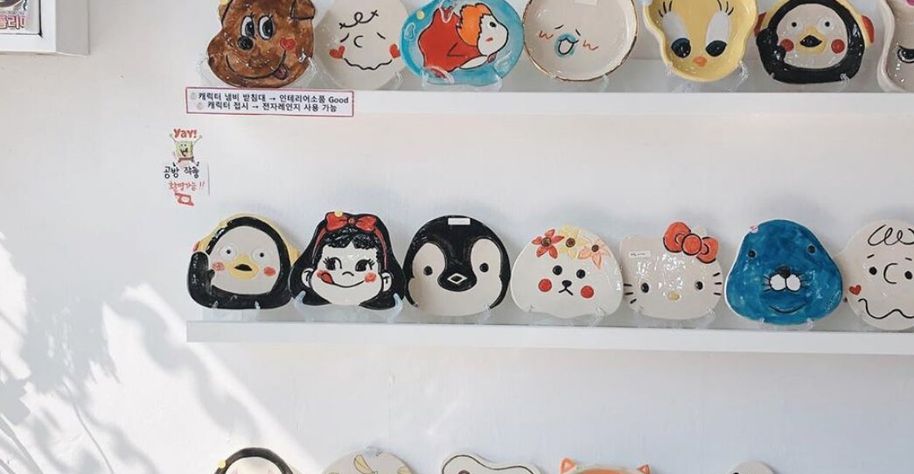
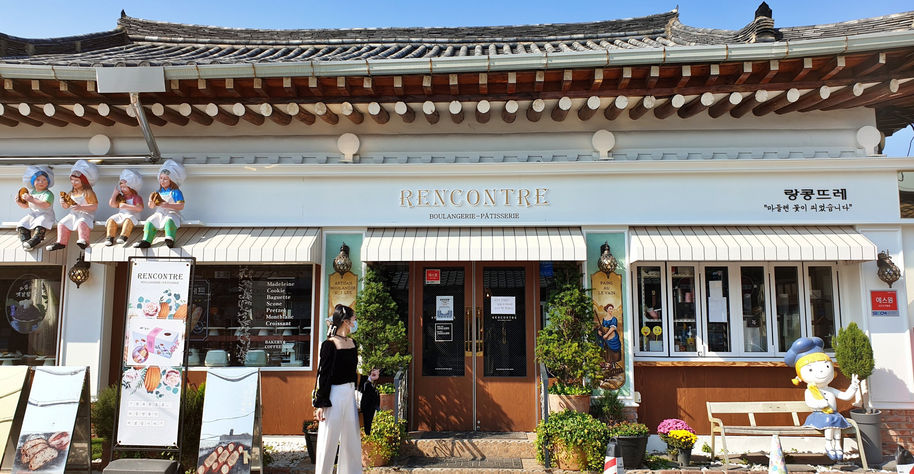
▲ [Hwangridan Street] Introduces the modern face of Gyeongju with various street food and trendy cafes
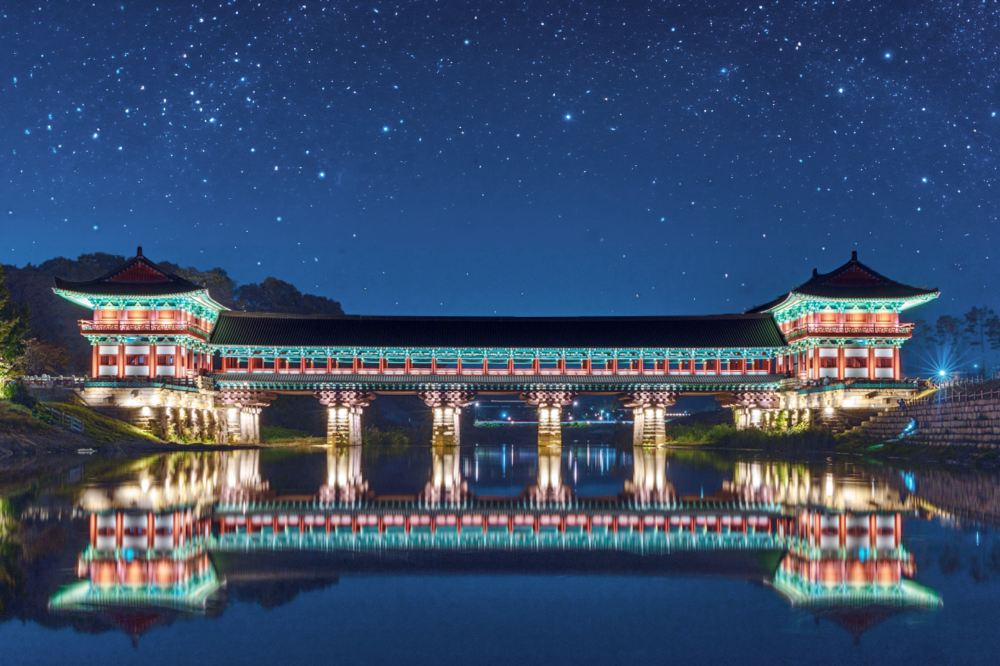
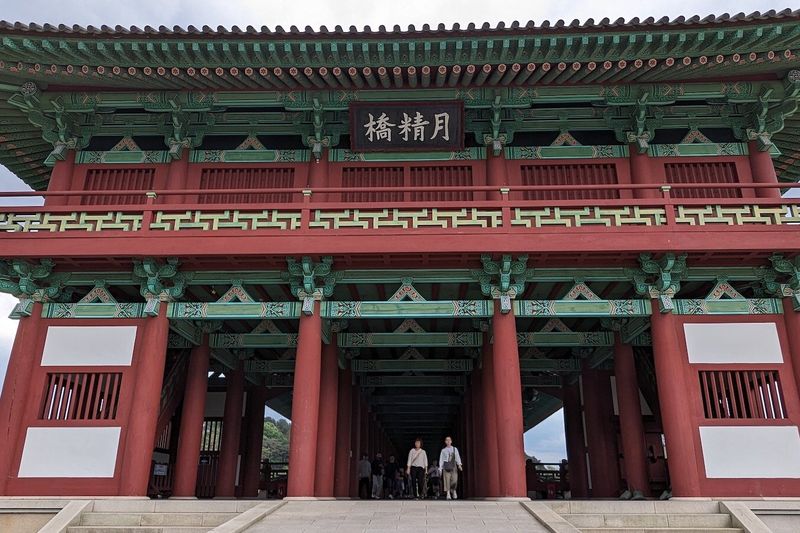
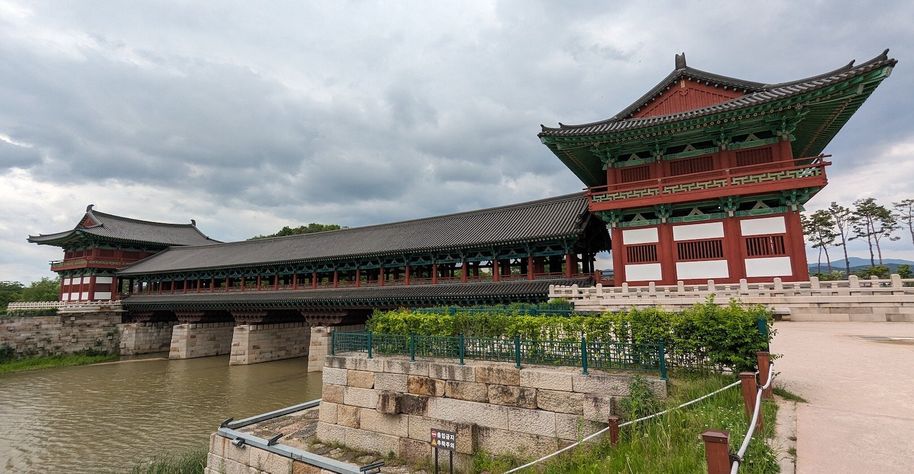
▲ [Woljeong Bridge] Constructed with sturdy stone arches, it stands as a testament to ancient engineering techniques.

▲ [Woljeong Bridge] Spanning the Woljeongcheon Stream, this historic bridge has been a vital link in Gyeongju's transportation network for generations, serving as a tangible reminder of the city's past.

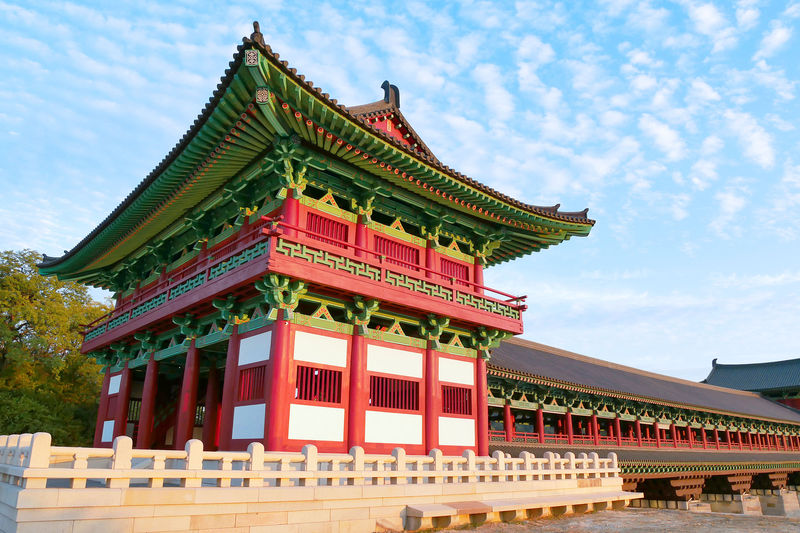
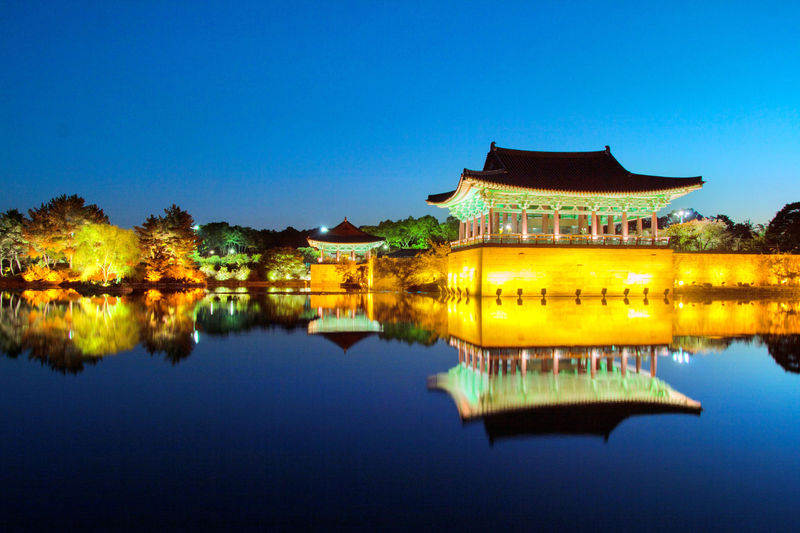
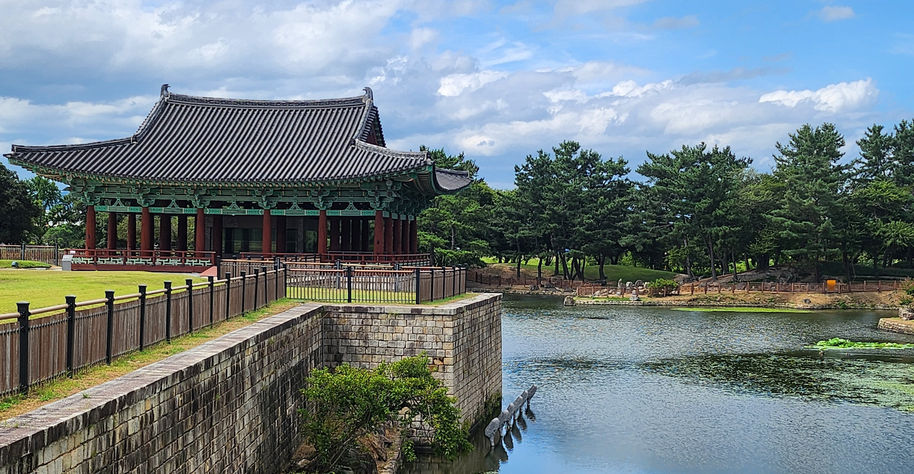
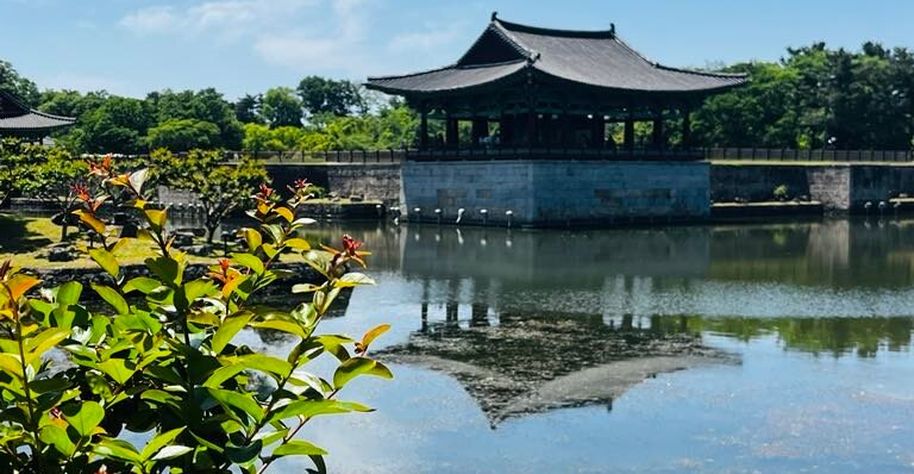
▲ [Donggung & Wolji] An artificial pond in Gyeongju National Park that was first constructed in year 674
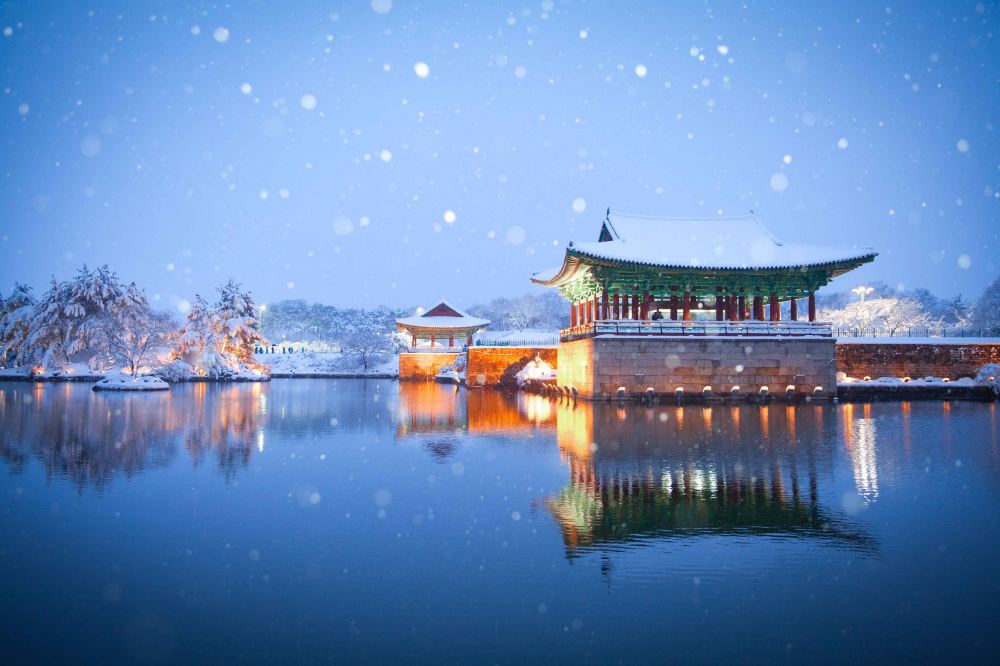
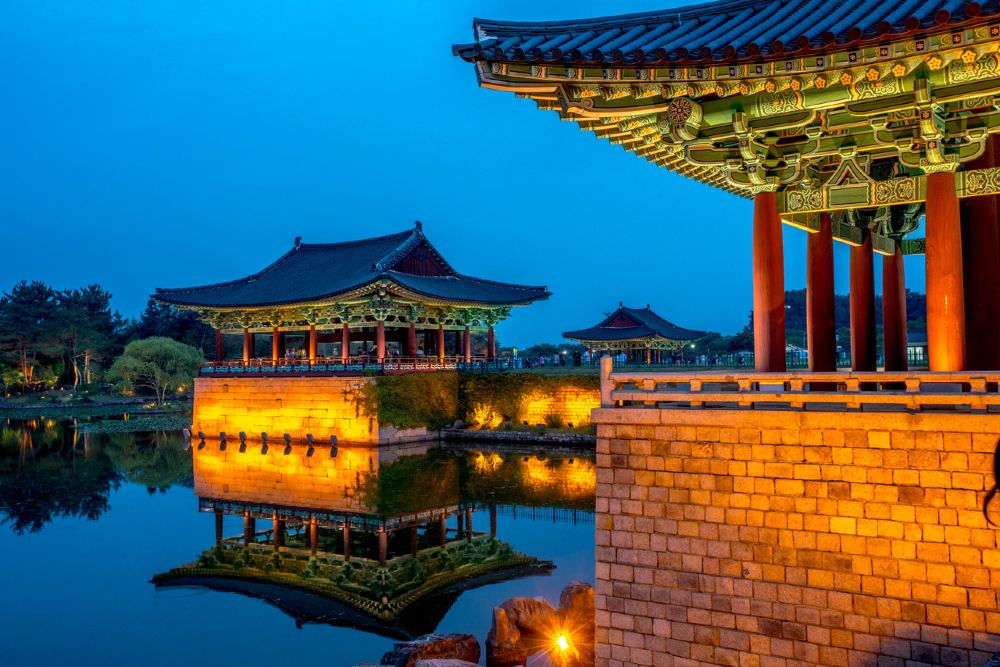
▲ [Donggung & Wolji] The Korean governement temporaily drained the pond in 1972, revealing thousands of Silla artifacts that had fallen into the lake or were thrown in.

