


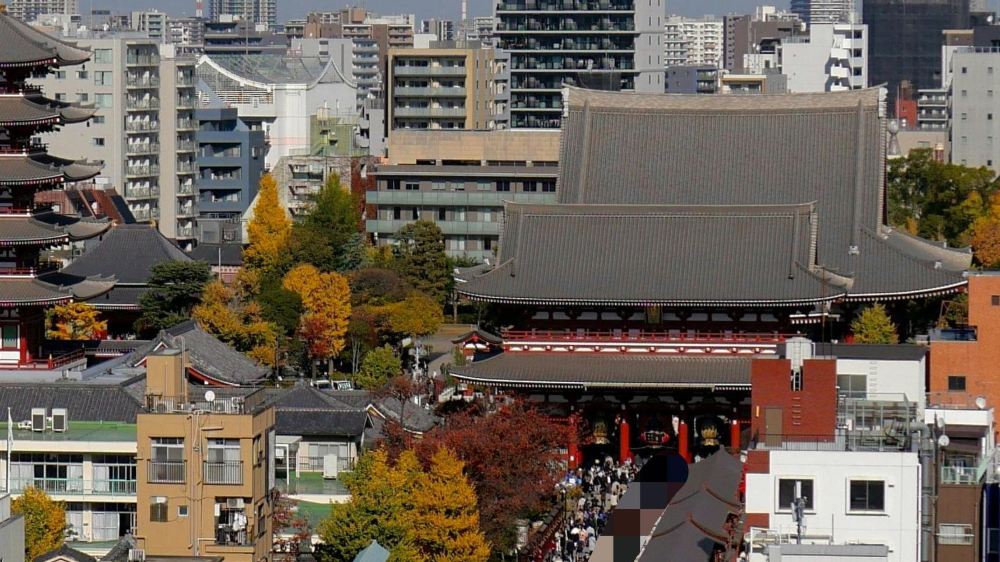
▲ From the observation deck on the 8th floor of the Asakusa Culture Tourist Information Center, the large roof of Sensō-ji and the surrounding neighborhood unfold in the elevated view. First observe the relative positions of the temple and the cityscape, then walk into the streets to add a spatial dimension to your Asakusa stroll.
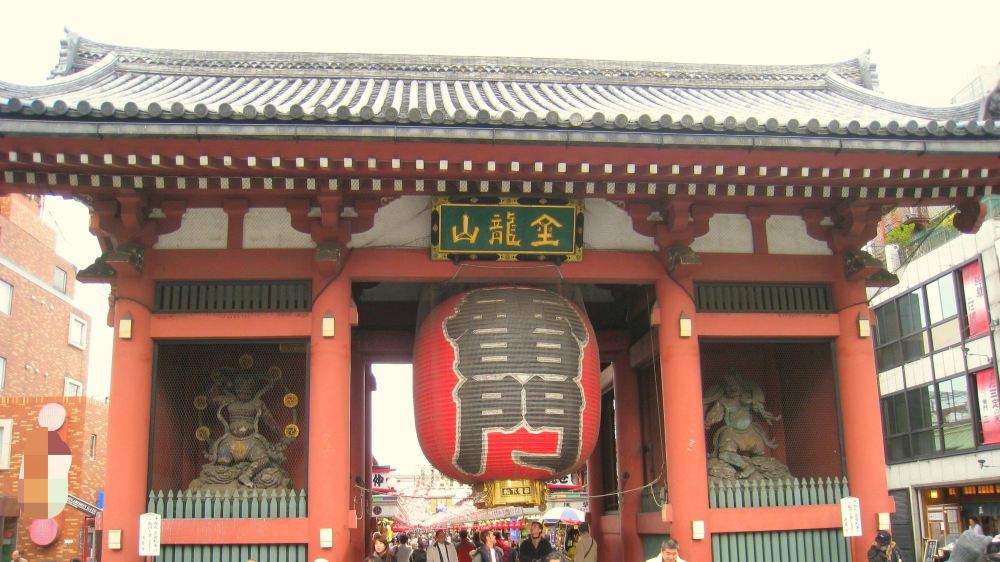
▲ The large red lantern and vermilion pillars at the front of Kaminari-mon Gate form a distinctive Asakusa image, with the gods of wind and thunder enshrined on either side. Pausing to admire the gate's exterior reveals the origin of the name "Kaminari-mon Gate" and the history of its reconstruction in 1960.
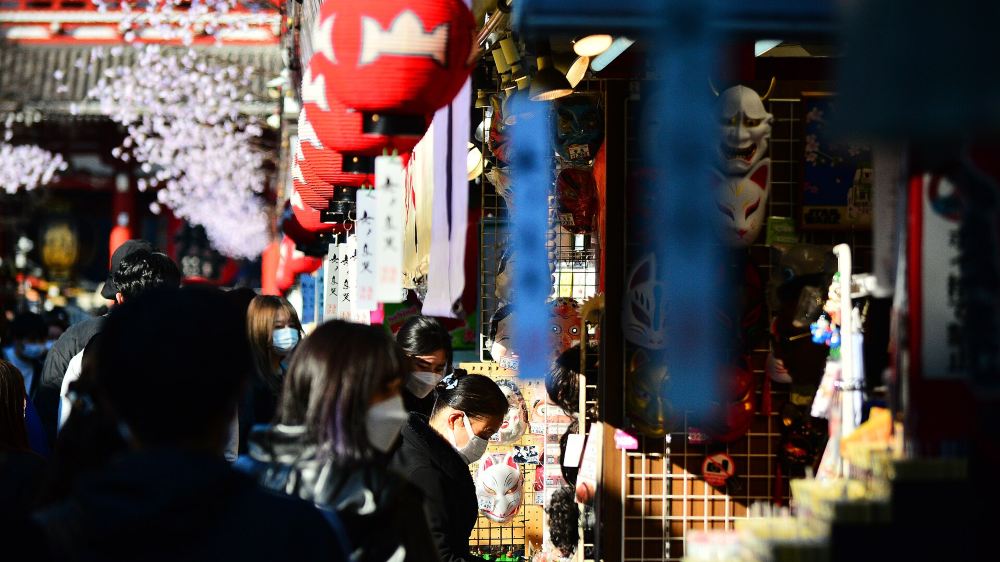
▲ The shops along Nakamise Shopping Street line both sides of the approach, with travelers passing through, creating the lively streetscape of Asakusa's front town. This commercial street connecting Kaminarimon and Hozomon continues the tradition of combining pilgrimage with commerce. While walking, you can observe the shop displays and alley details to feel the essence of daily life.
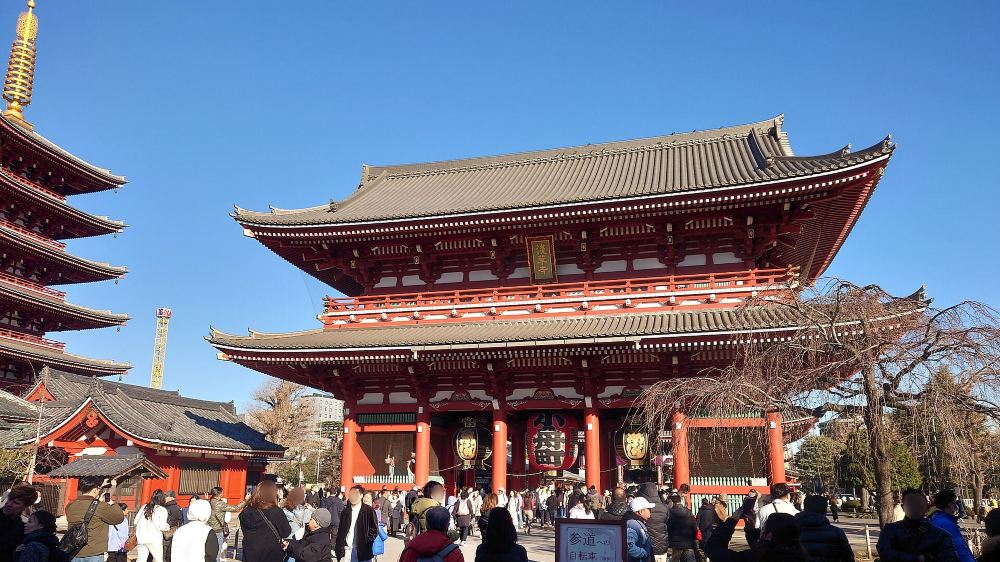
▲ Walking along Naka-mise-dori, the treasure gate with its double-layered roof and vermilion pillars gradually comes into view. The gate is flanked by Nio statues, and the current structure was rebuilt in 1964. It is named for its dual function as a sutra repository, where Buddhist scriptures and temple treasures are saved. During the exterior tour, visitors can admire the layered eaves and the layout of the gate passage.
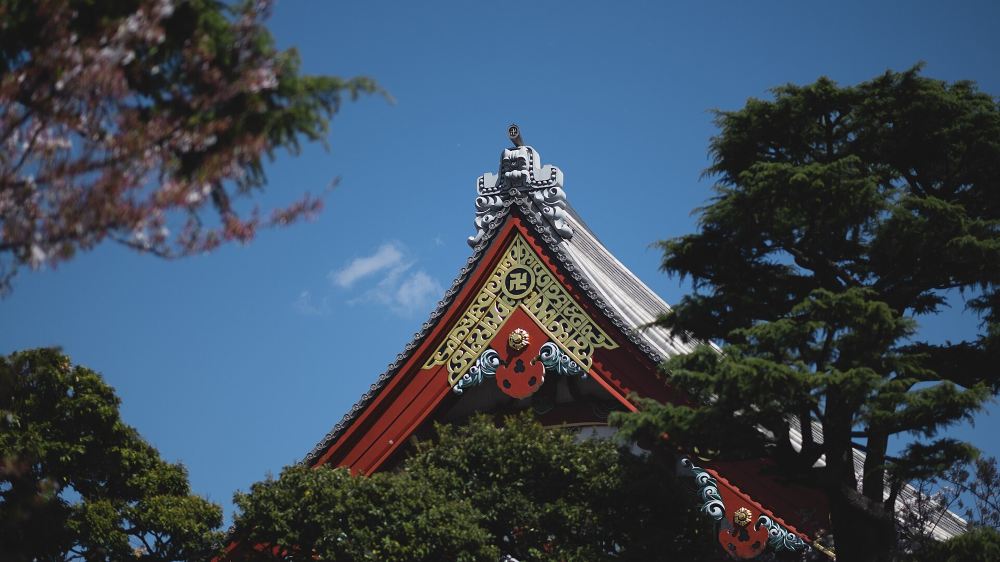
▲ The towering great roof and vermilion facade of Sensō-ji's main hall face the approach path, with visitors coming to worship visible ahead. The main hall, also known as the Kannon Hall, was rebuilt in 1958. Recognize this central temple building from its exterior, then follow the route to enter the general worship area and experience the temple's devotional atmosphere.
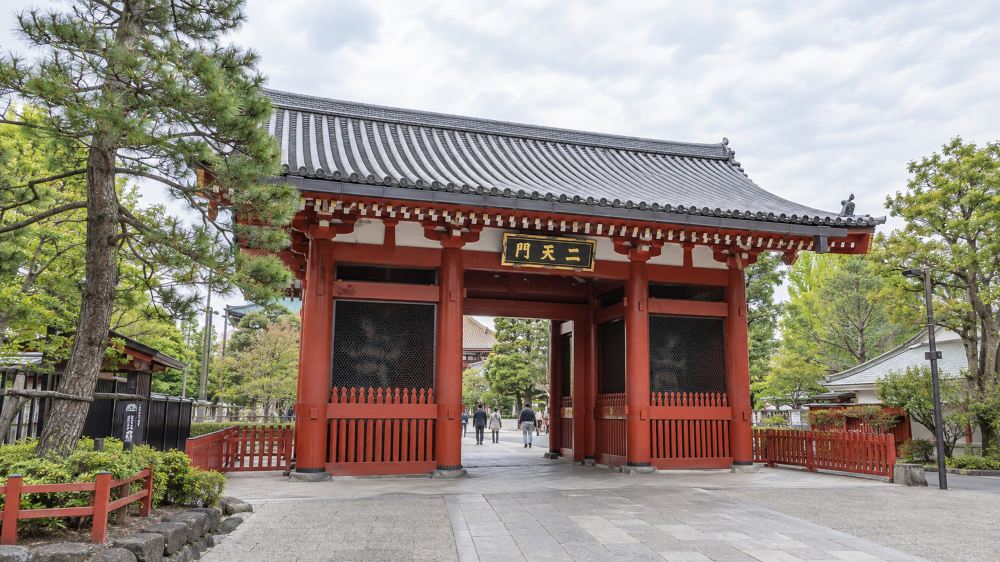
▲ The Niōmon gate features a single-layer tiled roof, vermilion wooden structure, and a central passageway, presenting a different form from the Hōzōmon gate. Located east of the main hall, it is an important cultural property retaining early Edo-period architectural characteristics. Observing the combination of eaves, pillars, and beams reveals the continuity of Sensō-ji's ancient architecture within the urban fabric.