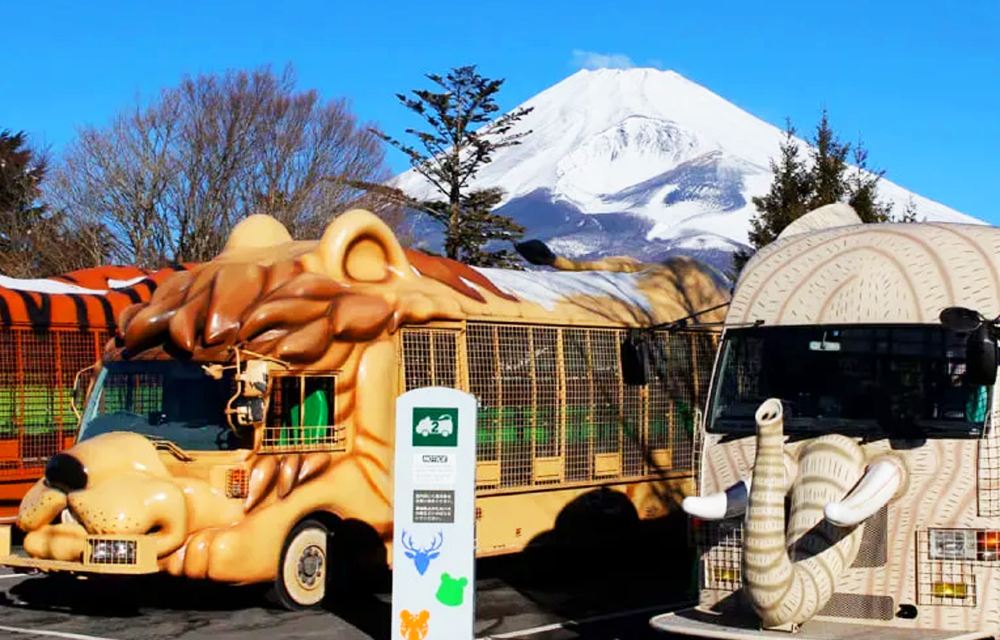
▲ Located in Susono at the southern foot of Mount Fuji in Shizuoka Prefecture, Fuji Safari Park is one of Japan's largest wildlife parks. The park features an open design that mimics natural ecosystems, allowing visitors to observe animals up close without cages, as if they were on the vast African savanna.
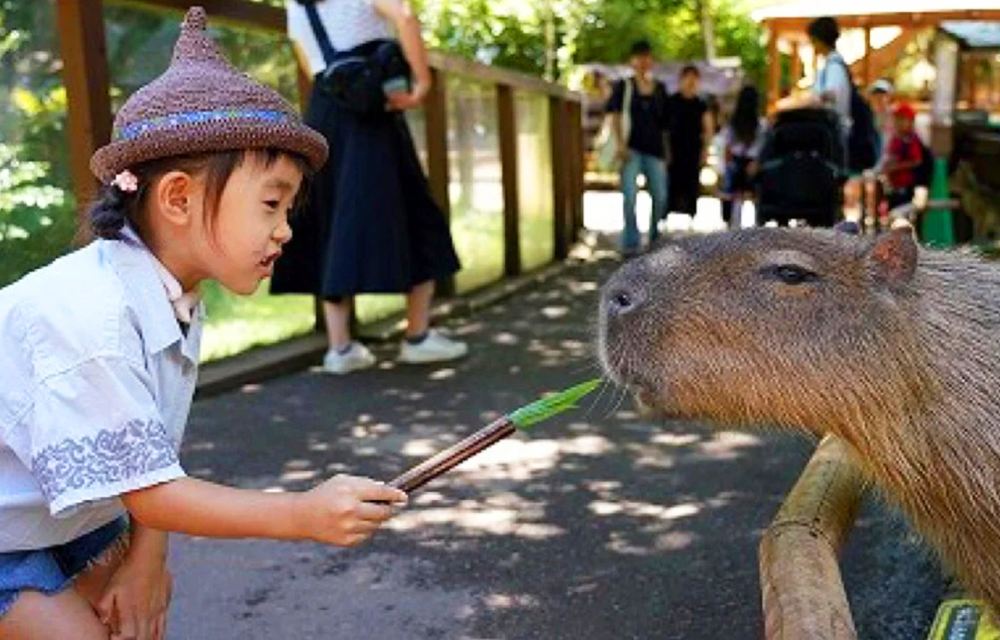
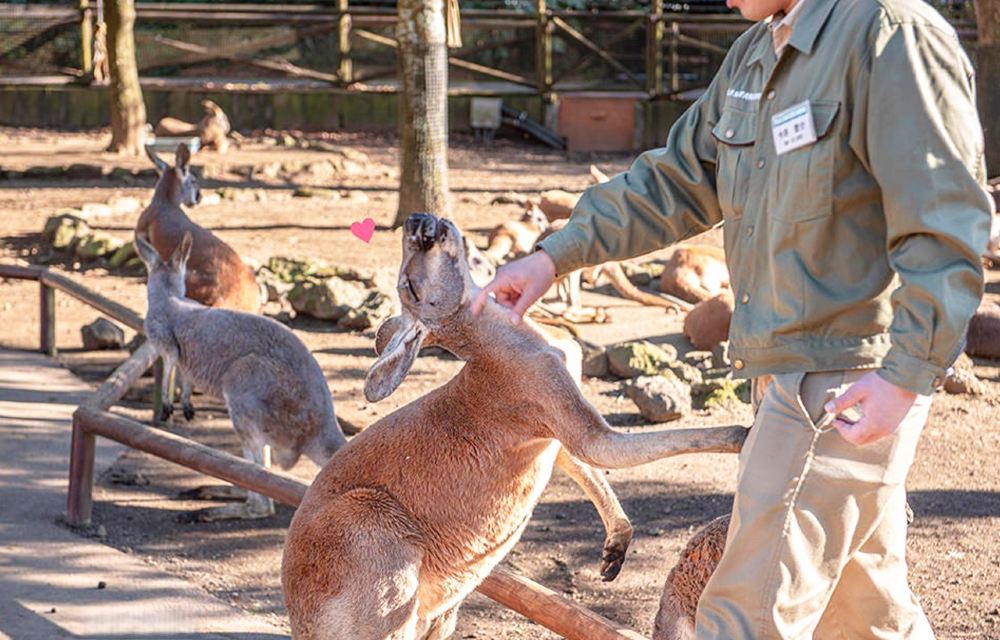
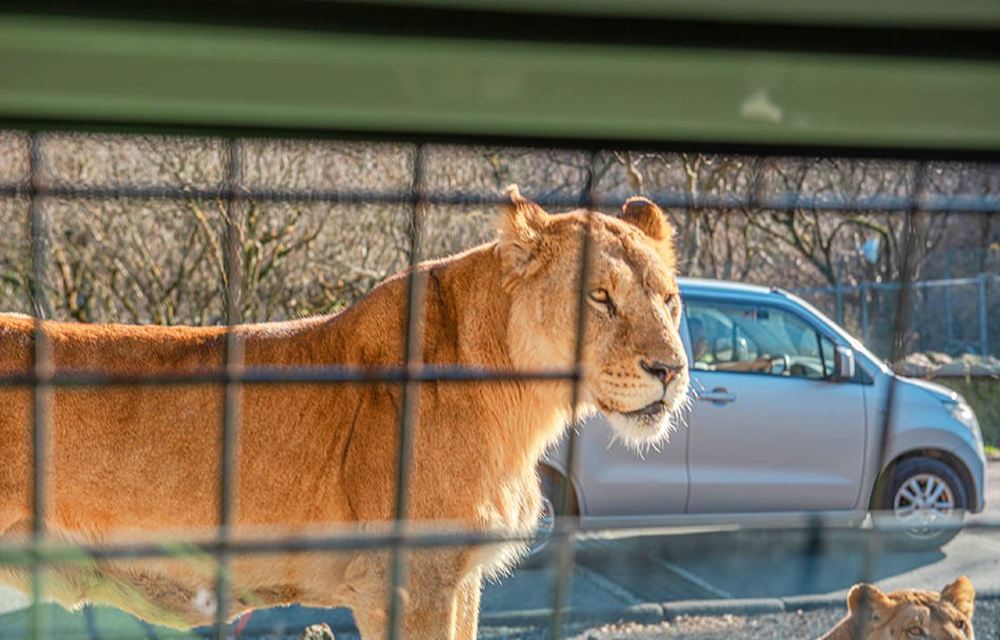
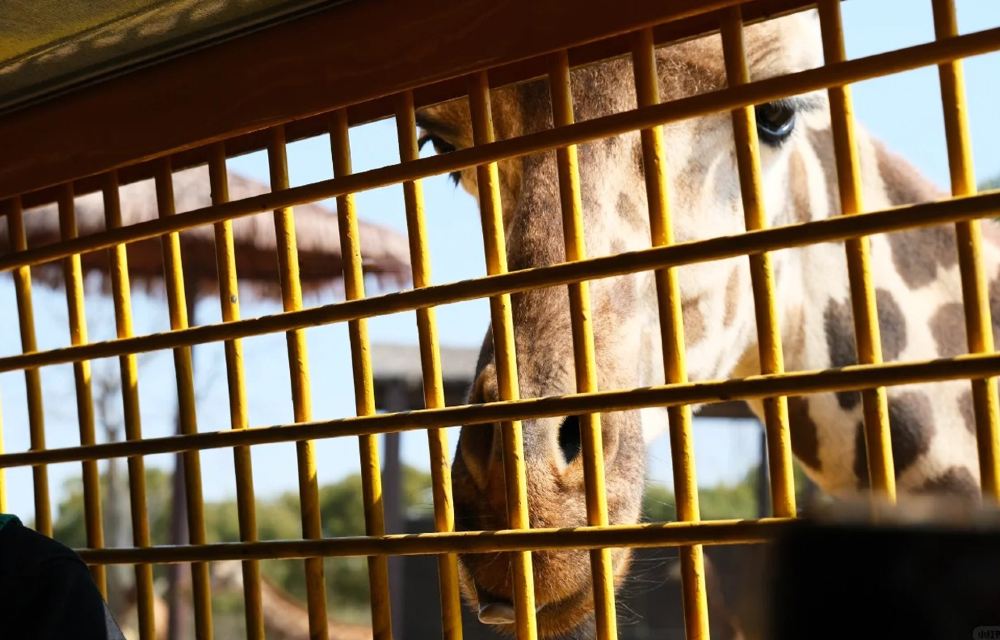
▲ Board the park's exclusive "jungle bus" to enter the vast open safari area, where you can observe large wild animals like lions, tigers, black bears, giraffes, and rhinos moving freely in their natural habitat up close. Note: Jungle bus tickets may sell out during holidays, so advance reservations are required if you plan to visit.

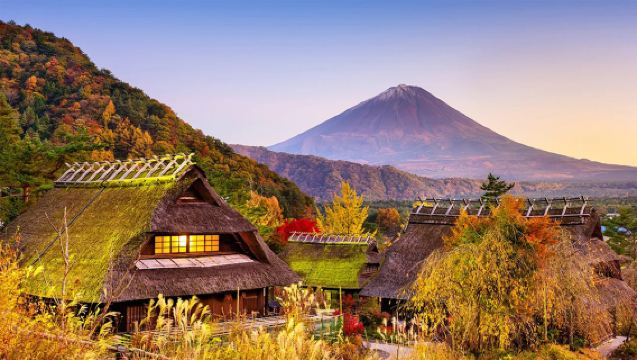
▲ Oshino Hakkai is located in Oshino village, Yamanashi prefecture. This cluster of eight pristine springs formed by long-term filtration of Mount Fuji's snowmelt is celebrated as "the soul water of Fuji," designated as both a Japanese national natural monument and a component of Mount Fuji's UNESCO World Heritage site.
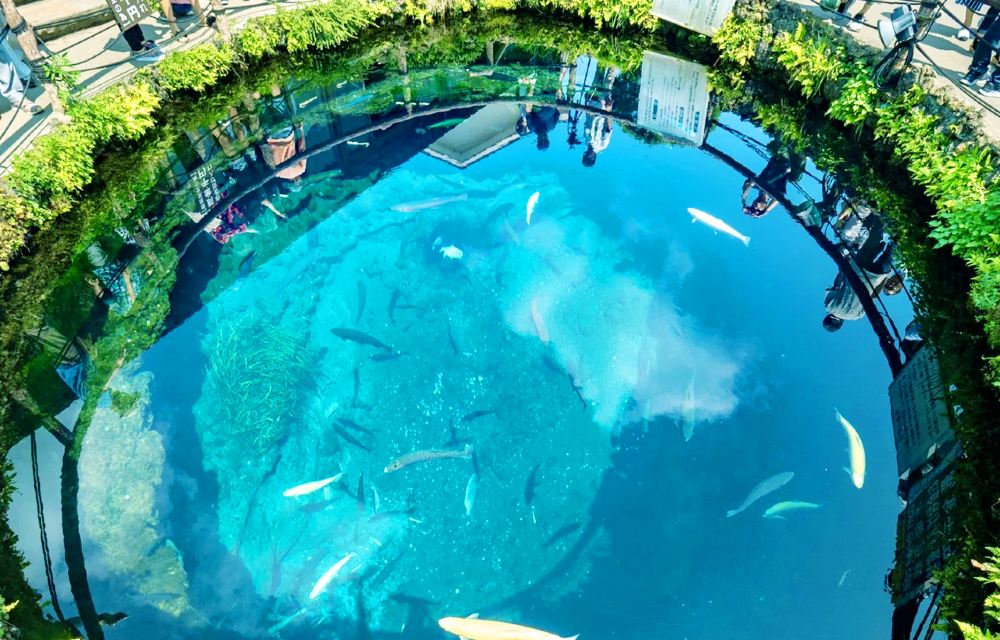
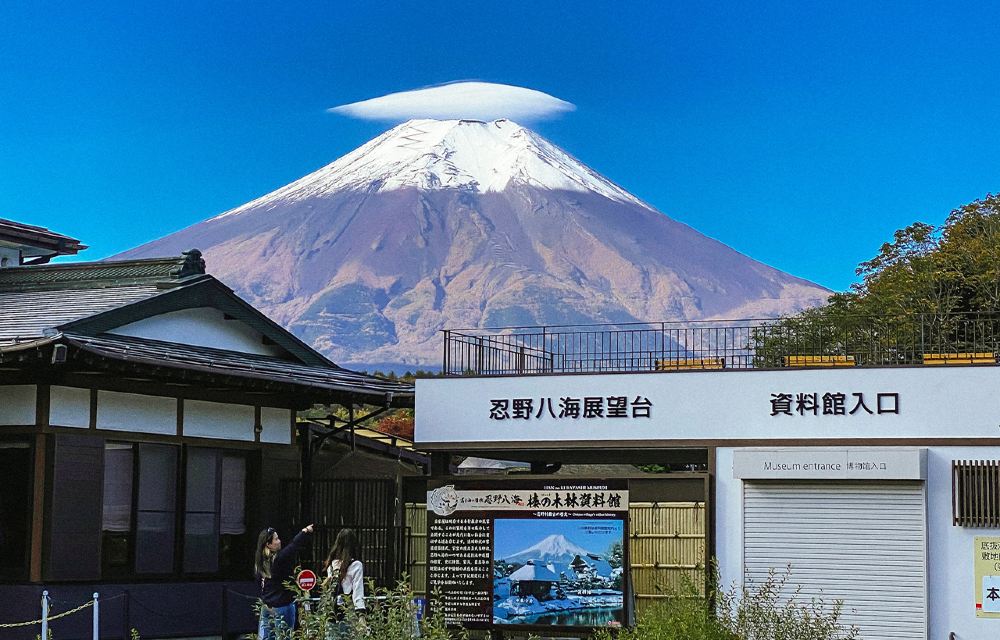
▲ On clear days, you can admire the majestic Mount Fuji in the distance, perfectly complemented by clear springs and ancient villages, making it an ideal photo spot.
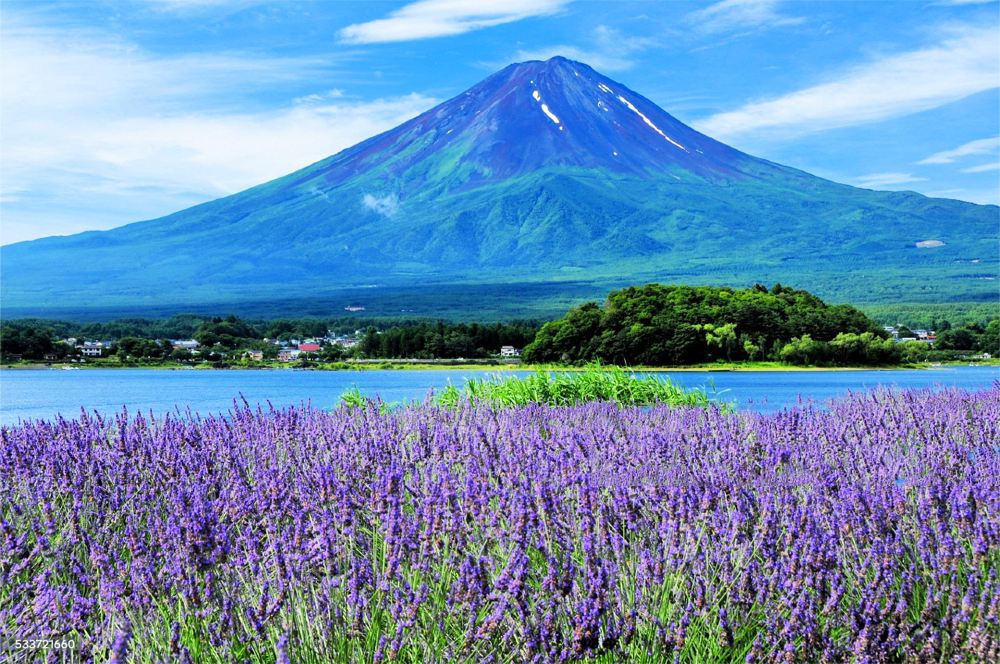
▲ Oishi Park, a renowned flower-viewing attraction, features well-maintained pathways known as the "flower promenade." From late April, tulips and rapeseed flowers bloom in abundance. The famous lavender viewing season runs from late June to mid-July, coinciding with the Lake Kawaguchi herb festival where the park serves as the main venue.
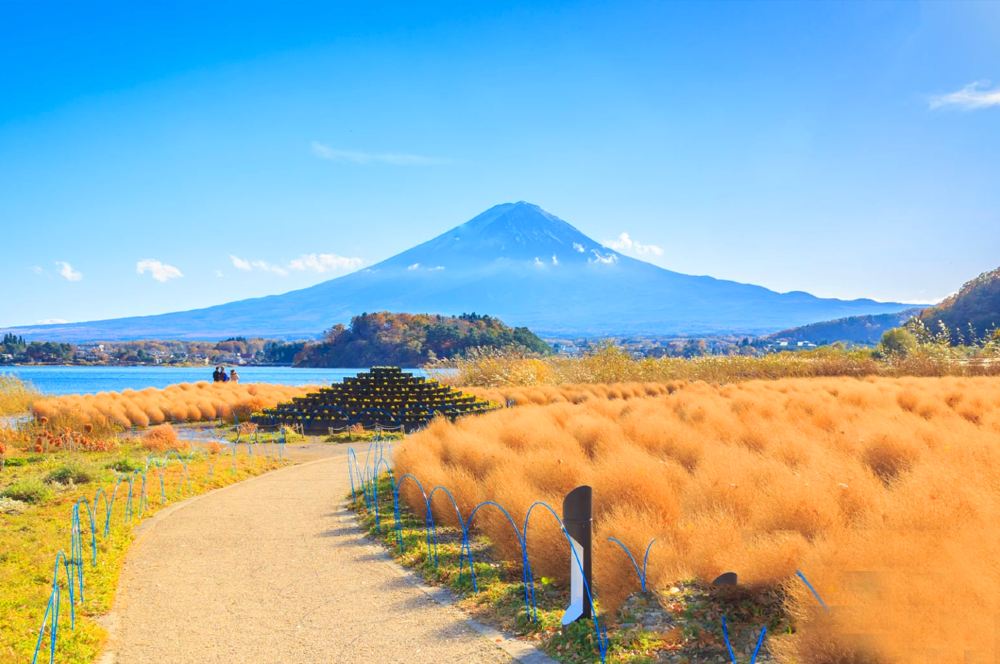
▲ From August to September, the park features kochia (broom grass), followed by sage varieties and marigolds after October, offering year-round floral displays perfectly framed with views of Mount Fuji.