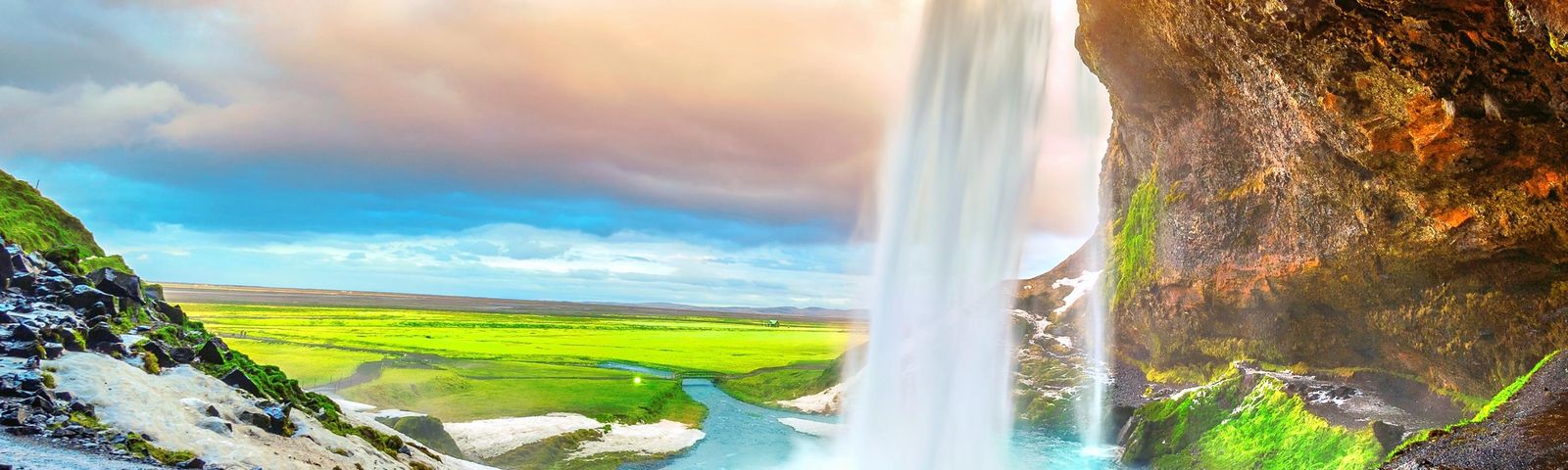
Top picks for Rangarthing eystra Tours
Discover 188 Tours in Rangarthing eystra on Trip.com, updated February 20, 2026, with experiences lasting from 1 to 15 hours. Find the perfect adventure for your day!
From AED 372.58 per person, with an average total of AED 1,319.85. Choose the option that suits your plan.
With 269 verified reviews, Tours Rangarthing eystra boast an average rating of 4.6.
This week's most popular Tours: "Reykjavik: Katla Ice Cave & South Coast Tour", with 102 reviews and a 4.8 rating.
Now on Trip.com: "Iceland South Coast 1-day tour: Waterfalls, Glaciers, and Black Sand Beaches|Optional small group tour or sky hot spring", a 4-hour adventure in Rangarthing eystra!
The next available day tour departs on February 21, 2026. Book now to secure your spot!
Rangarthing eystra Tours usually take about 4 hours — perfect for a relaxed, immersive experience!
100% of Rangarthing eystra Tours now offer English-speaking guides
February is the perfect time to visit Rangarthing eystra! Choose from Tours available day tours, including seasonal favorites like Reykjavik: Katla Ice Cave & South Coast Tour.
Your trip, worry-free! All day tours are run by licensed suppliers with verified reviews, and many include free cancellation before departure.
188 results for Rangarthing eystra Tours
 Duration: 4.7 hrsEnglish4.8/5Very good· 22 reviews· 222 bookedFromAED 424.02
![Iceland Reykjavik Katla Ice Cave + South Coast Waterfalls 1-day Tour [English Group]](https://ak-d.tripcdn.com/images/0351w12000pj9ru6mE7F9_C_568_320.jpg?_fr=wc) Duration: 8 hrsEnglish5.0/5Excellent· 1 reviewFromAED 1,177.96
Duration: 8 hrsEnglish5.0/5Excellent· 1 reviewFromAED 1,177.96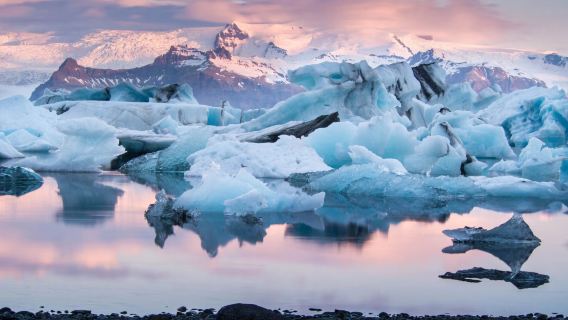
Iceland Glacier Lagoon + Diamond Beach + South Coast Waterfalls + Vik Day Tour|Summer cruise options
Duration: 4.8 hrsEnglish5.0/5Excellent· 1 reviewFromAED 867.31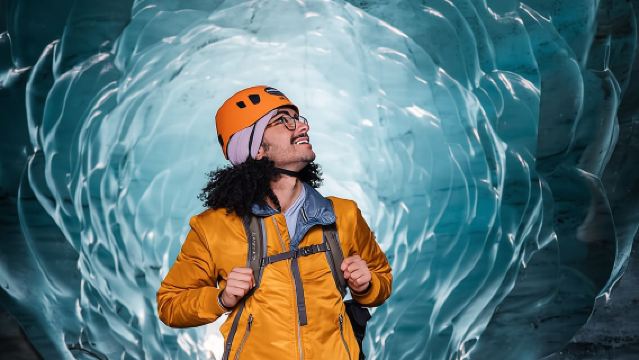 5% offLimited-time saleFromAED 1,025.81AED 1,079.8
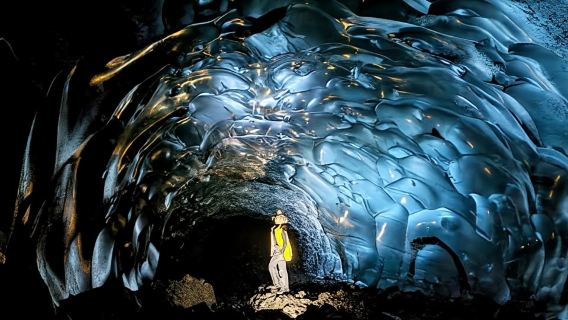 5% offLimited-time saleFromAED 840.99AED 885.26
![Departing from Vik, Iceland: Katla Volcano Super Jeep and Ice Cave Exploration Tour [English-speaking Group]](https://ak-d.tripcdn.com/images/0356112000qsar9j9A845_C_568_320.jpg?_fr=wc) FromAED 1,189.78
FromAED 1,189.78 Duration: 2.5 hrsEnglish5.0/5Excellent· 2 reviews· 86 bookedFromAED 679.39
![South Coast Day Tour from Reykjavik [Chinese/English Guided + Round-Trip + Optional Katla Ice Cave]](https://ak-d.tripcdn.com/images//0585e12000n0qkw7i659C_C_568_320.jpg?_fr=wc) Duration: 6.5 hrsEnglish4.3/5Good· 7 reviews· 85 bookedFromAED 515.40
Duration: 6.5 hrsEnglish4.3/5Good· 7 reviews· 85 bookedFromAED 515.40![Reykjavik Join-in Tour: Glacier Lagoon + Skógafoss + Diamond Beach + [English Guide]](https://ak-d.tripcdn.com/images/0353812000pwb8ns8C20A_C_568_320.png?_fr=wc) Duration: 8.3 hrsEnglishFromAED 886.58
Duration: 8.3 hrsEnglishFromAED 886.58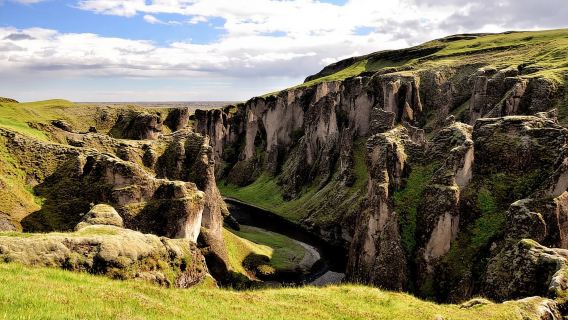 Duration: 15 hrsEnglish4.7/5Very good· 90 reviews5% offLimited-time saleFromAED 844.54AED 888.99
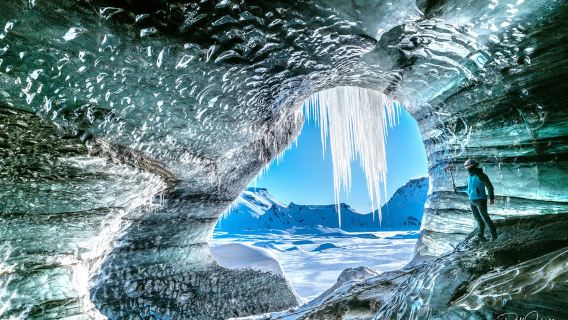 FromAED 1,132.32
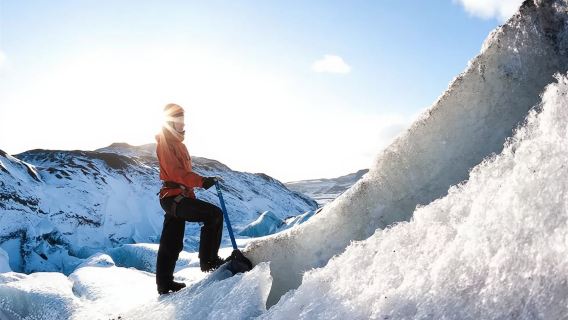 FromAED 843.13
 FromAED 1,461.78
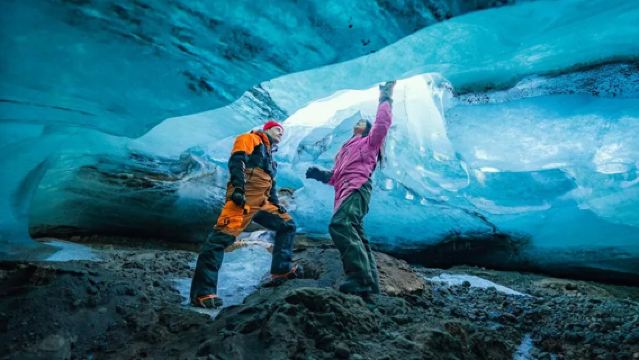 Duration: 4.5 hrsEnglishFromAED 1,258.94
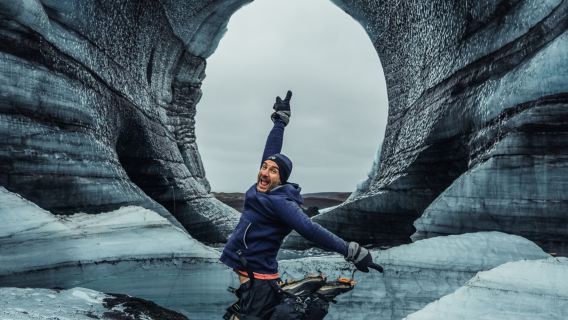 FromAED 722.76
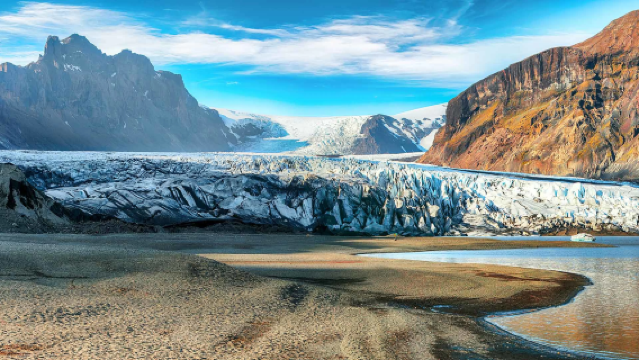 Duration: 8 hrsEnglishFromAED 4,521.52
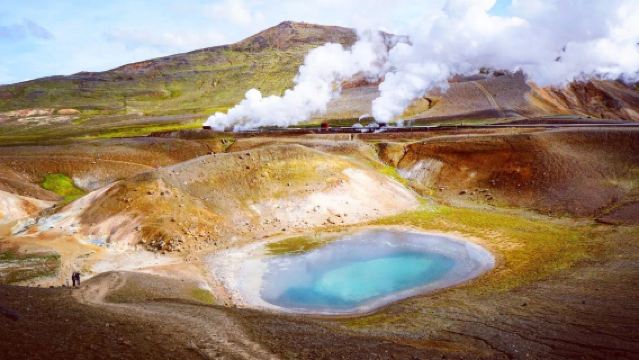 Duration: 10.5 hrsEnglishFromAED 4,521.52
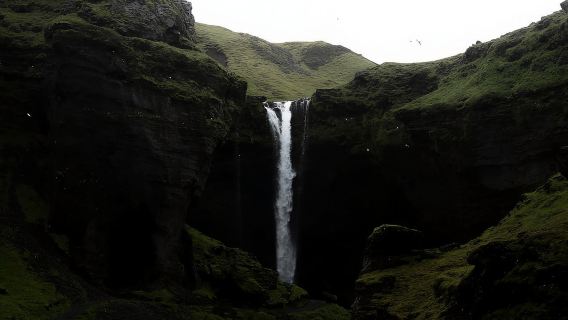 Duration: 10 hrsEnglish5.0/5Excellent· 1 reviewFromAED 910.84
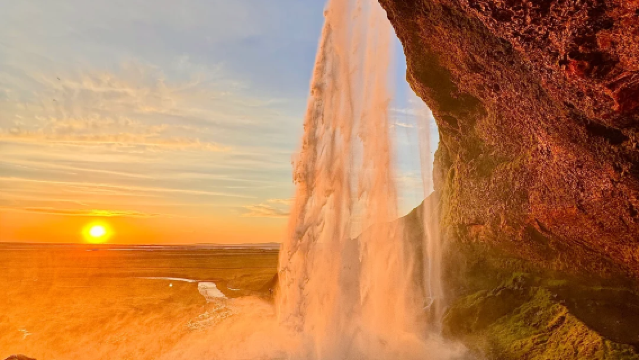 FromAED 815.65
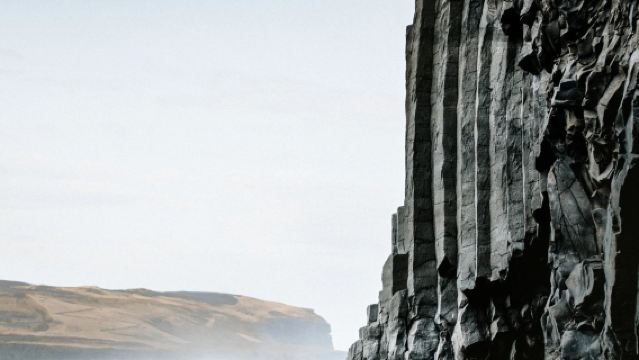 Duration: 8.5 hrsEnglishFromAED 4,521.52
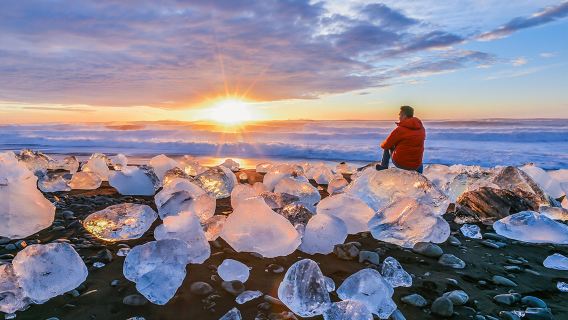 Duration: 13 hrsEnglish4.9/5Excellent· 10 reviews· 308 bookedFromAED 621.14
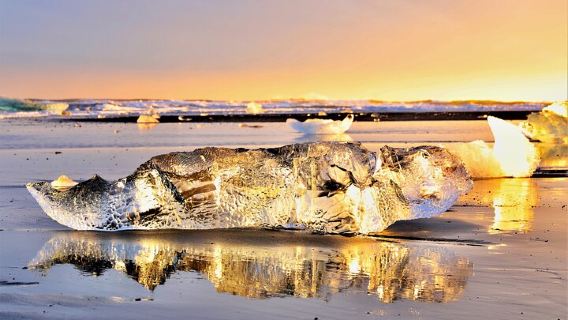 Duration: 8.5 hrsEnglish4.0/5Good· 7 reviews· 93 bookedFromAED 685.20
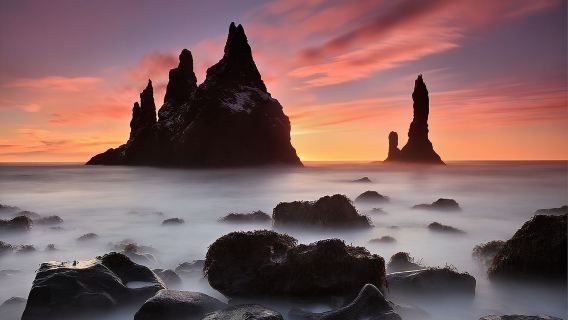 FromAED 565.41
 Duration: 4.9 hrsEnglish5.0/5Excellent· 1 reviewFromAED 522.28
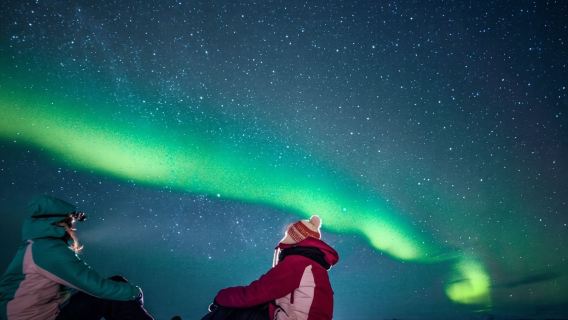 Duration: 8.5 hrsEnglish4.7/5Great· 3 reviewsFromAED 750.21
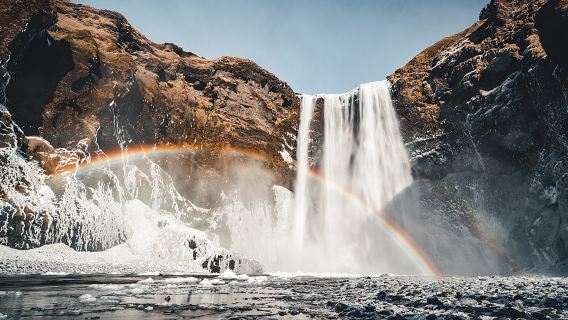 Duration: 9.9 hrsEnglish46 bookedFromAED 372.58
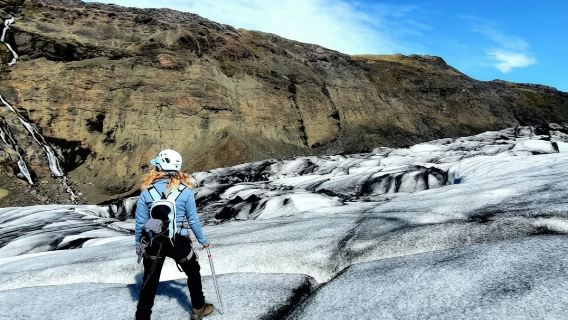 FromAED 801.76
 Duration: 5.5 hrsEnglishFromAED 879.07
![Glacier Lagoon, Diamond Beach, and Seljalandsfoss one-day tour[English guide& Optional Boat Cruise]](https://ak-d.tripcdn.com/images/100q180000015beh01BB8_C_568_320.jpg?_fr=wc) FromAED 763.39
FromAED 763.39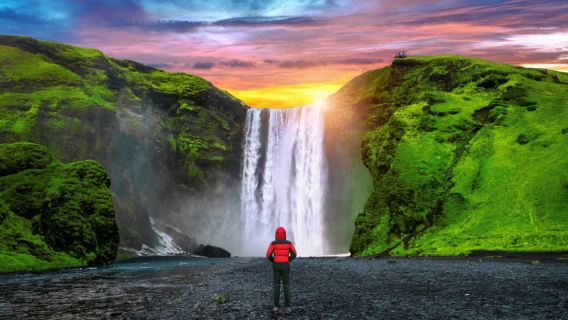 Duration: 8.3 hrsEnglishFromAED 3,854.25
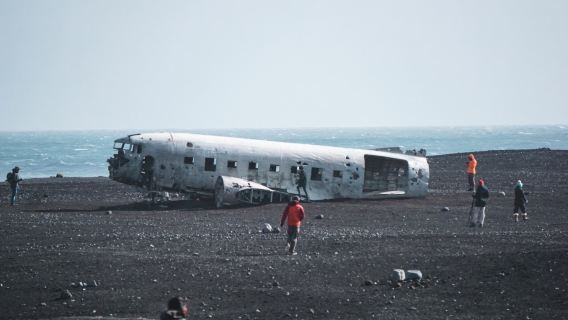 Duration: 10.5 hrsEnglishFromAED 973.56
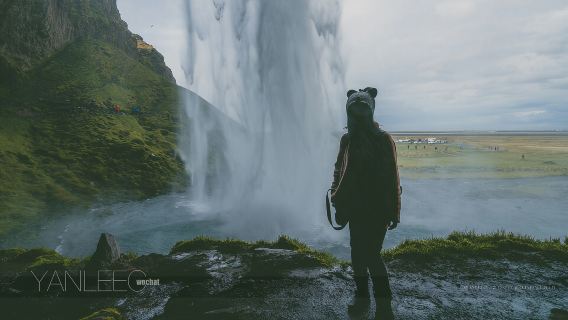 Duration: 10 hrsEnglishFromAED 572.68
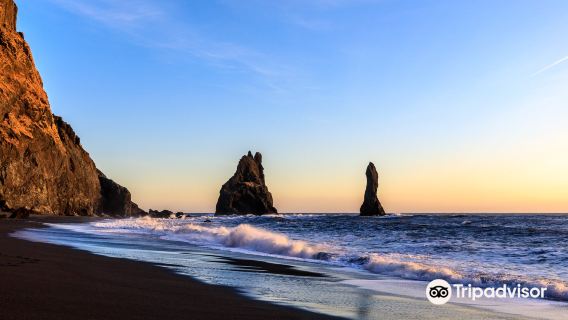 Duration: 9.1 hrsEnglish3.0/5· 2 reviewsFromAED 954.09
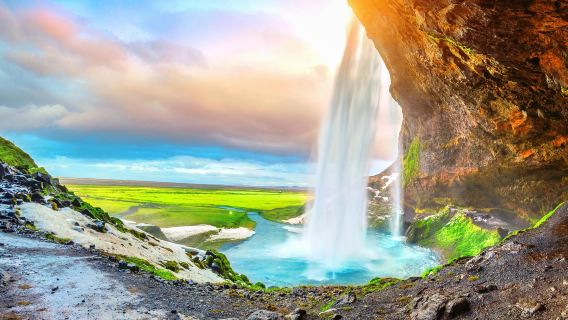 Duration: 8.5 hrsEnglishFromAED 715.85
![1-day tour to the Blue Ice Cave in Iceland [Explore the glacier interior with round-trip to Jökulsárlón Glacier Lagoon]|English-speaking tour group](https://ak-d.tripcdn.com/images//0584e12000n1f962hD997_C_568_320.jpg?_fr=wc)
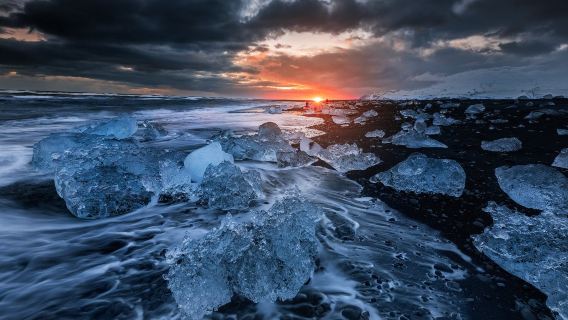
Frequently asked questions about Rangarthing eystra Tours
How many Tours are available in Rangarthing eystra on Trip.com?
What are the best Tours in Rangarthing eystra?
What are the top-rated Tours in Rangarthing eystra?
What are the recommended itineraries in Rangarthing eystra?
How can I contact Trip.com customer support?
Can I change or cancel my booking?
How can I get discounted prices?
Reviews/Trip Moments
Trip.com Picks
Popular Products
Popular Activities
More Popular Destinations


About




Site Operator: Trip.com Travel Singapore Pte. Ltd.