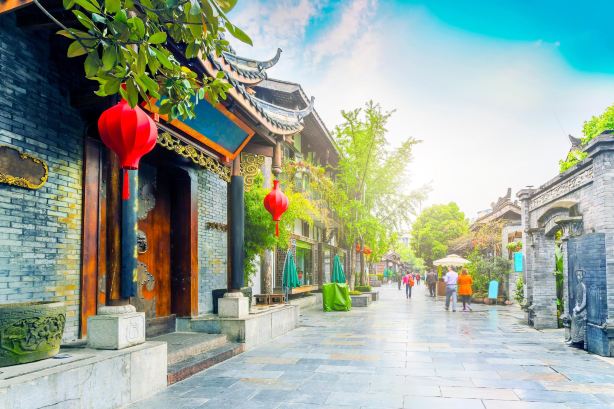
Things to do in Chengdu
Explore top experiences
Top 10 attractions in Chengdu


Traveller favourites curated for you

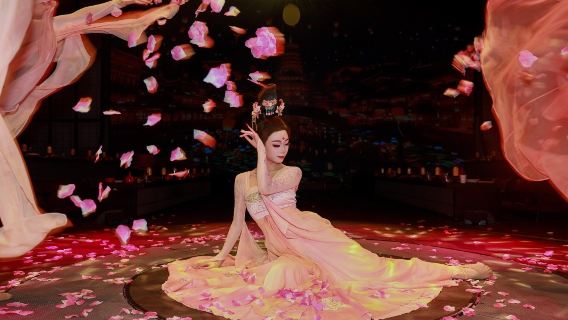

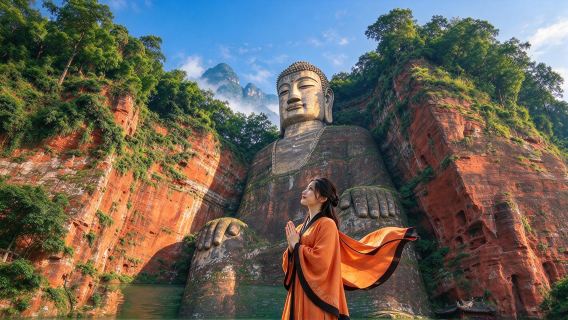
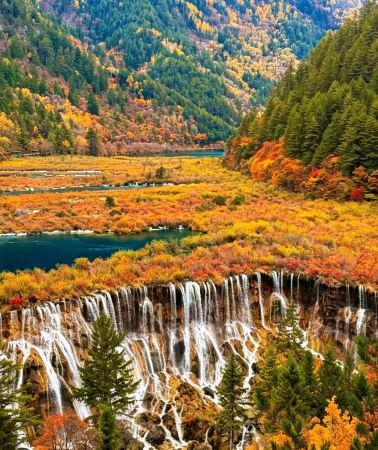
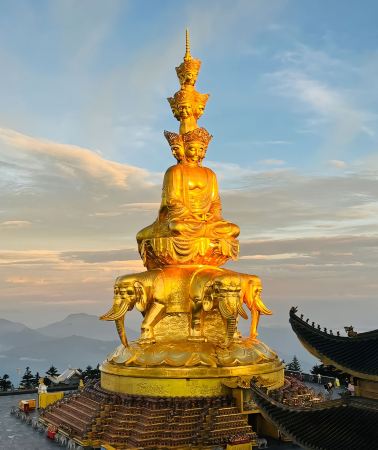
 5D4N • Chengdu Panda & 5 UNESCO Heritage trip: Jiuzhaigou, Huanglong, Dujiangyan, Leshan Giant Buddha, Mount Emei - High-Speed Rail, Hotels & All Tickets Included
This itinerary covers Sichuan's top travel icons. Enjoy ample sightseeing time with no shopping stops. Immerse yourself in diverse natural wonders and cultural heritage. | High-speed rail between Chengdu and Jiuzhaigou, private vehicle and driver for all other transfers - no sharing, no fixed schedule, just the flexibility to go at your pace. | All entrance tickets are pre-purchased - no queuing or sold-out worries. Cable cars/sightseeing buses at Jiuzhaigou and Huanglong included, making a long day of sightseeing a lot easier on the legs.From NZD 874

3D2N • Winter Exclusive: Round-trip high-speed rail from Chengdu to Jiuzhaigou with tickets included, professional tour guide service, 4-diamond hotel, exclusive one-on-one butler service
Take a nonstop high-speed train from Chengdu to Jiuzhaigou, with exclusive train service and tickets included. Enjoy spacious 1-row-3-seat seating on the journey, with charging ports. | Enjoy dedicated 24/7 one-on-one online support, plus complimentary Tibetan-style travel photography and an afternoon tea experience in Jiuzhaigou. | We carefully selected 4-diamond hotels on Trip.com. Enjoy the company of a top-rated tour guide throughout the trip.From NZD 268
Experiences you can't miss in Chengdu
Featured Day tours in Chengdu
View all Day tours
4.9/5
· 18k reviews· 31.4k bookedFree cancellation
Instant confirmation
Book now for tomorrow
99.6% of travelers recommend
FromNZD 70.18
4.9/5
· 10.6k reviews· 8.4k bookedFree cancellation
Instant confirmation
Book now for tomorrow
99% of travelers recommend
FromNZD 60.82

4.9/5
· 5.2k reviews· 12.8k bookedFree cancellation
Instant confirmation
Book now for tomorrow
28 consecutive positive reviews
FromNZD 74.15
4.7/5
· 271 reviews· 2.6k bookedFree cancellation
Instant confirmation
Book now for tomorrow
24 consecutive positive reviews
FromNZD 53.08

4.9/5
· 45 reviews· 597 bookedFree cancellation
Instant confirmation
Book now for tomorrow
28 consecutive positive reviews
FromNZD 115.18

4.9/5
· 166 reviews· 1.4k bookedFree cancellation
Instant confirmation
Book now for tomorrow
35 consecutive positive reviews
FromNZD 164.84

4.9/5
· 5.3k reviews· 16.3k bookedFree cancellation
Instant confirmation
Book now for tomorrow
100 consecutive positive reviews
FromNZD 100.83

4.9/5
· 3.7k reviews· 7.2k bookedFree cancellation
Instant confirmation
Book now for tomorrow
98% of travelers recommend
FromNZD 143.50
Featured Food & drink in Chengdu
View all Food & drink
4.8/5
· 34 reviews· 429 bookedFree cancellation
Instant confirmation
Book now for today
94.1% of travelers recommend
FromNZD 18.14
4.9/5
· 69 reviews· 484 bookedFree cancellation
Instant confirmation
Book now for today
98.6% of travelers recommend
FromNZD 125.87
5.0/5
· 16 reviews· 272 bookedFree cancellation
Instant confirmation
Book now for tomorrow
FromNZD 26.38

4.3/5
· 8 reviews· 201 bookedFree cancellation
Instant confirmation
Book now for tomorrow
FromNZD 31.48

4.7/5
· 3 reviews· 48 bookedFree cancellation
Book now for today
FromNZD 78.69

Free cancellation
Instant confirmation
Book now for tomorrow
FromNZD 74.69

5.0/5
· 1 review· 58 bookedFree cancellation
Book now for today
FromNZD 42.15
Featured Culture & history in Chengdu
View all Culture & history
4.9/5
· 2.6k reviews· 9.4k bookedFree cancellation
98.6% of travelers recommend
FromNZD 292.87
4.8/5
· 32 reviews· 329 bookedFree cancellation
Instant confirmation
Book now for tomorrow
93.8% of travelers recommend
FromNZD 97.00
4.6/5
· 21 reviews· 268 bookedFree cancellation
Instant confirmation
Book now for tomorrow
FromNZD 100.03

4.9/5
· 9.3k reviews· 12.5k bookedFree cancellation
Instant confirmation
Book now for tomorrow
34 consecutive positive reviews
FromNZD 103.49

4.9/5
· 2.7k reviews· 11.7k bookedFree cancellation
Instant confirmation
Book now for tomorrow
55 consecutive positive reviews
FromNZD 66.15

5.0/5
· 6 reviews· 66 bookedFree cancellation
Instant confirmation
Book now for tomorrow
FromNZD 95.91
Featured City sightseeing in Chengdu
View all City sightseeing
5.0/5
· 1 reviewFree cancellation
Instant confirmation
FromNZD 179.82

FromNZD 71.49
Free cancellation
Instant confirmation
Book now for tomorrow
FromNZD 69.09
5.0/5
· 1 reviewFree cancellation
Book now for tomorrow
FromNZD 74.93
Free cancellation
Instant confirmation
Book now for tomorrow
FromNZD 132.83
Free cancellation
Instant confirmation
Book now for tomorrow
FromNZD 50.42
Free cancellation
Instant confirmation
FromNZD 112.15
Free cancellation
Instant confirmation
FromNZD 133.10
More things to do
Private Tours in Chengdu
View More Private Tours in Chengdu


Group Tours in Chengdu
View More Group Tours in Chengdu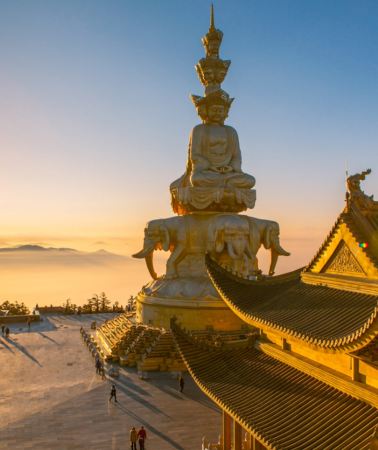




Chengdu Today's weatherOvercast 15-21℃
Chengdu weather for the next 2 days11/2: 12-21℃, 11/3: 12-20℃
Free things to do in Chengdu


What travellers say about Chengdu

Cnfsdpanda30 October 2026
5.0
Definitely the place to be to visit pandas. Clean washrooms, helpful staff and most importantly, PANDAS!!!! They are so cute and you can see red pandas as well. Perfect for a day trip. Tip: go early as pandas have their nap time around 11am! So if u go there around 8-9am, then take photos you can see them from actively eating to enjoying nap time! Wonderful place to be
Chengdu Research Base of Giant Panda Breeding

yanghx_yhx30 October 2026
5.0
The Dujiangyan Irrigation System, built by the Qin Dynasty, continues to function after more than 2280 years. Designed under the leadership of Li Bing and his son, it's a testament to the wisdom of the ancients.
The scenic area is quite large, with multiple entrances and exits; choose according to your needs. We entered and exited through Gate 1, spending the entire morning exploring and visiting every area – a truly in-depth tour, taking nearly 30,000 steps in total.
Despite its rich history, this place wasn't among the first batch of national protected cultural relics; it's only in the second batch.
There's a large-scale live performance in the scenic area, and we happened to catch one during an event, which was free. The performance depicted the process of Li Bing building the Dujiangyan Irrigation System. After watching the performance, I gained some understanding of the design concepts behind the system, and then seeing the Baopingkou, Yuzui, and Feishayan areas finally made sense.
Besides the water conservancy projects and surrounding landscapes, there's also a stone statue of Li Bing from the Eastern Han Dynasty and other cultural relics to admire. The Qin Yan Tower, Erwang Temple, Yulei Pass, Xiguan Pass, and the ancient city wall are all well worth a visit. After leaving the scenic area, you'll find the City God Temple below, which is also a national protected site. Its unique and well-arranged architectural style is definitely worth a visit.
Dujiangyan Scenic Area

SalmonYang31 October 2026
5.0
Qingcheng Mountain is very beautiful in autumn. The ginkgo leaves have turned yellow and the weather is cool. You can visit this famous Taoist mountain and see the filming location of Journey to the West. It only costs 10 yuan to get there from Chengdu by high-speed rail.
Mount Qingcheng

M87***4431 October 2026
4.0
The scenery is beautiful, lush, and has a traditional Chinese feel, perfect for taking photos. It's rich in historical and cultural atmosphere, and the humanistic landscapes are well-maintained. This should be further preserved. Could some man-made features be removed, as they are somewhat cluttered? The service is good, but some of the food is quite expensive. Adding more interactive cultural programs would be helpful. The creative cultural products are also beautiful and evocative.
Chengdu Du Fu Thatched Cottage Museum

市川市盖延31 October 2026
5.0
A cultural site, rebuilt during the Ming Dynasty.
Learn about the history of the Shu Kingdom during the Three Kingdoms period. This is the only memorial hall dedicated to its ruler Liu Bei and his loyal minister Zhuge Liang. Liu Bei, the Imperial Uncle, was adept at recognizing and utilizing talent to establish the Shu Kingdom, while Zhuge Liang devoted himself wholeheartedly to the cause until his death.
Chengdu Wuhou Shrine Museum

_We***8830 October 2026
5.0
The car was quite new and in good condition. The rental and return process went smoothly. I returned the car a day early without any unexpected issues. The rental fee was calculated quickly based on the actual rental period, and the service was very efficient.
Bipeng Valley

jelly_fishj23 October 2026
5.0
Wenshufang — a colorful historic quarter right next to Wenshu Monastery. Narrow traditional-style lanes, souvenir shops, teahouses, and plenty of street food. Noisy, crowded, and full of atmosphere — a striking contrast to the silence behind the monastery walls. A great spot to stroll, grab a bite, and pick up souvenirs.
WenShuFang

Sheila Salgado30 October 2026
4.0
To be honest, I was expecting to see more pandas. Also the red panda section is very poor. I only got to see one. Might partialy be my fault because I didn’t go early in the morning. However, the place is very beautiful and the animals are very well treated. I enjoyed my visit.
Panda Valley

Jlkhoo9725 October 2026
5.0
Nice visit to chengdu museum, it's free of charge. There are a few levels with different themes which u can visit for a few hours.
Chengdu Museum
Trip Moments in Chengdu


Chengdu travel guides


Popular cities near Chengdu


Frequently asked questions
What are the must-do things in Chengdu?
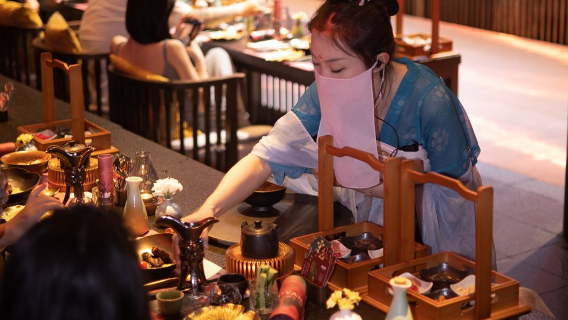
Don't miss these attractions in Chengdu: Chengdu Research Base of Giant Panda Breeding, Dujiangyan Scenic Area, and Mount Qingcheng. If you like Day tours, try Small group tour (8 people or less) + includes entrance tickets (no reservation required) + Dujiangyan + Panda Valley + Blue Tears (blue tears) + Sichuan Opera day trip. If you enjoy Food & drink, try Chengdu Shu Palace Banquet: Enjoy food while watching performances, witness Sichuan opera face-changing, and explore an ancient Chinese market.
What are the must-try foods and restaurants in Chengdu?
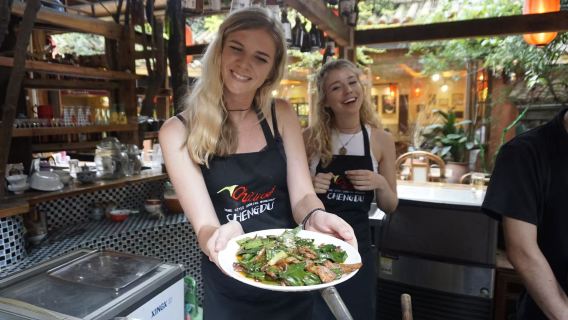
You can give Chengdu Shu Palace Banquet: Enjoy food while watching performances, witness Sichuan opera face-changing, and explore an ancient Chinese market and Chengdu: Cooking Class with Fresh Market Experience a try. Before you go, please check their opening hours and menus online. Reservations are recommended, especially during peak hours.
What are the recommended tours and excursions in Chengdu?
When choosing a tour, start with how much time you have and the kind of experience you're looking for. Trending options right now include Small group tour (8 people or less) + includes entrance tickets (no reservation required) + Dujiangyan + Panda Valley + Blue Tears (blue tears) + Sichuan Opera day trip, From Chengdu: Dujiangyan Scenic Area Day Tour | Late Departure | Optional Blue Tears & Opera, and Leshan Giant Buddha Day Tour from Chengdu: 9:30 AM Departure & Optional Walking/Boat Tour (Lunch Included). Check the real-time availability and itinerary before you book.
What's the typical cost of day tours and activities in Chengdu?
As of 1 November 2026, the reference price for day tours and activities in Chengdu is around NZD 53.08 – NZD 164.84. Rates vary by duration, group size, transport, tickets, meals, and any special admission requirements. Before you book, please confirm the billing currency and whether the price is quoted per person or per group.
How can I contact Trip.com customer support?
Get help anytime, anywhere within 30 secondsContact customer support
Can I change or cancel my booking?
Change and cancellation policies vary by attractions and tours. Please check the product details page for more information.
How can I get discounted prices?
Ticket prices may vary between weekdays and weekends, as well as during peak and off-peak seasons. When booking with Trip.com, you can also use Trip Coins to get extra savings. For more tips on booking discounted tickets, please visit Trip.com for the latest information.
Trip.com picks
Popular cities in China
Popular Chengdu Tours
Best Chengdu Experiences
Recommended Car Rentals in China
Popular Airport Transfers
Things to do in ShanghaiThings to do in QingdaoThings to do in YulongThings to do in JiuzhaigouThings to do in ZhuhaiThings to do in ChengduThings to do in YangshuoThings to do in HarbinThings to do in SanyaThings to do in ShenzhenThings to do in ChongqingThings to do in BeijingThings to do in HangzhouThings to do in MacauThings to do in Zhangjiajie
Chengdu Jingong Royal Banquet | Immersive Ancient Shu Dinner ShowOne-day tour of Shuangqiao Valley and Maobiliang in Siguniang Mountain / Optional group of 2-7 peopleChengdu morning slow-living experience: practice tai chi, admire calligraphy and sip covered-bowl tea, soaking in the leisurely charm of old ChengduChengdu Must-Visit:Du Fu Thatched Cottage+Kuanzhai Alley+Wuhou Temple+Jinli Ancient StreetChengdu Ear Cleaning Experience: Ancient Technique for Relaxation, Guided Tour to Savor the Charm of ChengduPanda base + Sanxingdui 1-day tour admission ticket all included1-day tour from Chongqing to Chengdu panda base and Leshan Giant Buddha1-day tour to Sichuan cuisine museum and Dujiangyan Chengdu half-day cooking class: Explore the local spice market and learn to make authentic Sichuan dishesHalf-day tour to Chengdu Research Base of Giant Panda Breeding with English guide and meeting point pickup1-day tour for Chengdu Tianfu airport transfer + city sightseeing Private charter pure play: Chengdu panda base + Kuanzhai alleys 1-day tourPrivate small group | Chengdu Yulin Road 1-day tour | Fanghua Street + Yutong Alley Private small group | Chengdu intangible cultural heritage lacquerware hands-on experience 1-day tour | Daqi Teahouse + English guideChengdu Half-Day Tour: Guqin and Tea Tasting Experience - Feel the Shu-Style Guqin and Travel Through Millennia of EleganceChengdu Visa Application ServicesInner Mongolia TransportationChengdu Travel EssentialsChengdu Cultural ExperienceChengdu ActivitiesInner Mongolia ActivitiesChengdu Day ToursChengdu Spa & MassageChengdu Travel ServicesChengdu Airport ServicesChengdu Costume ExperienceChengdu Bus TicketsChengdu SIM CardCar rentals in TaipeiCar rentals in BeijingCar rentals in Hong KongCar rentals in ShanghaiChengdu airport transfersChengdu Shuangliu International Airport transfersChengdu Tianfu International Airport transfersShanghai Pudong International Airport transfersGuangzhou Baiyun International Airport transfersTaiwan Taoyuan International Airport transfersBeijing Capital International Airport transfersBeijing Daxing International Airport transfersHong Kong International Airport transfersShanghai Hongqiao International Airport transfersChongqing Jiangbei International Airport transfersSanya Phoenix International Airport transfers