2025Stargazing in Pu'er|trip.com
Best time to visitJan-Feb, Sep-Dec(Open all year)
Introduction Stargazing in Pu'er
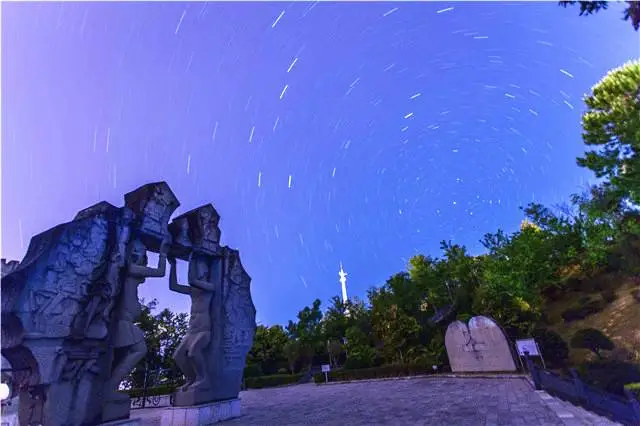
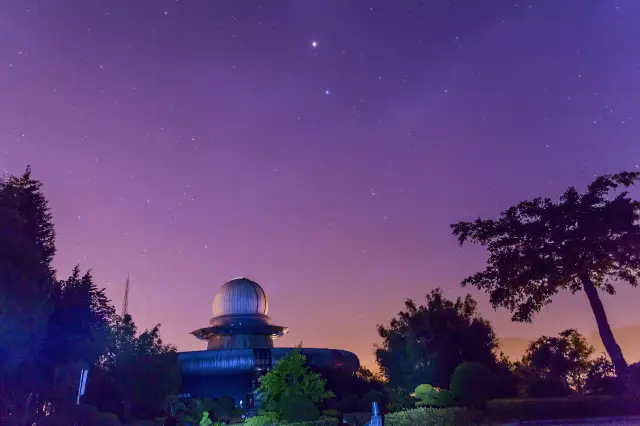
IntroductionIn Pu'er, start a romantic date with the vast starry sky. When night falls, there is a dazzling and boundless starry sky above your head. The stars are like gems inlaid in the night, shining with mysterious light. Time seems to stand still. You can immerse yourself in this natural and quiet atmosphere and feel the depth and vastness of the universe. Jingmai Mountain Ancient Tea Forest, the habitat of this thousand-year-old tea, creates a dreamlike stargazing sanctuary for you. The ancient tea trees are dim under the starlight, as if telling the story of the years. Yunmanying Pu'er Yixiangshan Scenic Area is another ideal place for stargazing enthusiasts. When the night sky is full of stars, you can lie comfortably on the stargazing chair, and professional astronomical equipment is at your fingertips, allowing you to clearly observe the outlines of constellations and the trajectory of planets. The breeze from the mountains gently blows away the fatigue of the day. Come to Pu'er and go to this date with the starry sky!
Trip Moments Stargazing in Pu'er
Fangwu Zhiwai·Abaila | Find the meaning of nature, let the city.
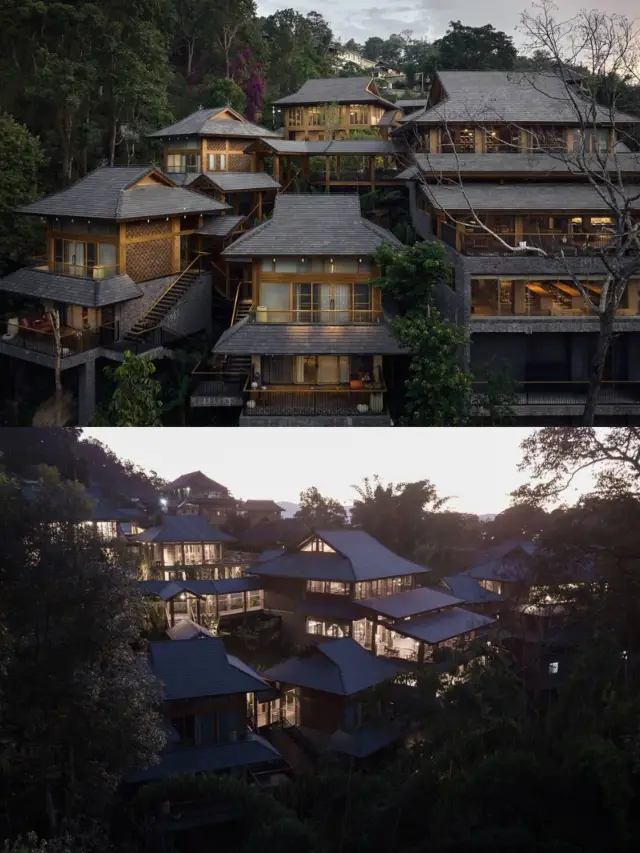
🎈"Tea mountain as a companion, sea of clouds sleep together". In the place where the clouds and mist gradually dissipate, it is like a bright pearl hidden in the wilderness between the mountains and the wilderness - Fangwu Zhiwai·Abaila Homestay✨. It is quietly located on the top of Jingmai Mountain, perfectly continuing the vibrant cultural tradition of the Bulang people, and cleverly integrating the aesthetics of life into the traditional dry column architecture of the Bulang people🥰. Bring people warm, natural and in-depth local service and activity experience, and strive to create an ideal community atmosphere full of ethnic culture and high-quality local cultural experience.💖 🌟The architecture of the homestay is unique, with stone tiles on the top and wooden tenons on the bottom. The 4 independent villas and 1 core courtyard are cleverly connected through the corridor. Such a settlement distribution echoes the ancient village, and the local village and homestay grow together. Staying in Abaila is not just returning to a warm home🏠, but also entering a kind village.😃 🌸Inward is history, outward is nature. From the public area to the guest room, the use of Bulang ethnic elements in different areas of the homestay corresponds to the cultural customs, historical legends and tea mountain nature of Jingmai Mountain.😍 🎊The family members who have been out for a day return to the homestay, can sit around the fire pond with their friends and relatives, listen to the Bulang singing, roast tea, warm wine, chat, and spend a different "Jingmai Night" in the enthusiasm and innocence of the Bulang people.😎 This is an unforgettable journey, which makes people intoxicated and unable to extricate themselves.💕
Jingmai Mountain | Wengji Ancient Village
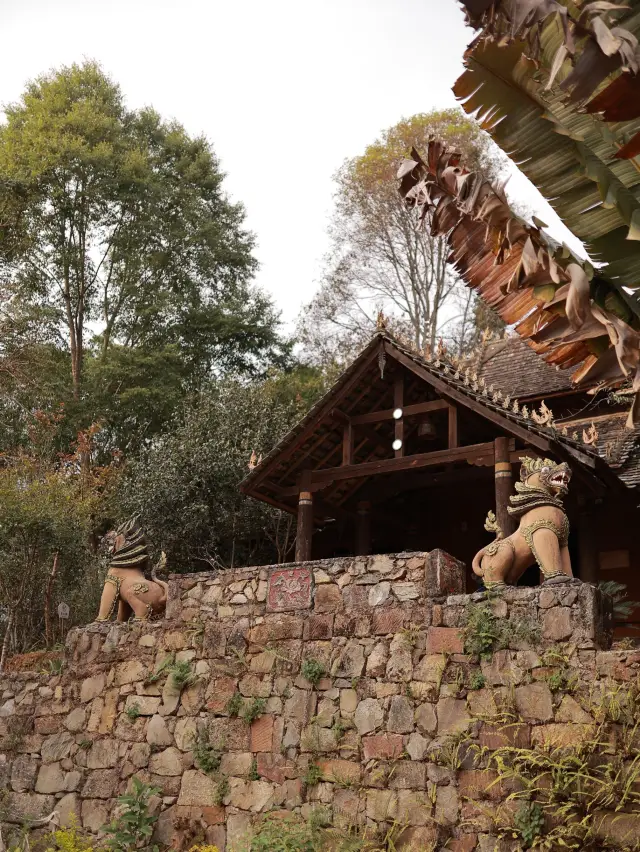
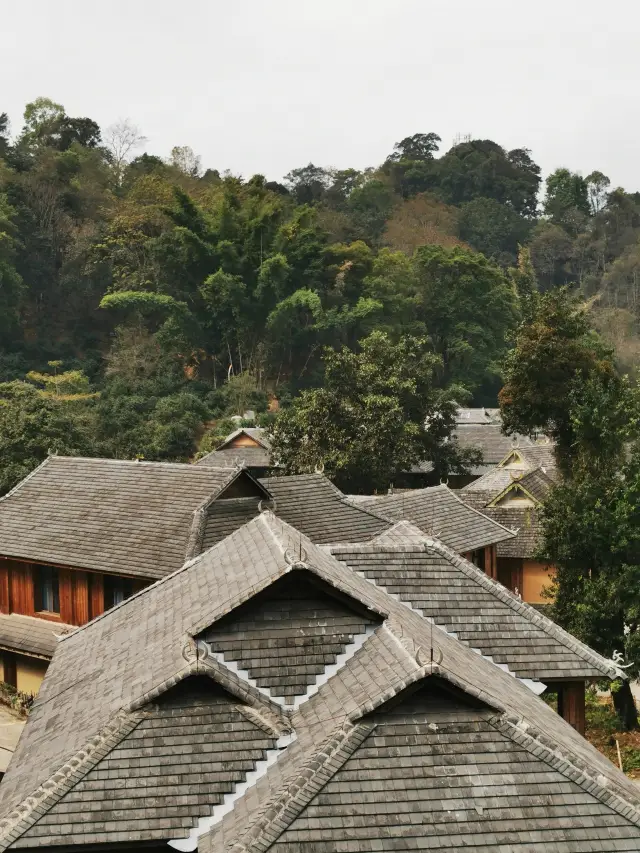
❥ Wengji Ancient Village, an ancient village of the Blang people, is regarded as a microcosm of the Blang ethnic group. It is celebrated as the 'Millennium Blang Ancient Village' because it has preserved the Blang's original ecological culture and historical heritage. The village boasts beautiful natural scenery and prominent ethnic cultural features. ❥ The Blang people are one of the earliest ancestors in China and one of the oldest indigenous residents in Yunnan history. Their ancestors, the ancient Pu people, were among the first in the world to discover and utilize wild tea leaves and were also among the first in Yunnan to cultivate and plant tea. Today, they still rely on tea planting and production for their livelihood and are known as 'ancient tea farmers'. ❥ Entering the village, it seems that every household has tea leaves in front of their doors. Tea is their main source of economic income. Besides drinking, it is also used for cooking and even as a common herbal medicine by locals. The roofs of the houses in the village are decorated with patterns of one bud and two leaves, representing the totem of the Blang people. Walking down from the ancient temple, there are many tea shops on both sides of the road. No matter which tea shop you go to, the owner will warmly invite you in for tea. The sign 'Free Tea Tasting' can be seen everywhere in the village, and almost every household has a tea pavilion to entertain tea merchants and tourists from all over. ❥ The architectural style of Wengji Ancient Village is not much different from that of Nuogan Ancient Village, with the same dry-column structure, mostly two-story buildings with the ground floor elevated. The sloping roofs are covered with traditional hanging tiles. However, because Wengji has developed tourism earlier, most of the ground floors of the houses are used as shops. The roads in the village are paved with stone slabs, extending in all directions. Although there are chickens and ducks around, it is cleaner and less dusty. The Blang people prefer bright colors, and their clothing and decorations are colorful and pleasing to the eye. ❥ The Blang people believe in Theravada Buddhism, and the ancient temples are places where Theravada Buddhism is taught. The temples, with their stone-built bases, wide eaves, and broad ridges, the city towers with black tiles and red walls, and the red stone Qilin facing angrily to both sides, serve as both a sanctuary for the residents and a meeting room for the clan. They believe that all things have spirits, such as the spirit of the mountains, trees, rivers, etc. Therefore, the Blang people have a rich variety of sacrificial activities. ❥ Wengji Ancient Village is located at the northern end of Jingmai Mountain, at an altitude of about 1350 meters. Situated on high ground, the village offers views of the sea of clouds and other villages such as Mangjing Upper Village, Mangjing Lower Village, and Manghong. When we arrived, it was the beginning of the temperature drop on Jingmai Mountain, and it was near evening. It didn't feel cold in the car, but once we reached the village, we realized how cold it was and the wind was strong, which made us give up our plan to have dinner in Wengji Ancient Village. We took a quick tour around the village and left in a hurry. Currently, the accommodations and dining on Jingmai Mountain are mainly concentrated in Wengji, with relatively complete facilities and not highly commercialized. ➠Geographic location: Located in Jingmai Village, Huimin Township, Lancang Lahu Autonomous County, Pu'er, Yunnan.
Mangjing Village | Mangjing Dai Village
❥ The first village you enter from the Pu'er direction into Jingmai Mountain is Mangjing, which is located on the northeast side of Jingmai Mountain and is a Dai ethnic village. The overall architecture of the village is in the Dai style, with the village layout on the north side of the ridge line adjacent to the mountain. The buildings are arranged from south to north, descending layer by layer, all with a heart-picking layout centered on the heart shape. ❥ Mangjing village is composed of the Mangjing community, and the center of the village is formed by the adjacent Sadi Temple, village heart, and Sadi Tomb. There are attractions such as Dai village, Sadi Temple, Sadi Well, Golden Water Pond, Ant Hill, Jingmai Fragrance Workshop, and Hand-in-Hand Fortune. This is a tourism-oriented village with a focus on cultural travel of Jingmai Fragrance Workshop. ➠Geographic location: Located in Jingmai Village, Huimin Township, Lancang Lahu Autonomous County, Pu'er, Yunnan.
Puer Jingmai Mountain | A hidden paradise that urban dwellers don't want to leave once they visit
⛰️ Jingmai Mountain is located in Pu'er City, Yunnan Province, China, and is one of the six famous tea mountains in China, known for its ancient tea trees and unique tea culture. The mountain is shrouded in mist and covered with tea trees, making it one of the important production areas for Pu'er tea. This mountain, with its long history and rich cultural heritage, successfully applied for intangible cultural heritage last year. 📍 Location Located in Lancang Lahu Autonomous County, Pu'er City, Yunnan Province, it is in Pu'er but also very close to Xishuangbanna ✈️ Transportation 1️⃣ Lancang Jingmai Airport (70 km, 2 hours by car) 2️⃣ Pu'er Simao Airport (200 km, 3.5 hours by car) 3️⃣ Pu'er High-speed Train Station (200 km, 3.5 hours by car) 4️⃣ Xishuangbanna Gasa Airport (133 km, 3 hours by car) 🏠 Accommodation You can stay in a hotel at the foot of the mountain, or experience a homestay on the mountain. We decided to go there temporarily during the Spring Festival this year, so we didn't book a room, but if you can stay on the mountain, watching the sunrise over the sea of clouds, experiencing the sunset glow, savoring a pot of high-mountain ancient tea, gazing at the full moon over the mountain top, experiencing the ancient mountain culture and daily rhythm, letting go of all thoughts and anxieties, and connecting closely with nature, it must feel amazing. Definitely want to experience it next time. 🍚 Food There are many farmhouses on the mountain where you can have a taste. The cuisine of the Yunnan minorities is mainly spicy, but you can communicate in advance for less spicy or non-spicy options. The taste is very good, with an average cost of about 80 yuan per person. 🍵 Tea Tasting After going up the mountain, you are drinking all the way, even before meals the owner will invite you to taste tea. You can find a favorite scenic spot and shop to experience the local tea culture, from clear tea to milk tea to roasted tea, there is always one that you will like. 🏞️ Attractions We drove from Menglian to Jingmai Mountain, which took about 3 hours, and then went up to the scenic area. There are many villages in the scenic area, such as Mangjing Village and Jingmai Village, but the most famous are Wengji Ancient Village and Nuogan Ancient Village, so we visited these two, as well as the ancient tea gardens and temples 1️⃣ Wengji Ancient Village (Blang ethnicity): Featuring Blang ethnic culture, the village is small and can be walked from end to end, with many tea shops suitable for tea tasting and enjoying the view 2️⃣ Nuogan Ancient Village (Dai ethnicity): Featuring Dai ethnic culture, it was too crowded when we went, so we didn't take many photos, but it felt great, and we definitely want to avoid holidays and experience it properly next time. 3️⃣ Ancient Tea Garden: See the thousand-year-old tea garden spanning ten thousand acres, a place that resonates with history and the past. It has been 1800 years and is known as the 'Natural Museum of Tea Trees'.
Stay in a Village | Drink Spring Tea and Take Photos of the Starry Sky in Mangjing, Yunnan.
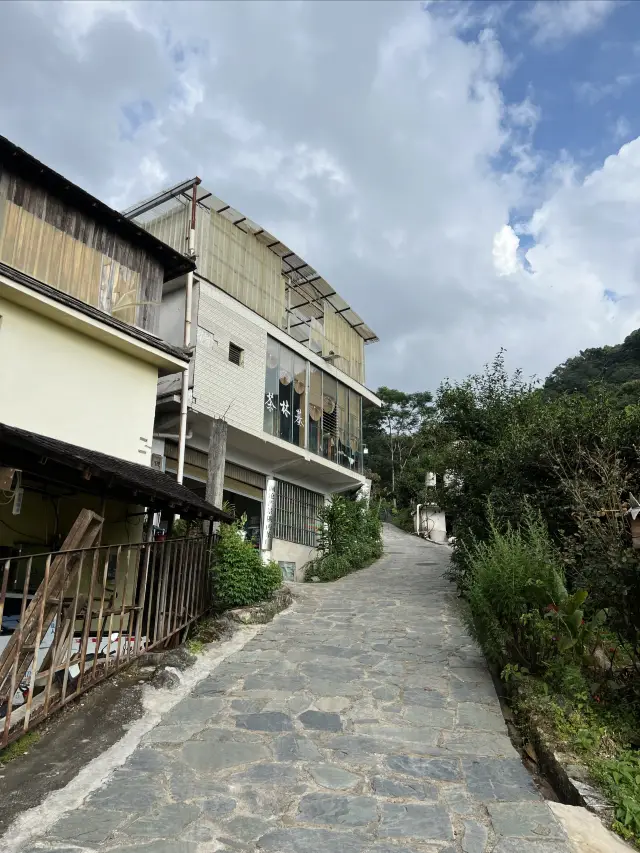
📍 Lancang Chalinji Homestay 🌟 Recommended: 🌟🌟🌟🌟🌟 Mangjing is not very commercialized. You can stay here for a night to watch the sunset and sea of clouds. It is mainly a Blang village. There are many homestays to choose from. It is self-driving friendly and basically offers free parking. This homestay has just opened, so everything is new! ✅ Environment It is almost at the highest point of the lower village, so it is very quiet. You can see the Milky Way and a sky full of stars at night. The first floor is a tea room and a place for frying tea. The second floor is the room. The third floor is for drying tea. The rooftop is a place for chatting and relaxing. The room is very clean. There is a Bluetooth speaker, projector, and water cooler. Free parking is available. ✅ Service The owner is very enthusiastic and invites everyone to drink beer, eat peanuts, and talk about their dreams. He answers all questions. Drink tea with the owner in the tea room and learn some tea knowledge to fill in the gaps and learn how to grow tea. ✅ Location It is a 10-minute walk from the King Bee Tree, a 20-minute walk from the Tea Ancestor Temple, and a 15-minute walk from the Princess Banyan. There are small shops and some restaurants nearby. The surrounding area is basically tea factories.
Ancient Tea Village Charm·Exploring Jingmai
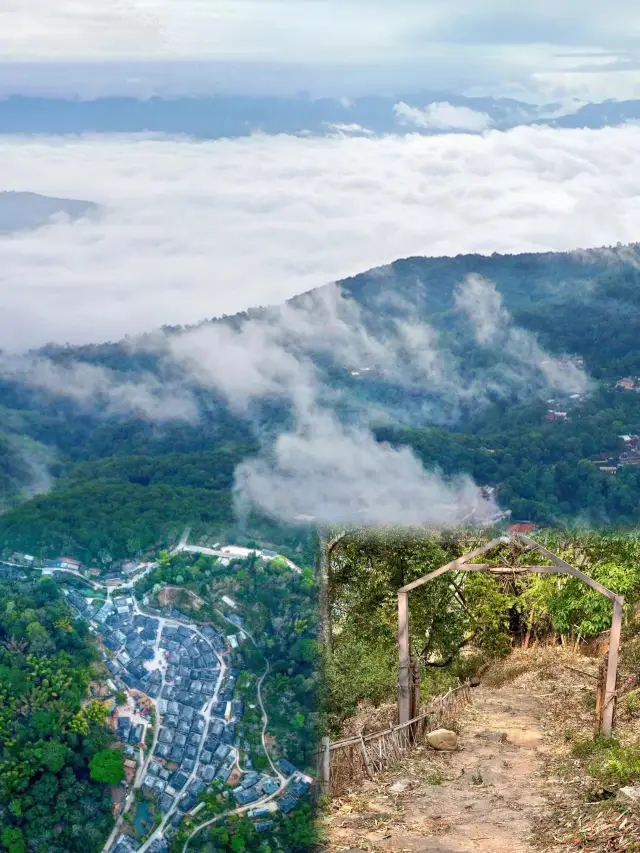
Hidden in the world, Jingmai in Yunnan is known as the top niche attraction! It is the birthplace of Pu'er tea, the location for the fifth Aman hotel in China, and a melting pot of ethnic cultures in the southwest border. Located in Lancang Lahu Autonomous County, Pu'er City, Yunnan Province, it is far from the hustle and bustle, with only the interweaving fragrance of millennium-old tea and earth. Strolling here, one can deeply feel the unique cultural charm of the ancient minority villages. The ancient village is situated in Jingmai Mountain, Lancang County, Pu'er City, on the southwestern border of Yunnan. The itinerary can be flexibly adjusted, with options for a compact two-day tour or a leisurely experience over several days. In terms of transportation, the nearest airport is Lancang Jingmai Airport, but flights are limited; alternatively, one can choose Pu'er Simao Airport, about a four-hour drive; Xishuangbanna Gasa Airport is more convenient, three hours away by car. If time allows, it is recommended to visit Xishuangbanna first, then rent a car to Jingmai Mountain, delving into each village. The national highway along the way is in good condition, but be mindful of the road conditions after entering the mountainous area, especially the 20-kilometer gravel road section, where one should slow down to protect the tea mountain ecology. Recommended attractions include Wengji Ancient Village and Nuogang Ancient Village. Wengji Ancient Village is predominantly inhabited by the Blang people, along with other ethnic groups. Temples and residences are adjacent, with a strong commercial atmosphere. The enthusiastic residents will invite visitors to taste tea, and the unique shops make one feel the ancient village's breeze and slow-paced life. Nuogang Ancient Village is a Dai ethnic village with a light commercial atmosphere and simple and enthusiastic residents. Here one can taste local specialty teas, listen to residents tell cultural stories, and experience the original charm of the ancient village. The sea of clouds, sunrise, and sunset on Jingmai Mountain are all stunningly beautiful. If the weather is clear, it will surely amaze. When taking photos, it is recommended to choose early morning or evening when the light is soft, and the smoky villages are more evocative. For accommodation, one can choose to stay in the villages of Wengji or Jingmai Dazhai, or in Lancang County or Huimin Town, and drive up the mountain early in the morning. Tea Villa Hotel at the foot of Jingmai Mountain is recommended for its tranquil environment and attentive service. In the future, there will also be a cluster of high-end hotels like Aman around Huimin Town. Local cuisine is dominated by Dai and Blang flavors, with Dai dishes being sour and spicy, while Blang cuisine is more fragrant and spicy. Blang home cooking and Menghai barbecue on Jingmai Mountain are both cost-effective choices, with an average cost of about 50 yuan per person. After leaving Jingmai Mountain, one will surely reminisce about the experience, believing that they will set foot on this beautiful land many times in the future. This place will definitely make your trip worthwhile!
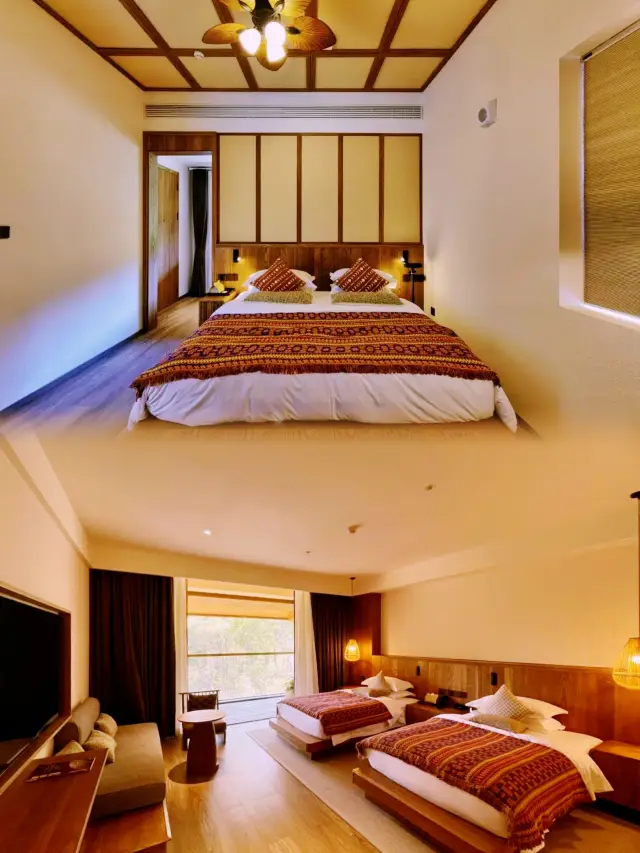
Tea Aroma Sanctuary·Abalara: A Soulful Journey Amidst the Blang Rhythm
Once upon a time, I thought the journey of dreams was nothing more than an armchair strategy, until the moment I stepped into 'Beyond the World·Abalara'. 🌱 Here lies a fairyland where the fragrance of tea and the millennium culture of the Blang people intertwine. As if stepping into a vivid scroll, I find myself embraced by the arms of Jingmai Mountain, surrounded by the gentle embrace of tea aroma and Blang rhythm. 🍃 Every detail of the guesthouse is imbued with the unique charm of the Blang people. Inside the rooms, the rustic decorations and exquisite tea sets seem to narrate the stories of the tea mountains, allowing me to hear the whispers of the tea trees and feel the elegance of the tea fragrance. 🌿 In terms of food and drink, the place perfectly blends the culinary philosophies of the East and West. Each dish is made with the finest local ingredients and cooked with care, allowing one to taste the delicacies while also experiencing the profound cultural heritage of the land. 🌲 What I find most unforgettable is the 'introspection' experience here. When the soul is completely relaxed in this place, it's as if I can see into the depths of my own heart, feeling an unprecedented sense of tranquility and peace. 🍀 If you also want to experience a different kind of soulful journey, why not come to 'Beyond the World·Abalara' in Pu'er City, Yunnan? Guesthouse🏡: Beyond the World·Abalara Guesthouse Address: 500 meters southwest of the Bee God Tree in the Shangzhai Group, Mangjing Village, Huimin Town, Lancang
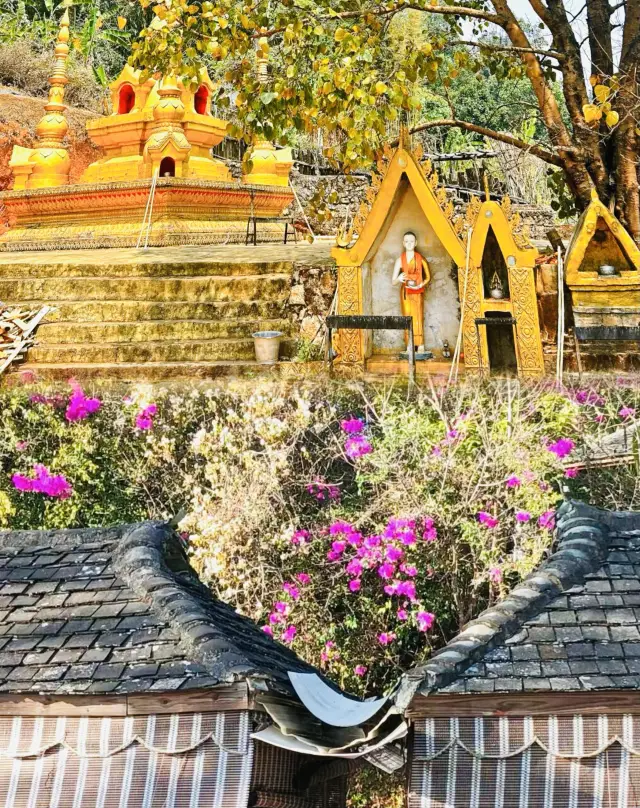
Nuogan Ancient Village | A Primitive Village Hidden in the Mountains
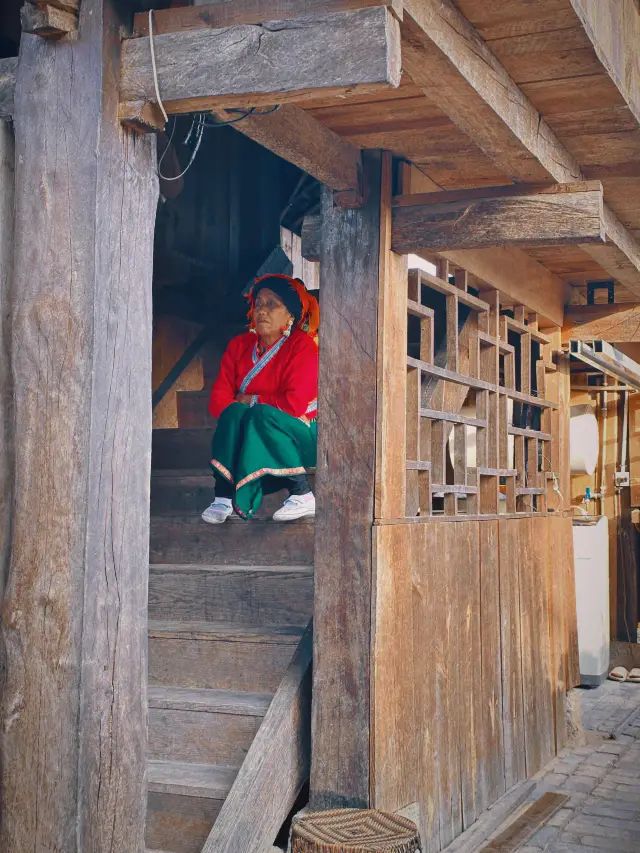
Nuogan Ancient Village is located in Huimin Town, Lancang Lahu Autonomous County, Pu'er City. It is a natural village dominated by the Dai people and has a history of more than 1,000 years. The ancient village is surrounded by thousands of acres of ancient tea gardens, and the villagers have been living on tea planting for generations. The ancient village dwellings are characterized by a unique wooden structure and stilted architecture. The houses are stacked in layers, generally divided into two floors, with the first floor for storing sundries and the second floor for living. This is also to adapt to the hot and rainy climate of the tropical rainforest. 🚩Address: Nuogan Ancient Village, Lancang County, Pu'er City, Yunnan Province 🎫Tickets: Free 🕒Opening hours: All day 🚗Transportation: Self-driving is recommended (RVs are not allowed), the road is bumpy and difficult to walk 🏞Attraction features ✔️An ancient Dai village, retaining traditional stilted buildings, full of strong ethnic customs. ✔️The village is surrounded by mountains, shaded by green trees, and gurgling streams, like a paradise. ✔️Every household has local Pu'er tea, and the villagers are hospitable, and you can taste Pu'er tea for free. ✅Must-visit: 🌟Nuogan Ancient Village No. 100 Restaurant 🌟Wengji Banyan Tree Tea House If you also want to get away from the hustle and bustle of the city and find a quiet place, then Jingmai Mountain is definitely a good choice. ❤️ 🌄The residents here still maintain a hardworking and simple way of life. They are tea farmers, and every family has its own ancient tea land. Here, they work at sunrise and rest at sunset, as if time has stopped, like the last home of the human soul. ⚠️Notes 1. Respect local customs and pay attention to dress appropriately when entering temples and other places. 2. The ancient village is relatively primitive, and there may be more mosquitoes and insects, so remember to bring mosquito repellent. 3. The temperature difference between morning and evening is large, please bring one or two thick clothes. 5. Try to avoid driving at night. To protect the local ancient trees, the whole journey from Huimin Town to the ancient village is a gravel road. The journey is bumpy, so please drive carefully.
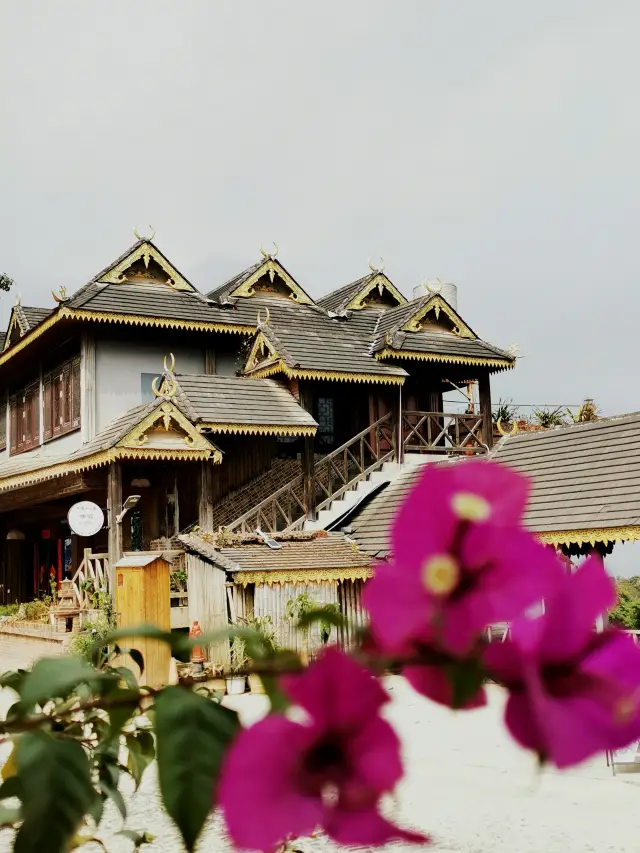
Jingmai Mountain | Mengben Dai Village
Jingmai Mountain | Mengben Dai Village ❥ Mengben is adjacent to Manggeng Village, and the village layout is similar. It is also a Dai settlement, with the village architecture descending from south to north. The temple in Mengben Village (Golden Pagoda Temple) is separate from the village center, and the village buildings are arranged around the village center. In fact, Mengben Village was established first, and Manggeng was later separated from Mengben. ❥ Mengben Village is composed of one social group, with attractions such as the Dai village, Golden Pagoda, Thousand-Handed Guanyin, Three Trees, and Jingmai Impressions. It is a tourist village in Jingmai Mountain, focusing on developing village Buddhist cultural tourism. In this original Dai village, every family grows tea, and every household makes tea. Tea is like the blood flowing in their veins here. ❥ On the road entering Mengben Village, there are three ancient banyan trees, which represent the story of three elders, the tea planting history of three ethnic groups, and the symbol of harmony and unity among the three ethnic groups. It is said that the Dai and Bulang ethnic groups had a conflict over an inconspicuous piece of land on the tea mountain, which even led to a fight. With the mediation of the Lahu ethnic group leader, they swore a blood oath to become sworn brothers and vowed to be united forever. To ensure that future generations remember this history, the three leaders planted three banyan trees as a testament to their eternal unity. This touching millennium-old story is still told today. ➠ Geographic location: Located in Jingmai Village, Huimin Township, Lancang Lahu Autonomous County, Pu'er, Yunnan.
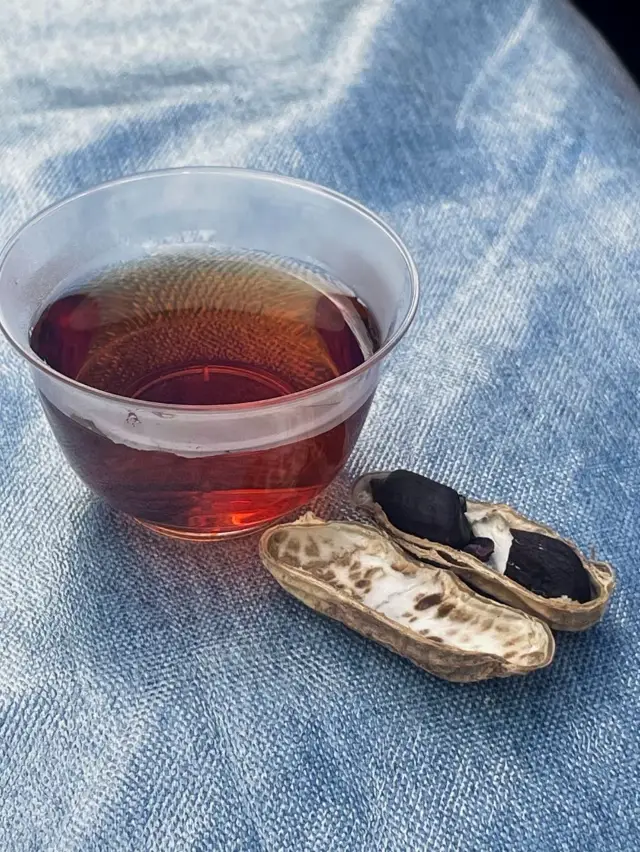
Jingmai Mountain | Jingmai Viewing Platform
❥ Inside the Jingmai Great Village, there is a viewing platform, which is a great place to watch the sea of clouds. There is a popular internet-famous coffee shop here, as well as a small square where a few villagers sell tea. They warmly invite you to drink tea, and it's okay not to buy. Unfortunately, the weather was not good at the time, and it was foggy, so I didn't see the sea of clouds. This place is suitable for drinking coffee, enjoying the scenery, chatting over tea, and taking photos for check-in. ➠Geographical location: Located in Jingmai Village, Huimin Township, Lancang Lahu Autonomous County, Pu'er, Yunnan.
A Guide to Lancang, Compiled After 3 Visits.
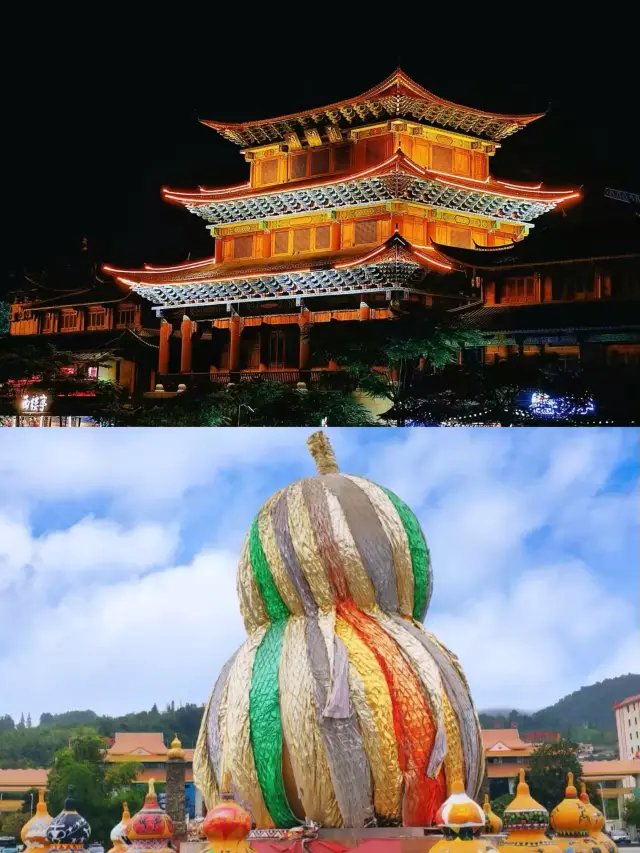
Tired of the hustle and bustle of the city and yearning for a touch of warmth and tranquility this winter? Look no further than Lancang, a hidden gem nestled in Yunnan Province! Here, warm sunshine, rich ethnic customs, and a plethora of scenic spots and delicious food await your exploration. Follow this guide and embark on a winter journey to Lancang. 🌟Introduction Lancang, officially known as Lancang Lahu Autonomous County, is located in the southwest of Yunnan Province. It is the only Lahu autonomous county in China. With its picturesque landscapes, diverse ethnic culture, pleasant winter climate, abundant sunshine, and temperatures consistently between 10-25°C (50-77°F)🌞, it's the perfect escape from the cold and a great place to bask in the winter sun. 🗺️Itinerary • Day 1: Arrive in Lancang County Town → Jingmai Mountain Wengji Ancient Village ◦ Morning: Arrive in Lancang County Town, take a break, and soak in the laid-back atmosphere. ◦ Afternoon: Head to Jingmai Mountain Wengji Ancient Village and wander through the ancient Dai and Lahu stilt houses, feeling as if you've traveled back in time. ◦ Evening: Check in to a guesthouse in Wengji Ancient Village, savor local delicacies, and experience the nightlife of the ethnic minorities. • Day 2: Jingmai Mountain Nuogan Ancient Village → Mangjing Village ◦ Morning: Wake up early to witness the breathtaking sunrise and sea of clouds over Jingmai Mountain, and immerse yourself in the grandeur of nature. ◦ Late Morning: Visit Nuogan Ancient Village and take photos by the clear ponds and ancient trees. ◦ Afternoon: Stroll through Mangjing Village, learn about Bulang tea culture, and taste authentic Pu'er tea. ◦ Evening: Return to the county town, explore the night market, and sample various snacks. • Day 3: Lancang Laodabao → Departure ◦ Morning: Visit Laodabao, the birthplace of "Happy Lahu," enjoy Lahu song and dance performances, and experience their enthusiasm. ◦ Afternoon: Free time for souvenir shopping, then depart, concluding your pleasant journey. 📸Photo Spots • Jingmai Mountain Wengji Ancient Village: The big banyan tree at the entrance of the ancient village is a perfect photo spot. With the ancient village as the backdrop, you're guaranteed great shots. The temple within the village, with its unique architectural style, is another great spot. Dress in ethnic clothing for an even more atmospheric photo. • Nuogan Ancient Village: The pond in the village, reflecting the ancient houses and the blue sky and white clouds, offers stunning photo opportunities. Stroll along the stone-paved roads and capture scenes of daily life for a touch of local flavor. • Laodabao: Have a friend take photos of you singing and dancing with the Lahu people in the square to capture those joyful moments. The traditional Lahu dwellings also make for great photo backdrops. 🍜Must-Try Food • Chicken Lafun: A traditional Lahu dish, the chicken and rice are stewed until tender, fragrant, and melt-in-your-mouth delicious. A must-try! • Grilled Dried Beef: Charcoal-grilled dried beef, crispy on the outside and tender on the inside, exudes a rich aroma. Paired with a special dipping sauce, it's simply divine. • Spicy Ant Eggs Salad: A Lancang specialty, the spicy ant eggs have a tangy and refreshing taste and are rich in nutrients. Don't miss this unique delicacy. • Lancang Rice Noodles: A delicious broth with smooth rice noodles and a variety of toppings. A bowl of this for breakfast will energize your day. 🏠Accommodation • Jingmai Mountain Wengji Ancient Village Guesthouses: We recommend "Wengji Ancient Village Inn." The wooden rooms are full of ethnic charm. Open the window to enjoy the beautiful scenery of the ancient village, and fall asleep to the sound of insects at night. • Lancang County Town Hotels: "Lancang Grand Hotel" is conveniently located, well-equipped, and reasonably priced, making it easy to travel and shop. 🎈Travel Tips • Lancang enjoys plenty of sunshine in winter, but the temperature difference between day and night is significant, so remember to bring a warm coat. • The UV rays are strong on Jingmai Mountain, so take sun protection measures. Hats, sunglasses, and sunscreen are essential. • Some local dishes can be quite spicy. If you can't handle spice, let the restaurant know in advance. • Respect the customs of ethnic minorities. Ask for permission before taking photos in the ancient villages. Winter in Lancang is a blend of warmth and beauty, a fusion of nature and culture. Every moment here is filled with joy and memories. Pack your bags and embark on your winter adventure in Lancang. You're sure to fall in love with this charming town💖!
Ancient Villages Hidden in the Mountains! A Fairyland and a Worldly Place - Nuogan Ancient Village.
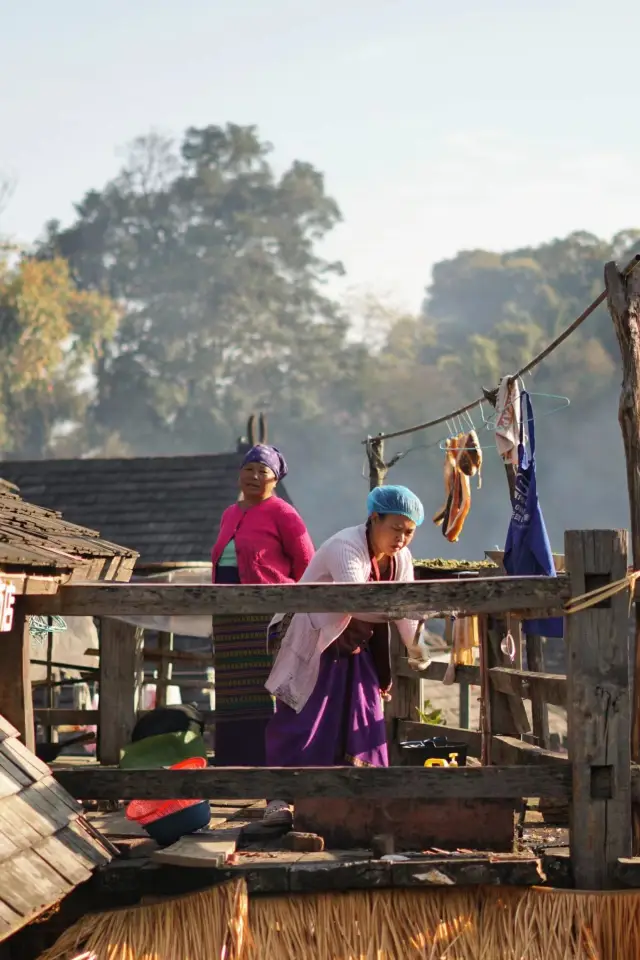
Yunnan Border Village A particularly quiet and primitive village Here you can feel the coexistence of man and nature So harmonious and beautiful 🈁 Destination: High-speed train 🚅 or plane High-speed train 🚅: Pu'er Station - charter a car to Lancang County - charter a car to Nuogan Ancient Village & Wengji Ancient Village Plane ✈️: Xishuangbanna Airport & Lancang Jingmai Airport (there is no direct flight from Chengdu to Lancang Jingmai Airport) - charter a car to Lancang County - Nuogan Ancient Village & Wengji Ancient Village Experience: Stroll through the ancient village, see the thousand-year-old tea 🍵 tree 🌴, taste thousand-year-old tree tea & clay pot milk tea (kids love it), taste local specialties & barbecue (prices are reasonable), and enjoy the view of the sea of clouds ☁️ on Jingmai Mountain on the way back. Don't miss it, it's really beautiful, and the photos of the various buildings and thousand-year-old trees are very photogenic. 📸 Photography Tips 1. You can use a wide-angle lens and a drone to capture the full view of the ancient village, showing its grandeur and layers. The light is best in the morning and evening, and you can capture the feeling of sunlight shining on the ancient village through the smoke. 2. When photographing local culture, pay attention to capturing the expressions and movements of people to show the vividness and authenticity of the activities. Keep the shutter speed as high as possible to ensure clear capture of dynamic scenes. 3. If you want to highlight the character, you can use a medium-long focal length and a large aperture. If you want the character to have visual tension and show the environment, you can use a wide angle.